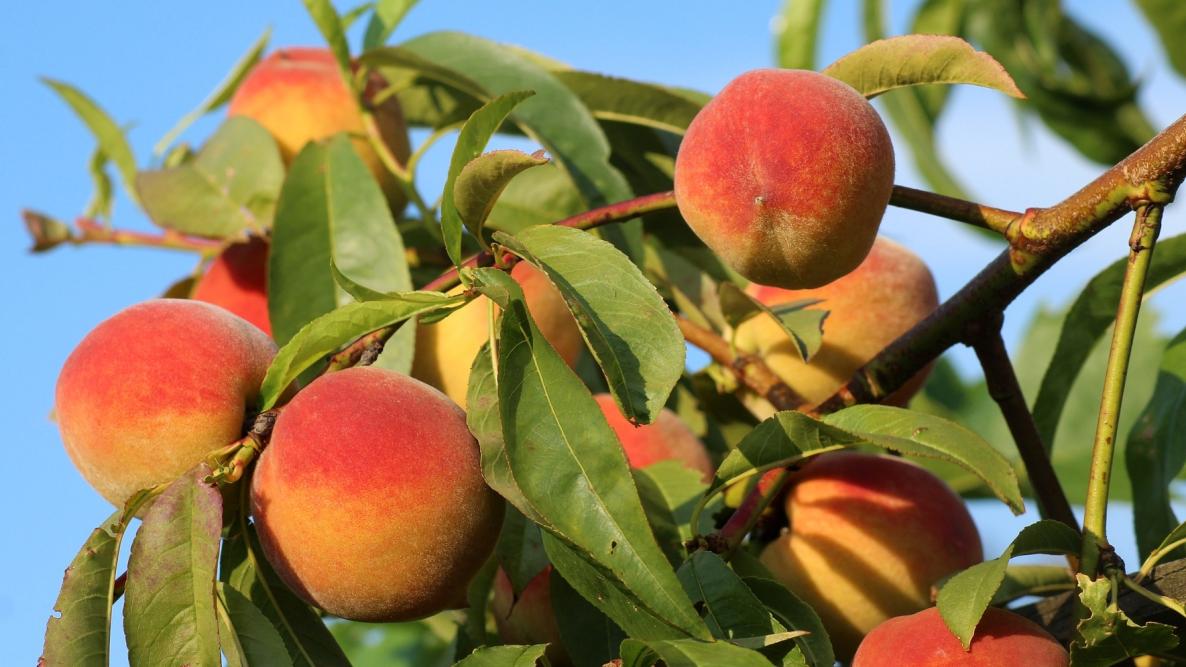
All is not peachy in Maine’s peach orchards this year.
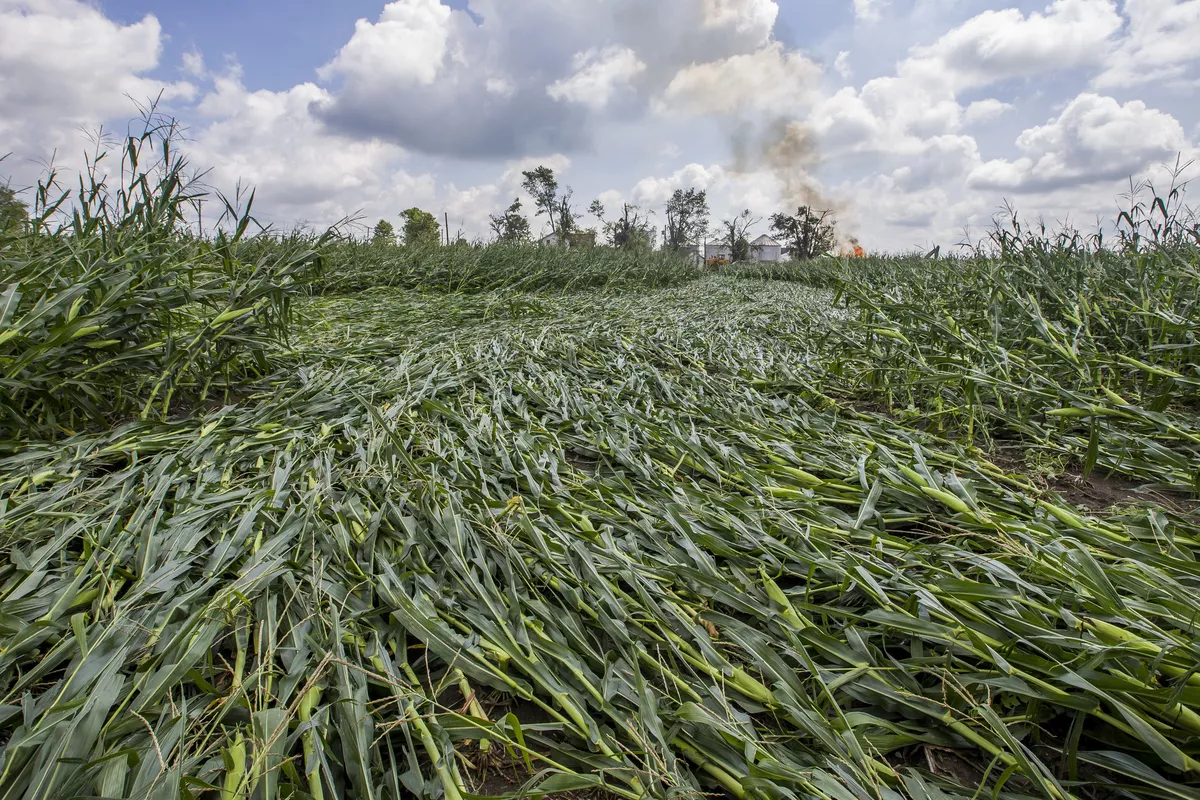
A spell of bitter cold weather last February, a day and a half of high winds and temperatures reaching 18 degrees below zero, resulted in total crop failure this summer.
Local peaches – likewise plums – should be in Maine’s farmers markets and farm stands right about now.
The actual number for sale? “Virtually none,” said Renae Moran, professor of pomology with the University of Maine.
Other New England and mid-Atlantic states suffered the same fate. Peach crops in Massachusetts, New Hampshire, Vermont, Rhode Island, New York and parts of Connecticut were devastated by the same “freakish weather event,” as Moran described it.
“The whole crop is gone,” said Gordon Kenyon, of Locust Grove in Albion. With about 3,000 trees, he is the state’s largest peach grower and possibly the only grower who focuses solely on the fruit. Because peach trees are quite sensitive to cold, it’s known as a risky crop here, and Maine growers have endured other bad years, among them 2010 and 2016. But “nothing like this,” Kenyon said. “This is the worst one.”
NOT A GOOD INVESTMENT
Peaches, and even more so plums, are a niche and relatively new market for Maine. Moran estimated just 25 acres of commercial peaches grow in the state, compared to some 1,800 acres of commercial apples. Moran estimated, with a question mark, the commercial plum crop at just 4 acres.
In recent years though, as Maine’s winters have grown warmer, more farmers have planted peach trees and opened u-pick peach operations, as a way to diversify. Some of the farms plant the trees on hills where inversion – the idea that, basically, heat rises – helps to protect them from cold, though not this year.
“I grow a little bit of everything, and if one thing goes bad, I’ve still got the others,” said Mike Farwell of Uncle’s Farm in Hollis Center. He regularly sells peaches, plums and sour cherries alongside many other fruits and vegetables at the Portland Farmers’ Market. This year, though, he didn’t get so much as a single peach or plum, and his cherry crop was smaller than usual, too.
If the the size of the peach crop statewide is small, though, the excitement among peach lovers at their annual appearance each summer is high.
After a decade of trying, Snell Family Farm in Buxton no longer grows peaches. “We realized they really aren’t a very good investment for our location,” Ramona Snell said. “We got maybe three good crops over 10 years.
“But when you hit it, it’s just wonderful,” she continued. “We had a woman who worked for us. When we had peaches, she said, ‘Elvis is in the building,’ because it was that kind of excitement, and ‘Elvis has left the building’ when we sold out. Yeah, pretty analogous.”
The odds for a good harvest are improving, said Moran, who has researched peaches in Maine for 23 years. “We get peaches four out of five years. It used to be two out of five years.”
About that 2016 peach Armageddon, by the way, Art Kelly of Kelly Orchards in Acton, has a funny story. Maybe after time, you can laugh?
“I think we ended up with 20 peaches,” he said about that season. He entered those in the Acton Fair. “I got a blue ribbon for peaches because they were the only ones,” Kelly laughed. “Then I took them home and ate them.”
Peach buds set on the trees the summer before the fruit grows. So, for instance, the buds for next summer’s fruit are being set now. In order to produce fruit, the trees then require about 1,000 chill hours, during which they are dormant. At that point, the buds are primed to wake up for the warmer weather. Moran said neither dormancy nor chill hours seems to have played a role in this year’s crop catastrophe. It simply got too cold.
“Flower buds start to die when the temperature gets to minus 4,” she said. “Some varieties hold to minus 15. Usually, by minus 18, they are all dead.”
Nationally, Georgia, aka the Peach State, is also said to have lost as much as 90% of its crop this summer. In that case, though, the winter was too warm, and the region was hit with two unseasonably late frosts.
Maine peach eaters are just now getting the bad news.
“Now that we are open for the season, we are getting used to disappointing people over and over,” said Polly McAdam, whose family owns McDougal Orchards in Springvale.
Source - https://www.pressherald.com