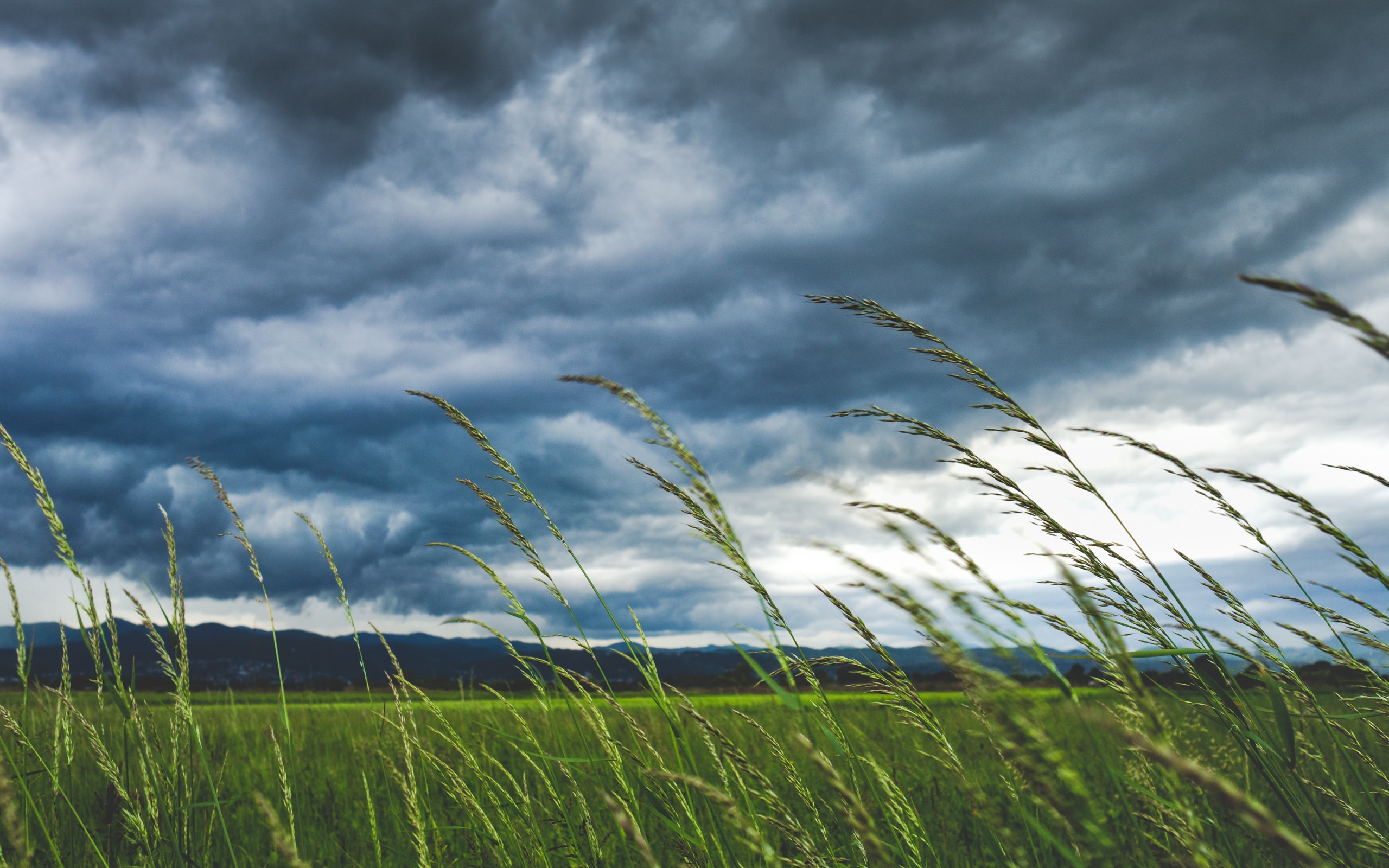
While Rob Dowdle was away from his business, Dowdle Family Farms, for two weeks this month, he heard about heavy rainfall affecting local farms, but he wasn’t sure how his fields would fare.
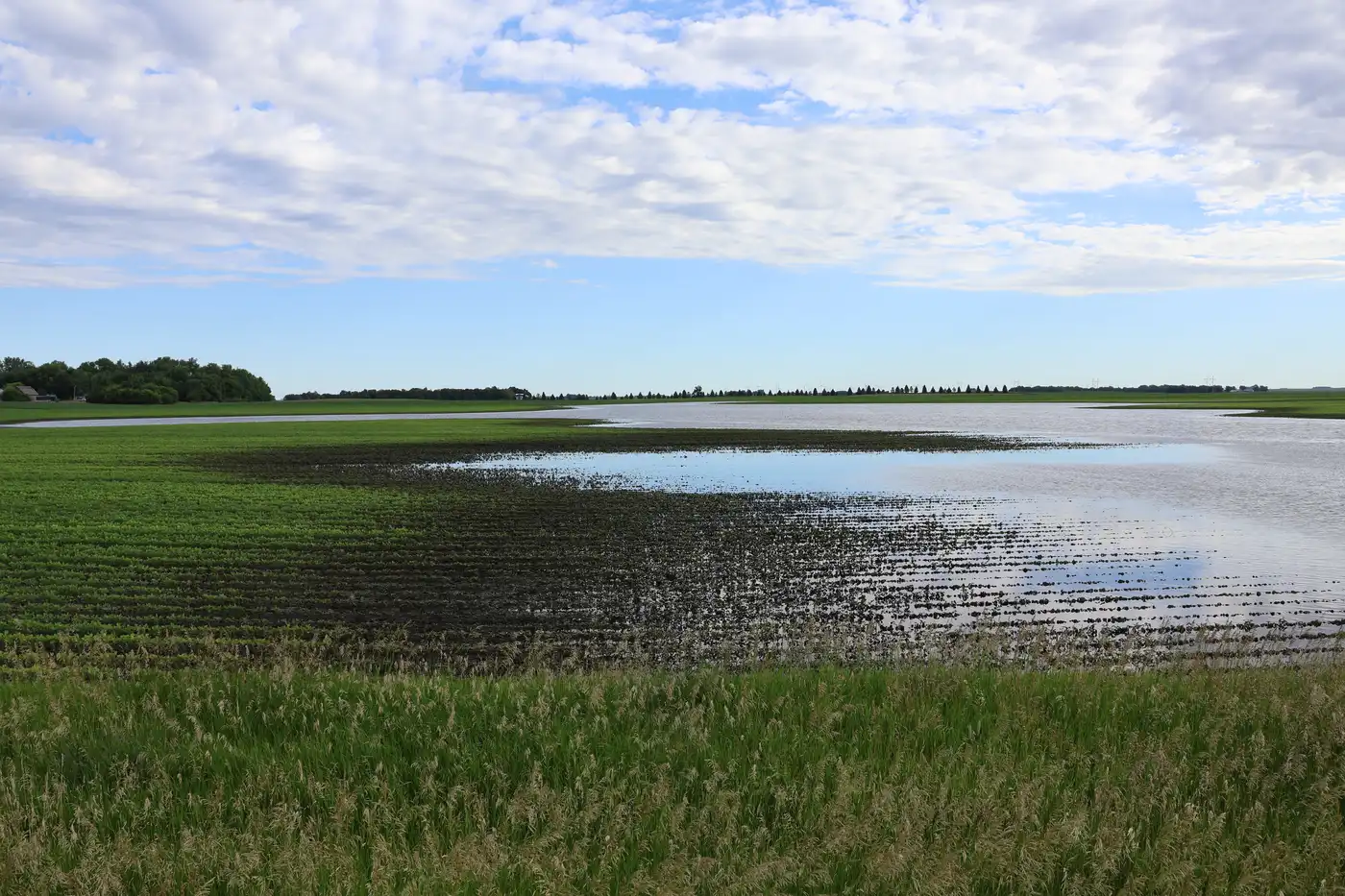
When he returned Monday, he stood in at least three inches of water covering one of his buckwheat and hay fields. Now, even as things are starting to dry out, he fears losing a portion of crop yield come harvest. He isn’t the only one.
“If we had gotten an inch and a half or two inches of rain, rather than the 10 inches we got here, we would have had probably three or four times the performance out of those crops,” Dowdle said. “Now, they won’t perform as well.”
The National Weather Service reported the Golden Triangle saw about 13 inches of rain between July 1 and July 16, more than four times the 3 inches of rainfall the area usually sees for the entire month. In that time, more than 35 farmers in Lowndes, Oktibbeha and Noxubee counties have filed revenue loss insurance claims due to the increased storms, according to multiple sources that spoke with The Dispatch.
The farmers who spoke to The Dispatch said they could lose between 10% and 33% of their harvest of corn, cotton and soybeans in the fall due to the July rains, through stunted production and malnutrition — primarily nitrogen treatments washing away.
Philip Johnson, co-owner of Johnson Farms in Noxubee County, said he had several fields flash flood during the two-week period.
Because the rain kept up for so long, about 265 acres of soybeans he grows could be affected, losing about 150 to 200 pounds of product come harvest.
“Those beans were just coming up, and (the rain has) just been hard on them,” Johnson said. “They’re not going to grow very well.”
Johnson also said because of the rain, he will need to reapply nitrogen to his cotton fields, which have started to turn yellow in some areas from malnutrition. He won’t get to do that until his fields are dry by early next week.
Mississippi State University Extension Agent Trent Irby told The Dispatch when crops such as cotton, corn and soybeans become waterlogged by heavy and consistent rain, it keeps plants from growing fruit and also invites grass and weeds to thrive, which can slow the crops’ growth cycle.
“This time of year where we get a heavy rainfall event and then followed up with another heavy rainfall, it creates an issue,” Irby said. “It may not necessarily equate to a massive yield loss, but it can hold the plant back enough that you’ll see a loss. The more prolonged period of time that it (rains), the greater the yield loss potential is.”
Rodney McGill, a farmer near Brooksville, said he expects to drop between 200 and 300 pounds from his average of 1,200 pounds of cotton come fall, while the rest of his crops were mainly unhindered by the increased rainfall.
How are farms covered for loss
Brian Montgomery, an agent with Alliance Ag Risk Management in Starkville, told The Dispatch farmers typically purchase coverage for 70% to 80% of their crops. He has already seen about 30 claims filed for potential yield loss.
Farmers’ harvests are covered 50% to 85% by the United States Department of Agriculture Crop Insurance Program.
Crop coverage is also held against a rolling 10-year harvest average. If farmers don’t lose a large enough percentage of their crop, they won’t have a claim for reimbursement, Montgomery said.
He added that farmers won’t know the extent of the damage until harvest.
“(Farms) generally are on about a 8% to 10% profit margin, and that’s a pretty healthy farm,” Montgomery said. “If a farm loses 25% and its operating budget is a couple million dollars, it could easily lose between $200,000 and $400,000 and not have an insurance claim at all.”
Lee Skinner, a farmer in Noxubee County, and McGill both said they are also now spending more on treatment for their crops with more nitrogen.
Since they can’t access the fields to spray on the ground because of soil conditions, they are spending more to spray crops with chemicals by plane, which costs them between $30 and $60 per acre.
Skinner added that even as most farmers will start weeding and spraying fields within the next week, there is little he and other farms can do about the situation.
“All we can do right now is wait and see,” Skinner said. “We are probably going to go back for the worst of it and look at fields that were waterlogged, and add extra nitrogen because I just feel like we have to do something to try and make a crop.”
Source - https://cdispatch.com