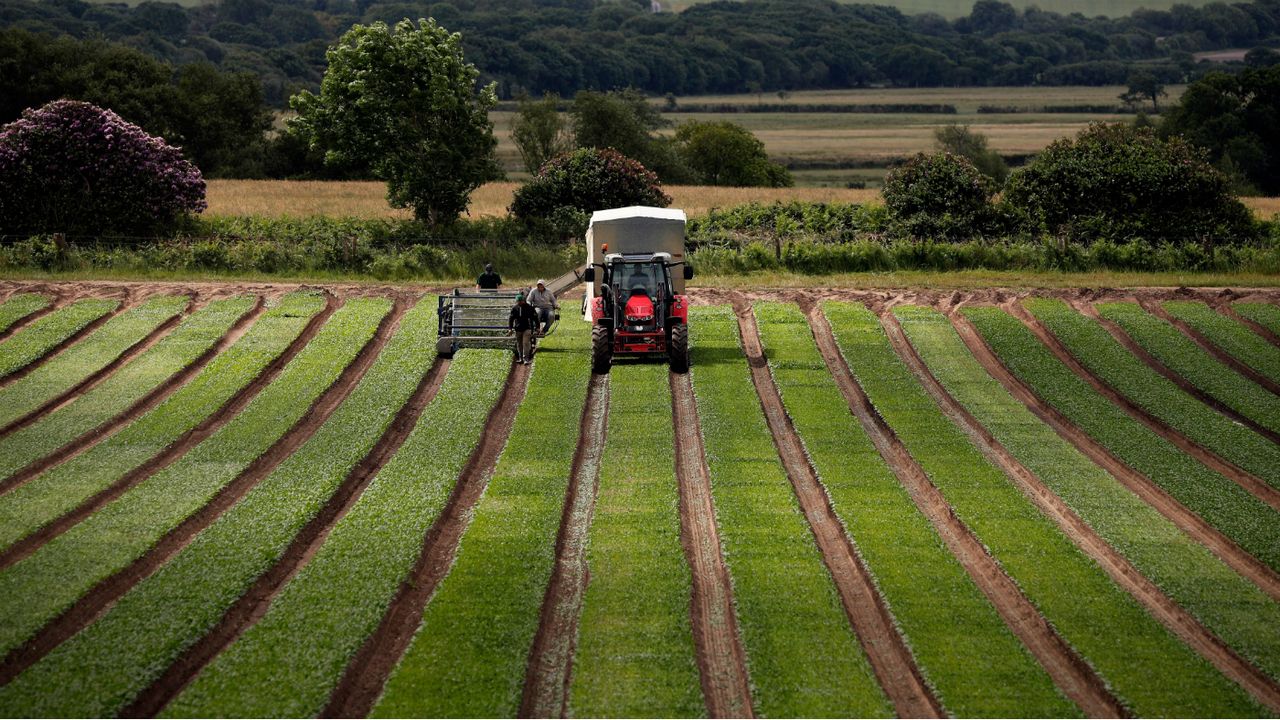
A new report from the American Farm Bureau Federation argues for greater federal crop insurance and risk management options for specialty crops.
The report notes that specialty crops including fruits, vegetables and nuts make up almost one-third of total crop sales in the U.S., but a large number of specialty crop acres remain uninsured, according to the group.
“American Farm Bureau Federation economists examined specialty crop coverage in the latest Market Intel, and found that more than 80% of the acreage of hazelnuts, kiwifruit, strawberries and lettuce remain uncovered through the Federal Crop Insurance Program or Noninsured Crop Disaster Program, while more than 50% of walnut, pecan, peach, squash, sweet corn, watermelon, pumpkin, cucumber and pepper acreage lacks coverage,” the group said in a news release.
The lack of specialty crop coverage “shifts pressure to ad hoc disaster assistance programs which require frequent congressional authorization and lack uniformity and timeliness in producers’ abilities to benefit,” the release said. Federal disaster assistance programs often overlook many causes of losses or qualifying provisions necessary to benefit these vulnerable growers, the Market Intel report said.
Since 2000, the report said risk management participation has increased in most specialty crop categories.
For example, among fruits, nuts and trees, insured 2022 liabilities reached $15 billion, a $12 billion increase since 2000. On the other hand, other specialty crop categories, such as nursery crops, have seen a decline in participation.
AFBF has made expanding insured commodities to include specialty crops one of its priorities for the 2023 farm bill, according to the release.
“America’s farmers are blessed with the ability to grow diverse and abundant foods across the country,” AFBF President Zippy Duvall said in a news release. “With that diversity comes a unique set of risks not widely experienced in conventional row crop production. The 2023 farm bill should recognize those differences and offer programs that provide the same protections regardless of what a farmer chooses to grow.”
The group’s farm bill priorities for specialty crops include:
- Incorporating all types of domestic fruits and vegetables (fresh, frozen, canned and dried) into the Fresh Fruit and Vegetable Program to provide an affordable option for increasing the variety available year-round for all, and more market opportunities for producers. Priority must be given to fresh and locally grown product when available, not withstanding price.
- Ensuring adequate funding for the specialty crop industry with emphasis on fundamental research, marketing and promotions, and pest management programs.
- The USDA giving more consideration to specialty crop growers when considering planting history for various programs.
- Defining "specialty crops" as any fruit, vegetable, nut or non-program crop grown for consumption and sales.
- Dedicated funding for specialty crop growers in working lands programs.
- USDA commodity purchases.
- The fruit and vegetable industry developing a termed stopgap profit/loss assistance program to mitigate the impact of producer losses due to foreign imports, resulting in an upside-down market.
Source - https://www.thepacker.com