Tanja Fransen, NWS Glasgow representative to the MT Drought and Water Supply Committee, has released a report which predicts the ongoing drought affecting the Missouri River Basin to continue through the 2022 growing season.
According to the report, drought continues to impact a majority of the basin following difficult drought conditions and impacts the past two years. The report shows 79% of the basin is currently in at least moderate drought (D1), with 52% in severe drought (D2) and 18% in extreme drought (D3).
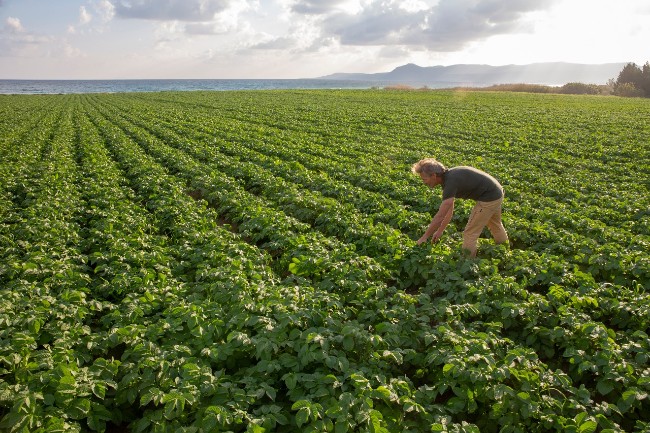
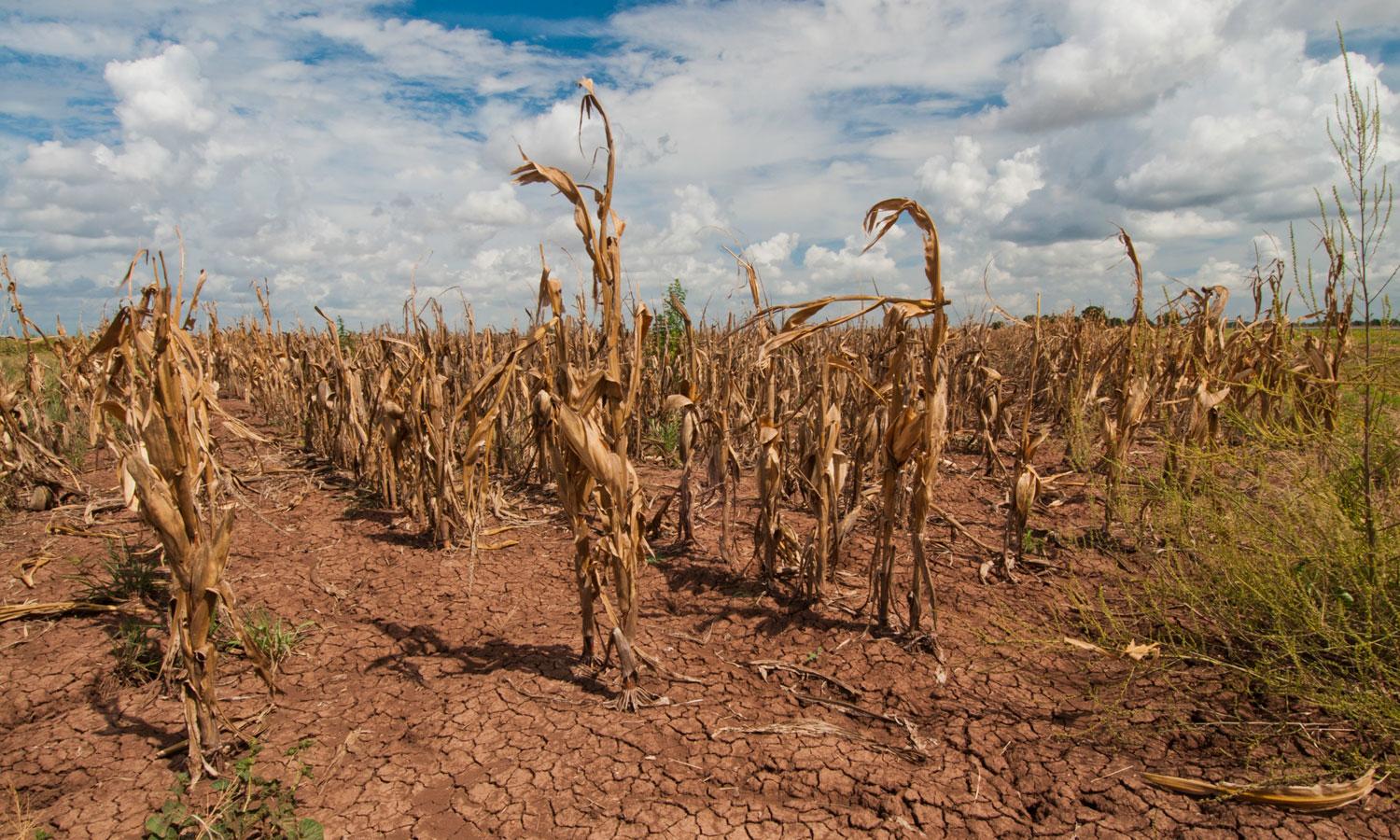
Richland County is currently in category D3 — Extreme Drought. Areas in D3 can expect crops not to be harvestable; winter pasture is opened for grazing; soil to have large cracks; fields are bare; cattle have very little water; producers are hauling water and buying supplemental feed, culling cattle and selling early; and fire restrictions increase.
While some of the hardest hit areas last year in the Northern Plains, including Montana, North Dakota, South Dakota, and Wyoming, have seen minor improvement over winter, there has not been enough to ease drought concerns for spring and the upcoming growing season.
The Missouri River Mainstem Reservoir System storage has already been reduced by ongoing drought conditions throughout the region. As a result, drought conservation measures were implemented by the U.S. Army Corps of Engineers. Navigation flow support will be at minimum service to start the 2022 navigation season, which means an 8-foot deep navigation channel instead of a 9-foot deep channel.
According to the report, the Missouri River Basin needs periodic and regular above-normal precipitation in order to avoid further drought deterioration. While spring is typically the wettest time of the year for the basin, the April through June precipitation and temperature outlooks are leaning towards drier and warmer conditions for a majority of the basin. If the outlook holds true, it will likely lead to drought persistence and potentially intensification.
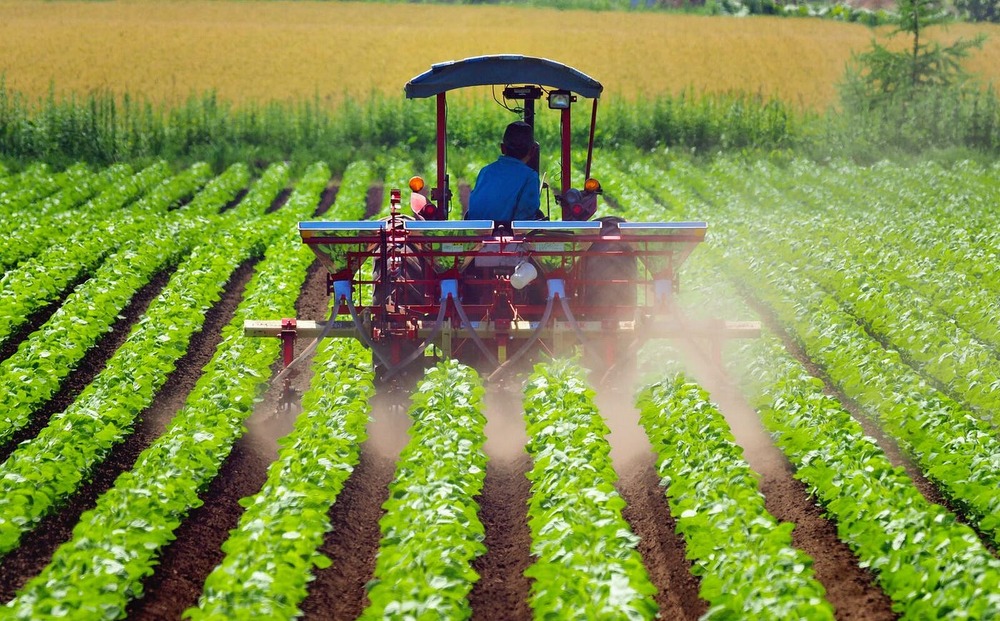
Continued drought conditions will likely lead to increased wildland fire risk, limited water supply for agriculture and livestock, crop damage and loss, water quality issues and limitations to water supply and navigation along the Missouri River, according to the report.
NIDIS and its partners will issue future updates as conditions evolve.
Source - https://www.sidneyherald.com