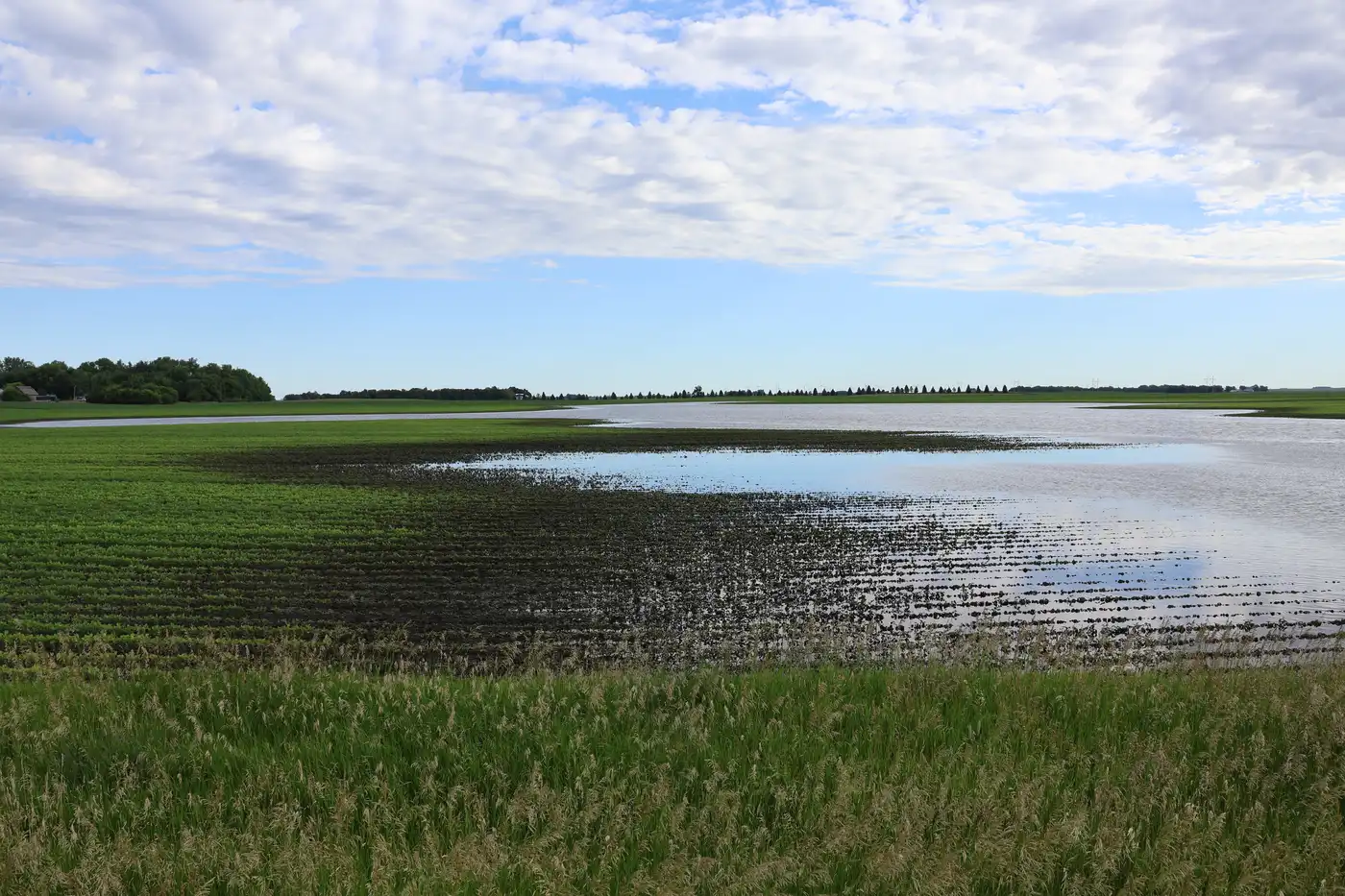
Despite rains the last couple of weeks in parts of the Corn Belt the latest drought monitor shows drought continues to grip a huge part of the Midwest. 64% of corn and 57% of the soybean crop is in D1 to D4 drought, just a slight improvement from week. And that same trend is true in Nebraska where some farmers say the ongoing drought is shaping up to be worse than the one they faced a decade ago.
“There ain’t much for moisture here.” This is the second drought Ryan Ueberrhein has seen in his farming career. The first was in 2012 but he says this year has been tougher with the lack of subsoil moisture this spring. The farmer from Valley, Nebraska says, "This was worse than that year. I mean, when we were planting this year, we struggled just to find moisture."
Bart Ruth farms in central Nebraska, the epicenter of the drought near Rising City. "This year is by far the driest in my career. There's no moisture over winter. No moisture this spring."
In fact, many Nebraskans are facing year number two of drought.
Brian Fuchs is a climatologist, with the National Drought Mitigation Center at the University of Nebraska Lincoln, "Into central Nebraska, most of that part of the state is under severe drought. And the further east you go, basically we're seeing almost all of the Eastern one-third of Nebraska in extreme to exceptional drought, and that have slowly been increasing in spatial coverage over the last couple months."
And the onset came earlier than last year or 2012, so irrigation pivots have been running for several weeks.
Ruth says, "We started mid-May and we're like path number six on quarter ends. So we're expecting twice as much water supply during the growing season this year as the average year.
Recent rains in some areas of Nebraska have improved overall crop conditions but farmers tell me they have already lost the top end yield potential on irrigated acres and the rain came too late for dryland crops, especially corn.
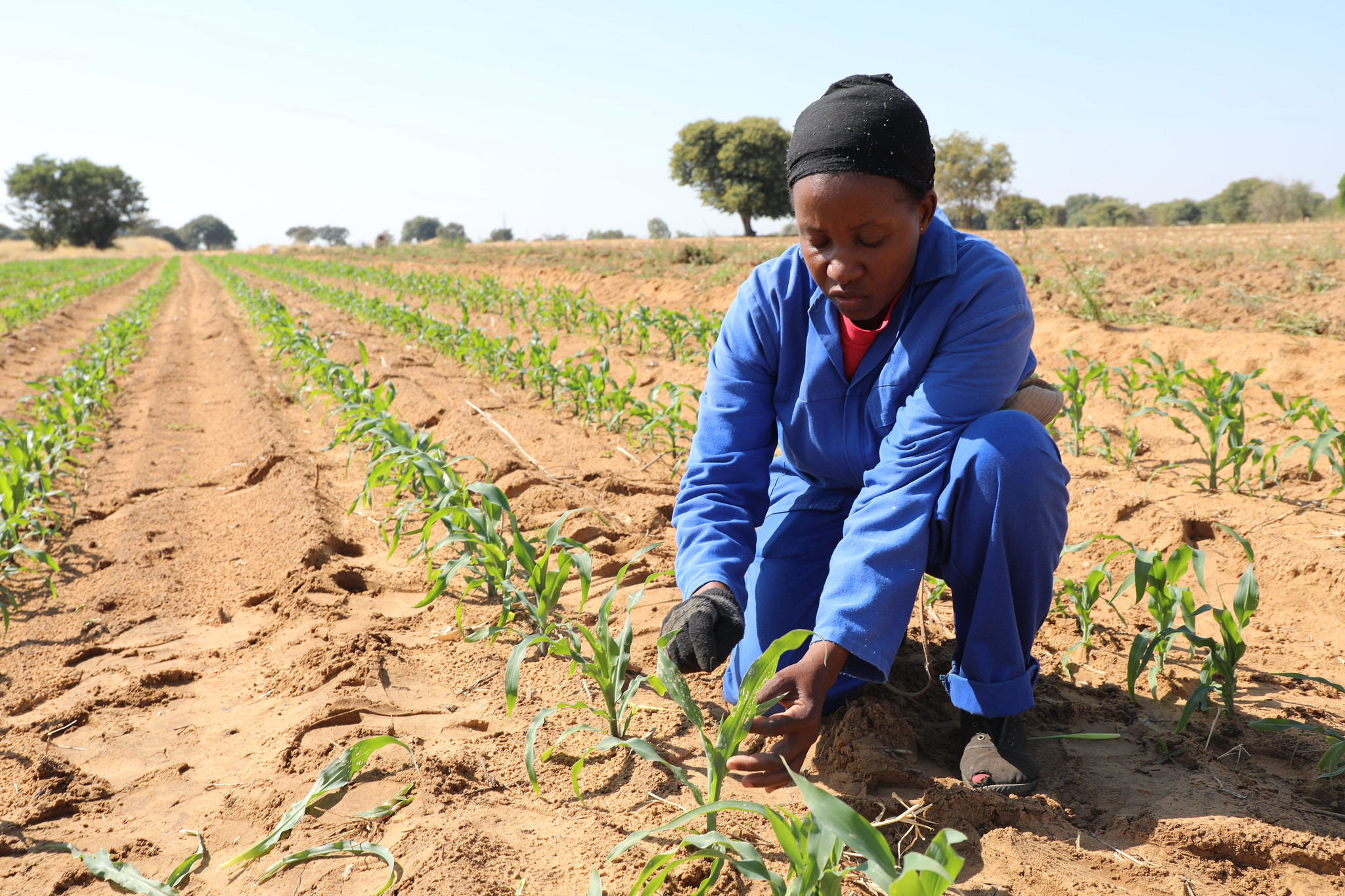
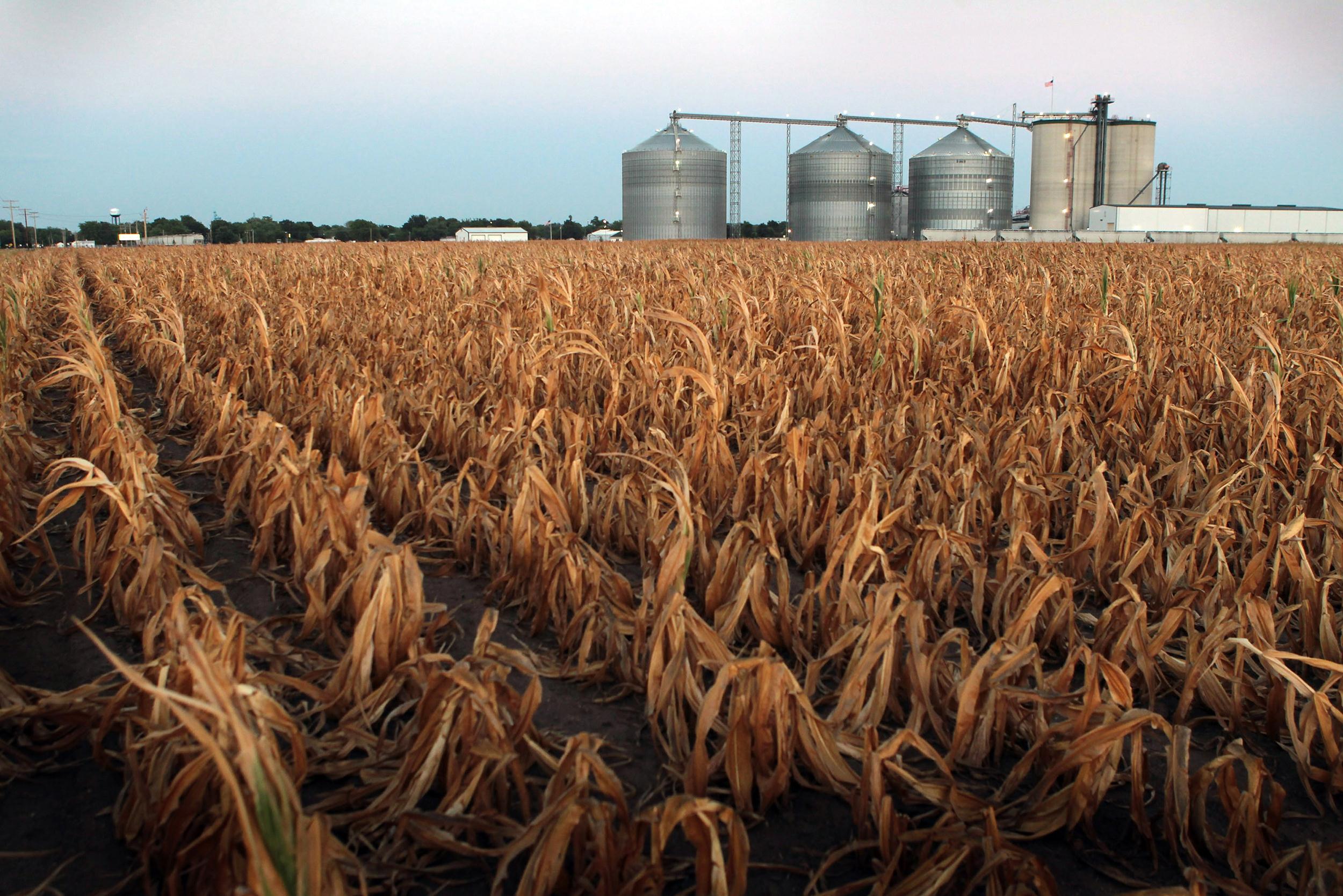
Ueberrhein says the stress is visible, "You get a hot 90-degree day. In the afternoon you look at that corn it's all pineapples up looking, you know not good at all. So, I'm the top end yield is gone for sure. gone there. I would say at least 25%, 30% somewhere in there."
Ruth says, "So I mean, there's plants out there four inches tall, and first of July that won’t amount to anything. So you know we’ll have acres that will be zeroed out. Once a crops dead you can't revive it not matter how much water you put on it."
And the latest drought monitor still shows 86% of corn and 93% of soybeans in Nebraska are in D1 to D4 level drought, so production potential has been compromised.
Fuchs says, "Even with regular rainfall dryland crops you're going to have a have a tough go of it. They started off with very little to no moisture in the soil profile this growing season and that means there's not a lot of moisture for those crops as the season progresses."
The exceptional dryness has also hurt this year’s forage crops and pasture conditions.
Dave Zies, farms and ranches near Valley, NE. "I was hoping for a bale per acre and a half of that we're getting we normally get three and a half or they operate around here. So our our grass you know our hay crops just, you know next to nothing right now. So, we're going to be in a bind here for a feed."
And so he’s been forced to cull even more cattle from his herd. "We cut back from 100 cows down to below 80. And I've gotten rid of another 10 now and now we got to go back through and look again at any cow that looks cross eyed it's out of here."
And Nebraska isn’t alone. Nearly 64% of the Midwest is also in D1 to D4 level drought, up slightly from the previous week. So, the recent rains in those areas have not been drought busting.
Drew Lerner, Ag Meteorologist, with World Weather Inc. says, "I don't think that the rain in some of those areas was greater than usual. So, the bottom line is that we are still looking at an environment here that is not real conducive for serious relief to the drought."
Lerner says there’s already been yield loss and the forecast for the balance of the growing season may not reverse the damage. "We'll have some timely rain, but not necessarily normal rain until rather late in season, which suggests that we may have a problem with getting the largest kernel sizes on these ears. And we may still have a risk of not completely filling some of ears in the dryer bias area."
So, while USDA lowered national corn yield by four bushels per acre in the July report, there may be further cuts ahead.
Source - https://www.agweb.com