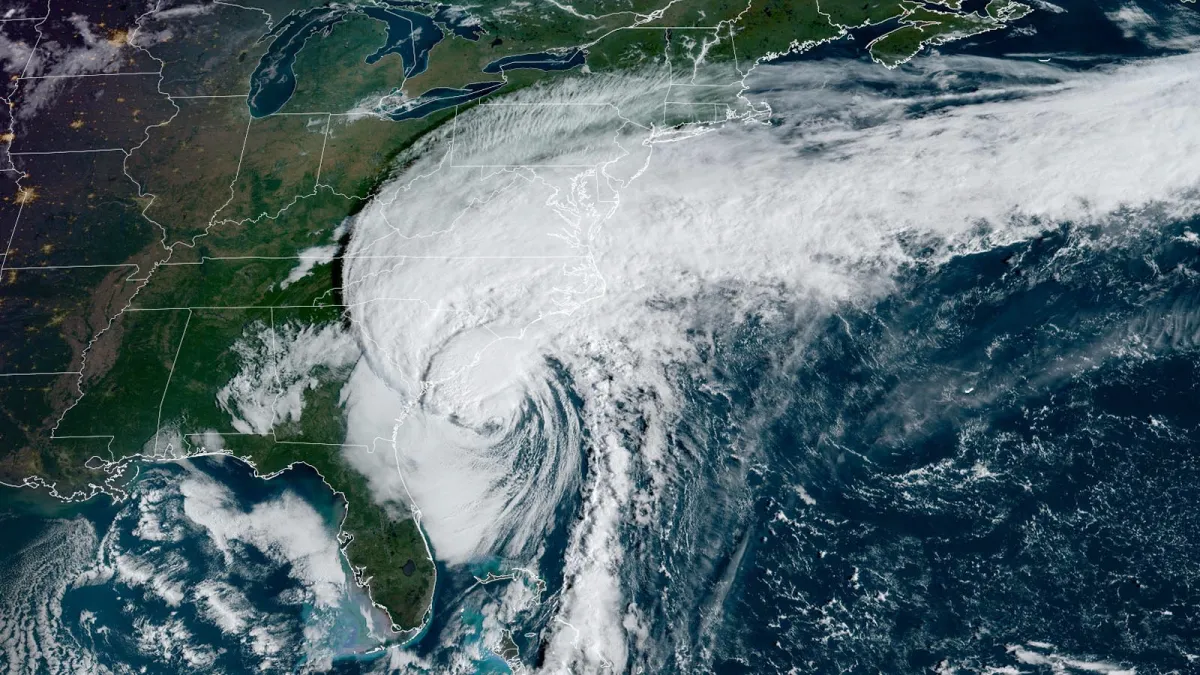
A new University of Florida Institute of Food and Agricultural Sciences (UF/IAFS) report is shedding light on the devastating impact Hurricane Ian had on the state’s agricultural industry.
In its preliminary assessment of agricultural losses, UF/IAFS listed each agricultural commodity segment studied by the storm’s intensity in a given area.
The most affected segment, acreage-wise, is livestock, accounting for approximately 60% of the almost 5 million acres incurring damages, primarily due to flooded pastures. Vegetables and melons lead the way in potential dollars lost, with a high-end estimate of $393,515,827. That’s around 25% of almost $1.6 billion in projected losses.
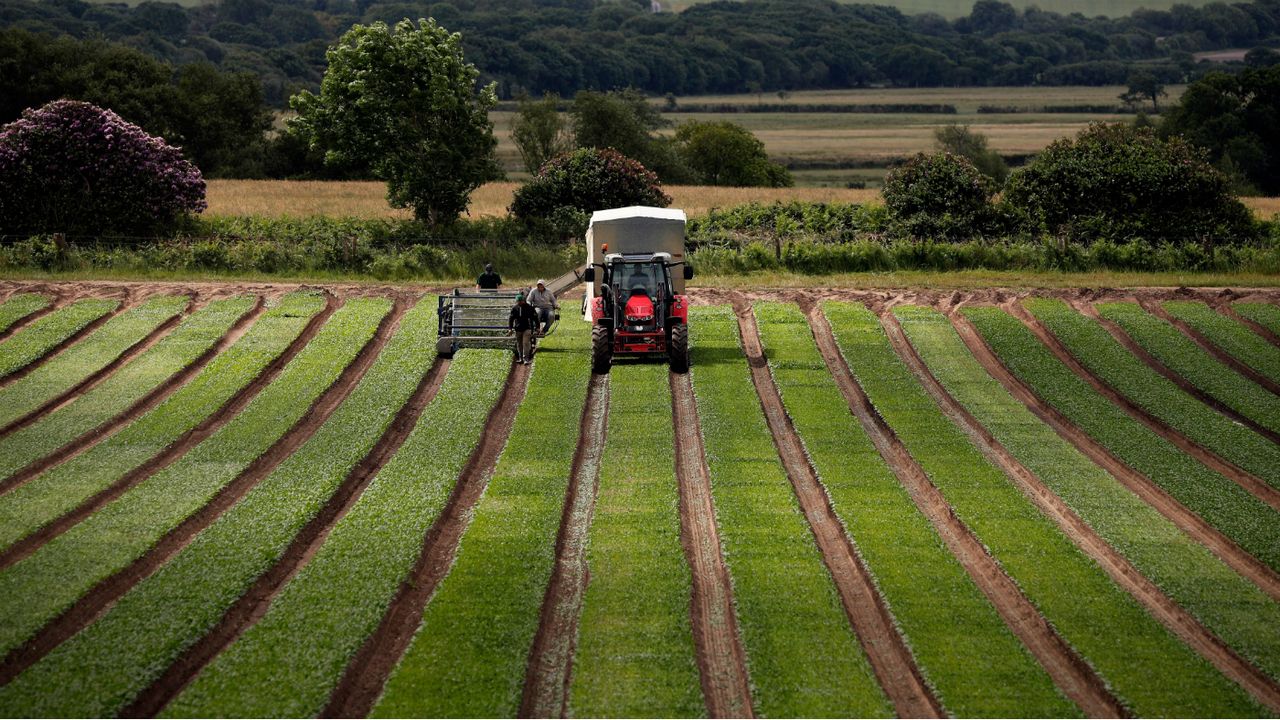
While citrus is the most immediately visible for crop damage, Florida produces almost 50% of the tomatoes harvested in the U.S. between November and June. Bob Spencer of West Coast Tomato, which has farms in the Immokalee area of Collier and eastern Manatee counties, summarized their losses. Surprisingly, the Immokalee farms suffered only slight damage thanks to younger plants than their Manatee farms, where planting took place earlier, and the current loss is almost 50% of the crop. He predicts higher consumer prices on tomatoes through the winter holidays until the younger crops reach harvest maturity.
Citrus damage estimates are in the area of $300 million. These damages to an industry already struggling from diseases like greening and canker will have lasting effects. Dean Mixon of Mixon Fruit Farms in Bradenton estimates immediate losses from the storm at 30-35% of their crop, with another 10-15% dropping in the following weeks. “What we grow doesn’t mature until January, and we’re hoping for no more before then,” he said.
He counts himself lucky. “Growers to the south of us are seeing 50-100% loss of their grapefruit crop. They had standing saltwater on their trees, and there’s no recovering from that,” Mixon said. While farmers can replant vegetables and row crops for harvests later in the season, citrus trees take seven years to reach maturity and commercial viability. The year-over-year price increases for juice, the destination for most oranges grown in Florida, are still to be felt.
Collateral Effects
Beyond the immediate effects of crop and livestock damage, fisheries are also in heavy recovery mode. David Outerbridge, Lee County Extension Director of UF/IAFS, drew attention to the shrimp fleet based out of Ft. Myers and the shellfish and clam producers on Pine Island.
With fish houses suffering heavy damage, Outerbridge explained that even if commercial boats get back on the water soon, there is nowhere for captains to sell whole fish in the area right now. Further effects will go on to charter captains, who will see a sharp drop in bookings for the foreseeable future due to poor water quality and a lack of hotel beds from storm damage.
Outerbridge also said that many agricultural workers “have been dispersed” due to storm damage. This uprooting could lead to a worker shortage, complicating cleanup and replanting efforts. Spencer said his group has reached out to their workers to ensure they have covered basic needs like food, shelter and electricity.
Government response and aid to farmers and fishers
Outerbridge pointed to agencies on the ground in Lee County, like the Federal Emergency Management Agency, the Department of Housing and Urban Development, and the state Fish and Wildlife Conservation Commission (FWC), working in various capacities to alleviate immediate woes for agricultural and fisheries workers.
On the state level, the FWC waived requirements for tags on stone crab traps for the rest of the newly opened season as a vehicle for getting fishers back in the water quickly. Gov. Ron DeSantis activated the Florida Small Business Emergency Bridge Loan Program on Oct. 4, making $50 million available, at least $10 million of which is required to go directly to small businesses that are agricultural producers in affected counties. Loans aren’t particularly desirable when facing heavy losses, but in some cases, they will serve their intended purpose.
Federally, DeSantis requested a federal fisheries disaster declaration on Oct. 15. This declaration would provide access to federal funding, provided it is appropriate, to rebuild affected fisheries.
On Oct. 14, U.S. Rep. Val Demings joined the Florida congressional delegation in signing a letter to U.S. Secretary of Agriculture Tom Vilsack. The letter requested a U.S. Department of Agriculture disaster declaration for the state of Florida, which would unlock federal aid for farmers who experienced crop loss and damage from the hurricane.
In tangible terms, there’s precious little available to farmers and fishers for immediate relief, but the actions of the state and federal governments provide some hope.
“These [government] things move slow,” Spencer said. “We probably won’t see anything with any substance until after the election.”
Source - https://floridapolitics.com