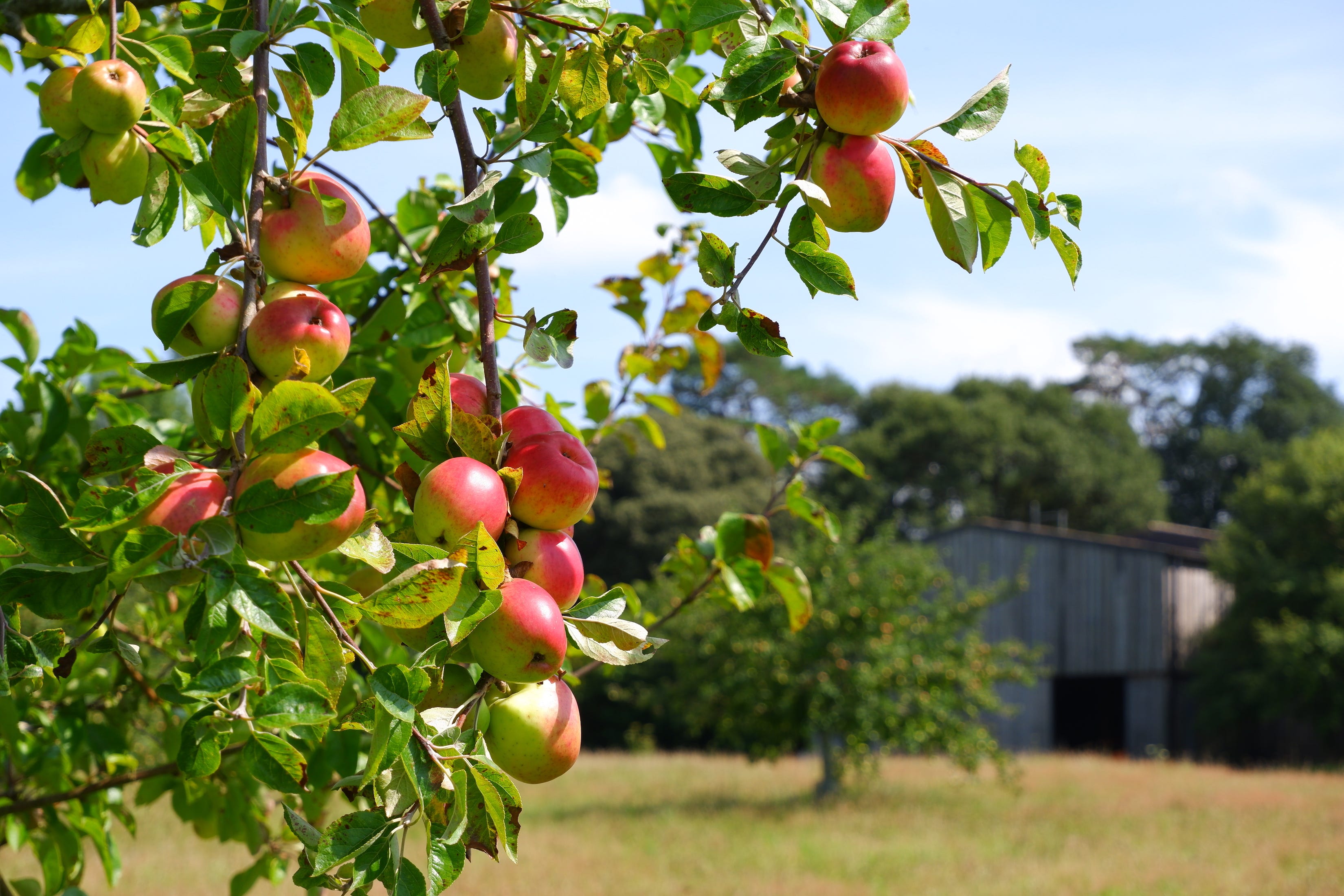
Despite initial predictions of an autumn without apples, Vermont's orchards have made a surprise comeback, a recovery that state agriculture officials say has them "realistically optimistic."
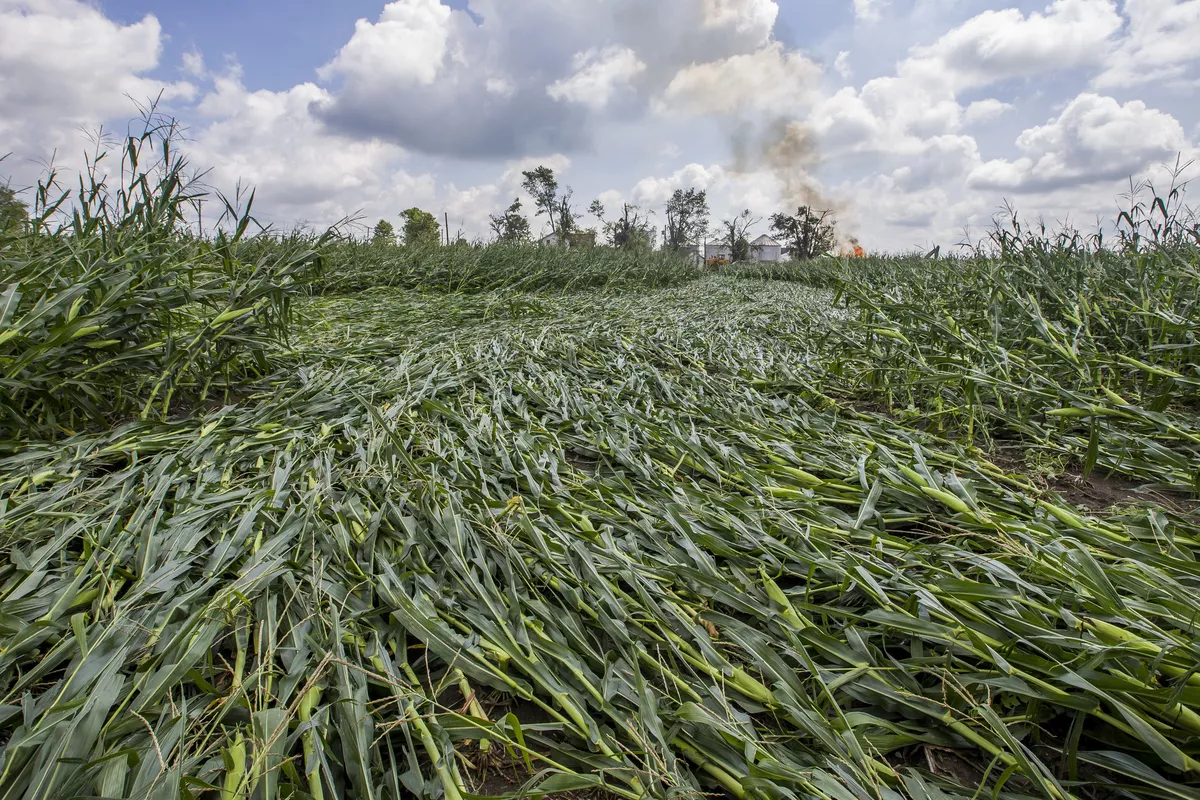
After weathering unusually chilly temperatures (a "freeze" as it's been called) in May and flooding in July, Vermont managed to hold onto roughly 60% of its crop – "enough to open the doors" for most businesses, said Terry Bradshaw from the University of Vermont Extension Crops and Soils Team.
Apple quantity varies among individual farms, however. Some farmers suffered no losses, while many lost between one third and half of their apple crops. An unlucky few businesses salvaged next to none.
Orchards in Champlain Islands fared the best as temperatures never dropped below freezing in May. The most impacted orchards, however, were located in the southern Connecticut River Valley and places of lower elevation throughout Vermont.
Still, Bradshaw said overall Vermont orchards showed more resiliency than anticipated, with some parts of Vermont still producing fruit despite reaching temperatures in the mid-20s. Additionally, the July flooding spared most managed orchards, which are typically located on hills and outside of flood zones.
Farms struggling to scrap together a harvest have received support from less-impacted peers. For example, Allenholm Farms is one farm doing its part by wholesaling apples to needy businesses − an exchange that occurs between farms most years but not to this extent. Located in South Hero on the Champlain Islands, Allenholm Farms' apple blossoms sustained little if any frost damage due to their elevation, their proximity to Lake Champlain and the amount of air flow in the area.
"We're doing everything we can to continue business and help neighboring orchards," said Allenholm Farms spokesperson Samantha Chagnon, whose family has operated the business, which boasts Vermont's oldest commercial apple orchard, for six generations. She added that the requests for apples from other businesses have come in droves this year.
Many farms have also survived the year by diversifying their markets, such as offering different seasonal produce or activities like a corn maze.
"People are there for the experience, not just the apples," Bradshaw said. "They're still bringing folks to the farm for other reasons."
He added that many orchards have some semblance of crop insurance − but whether it covers the entire cost is another story. Farmers also have just over seven more months to apply for Farm Service Agency (FSA) emergency loans.
"By and large, farms are making it work," Bradshaw said. "No orchards were so impacted that they are closing their doors. I'm pretty confident that we're going to make it."
He emphasized that people should continue their tradition of making pilgrimages to farms in the fall and purchasing produce.
"Fruit is out there and farmers are out there that want to be visited," Bradshaw said. "The season might look a little different."
For one thing, some businesses may have different hours or be selling different items than in previous years.
"Farms are still there and worth visiting," Bradshaw said. "But you should check to see what they've got before you drive two hours to the countryside."
What's the damage?
While apple season in Vermont is no longer canceled (in the figurative sense), many farmers are still experiencing a significant blow to their pocketbooks this year.
Vermont's apple industry, worth approximately $20 million, has already suffered millions of dollars in lost revenue, with the total financial impact yet to be seen, Bradshaw said.
"Industry-wide, business owners are going to have to tighten their belts and hope for better weather," he added.
And Vermont apple farmers are not in the clear yet. Winter is coming, and orchards are weaker from consecutive severe weather events.
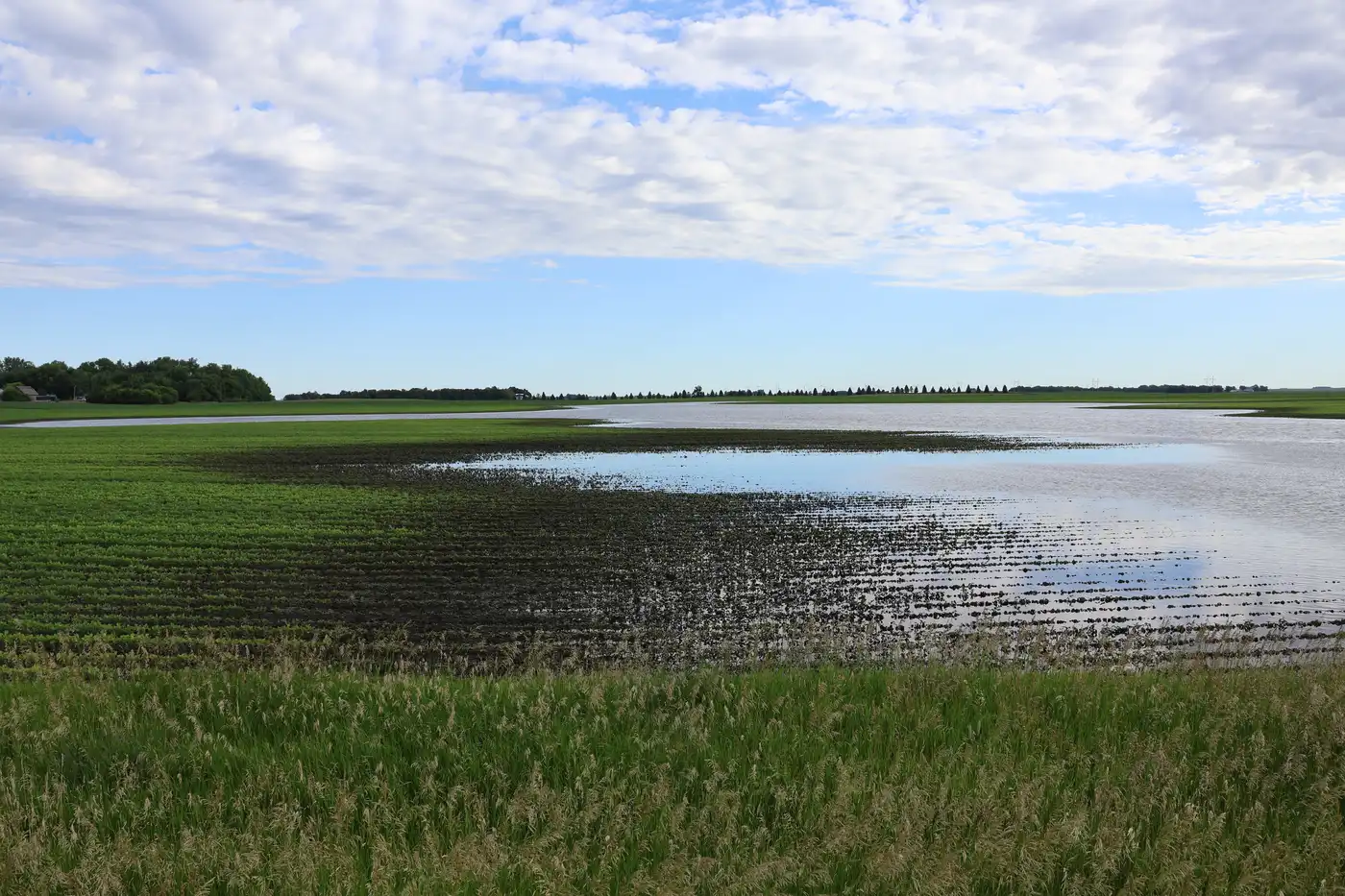
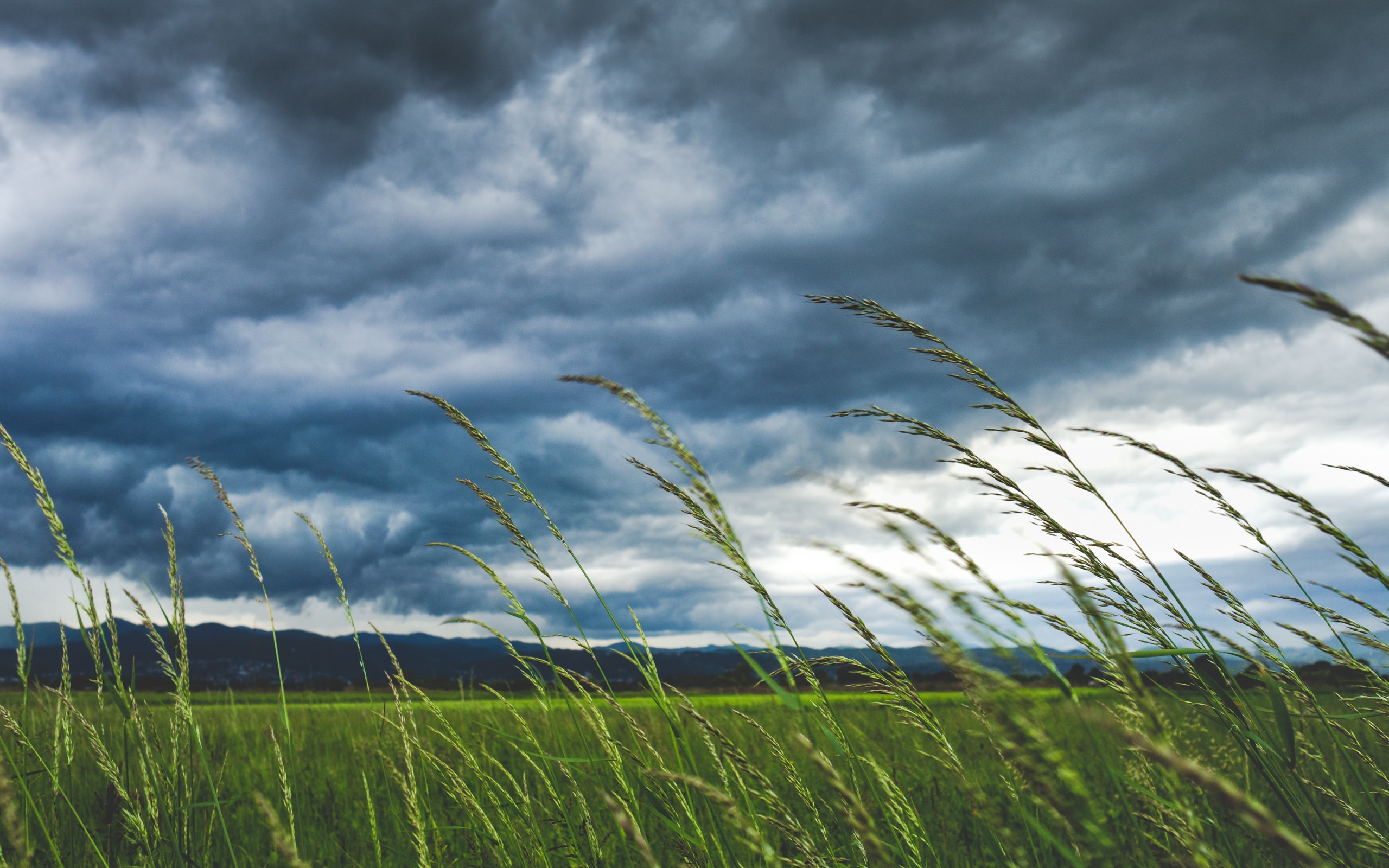
For instance, apple trees may have escaped the worst of the floods, but farmers have also had to contend with excess rainfall this year, which can damage soil and lead to the development of fungal diseases in trees, such as black rot and apple scab.
"The bigger issue is it hasn't stopped raining," Bradshaw said, describing the non-stop precipitation and resulting mitigation efforts as "demoralizing and maddening" for farmers who were already overworked and "cash-strapped" thanks to the May freeze.
Even mostly unimpacted farms like Allen's are having to monitor their trees more closely and adjust mowing and picking schedules because of the overabundance of rainfall.
Due to the compounding weather events, Vermont may lose some of its apple trees.
"It's potentially setting up trees for a challenging winter," Bradshaw said. "Are their defenses going to be stronger? Probably not as much as a typical year. How cold is it going to get?"
Source - https://www.burlingtonfreepress.com