April 12 through April 14 is usually when our last freeze takes place in the Ozarks before we head into the warmer spring and summer months. That range of time helps homeowners plant a number of their plants, flowers, and even crops for their gardens.
Since freeze watches are out for parts of the Ozarks for Saturday night and Sunday morning, the temperatures are also something that Andrei Gradinariu, farm manager at Gardener’s Orchard & Bakery, is also keeping an eye on.
“Every farmer every spring pays attention to the forecast,” Gradinariu says. “We only have one chance a year to put our crop on the trees. It’s springtime. We got to pay close attention to the weather. With our blooms in a vulnerable state of being frosted out, we’re really keeping an eye on temperatures.”
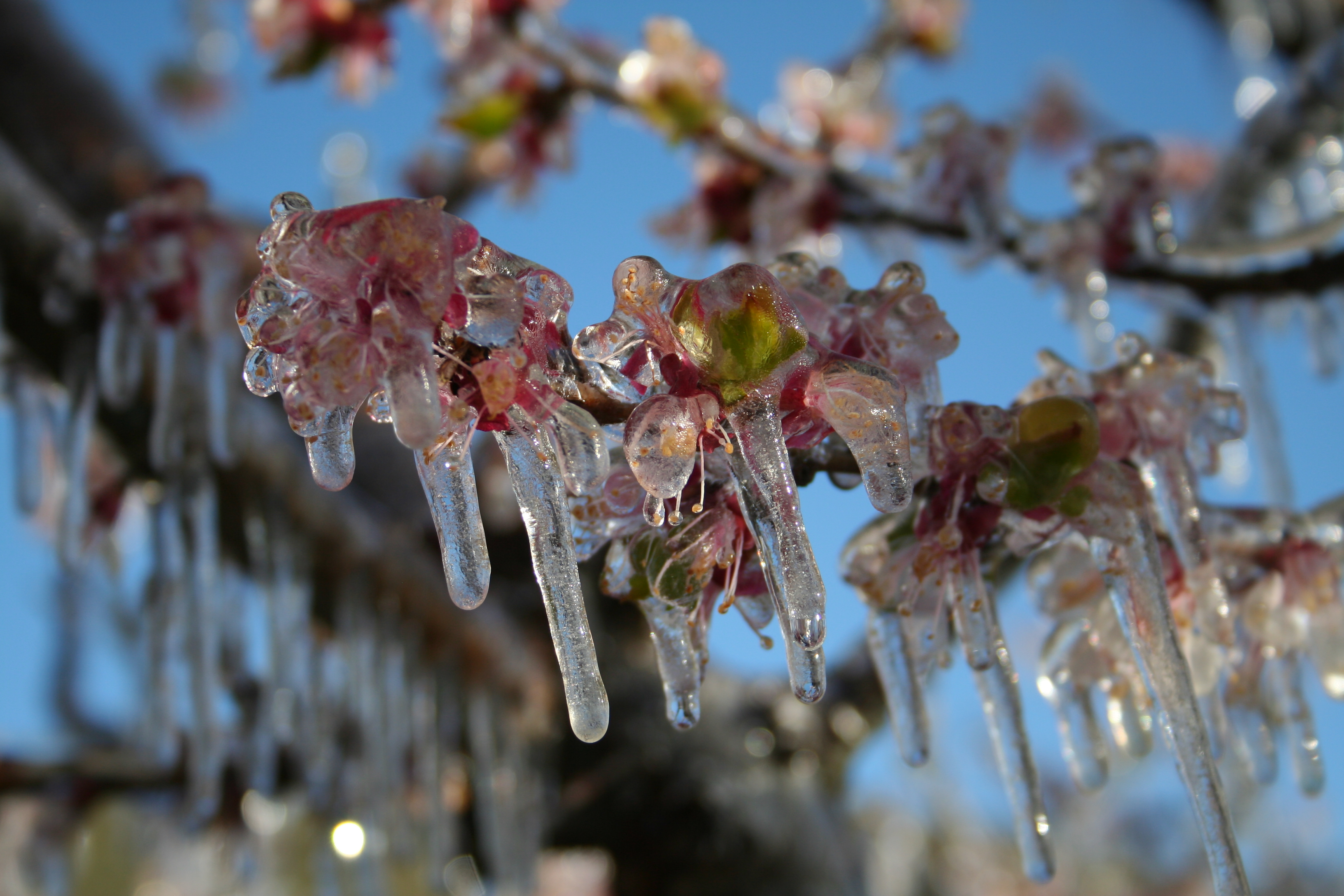
Regarding the crops at risk at the orchard, Gradinariu singled out the 6,000 apple trees and over 47,000 strawberries in bloom. While both are susceptible to frost or freeze damage, Gradinariu says the different plants can only tolerate temperatures up to a certain point.
“If it does drop to 30°, a strawberry bloom will die,” Gradinariu said. “An apple tree in bloom can start to show damage at 28°. When you hit 27°, we could see a 50% crop loss. At 26°, we would only have 10% of our crop left.”
To combat the cold temperatures and any potential damage, the orchard employs a variety of tactics for the variety of crops they have. For the strawberries, Gradinariu keeps it simple by covering them up.
“For the strawberries, we’ll use a floating row covering,” Gradinariu says. “The material blocks the warm air underground. The ground will act like a battery by holding the energy and the temperature in place and prevents it from escaping into the atmosphere. Our cover is a light fabric material and not plastic.”
For the apple trees, the orchard actually uses a tactic that involves burning straw and hay. The readily available materials will be burned to create heat in the atmosphere to warm up the orchards or pockets where the apple trees are. The burning is controlled to build heat at the surface, with fans used to blow only the warmed air across the orchard to keep the crops as warm as possible.
For homeowners, Gradinariu keeps the advice pretty straightforward as well. Homeowners that can either bring the plants or vegetation inside should do so Saturday evening. If not, covering the plants with a tarp or covering that isn’t plastic will also do the trick. Gradinariu also has another ingenious tip to help plants that can’t be brought in.
“You can get a few or a bunch of gallon jugs and leave them in the heat or in the sun for a couple of days,” Gradinariu explains. “If not, just fill them up with warm water to keep it above freezing. Place those next to your tomato plants. The heat from the water will radiate out and toward your plants to keep the plants a couple of degrees above freezing.”
While the tips can help protect damage to plants and vegetation from homeowners, farmers, and area orchards have their tools ready to fend off, hopefully, the last freeze until next fall or winter.
Source - https://www.ky3.com