Emergency managers in Polk County are talking and getting ready for what may be ahead when it comes to this week’s weather. On Monday afternoon, dark, low clouds and isolated storms rolled through with moderate rains but nothing severe. But weather conditions are ripe for activity with high humidity and stagnant air.
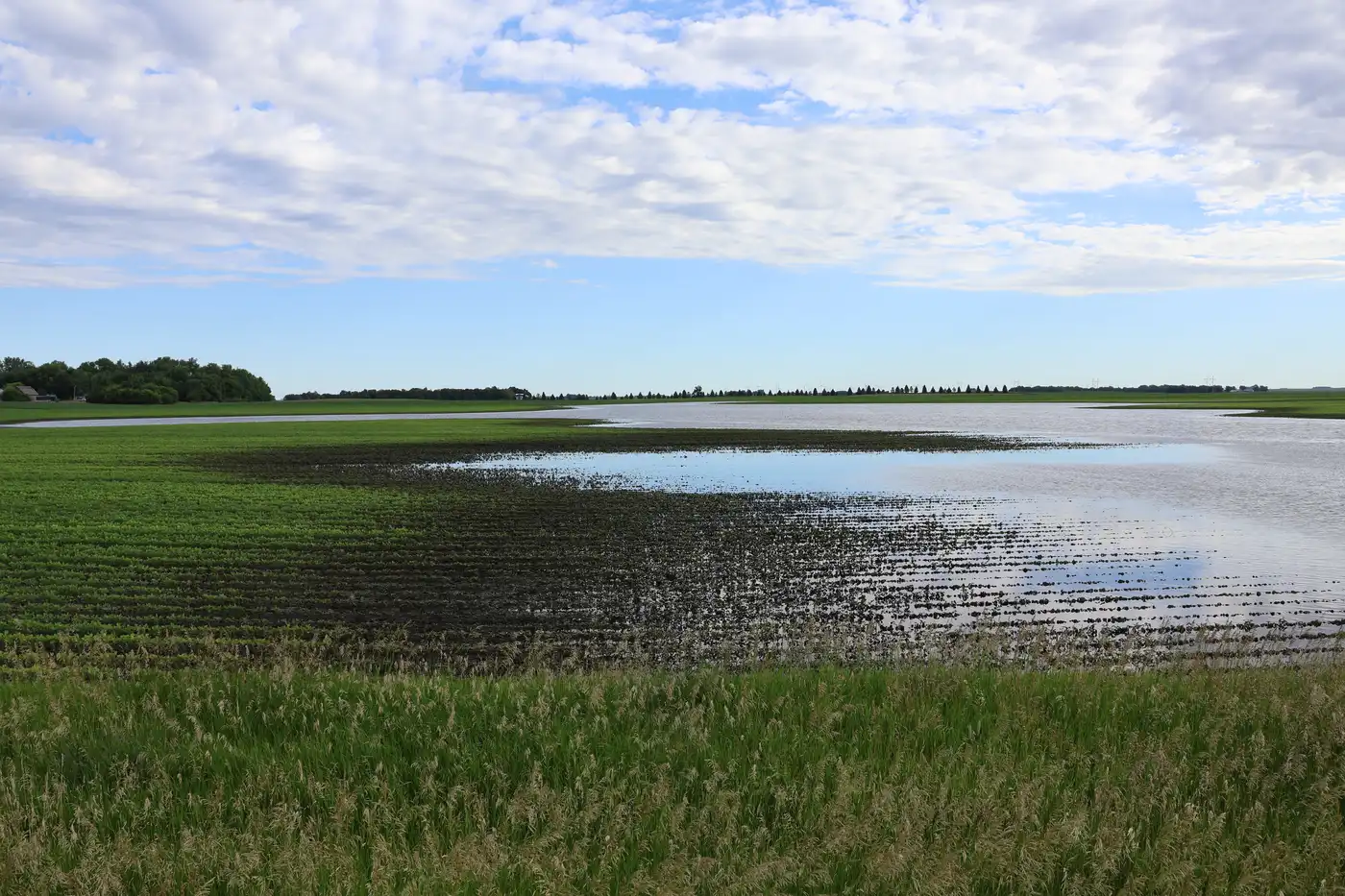
“We’ve got areas that’ll flood at 3 inches, and some it takes a lot more,” Polk County Emergency Manager Bobby Arledge said, pointing to one area in particular where flooding concerns are always top of mind. “Pacolet Valley, where we had the mudslides in 2018. The Pacolet River runs down through there.”
But flooding isn't the only concern. Local crops from hay to cucumbers and tomatoes could also get hit.
“They’re thriving as we get a lot of rain that could change,” said Scott Welborn, director of N.C. State’s Co-Op Extension Office in Polk County.
He said heirloom tomato plants can suffer from too much rain.
Some tomato plants already have yellow leaves at the base of the stalks, and, if they get any more rain, they could get Southern wild and or blight from bacteria growth.
"It can happen overnight, pretty much, and there’s no cure for it unless we fumigate for it prior to planting, and that doesn’t always happen," Welborn said.
But some Polk County tomato fields use plasticulture to protect plants from the rain and dirt that bounces up and onto leaves during downpours.
Welborn said the material keeps fungal pathogens from moving from leaves onto the tomatoes at the top of stalks.
He said melons could also rot if they get too much rain.
And hay fields with round bales will fare better in the rain than the more common square bales, Welborn said.
“As it tries to redry, it will grow mold, and, if you have mold, it’s going to be a major problem for your horses," he said.
Weather across the mountains was mostly quiet Monday, but there are four more days ahead for Weather Warn action.
Source - https://wlos.com