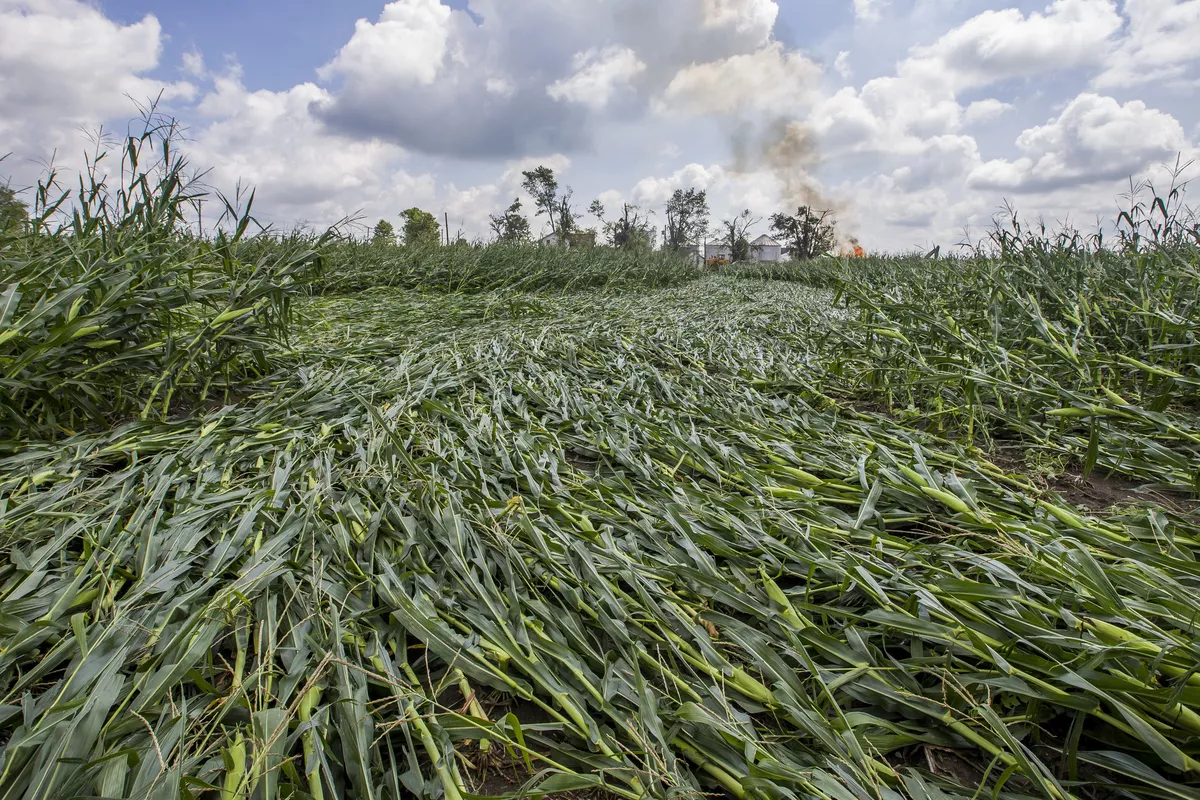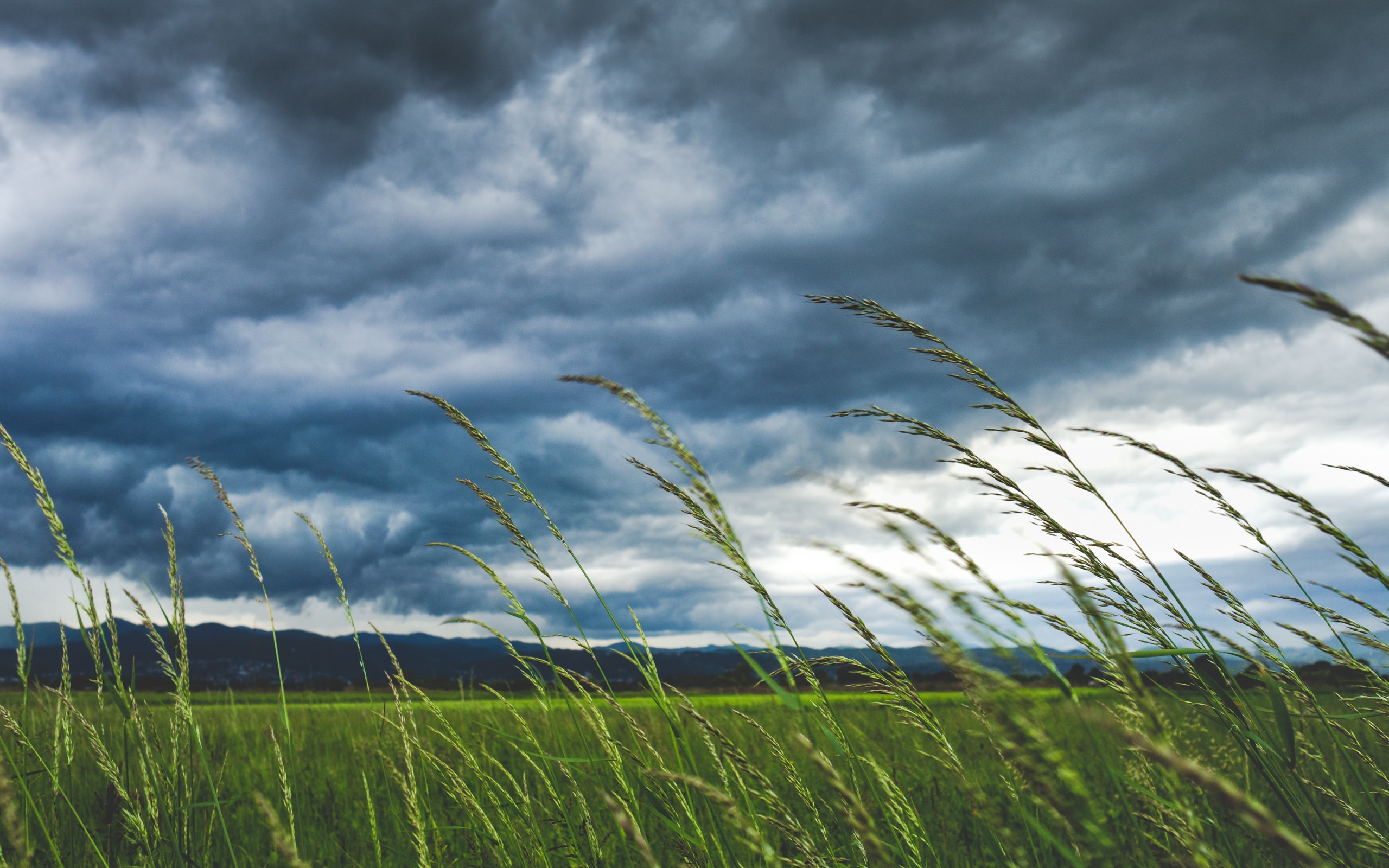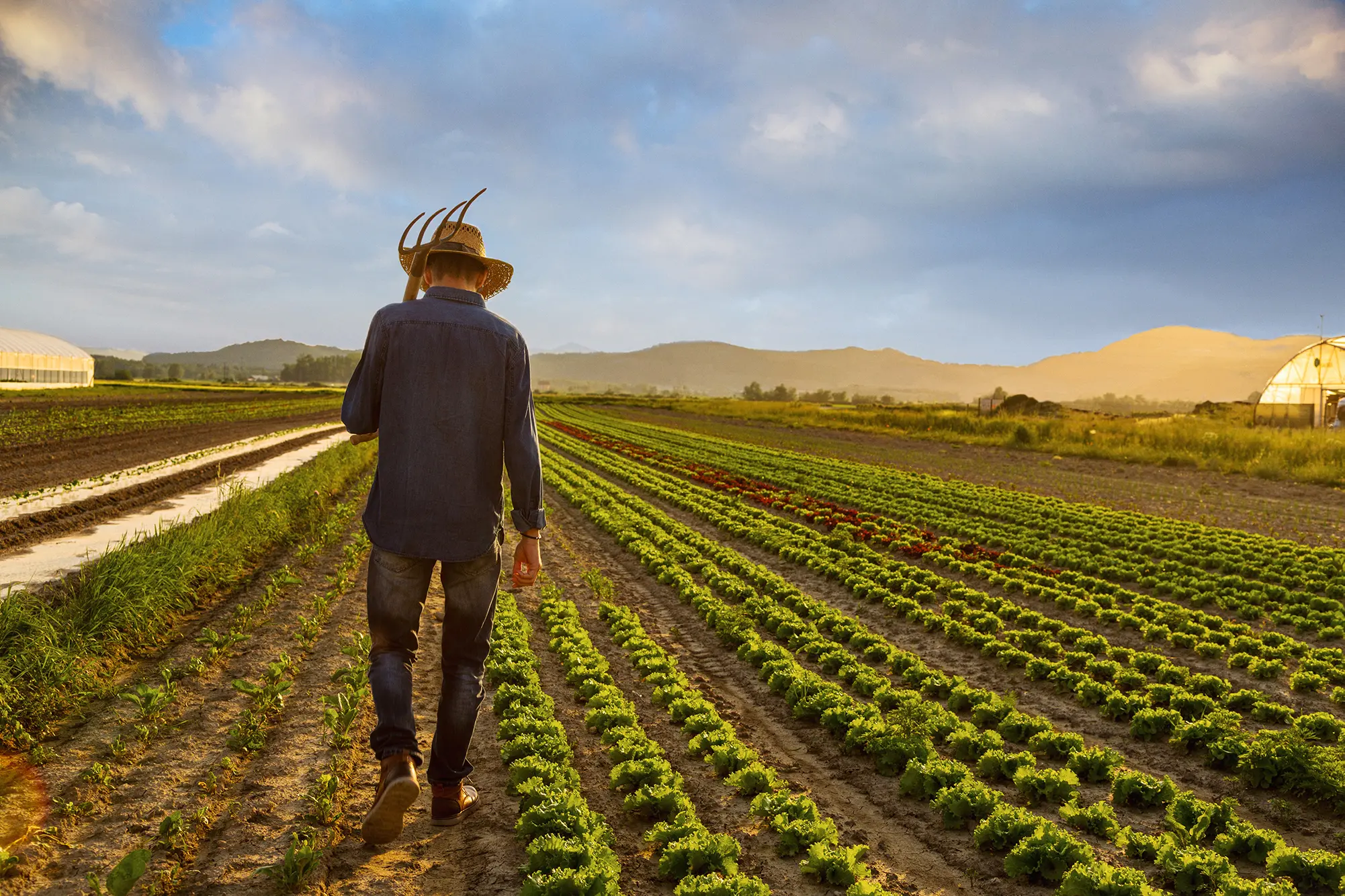
Expect to see a range of conditions, even within the same field.
That was one of the key messages from Hard Winter Wheat Tour officials May 15 during the 2023 tour’s initial meeting in Manhattan.
Why such variability? Weather.
The overriding area of concern is drought stress on the hard red winter crop growing in southwestern Kansas and adjacent areas of Colorado and Oklahoma. A large portion of Kansas, especially the western third, was in drought conditions in late September when much of the crop was seeded.
“We went into the growing season with very little water in the soil, which is very important to the Kansas crop,” said Romulo Lollato, PhD, an associate professor of agronomy at Kansas State University and a K-State Extension Wheat and Forage specialist. “In a dry season, the crop relies a lot on the water stored in the soil. But this year we started with much of the area in exceptional drought.”
Dr. Lollato showed slide after slide noting the enduring drought conditions from October, when the rest of the crop was planted, through winter when the crop was in dormancy. During the latter period, the crop suffered several more indignities, including a suspected bout of winterkill in mid-winter, freeze damage during a night when temperatures dipped to 24°F in late April and to 32°F in early May. Hail damage had been observed in select areas, he said.
As a result, tour scouts were told to expect some signifiers of the stress the crop has endured over the past seven months, including rolled-up leaves, blue discoloration, limited heads, and yellow coloring on the lower canopy of the wheat plants. Damaged awns and twisted heads would signify freeze damage, Dr. Lollato said.
There were bright spots in the crop, he said. Specifically, the fungal diseases, such as rust, have put only minimal pressure on wheat this year, although scouts could come across trace levels of stripe rust. And instances of wheat viruses, such as wheat streak mosaic and barley yellow dwarf virus, have been minimal.
Since the heaviest drought stress was suspected to be in the westernmost cropping districts, tour scouts were likely to see some wheat fields in decent condition on Day 1, when vehicles of four scouts apiece were expected to depart Manhattan at dawn, following one of six color-coded routes westbound toward Colby, Kan.
Aaron Harries, vice president of research and operations with Kansas Wheat, is a tour leader and emcee of the nightly meeting in which scouts share their findings. Mr. Harries went over the rules of the tour — visit only unfenced fields and those without posted no trespassing signs — and recommendations for sunscreen usage, lightning avoidance and chipping in for fuel costs along the routes. He also debuted a tour first: A digital version of the traditional formula for calculating bus per acre during field stops. Tour leaders recommended calculating yields using the traditional hand calculations and checking them against the formula. Also, scouts were told to expect to see plenty of fields that already had been terminated, and to avoid measuring or even entering them.
“Some fields have been sprayed with glyphosate to terminate the crop, so if you see fresh tire tracks or smell something, it’s best to stay out of those fields,” Mr. Harries said.
Scouts hailing from all along the wheat value chain, along with professionals from government, academia and media sectors comprised a record-breaking number of registrations on this year’s tour, said organizer Dave Green, executive vice president of the Wheat Quality Council.
“We have a record attendance by a large margin, we have 106 people, that is around 15 more people than have ever toured before,” Mr. Green said. “It’s kind of unusual to have that many, but the interest is in the weather and potential crop failure and a lot of people want to see what this crop actually looks like. But we’ve had bad crops and great crops before, and attendance doesn’t usually seem to correlate with either one, but this year it does.”
Two people from Bogota, Colombia, traveled the furthest distance to the Sunflower State for the tour. Scouts were likely to encounter dry conditions Tuesday enroute to Colby and Wednesday enroute to Wichita before encountering potential rain Thursday as the tour circles back to Manhattan.
Source - https://www.bakingbusiness.com