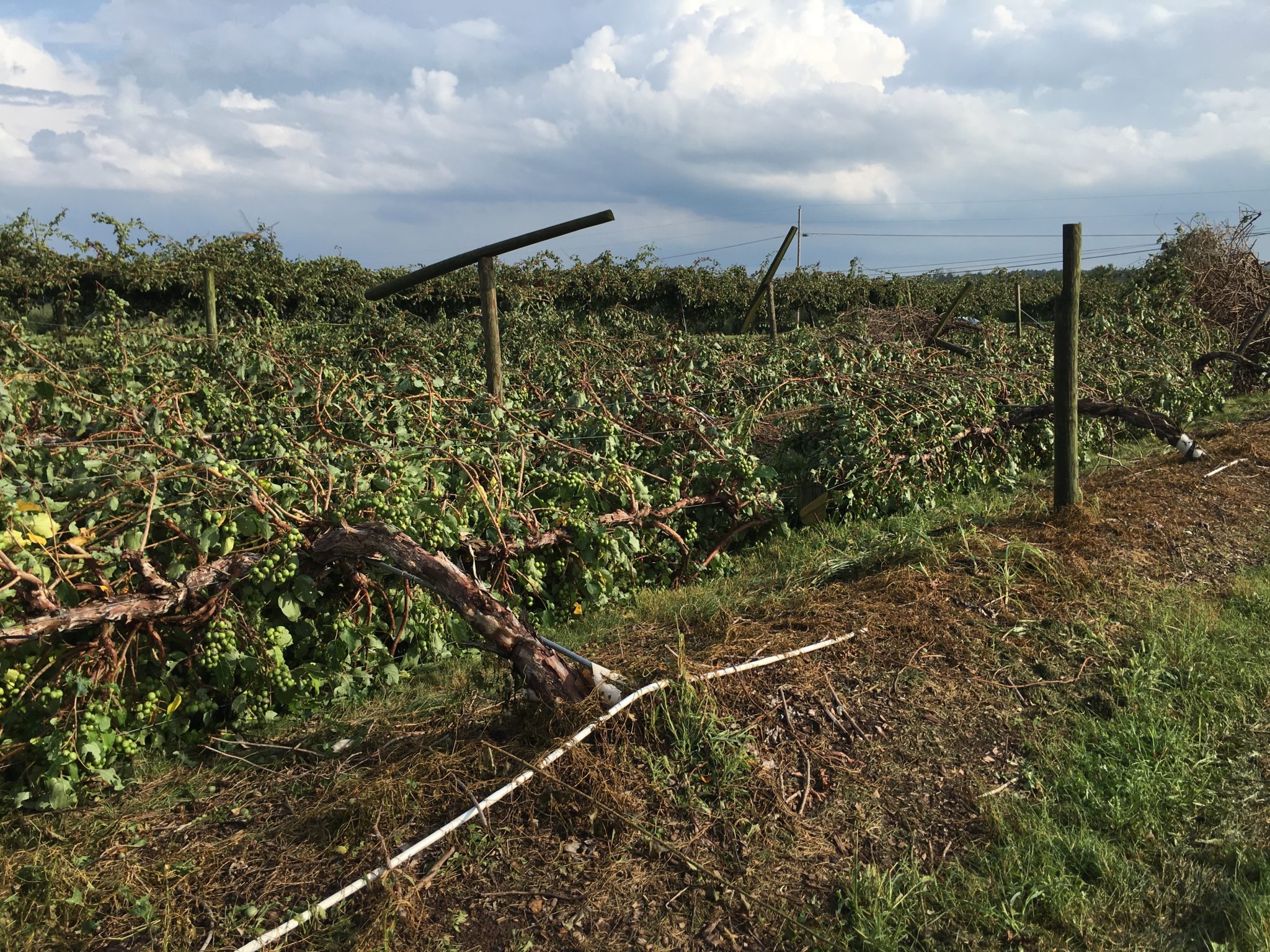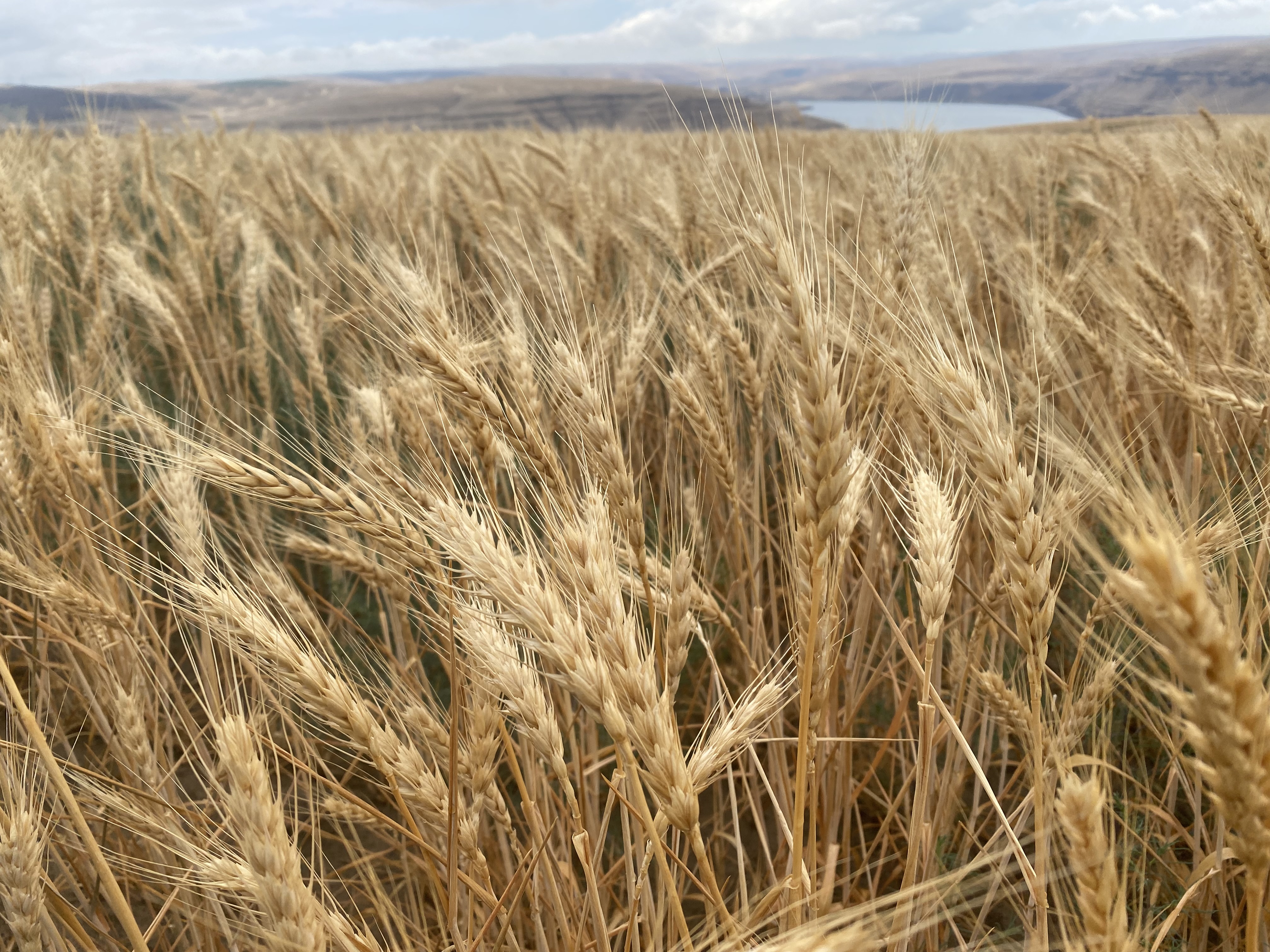
Drought and late-emerging winter wheat dealt a mighty blow to growers in Kansas and other parts of the Midwest during the 2022-2023 growing season.
But now, a group of Kansas State University researchers and several colleagues are punching back, releasing a set of findings that just may hold some clues on how to help farmers bring in a good crop even in dry years.
“What we’ve learned,” said Xiaomao Lin, a K-State agronomy professor and Kansas state climatologist, “is that pre-seasonal drought is a hidden driver to crop failure, especially when spring precipitation is not as much as expected.”
Lin called the precipitation deficits during the 2022-2023 fall season “unprecedented” across the major wheat-producing regions of the United States. In a journal article that appears in the July 31 issue of Science Advances – a publication of the American Association for the Advancement of Science – researchers report a 37% reduction in wheat production due to yield loss per harvested acre and severe crop abandonment.
According to the journal article, 2,350,000 acres were abandoned during the 2022-2023 growing season. At an average price of $6 per bushel, and an expected yield of 45 bushels per acre, those losses amount to more than $634 million.
“Our findings that recent production losses are reminiscent of the Dust Bowl era of the 1930s highlights the severity of the possible climate conditions we now face, and their potential to cause significant agricultural disruptions,” said Lina Zhang, the study’s lead author.
She adds: “It highlights the need for action to adapt agricultural practices in preparation for these droughts to mitigate the effects of climate variability,” including loss of income to farmers and communities, and food security for all consumers.
Other researchers participating in this study include K-State faculty members Mary Beth Kirkham, Romulo Lollato, Thomas Avenson, and Vashali Sharda; K-State graduate students Haidong Zhao and Nenghan Wan; USDA scientists Guihua Bai, Amanda Ashworth and Prasanna H. Gowda; and Texas state climatologist and Texas A&M Regents Professor John Nielsen-Gammon.
“Our study underscores the necessity of simultaneously addressing crop abandonment and yield decline to stabilize wheat production amid extreme climatic conditions,” said Kirkham, a University Distinguished Professor in agronomy at K-State. “This will require using drought-resistant cultivars, improving water management and conservation techniques, and adjusting planting schedules to reduce vulnerability to drought.”
“In addition,” she said, “robust insurance and support systems are needed for farmers to manage risks.”
Lin noted that seasonal forecasts of drought may aid farmers’ decisions about and management of their wheat crop. Tropical Pacific conditions during La Niña weather patterns – which occur every three to five years – make fall drought and subsequent production losses more likely.
“The current high predictability of large amplitude La Niña events will be a helpful tool in predicting these events,” he said.
Source - https://agupdate.com