Nat Bradford of Bradford Family Farm in Sumter had an unfortunate announcement to make.
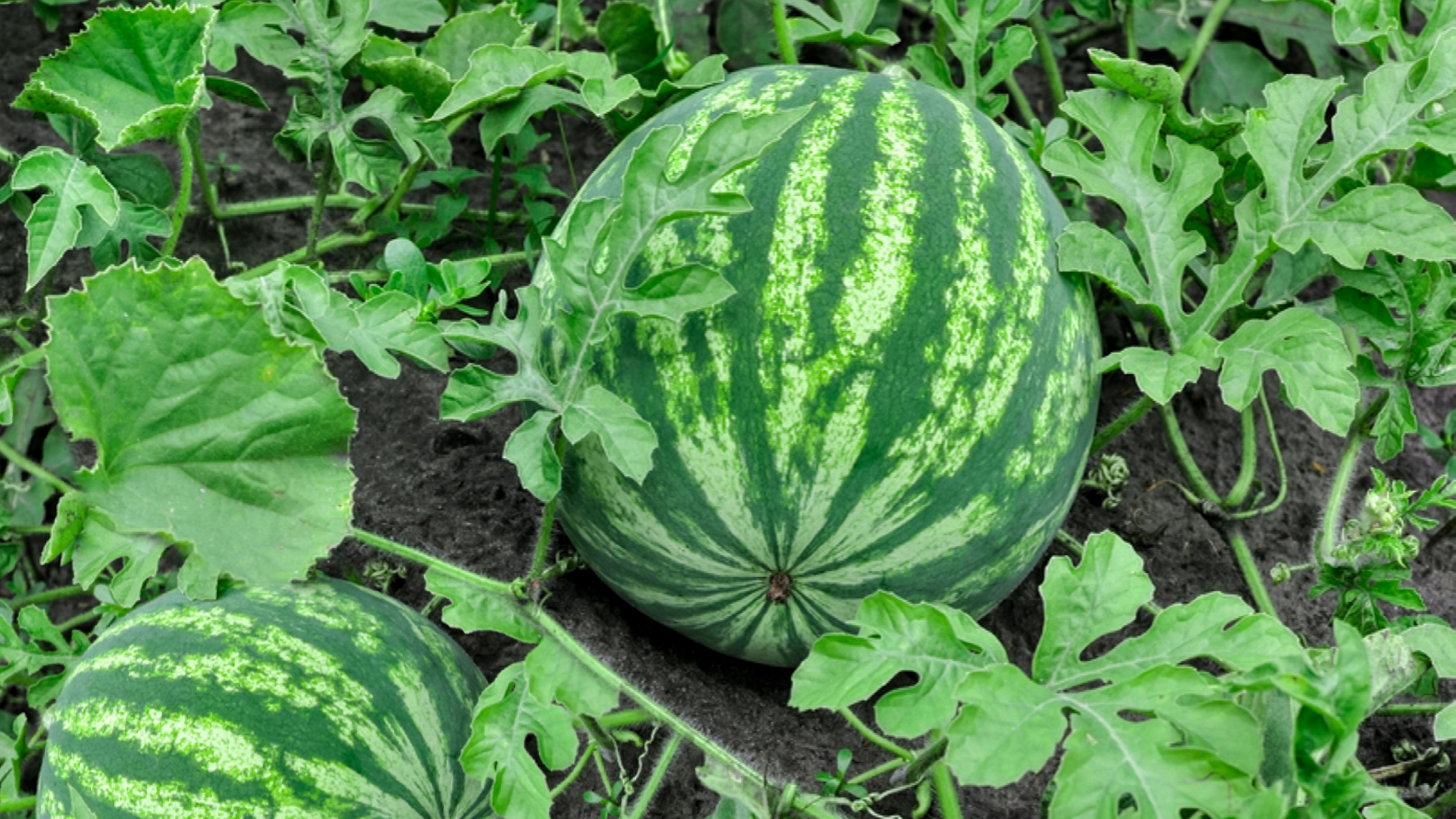
Bradford’s watermelon crop failed to produce for the first time since he rediscovered his family’s heirloom variety that dates to the 1850s — news he delivered to customers who pre-ordered 350 to 400 watermelons.
He also needed to inform the chefs, brewers and distillers who purchase another 1,500 each harvest that they would be without the famous Bradford watermelon this year.
Bradford, who attributed the crop’s problems to two weeks of heavy rainfall earlier in the summer, isn’t the only South Carolina farmer dealing with crop loss. Peach and blueberry farmers have also been impacted by abnormal weather this harvesting season.
Spring freeze
In mid-March, temperatures tumbled to as low as 19 degrees in parts of the state, according to Clemson University Extension. More unseasonably cold days in May took their toll on crops in ways that would not be fully realized for months.
Farmers are now feeling the effects.
Low temperatures coupled with a subsequent June drought ultimately knocked out most of the blueberry crops at Champney’s Blueberry Farm in Ravenel.
Emery Tumbleston, who runs the 18-year-old, 10-acre farm with her parents, said Champney’s lost about 85 percent of its three types of blueberries following the freeze and another 5 to 10 percent after the drought.
“Compounded to that (freeze) was the lack of rain, so we just got it from two sides this year,” Tumbleston said. “It was taking me over an hour to pick a bucket, which is unheard of.”
Champney’s drip irrigation system can only produce a small percentage of the water that would arrive during a steady rainfall, leading the family to close the farm for the season on June 29.
It was only open for four days out of the four- to six-week blueberry season.
South Carolinians have likely started to notice a dwindling peach population across the state as that season nears its end. This can be attributed to the spring freeze that tore through Tumbleston’s blueberries.
Larry Cook of Cooks Farm, a 75-acre farm in Trenton, estimates a loss of 30 to 40 percent of his peach harvest. Chilly temperatures and the heavy mid-summer rainfall that impacted Bradford’s watermelons meant Cook’s peaches were fighting off disease throughout the season, leading to the loss.
Jed Watson of Watsonia Farms in Monetta, one of the largest certified organic peach farms in the state, had his production cut by 70 to 75 percent.
“What affected the peach crop this year was the cold weather,” Watson said. “We had very few peaches in the months of May and June.”
For Elliot Shuler of Shuler Peach Co. in Ridgeville, the damage was much worse.
Shuler, whose father and grandfather first started growing peaches in 1954, estimates he lost 70 percent of his 2022 peach harvest.
Recalling a spring evening that got down to 23 degrees, Shuler said he knew some of the peaches would not make it shortly after the freeze. Upon further inspection later in the season, more peaches that appeared to have a pristine exterior were less desirable inside.
“A lot of people that bought peaches probably noticed a shattered pit,” he said. “That’s cold damage that came from that freeze.”
A significant loss of crops can devastate farmers, especially if they rely on a singular crop to make ends meet.
Shuler also grows strawberries — protected from the freeze by row covers — while Bradford diversifies with okra, collard greens, Candy Roaster squash and Dutch Fork pumpkins.
He planted more squash and pumpkin crops this year, which he said should mitigate some of the loss from the watermelons.
Absence of a SC treasure
Known for its intense sweetness and tender rind, the Bradford watermelon became a statewide treasure after national news outlets caught wind of its origin story.
In the 1840s, Nathaniel Bradford — Nat’s great-great-great-grandfather — crossed two types of watermelon seeds to produce his namesake melon. The Bradford watermelon quickly acquired a reputation as the South’s greatest watermelon, but it disappeared from the market because its thin skin wasn’t suitable for long-distance shipping.
The Bradford watermelon was last planted commercially in 1922.
Until Nat Bradford came along.
In 1997, Bradford found a reference to the splendor of Bradford watermelons — which his family never stopped planting — in an 1850s horticulture guide. In 2012, food historian David Shields confirmed that those Bradfords were the same as his family’s Bradfords.
Two years later, Bradford decided to bring his harvest to market, which he has successfully done since.
This rich history means the absence of Bradford’s watermelons cuts a little deeper for him and the customers who plan trips around picking up their watermelons at the farm.
“I lose sleep over whether we’re not going to have enough melons every year; that they’re all going to be what people expect them to be,” Bradford said. “The watermelons, it’s what’s put us on the map, but it’s certainly the crop that’s the most stressful for us.”
Watermelon seeds go into the ground each year in mid-May and take about 85 days to harvest. The melons like warm soil and long hot days, according to Bradford.
That isn’t what they received during a two-week span of heavy rain in July.
The rain sent away the honey bees that are responsible for pollinating the plant, meaning they did not receive the nutrients they needed, even after the rain subsided.
“The crop was looking fantastic. I was just so excited about it,” Bradford said. “You can’t fix poor pollination … The plant was successful; it was just far from our standard.”
Wet foliage can cause disease, according to Clemson University Extension vegetable crop specialist and watermelon expert Gilbert Miller. Heavy rainfall can also wash away nutrients in the soil, diluting the watermelon’s sugars and making it less sweet, he added.
“The roots are not able to breathe, so that can cause the demise of the plant,” Miller said. “If you had four to five days of saturated soils, it’s going to have an impact on the plant.”
Before Bradford officially decided in early August he would not sell any of the salvaged watermelons from his 2022 harvest, he invited three other Clemson University Extension specialists out to the farm to assess the situation.
They arrived at the same conclusion.
“It was believed that we could get the crop to rebound, and it did to some degree, but as of yesterday I made the determination that the quality was greatly affected and the numbers weren’t there to meet the sales, nor the expectations of size, taste, and quality that you all are looking forward to,” Bradford wrote on social media Aug. 10. “This is my first and hopefully only watermelon crop loss in my lifetime, and it is a loss in many ways.”
For Bradford and many other South Carolina farmers, crops are more than just their livelihood.
Produce is their passion.
Source - https://www.postandcourier.com