

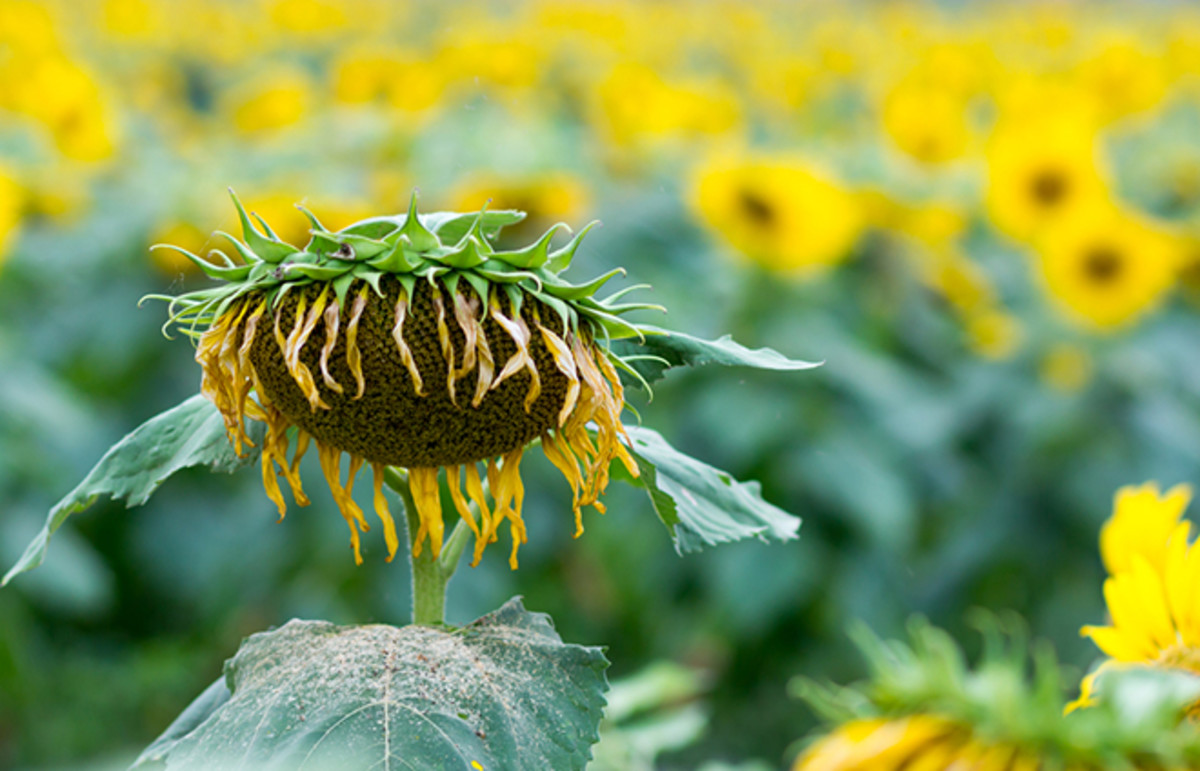
A research team led by the University of Missouri has recently found a new method of assessing stress in plants: measuring levels of reactive oxygen species (ROS) – a once maligned collection of molecules which are produced by anything that uses oxygen (including animals, plants, and humans), and were now discovered to have a crucial role as a communication signal indicating when plants are stressed out. Considering that plants are currently experiencing multiple stressors from droughts, heat, or flooding, these findings could open new ways of increasing plant resilience to environmental stress in order to avoid crop loss.
“Reactive oxygen species (ROS) are key signaling molecules that enable cells to rapidly respond to different stimuli,” the study authors wrote. “In plants, ROS play a crucial role in abiotic and biotic stress sensing, integration of different environmental signals and activation of stress-response networks, thus contributing to the establishment of defense mechanisms and plant resilience.”
Although scientists have long known that plant stress is associated with crop loss, previous studies have typically focused on how crops react to just a single stressor. However, plants’ survival rates will often dramatically decrease as the number of stressors rises.
“When stressors from heat and drought are added together, plants don’t have ground water to draw from, so they close the stomata [leaf pores], and this makes the leaves become really hot,” explained study lead author Ron Mittler, an expert in Botany at the University of Missouri.
“This is why the combination of drought and heat is really dangerous, because the leaf temperature is much higher than with a plant subjected to just heat. The change can be anywhere between two and four degrees, and that can make the difference between life and death.”
Moreover, when the number of stressors further increases, the plants’ chances of survival diminish even more. According to Professor Mittler, the key to protect plants from environmental stress is to keep ROS levels in check. While either too much or too little ROS can be damaging, an optimum level will significantly protect the plants, increasing their resilience to a wide variety of stressors. Further research is needed to identify the optimal levels of ROS, and to develop reliable methods of controlling them in order to protect crops.
Source - https://www.earth.com










