A agronomist says slow growth and development for corn across areas of the Midwest could increase the chance of heat stress this summer.
Michael Toohill with AgriSompo North America says crop emergence has been slow in the Eastern Corn Belt and Delta region. “Running through Central Illinois, even the corn planted in the late April is only V4 or V5 and the mid May corn is just V2 or V3. Generally, we’re two or three leaf stages behind where we’re at normally for this time of year.”
He says says crop emergence in the Western Corn Belt is behind schedule. “Especially Nebraska and parts of Iowa, but they’ve also had the cooler weather. So, they maybe a week ahead of us in the Eastern United States, but overall it’s not a big advantage because we haven’t had enough sustained heat to keep that corn growing this spring so far.”
He tells Brownfield he expects pollination to start July 15 or later, which is about two weeks later than normal. “That’s not necessarily a bad thing because corn growth will continue. We are just going to be pushing pollination back further and further into July when historically we have more chances for heat damage during mid-to-late July compared to when corn pollinates late June and early July.”
Toohill says warmer temperatures across the Corn Belt this weekend helped corn grow quickly, but below normal temperatures are forecast through the end of the week.
For soybeans, Tohill says a bleak weather outlook this summer could create yield loss for soybeans in parts of the Midwest.
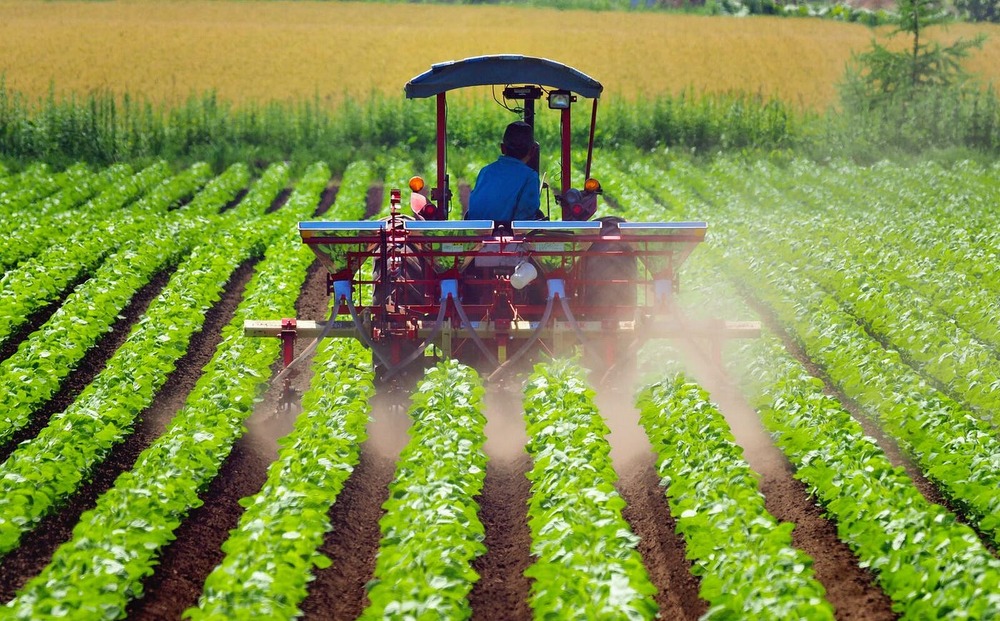
He says a cool start to the growing season has slowed emergence and that could lead to late canopies in June. “Whenever soybean growth is delayed in June, ideally you want your soybeans 100 percent canopied on the longest day of the year and it looks like to me we’re going to have too much sunlight hitting the ground in late June and early July to maximize our soybean yield.”
Toohill says the crop is off to a good start despite slow development. “We’ve got a little bit of soybeans planted in the Western Belt, but here in the Central belt, they struggled to emerge, and they really aren’t much ahead of the mid-May planted soybeans.”
The latest crop progress report from USDA says only 39 percent of the crop has emerged.
Source - https://brownfieldagnews.com