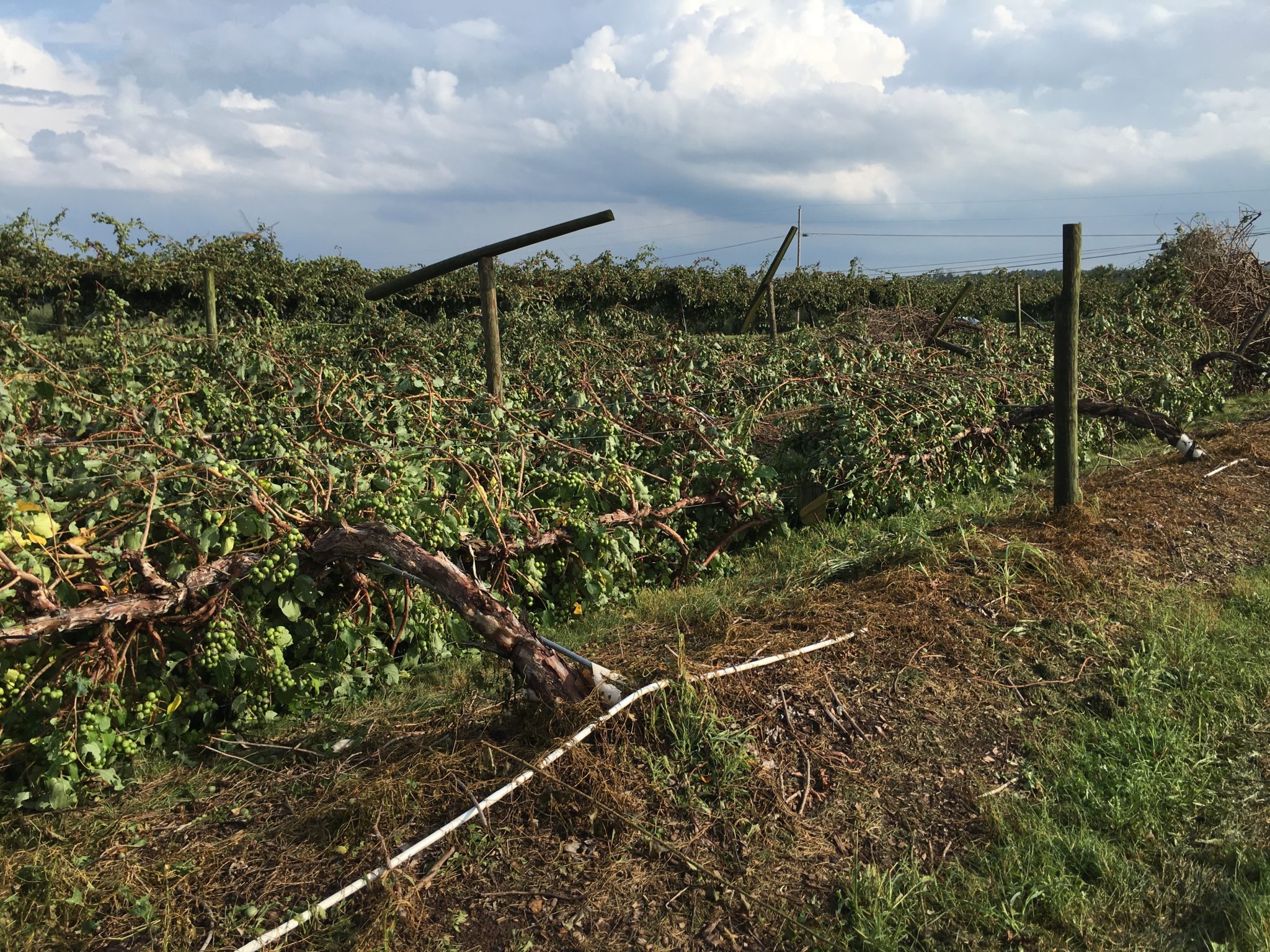
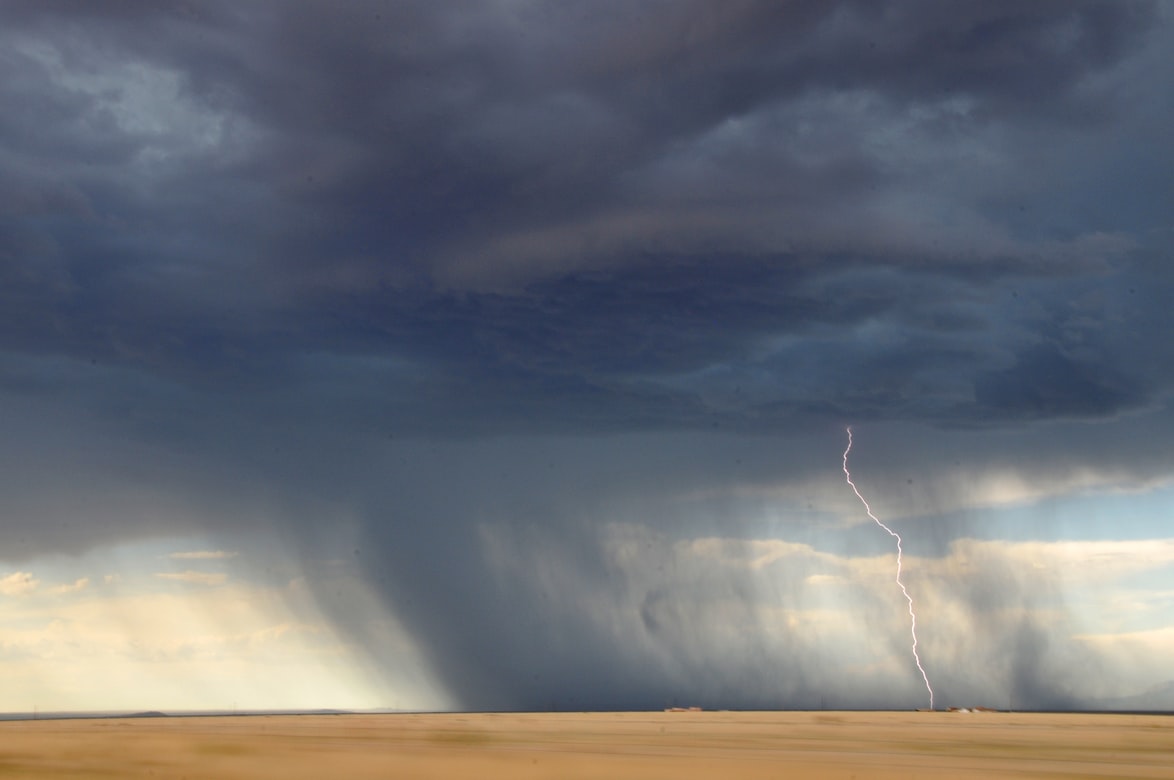
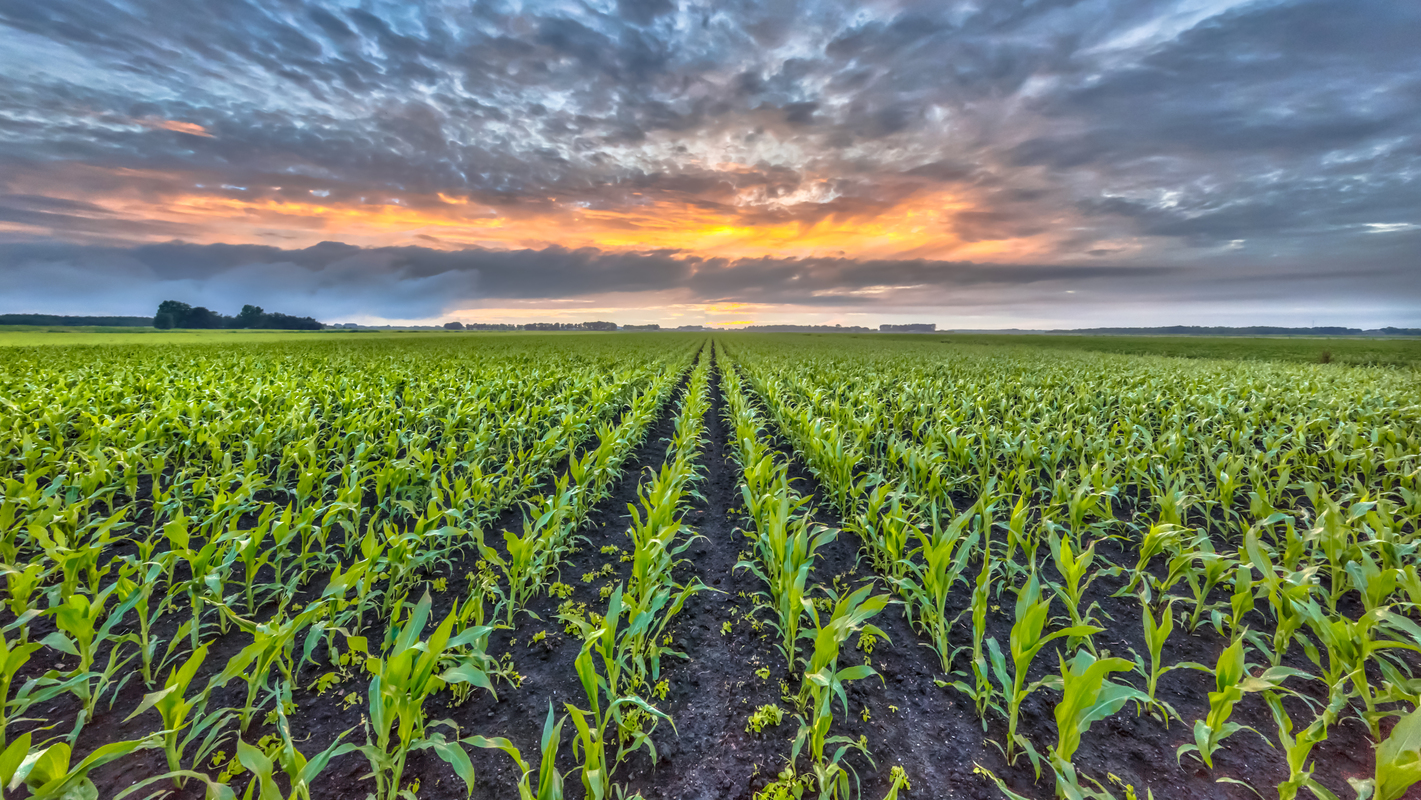
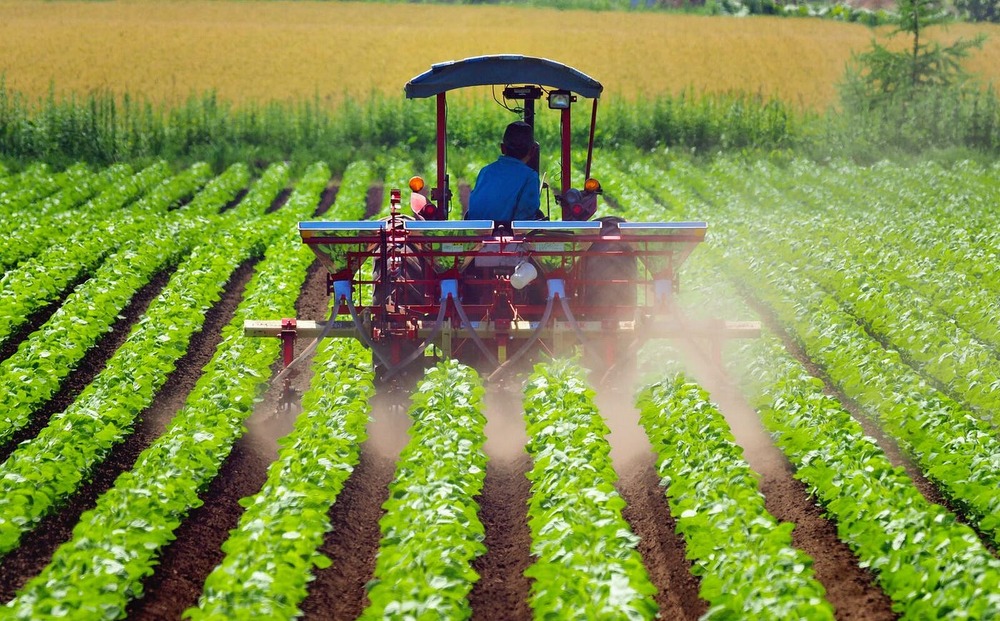
Since the dawn of farming some 10,000 years ago, the health of agriculture has been inextricably linked to the health of the planet. Now the climate crisis is disrupting farming across the globe.
Yet as increasingly unpredictable weather patterns and temperature changes threaten crops, one startup is hopeful that artificial intelligence (AI) can help farmers adapt to a fast-changing environment.
Avalo, a crop development company based in North Carolina, is using machine learning models to accelerate the creation of new and resilient crop varieties.
The traditional way to select for favorable traits in crops is to identify individual plants that exhibit the trait – such as drought resistance - and use those plants to pollinate others, before planting those seeds in fields to see how they perform. But that process requires growing a plant through its entire life cycle to see the result, which can take many years.
Avalo uses an algorithm to identify the genetic basis of complex traits like drought, or pest resistance in hundreds of crop varieties. Plants are cross-pollinated in the conventional way, but the algorithm can predict the performance of a seed without needing to grow it – speeding up the process by as much as 70%, according to Avalo chief technology officer Mariano Alvarez.
“What we’re doing, ultimately, is just the same process that’s happened for thousands of years,” Alvarez explained to CNN.
“There’s somebody in our greenhouses almost every day now taking two flowers and rubbing them together to produce seeds … The difference in our process is that a computer is telling the person which flowers they need to pull to put together.
“We are really just doing traditional cross-breeding and accelerating it with information, rather than trying to change the method by which people are doing it.”
Reducing food waste
Dandelions that can be grown to make rubber, heat-resilient tomatoes, and drought-resilient cotton are all in the works at Avalo, as is a fully edible broccoli, created to reduce food waste.
Only 20% of the total biomass of an entire broccoli crop is typically consumed, according to Avalo’s CEO Brendan Collins. Tenderstem broccoli, also known as broccolini, is entirely edible but is a different vegetable – a hybrid of broccoli and Chinese kale (gai lan).
Avalo sourced hundreds of broccoli varieties to enable AI to identify the desired traits, producing a broccoli that can be eaten sprig, leaves and all. It is set to be the company’s first commercially available product, in 2026, taking three years to get to market – half the time of a typical new broccoli variety, according to Avalo.
“The leaves are just like kale or something you traditionally see in a salad,” said Collins. “Then the sprig itself is just like a delightful, very tender sprig of broccoli that you’d be familiar with.”
He added that the broccoli can be grown using less energy and fertilizers than any other available variety.
Dr Shruti Nath is a climate scientist at the University of Oxford, who isn’t involved with Avalo. “AI’s performance for gene discovery and mining has shown great promise,” she told CNN in an email. “Making the final link to then providing information on future breeding that would help cope with climate change is an excellent idea.”
“This type of technology – if done correctly – is a step change and would allow for better planning before growing seasons,” Nath said.
However, using AI-techniques for informing breeding decisions has possible pitfalls, Nath warned.
“For example, some traits that are deemed useful for drought – let’s say – may have been falsely picked up due to the numerous genetic properties driving drought resilience. Being able to test this out is obviously very difficult since you can’t create a ‘control’ candidate to check it,” she said.
“Furthermore, AI-models for these approaches need to be constrained to make sure they do not ‘overfit’ on properties that do not exist, especially given the complexity of this modelling problem,” Nath added. “Since consequences of mis-prediction in this case may have disproportionate effects, making sure of this is vital.”
Global efforts
With the climate crisis worsening, there are efforts across the globe to find more resilient crop varieties. United Arab Emirates (UAE)-based agritech company Silal has teamed up with international partners like biotechnology company Bayer, and screens a variety of seeds to assess their resistance to drought, heat and salinity, testing them on their farms in Abu Dhabi.
Silal has spent the last two years developing two new varieties of Quinoa, suitable for growing in the UAE’s arid desert environment, that it hopes could become an alternative crop in the region.
“The trial has so far been so successful,” Silal’s director of agritech Shamal Muhammad told CNN.
“We’re going to look at how we can develop a quinoa supply chain in the UAE and then offering this healthy food to the nation.”
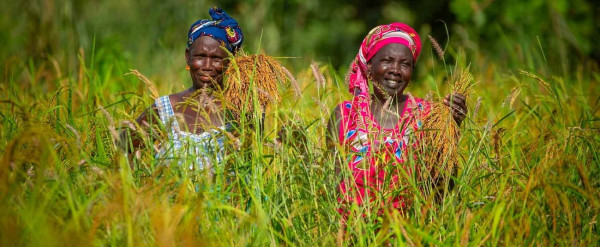
Avalo hopes such innovations can help protect farmers’ livelihoods in the face of increasingly erratic weather conditions while restoring more natural diversity to crop development.
“If we can only release a new variety every 10 years, we’ll always be 10 years behind what the weather conditions are going to be, what the newest disease or the newest pest pressure is going to be,” Alvarez said.
“But if we can release new varieties every four to five years, we’re much closer to keeping pace with the rate of environmental change that farmers actually see in their fields.
“It gives me a lot of hope because I think we’re going to need some interesting and potentially surprising outcomes if we’re going to keep our agricultural system stable for the next 30 to 50 years.”
Source - https://www.msn.com