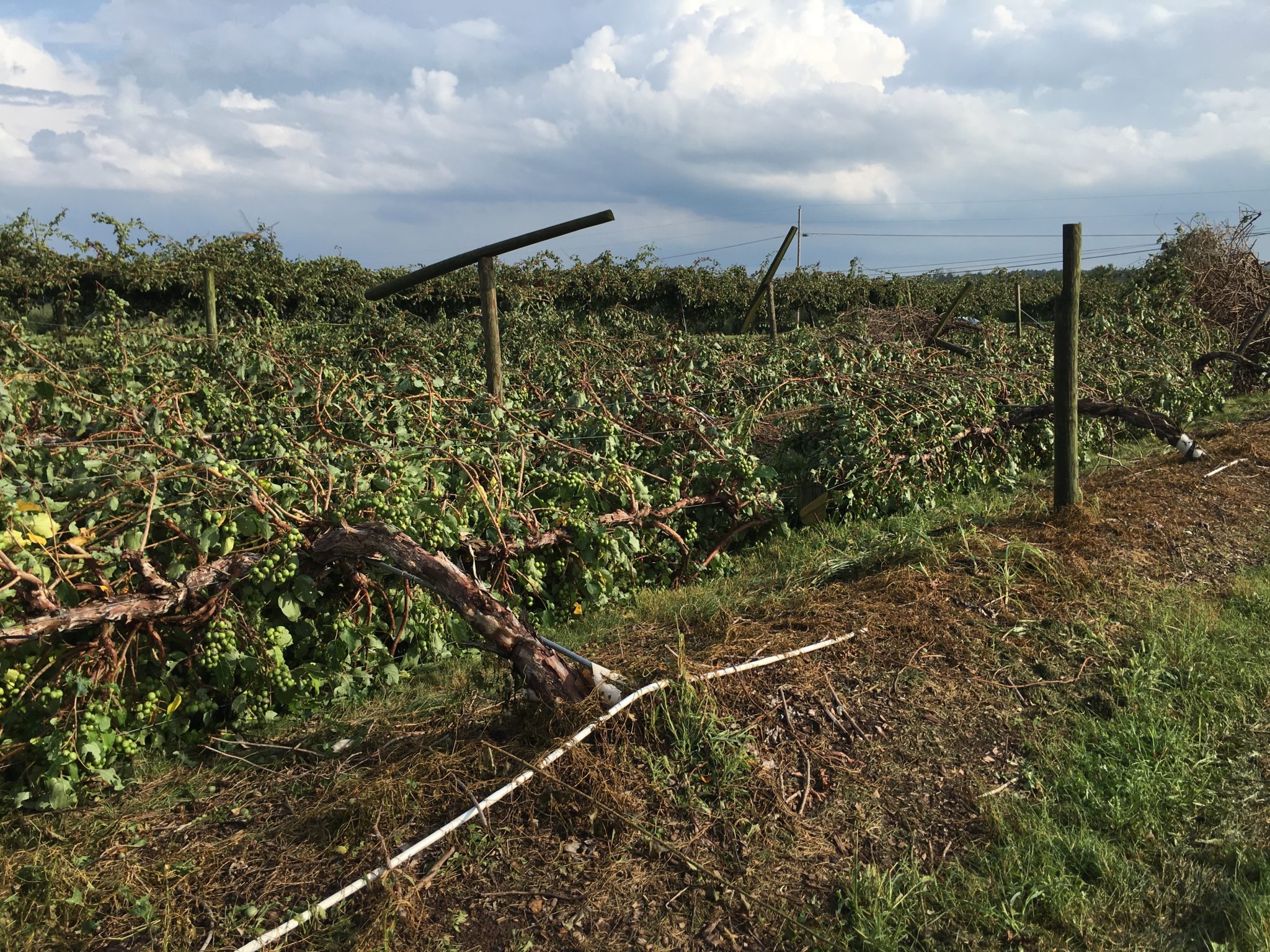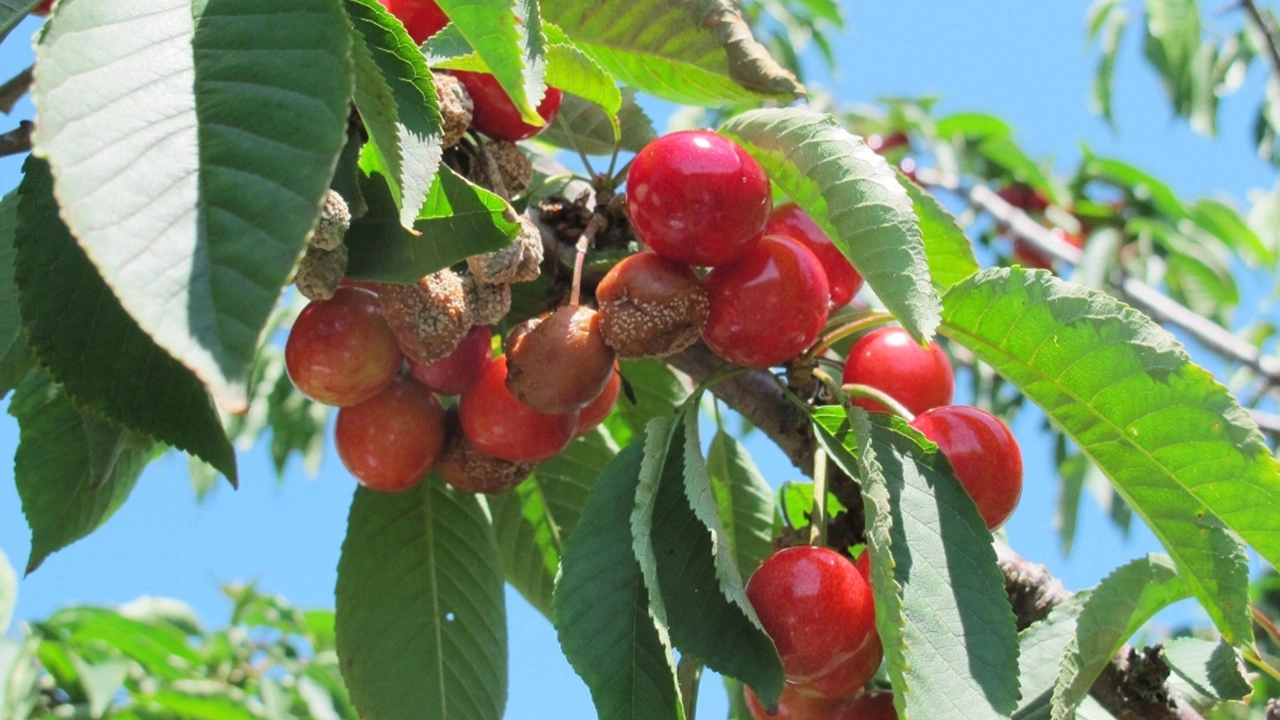
With torrential rainfall, tornado-like wind gusts, and hot, wet, humid weather fueling pest and fungi destruction, Michigan’s sweet cherry crop in northwest lower Michigan is in bad shape.
“I've never experienced a quality problem in sweet cherries like this before,” said Ben LaCross, Michigan Farm Bureau District 9 director. “This is the poorest quality sweet cherry crop anyone can ever remember.”
In a letter to Ag Secretary Tom Vilsack urging a USDA disaster declaration, Gov. Gretchen Whitmer said, “Mid- to late-growing season estimates of crop loss across the significant sweet cherry growing counties range between 30% and 75%.”
She also said, “Since April 1, there has been significant rainfall across sweet cherry-growing counties, including nearly 13 inches of rainfall in northwest lower Michigan. Higher insect populations because of the mild winter were met with a warm, wet and very humid spring and early summer, causing an explosion of not only spotted wing drosophila, but rapid development of fungi, including cherry leaf spot and American brown rot.”
The governor’s letter says crop protection measures “were not sufficient,” especially given the wind conditions this year.
Counties affected include Antrim, Benzie, Berrien, Grand Traverse, Leelanau, Manistee, Mason, Oceana and Van Buren.
Damage assessment information is being collected by USDA’s Farm Service Agency, which Whitmer said will be forwarded to Vilsack’s office as soon as it is available after Oct. 1. Although the damage is covered for those with crop insurance, a disaster declaration would unlock access to low-interest loans for those affected, along with possible ad hoc assistance.
Michigan farmers who’ve experienced damage to any crop due to 2024 natural disasters — tornado, hail, flood and wind damage, among other events — should report damages to FSA. Data collected will then be used to create a disaster relief program similar to the one launched in 2022.
LaCross said massive amounts of rain in June led to fungal rot pathogens rendering sweet cherries unsalable.
“There isn't a secondary market for those sweet cherries, whereas the tart cherries had quality problems as well — specifically soft fruit and under color fruit — but there is a little bit of a secondary juice market for tart cherries compared to sweet cherries when the quality is a little bit lower,” he explains.
LaCross attended an Aug. 8 media event hosted by the Michigan Department of Agriculture and Rural Development in Traverse City, highlighting the sweet cherry challenges, alongside Rep. Betsy Coffia, D-Traverse City; Tim Boring, MDARD director; Emily Miezio, Cherry Marketing Institute executive director; and Nikki Rothwell, director of the Northwest Michigan Horticultural Research Station.
“Our region is the proud home to many multigenerational families who are a vital part of our community and are finding it harder every year to keep farming,” Coffia said. “I strongly urge the USDA to grant this relief to support them as they face this devastating and costly crop loss after months of round-the-clock work and expenses to try and save it.”
Challenges are nothing new for cherry growers, who have faced low prices, import pressure and invasive species over the past decade, LaCross said, adding that the quality issues were “one more kick” they faced this year.
“The state stepping up and making this declaration and asking the federal government for some assistance for our cherry farmers is a step in the right direction,” he said.
Source - https://www.farmprogress.com