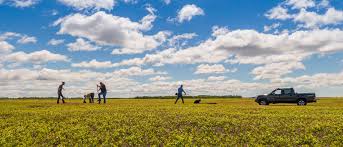
Ohio farmers are being squeezed by tariffs, higher input costs and foreign competition, raising concerns over cash flow, investment and farm profitability.
Ohio farmers warned on September 9 that tariffs, foreign competition, rising input costs and political uncertainty are putting increasing pressure on farm margins and working capital, forcing some producers to postpone investments and reconsider production decisions. The concerns, directed at Congress and the Trump administration, extend well beyond Ohio because they highlight a broader economic challenge for agriculture at a time when producers are seeking greater certainty over trade policy, USDA programs and the future of the Farm Bill.
The situation was detailed by Ohio Capital Journal, which reported the experiences of Joe Logan, a Northeast Ohio cattle producer and president of the Ohio Farmers Union, and Chris Gibbs, a Shelby County farmer. Both described an industry increasingly exposed to decisions made far beyond the farm gate. Tariffs are affecting farmers through international competition as well as the cost of machinery parts, materials and other inputs, while commodity prices do not necessarily rise enough to offset those additional expenses. For operations already working with narrow margins, that gap can quickly turn into a working-capital problem.
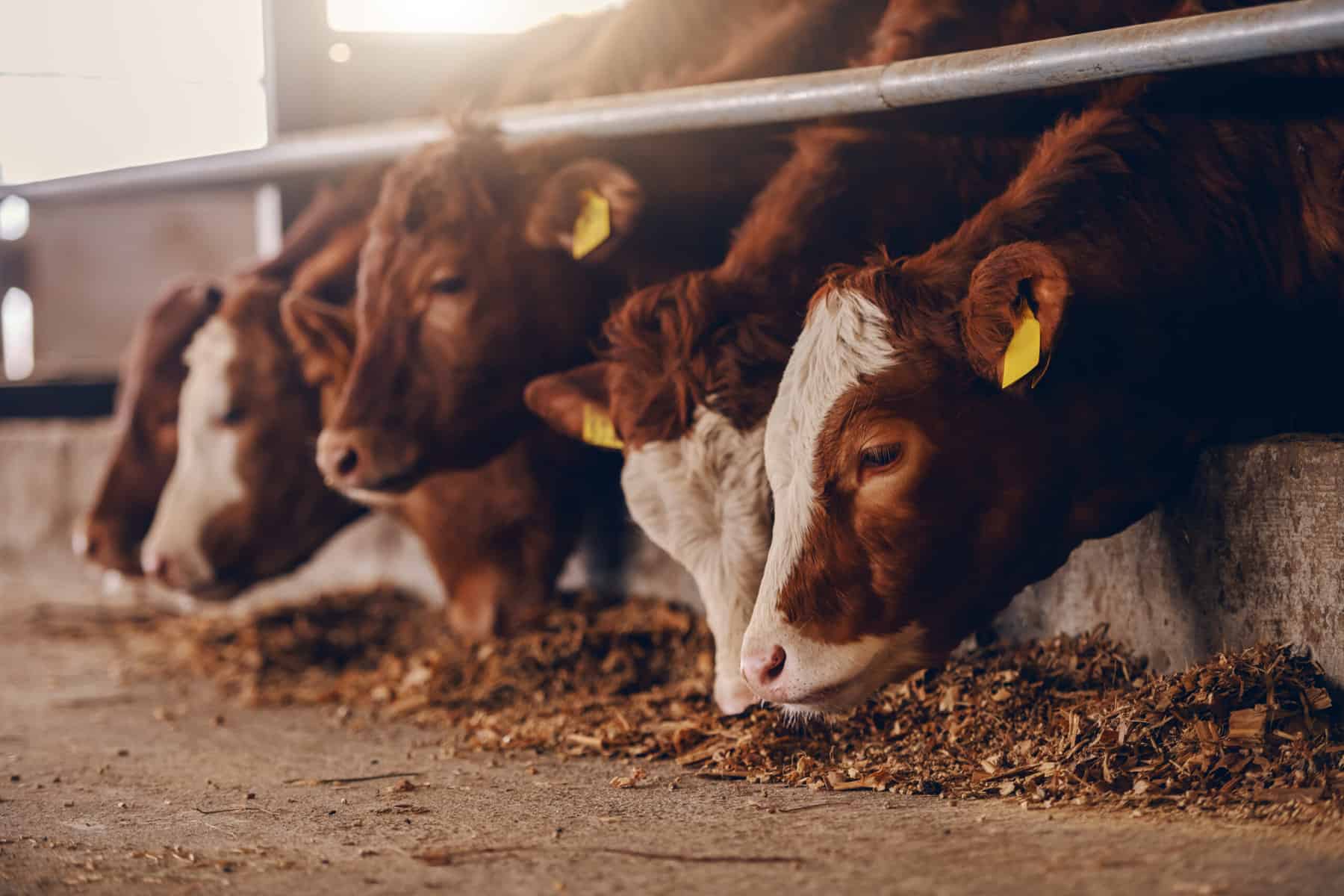
The cattle sector illustrates one of the tensions confronting producers. Logan said stronger beef prices had finally created an opportunity to improve profitability and potentially expand his herd after transitioning from dairy. But plans by the Trump administration to increase beef imports as part of an effort to ease tariff-related pressure on consumer prices introduced another source of uncertainty. For cattle producers, expanding a herd requires confidence that market conditions will remain stable for years, not months, making sudden shifts in trade and import policy particularly important for long-term investment decisions.
Tariffs are also reaching farmers through equipment and replacement parts. Gibbs told Ohio Capital Journal that while preparing his planter for corn season, he replaced a drive chain and noticed the component was manufactured in China. His conclusion was simple: the tariff had become another cost of getting the crop planted. In a capital-intensive industry dependent on machinery, parts, fertilizer, seed and fuel, incremental increases across multiple inputs can significantly raise the cost per acre, particularly when corn, wheat and other commodity prices fail to increase at the same pace.
Working capital may be an even greater concern. Gibbs described what he sees as a "cash-flow working capital crisis in agriculture," recalling a trip to his supplier to purchase fertilizer and seed when he realized he did not have enough available cash. He had crops stored in the bin that could have been sold, but he was reluctant to liquidate grain simply to finance the next production cycle. That dilemma captures a growing challenge: when input costs rise faster than farm revenue, decisions about grain marketing, borrowing, machinery purchases and acreage become increasingly defensive rather than strategic.
Fertilizer adds another layer of risk. According to Gibbs' account reported by Ohio Capital Journal, nitrogen fertilizer prices increased sharply as disruptions in global energy markets filtered into agricultural production costs. He said fertilizer prices doubled while commodity prices remained largely unchanged, creating a severe margin squeeze. Because natural gas is a critical feedstock in nitrogen fertilizer manufacturing, geopolitical disruptions and energy-market volatility can quickly reach a corn or wheat operation in Ohio, demonstrating how closely farm profitability is now connected to the global agricultural supply chain.
Farm Bill uncertainty puts Washington under pressure
The concerns extend beyond individual farm balance sheets. Ohio producers are calling for a more predictable agricultural policy framework built around the Farm Bill, USDA programs, crop insurance and other risk-management tools. Farm legislation has historically relied on bipartisan coalitions that connected agricultural programs important to rural communities with nutrition assistance supported heavily by urban constituencies. Producers interviewed by Ohio Capital Journal argue that recent policy changes have weakened that traditional political balance and made the future of long-term agricultural support less predictable.
Gibbs also warned about agriculture becoming increasingly dependent on one political party. His perspective crosses partisan lines: he previously chaired the Shelby County Republican Party and now chairs the county Democratic Party, while also having served as a county executive director for USDA's Farm Service Agency. For farmers, politicizing agricultural support could weaken the bipartisan structure that has historically protected commodity programs, crop insurance and other farm safety-net mechanisms, particularly during periods of drought, weak yields or sustained declines in commodity prices.
Those concerns have already reached Capitol Hill. Gibbs joined more than 40 former agricultural officials, farmers, academics and industry leaders in a letter to congressional agriculture committee leaders. The group warned about higher fuel and fertilizer costs, stalled agricultural exports and increasing farm bankruptcies. It also criticized the widespread use of tariffs as a trade strategy, arguing that lost export markets and reduced competitiveness could outweigh the benefits promised through new trade agreements. Gibbs said the congressional committees had not responded to the letter.
Food safety is creating another layer of concern. Logan criticized reductions within USDA and argued that maintaining inspection and surveillance capacity is essential for responding effectively to contamination events. USDA was listing 17 active recalls and public health alerts, including 10 Class I cases, while seven alerts involved import violations or products made without the benefit of inspection, according to information cited by Ohio Capital Journal. For farmers, traceability and enforcement affect more than food safety: they influence consumer confidence and competitive conditions between domestic production and imported products.
The economic message coming from Ohio is ultimately about predictability. Farmers routinely manage drought, volatile yields, fluctuating commodity prices and biological risks, but absorbing those pressures simultaneously with tariffs, expensive fertilizer, imported competition and policy changes is considerably harder. When margins and working capital deteriorate, producers typically delay machinery purchases, reduce capital spending and reconsider expansion, decisions that can ripple through equipment dealers, co-ops, lenders, rural employment and the broader agricultural supply chain.
For policymakers, the challenge is determining how trade policy, agricultural credit, crop insurance, USDA programs and a durable Farm Bill can restore enough certainty for producers to make long-term decisions. For farmers, the question is more immediate: how to finance the next production cycle without sacrificing future capacity. Ohio is becoming a warning sign for agriculture: when costs rise, export markets become less predictable and policy changes faster than production cycles, even strong yields may no longer guarantee a profitable year.
Source - https://www.agrolatam.com