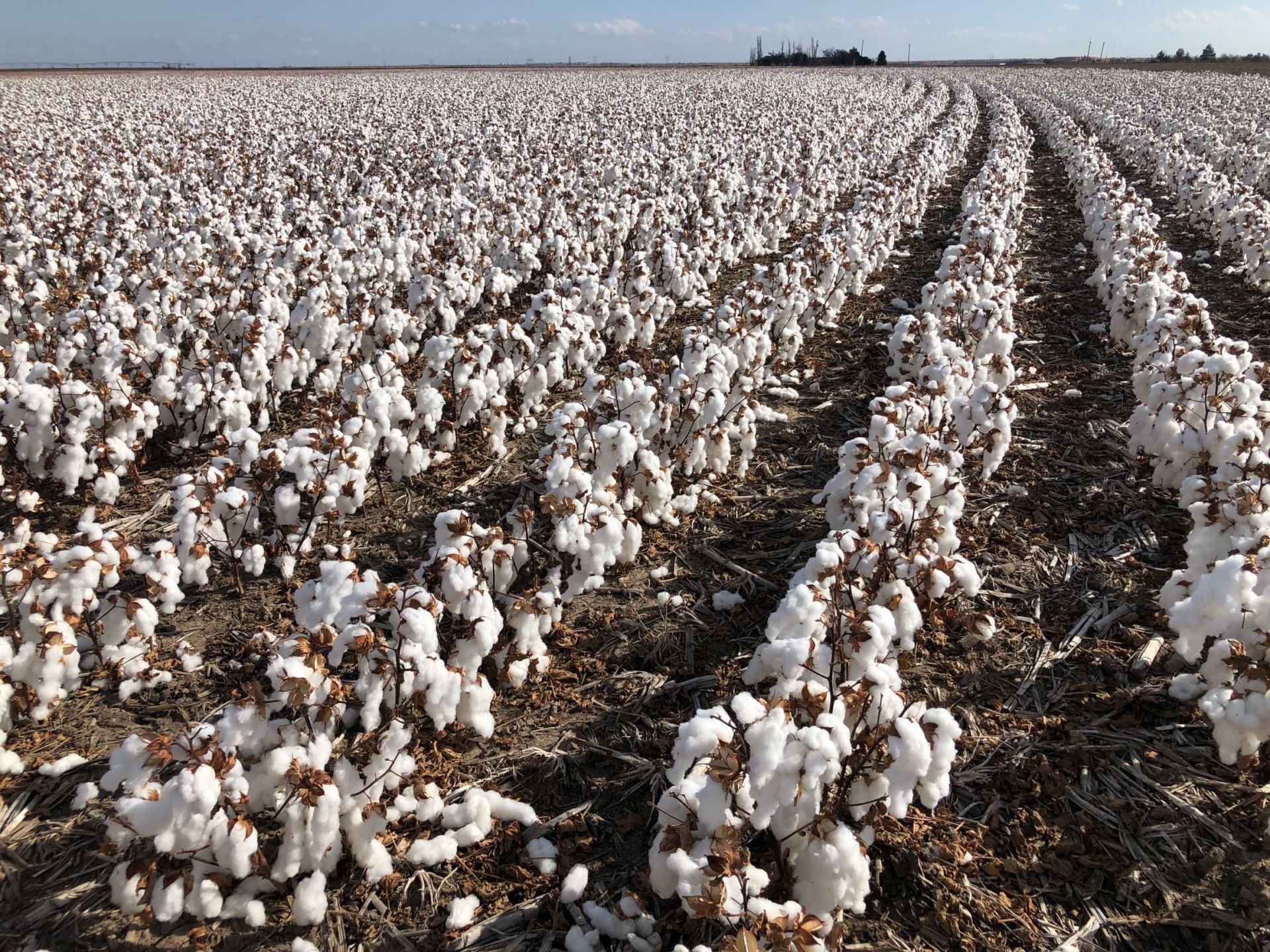
Fields of white cotton are few and far between this year. Hopes for a good crop dried up for many farmers as the drought took its toll.
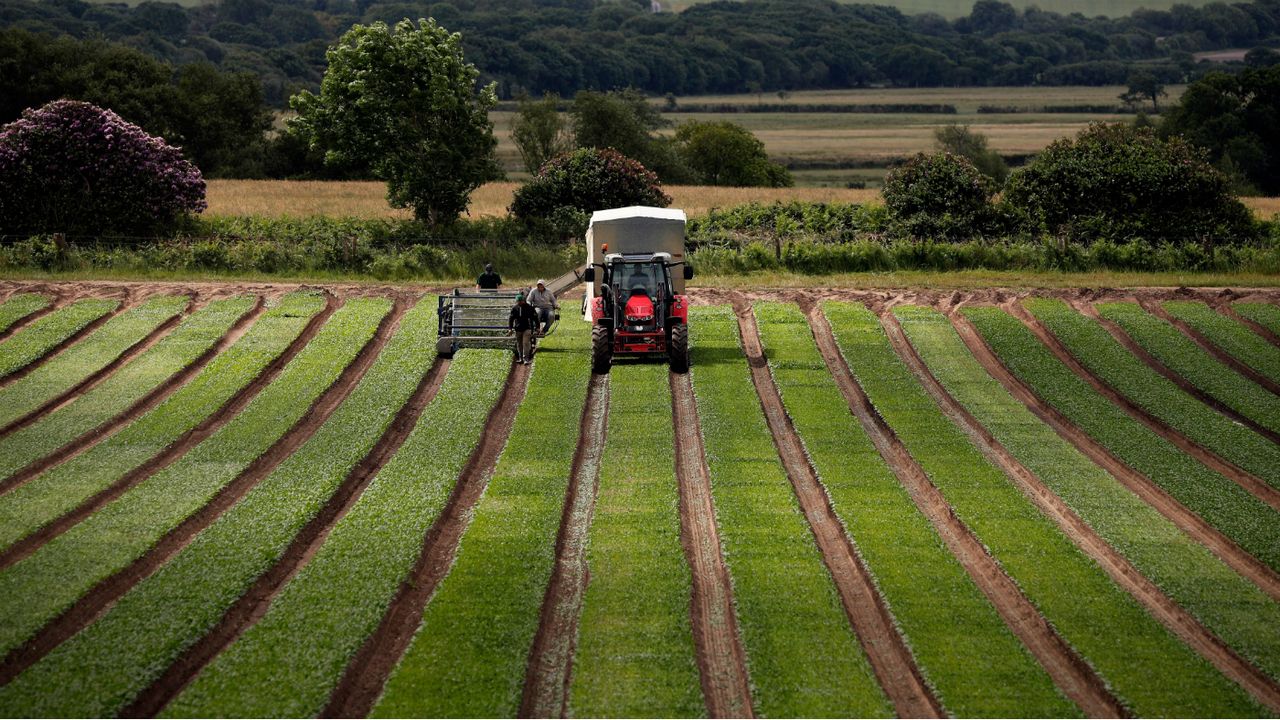
In the world’s largest cotton patch, the 25 contiguous counties around Lubbock, most fields are barren.
The historic drought caused Texas farmers to abandon cotton fields at an alarming rate.
Dryland fields, like some of those farmed by Alan West in southwest Lubbock County, couldn’t take the triple digit heat and lack of rain.
“This isn’t the first drought we’ve been through,” he said. “It’s the most significant one we’ve been through since 2011.”
West, along with his wife Amy, also grows irrigated cotton. But even that burned up.
It’s a similar story for the cotton crop across much of the state, but it’s significance in the Panhandle is extreme.
“There’s lots of infrastructure in and around Lubbock for ginning and cottonseed processing, bale storage and warehousing equipment dealers,” West said. “So, Lubbock is kind of the hub of the cotton industry here in Texas.”
The region produces over 60% of the state’s total yield and more than a third of the nation’s total crop.
The International Center for Agricultural Competitiveness at Texas Tech University estimates this year’s cotton production in the High Plains will be down by about $2 billion.
“The cotton patch has just been devastated by the drought,” West said. “There will be almost no dryland acres, and the irrigated crop is going to be greatly reduced from last year. We’re looking at a huge reduction on the production side.”
Texas farmers planted about 7.9 million acres of cotton, but less than half—about 2.5 million acres—are expected to be harvested. The U.S. Department of Agriculture is forecasting the smallest U.S. cotton crop in 13 years, attributing the decline in acres to the drought.
Farmers in the High Plains are used to dry conditions. Normal precipitation for the area is about 20 inches, according to West.
As of late August, the area had seen less than six inches of rain for the entire year.
“We had hope, but that hope dwindled as the summer and the drought continued to linger. The crop got French fried in the summer,” he said. “There’s a lot of these cotton fields that didn’t even have enough moisture to get the seed germinated and get them established. So, there’s a lot of bare ground in and around the area. And then there’s a lot of irrigated acres that got established, but the heat and the lack of subsoil moisture underneath the fields, we just couldn’t keep up even with the irrigation.”
West said 2011 was a tough year that taught cotton farmers just how expensive a drought could be.
“In 2011, we ended up with irrigated fields that basically made below average dryland production, and we had enormous production expenses in it,” he said. “As a result of that and those memories, we realized that unless we got a rainfall in the summer in July, that we were really fighting a losing battle and would be best for us to try to save our water and irrigation.”
Farmers will collect some crop insurance, which is based on historical averages.
“Crop insurance will not make you whole, but it allows us to sustain weather events like this,” West said.
The impact of a lost crop goes far beyond the field.
Cotton is the state’s top crop and largest agricultural export. That means thousands of jobs in other sectors rely on farmers to make a crop.
“Reduced production from this year’s cotton crop will not only impact farmers who are already facing a challenging time due to drought and high input costs but will also have an impact on the local economies that rely on cotton,” Brant Wilbourn, Texas Farm Bureau associate director of Commodity and Regulatory Activities, said. “As less cotton is produced, downstream users—such as gins, warehouses and shippers—will oversee less cotton. That will lead to a loss of economic activity.”
Some cotton gins may not hire as many workers because there won’t be as much cotton to process.
And it’s not just agricultural jobs that will feel the impact. Local business also feel the loss of income.
“There are many people in and around rural America that depend on us. It starts with these acres out in the field,” West said. “We buy fuel, fertilizer, seed, equipment. All those dollars funnel to many other people in the communities and obviously our workforce.”
In late summer and early fall, rains began to fall across portions of the state, including the High Plains region. Unfortunately, it was too late to help this year’s cotton crop.
But like the cotton plant itself, Texas farmers have deep roots in the soil. And they’re optimistic that next year will be better.
Source - https://texasfarmbureau.org