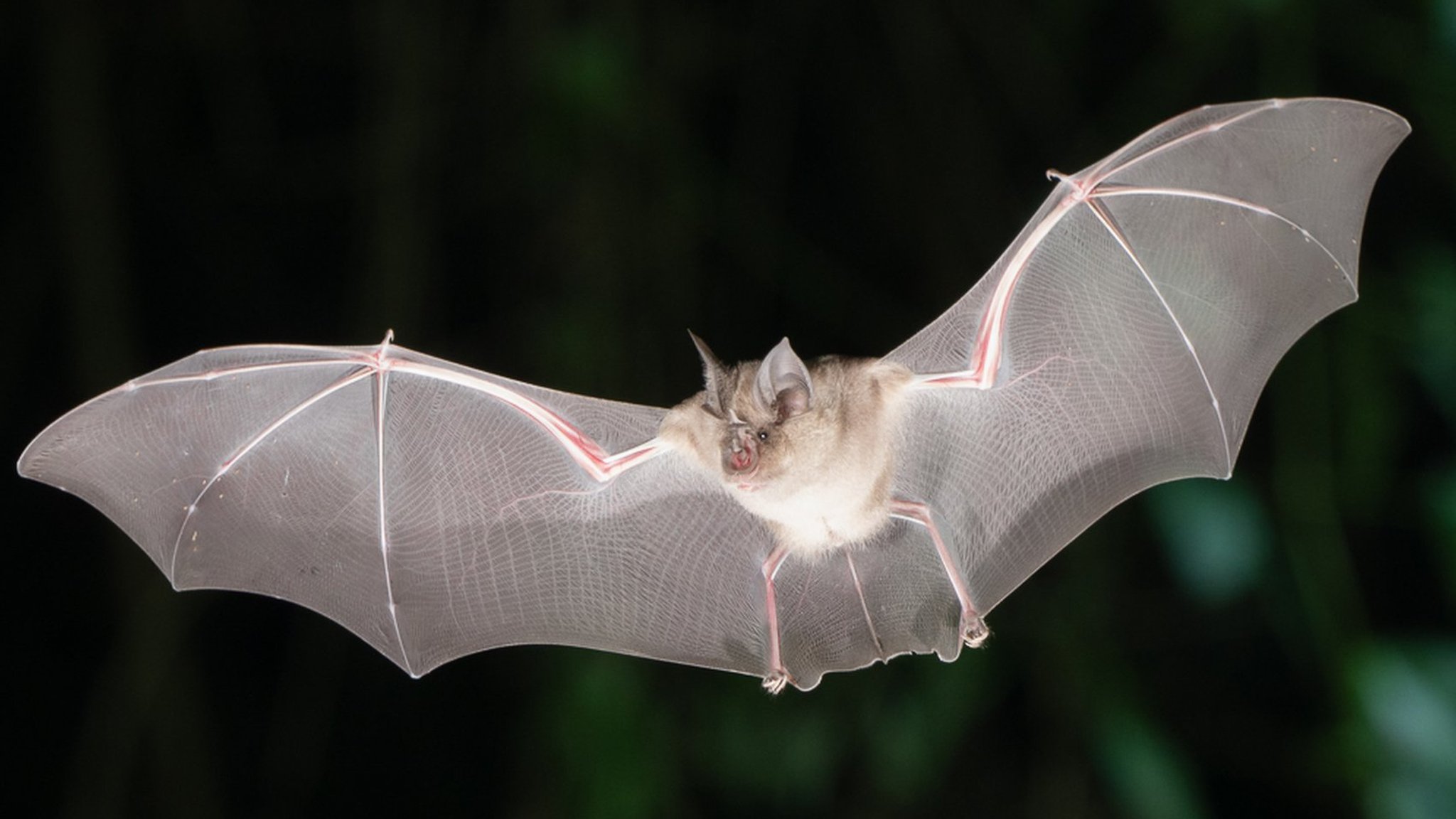
Bats play a big role in agriculture. They fertilize, pollinate and eat crop-loving insects. As the deadly white-nose syndrome kills millions of bats across the U.S., the loss is felt across the industry – and it comes with a price tag.
A recent paper out of Colorado State University suggests the loss of bats due to the highly contagious fungal disease costs U.S. agriculture up to $495 million a year, based on 2017 estimates.
“Lost bat populations have harmful ripple effects on food and agriculture,” Amy Ando, an environmental economist at the University of Illinois Urbana-Champaign who co-authored the report, said in a news release. “Crop yields fall, and input costs rise as farmers try to compensate for the services bats usually provide. That drives down the value of farmland and the number of acres planted, and the supply shock probably also hurts consumers as ag production becomes more costly.”
According to White-Nose Syndrome Response Team, the disease has been confirmed in 38 states, including, in the Mountain West, Montana, New Mexico, and Wyoming.
“What it means for farmers is that they’ve lost a free pesticide service,” said CSU's Dale Manning, an agricultural economist and the report's lead author.
Manning says producers can buy more pesticides, but that increases costs. With more insects free to roam, crop yields suffer. And all of this results in lower profitability of agriculture.
Possible solutions like bat vaccines and fungicides for caves aren’t cheap, but Manning says the costs to agriculture are greater.
“From an agricultural perspective, controlling the spread is an economic win," he said. "The benefits exceed the costs of controlling the spread.”
In March, the U.S. Fish and Wildlife Service cited white-nose syndrome in proposing to list the northern long-eared bat as endangered under the Endangered Species Act. That's one of 12 species known to be affected by the disease. The agency says white-nose syndrome is expected to reach the northern long-eared bat’s entire U.S. range – which includes Montana and Wyoming – by 2025. So far it's all but wiped out the populations already hit by the disease.
Source - https://www.kunc.org