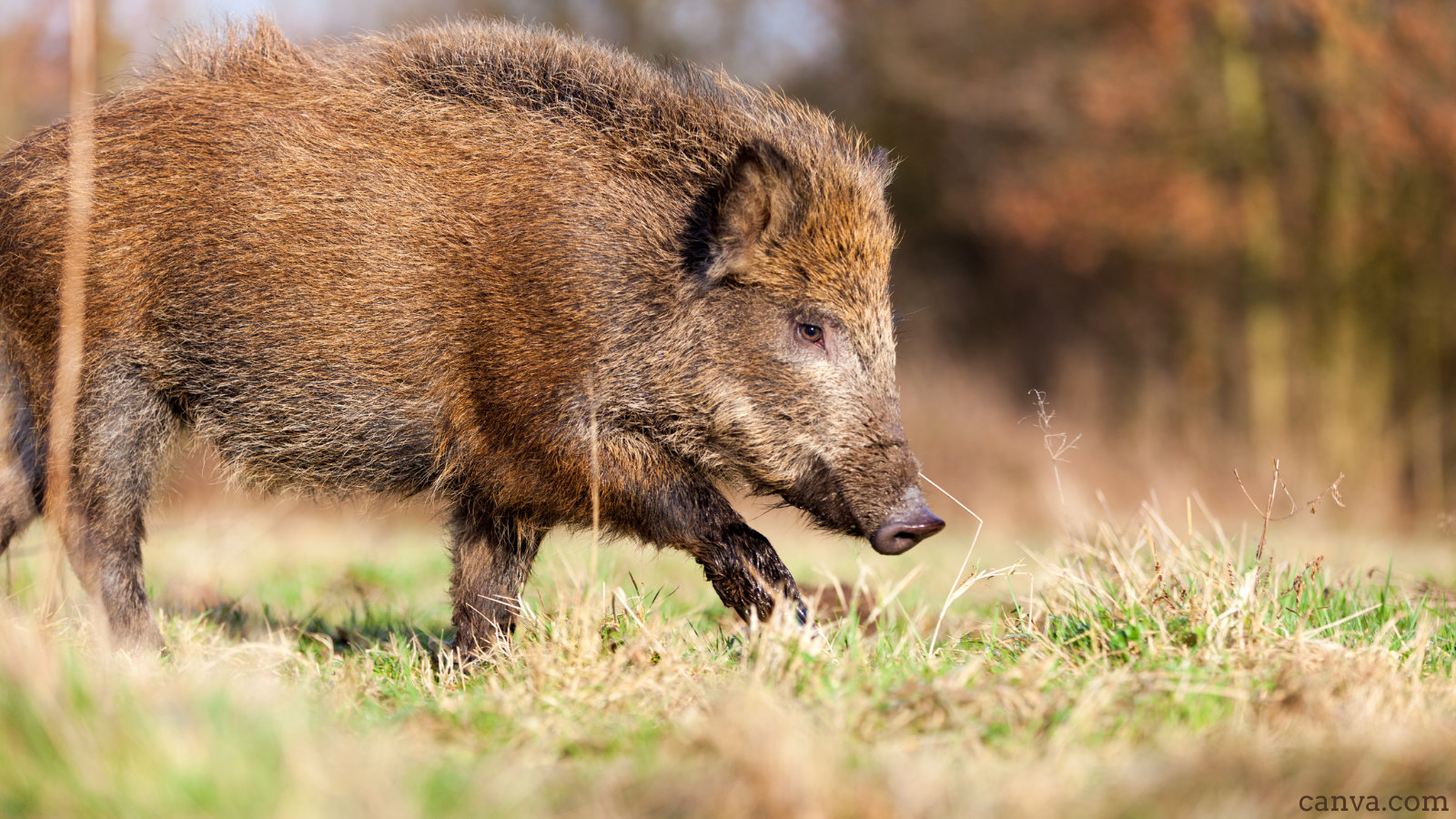
A University of Georgia professor is currently studying wild pig populations to learn more about them and how to reduce their agriculture and environmental destruction. WALB’s Jim Wallace sat down with him to learn more.
Jim Beasley is a University of Georgia professor of forestry and natural resources who has a very interesting study into wild pigs, their socialization, and what’s going on with them. We know that’s a big problem in South Georgia with these pigs and hogs terrorizing farmers down here. What have you been able to find out in your studies so far, Jim?
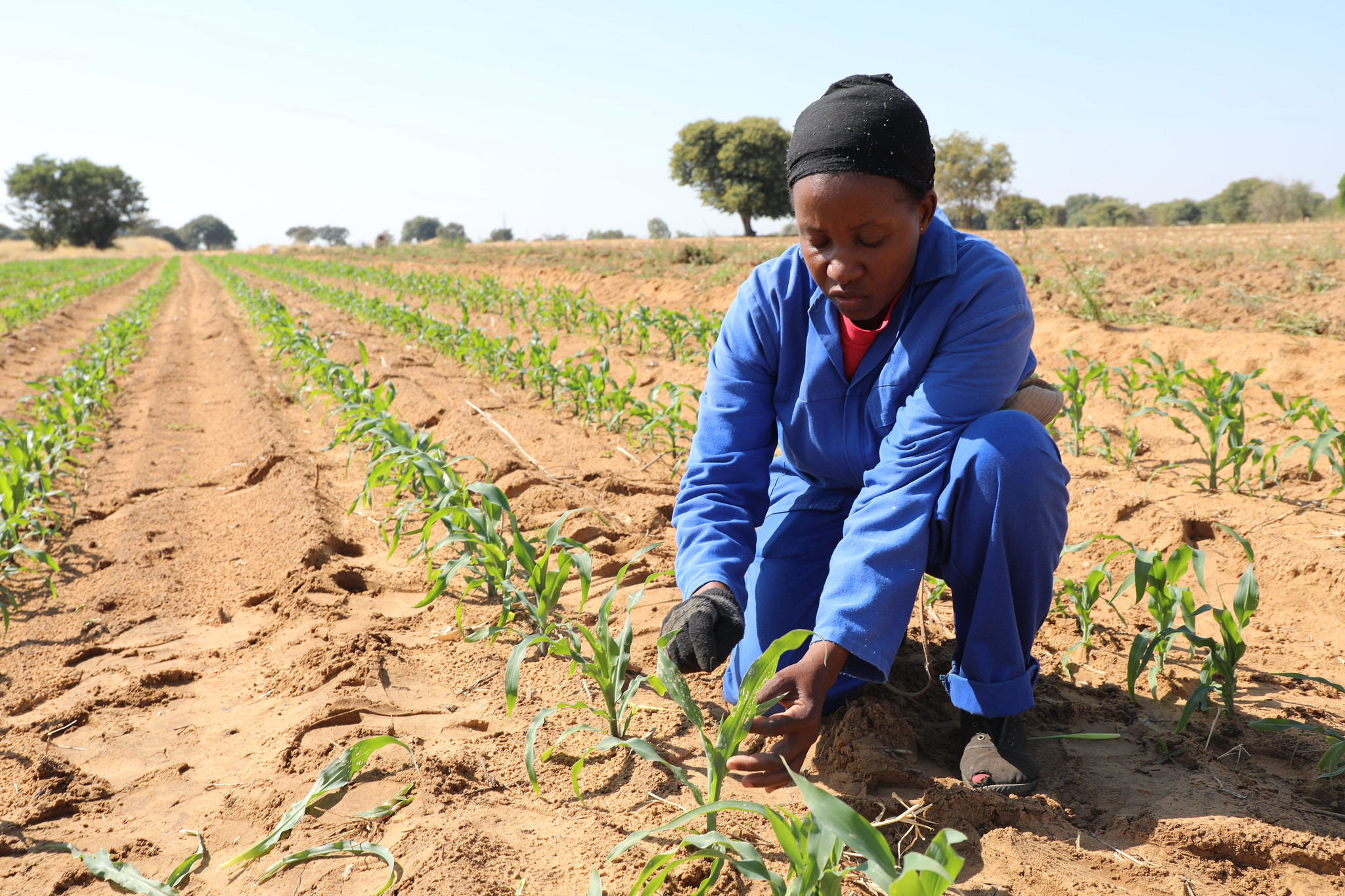
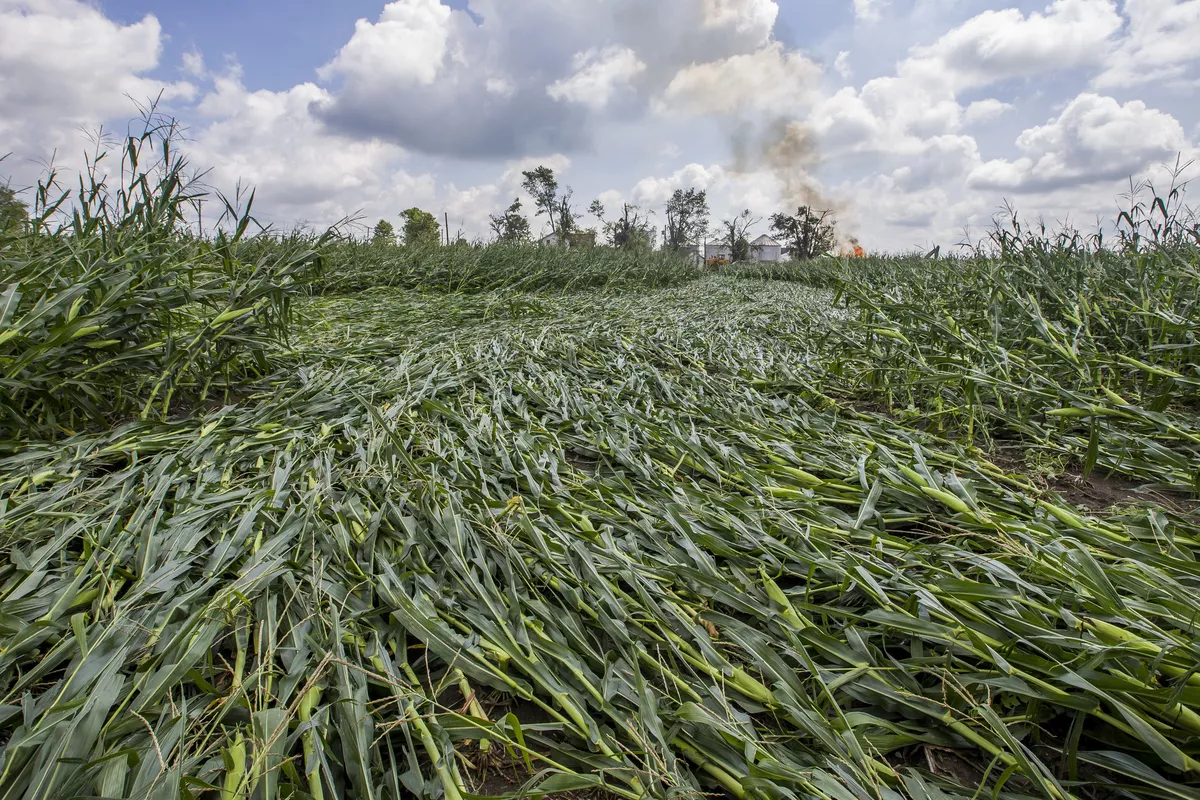
”So we’ve got a whole host of different studies going on right now on wild pigs throughout the Southeast,” Beasley said. “And you know things looking at reproduction things, looking at crop damage, looking at different ways of effectively managing populations. And so yeah, we can talk a little bit about a few of these things. So one of the things that we’ve been able to look at is kind of where and when pigs cause damage to crops, and one of the things that we found is that the most extensive damage to both corn and peanut fields is right after planting, although corn fields pigs do hit them really hard once it reaches the blister stage, so later in development, and so we’ve been coupling that with some of the management techniques that are out there and we’ve wound that if you really go in and do some intensive management shortly before planting. So a couple of months leading up to planting that actually happens to be the time of year when trapping is most effective for pigs. And so you can really reduce populations right before that. They’re causing the most damage to the crop.”
I know you’re hoping to help out a lot of people who look through this study to try to control this population.
“Yeah, absolutely,” Beasley said. “And so we’ve been teaming up with some professional trapping organizations, some federal partners as part of some farm bill work most recently, and one of the things that we’ve been doing is working alongside a lot of these federal programs and trying to quantify how trapping impacts populations and ultimately damages and what we’ve been able to demonstrate is that over a one to two-year intensive trapping program, these organizations are able to reduce populations by 70 to 90%. And we’re seeing over a 50% decrease in crop damage and almost a 90 to 95% reduction in environmental damage through routing. And so, you know, it’s basically is demonstrating that intensive effective trapping programs can have a direct benefit to crop losses and to environmental damage as well.”
Source - https://www.walb.com