Seeking to stabilize a meat supply chain stressed by historic shortages and high prices, the U.S. Department of Agriculture announced a new $500 million initiative aimed at protecting independent, mid-sized beef processors from being squeezed out of the market by dominant conglomerates.
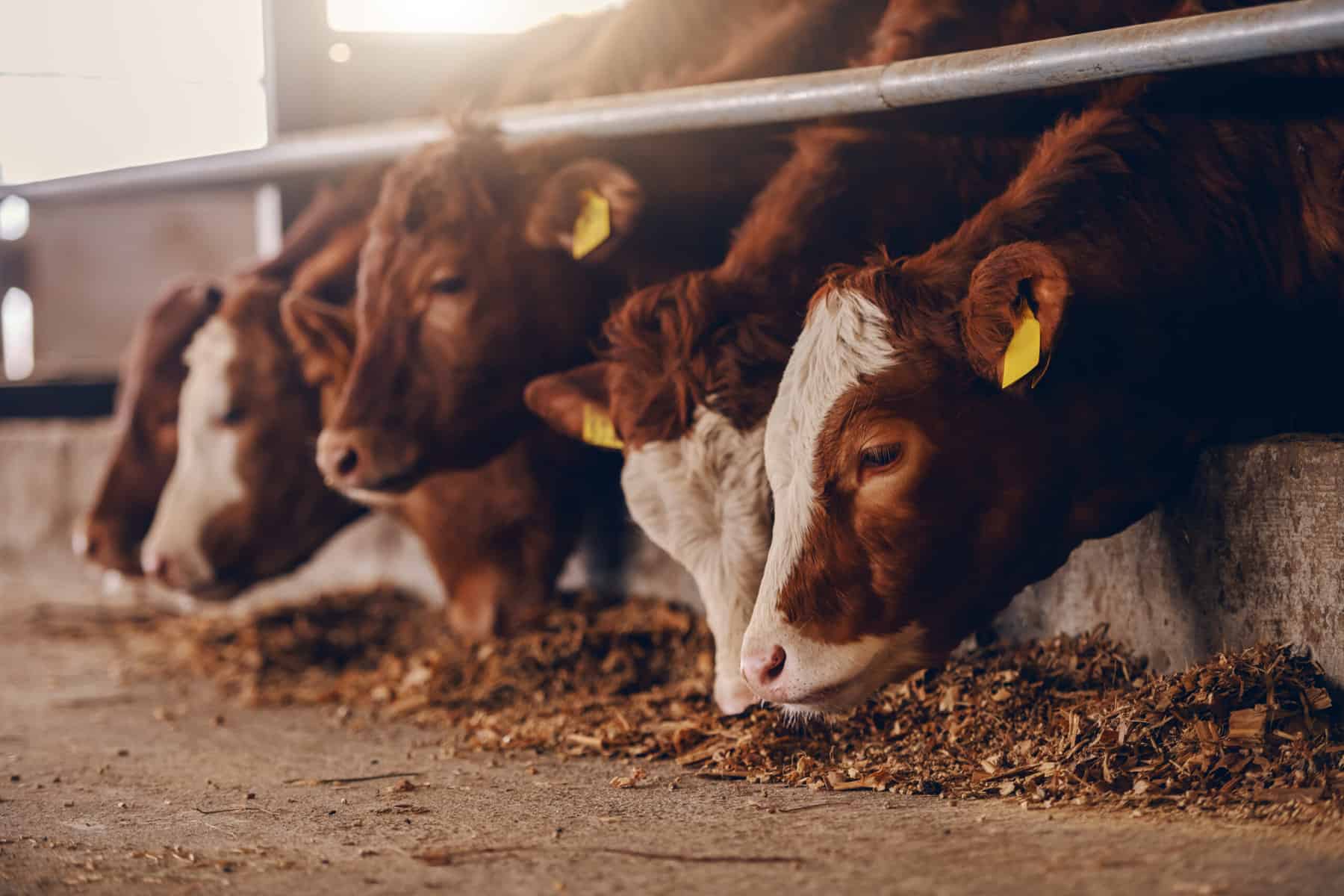
The Strengthening Processing for U.S. Ranchers (SPUR) Program, announced Tuesday by Agriculture Secretary Brooke Rollins, will provide temporary financial assistance to small and regional American-owned slaughterhouses. The emergency funding, drawn from the USDA’s Commodity Credit Corporation, arrives as the U.S. cattle herd hovers at a 75-year low, triggering intense bidding wars for cattle that independent plants are struggling to afford.
By subsidizing these smaller operations, federal officials hope to preserve critical localized marketplaces for American ranchers while preventing long-term spikes in beef prices for grocery shoppers.
“America’s ranchers deserve a strong, competitive marketplace that rewards their hard work and preserves opportunity for generations to come,” Rollins said, noting that “extraordinary market conditions” have placed immense pressure on independent entities.
The program deliberately excludes the sector’s heavyweights. To qualify, processing facilities must be U.S.-owned and cannot hold a market share greater than or equal to the nation’s fourth-largest beef processor. This benchmark effectively disqualifies the “Big Four” meatpackers—Tyson Foods, Cargill, National Beef Packing Company, and the foreign-owned JBS—which collectively control nearly 85 percent of the domestic beef processing market.
A Lifeline for Ranchers
For independent American cattle producers, the program serves as an insurance policy for their livelihoods. When massive meatpacking conglomerates reduce processing shifts or shutter plants due to supply shortages, ranchers lose the competitive bidding that keeps livestock prices fair.
Furthermore, independent regional plants are the backbone for specialized, value-added ranching programs. Without local processors, ranchers cannot easily market premium offerings like organic or grass-fed beef, or utilize the USDA’s newly promoted “Product of USA” label.
“Competitive supply chains help ensure American ranchers have reliable markets for their cattle,” said Under Secretary for Farm Production and Conservation Richard Fordyce.
By keeping the “middle market” of processors afloat while the national herd undergoes a multi-year rebuilding phase, the USDA aims to ensure that independent ranchers aren’t forced to sell exclusively to a handful of massive corporate buyers.
Protecting Consumers at the Checkout Counter
While the funding goes directly to processing facilities, the USDA anticipates the stabilization will trickle down to consumers.
When regional processors close, the industry consolidates further, leaving consumer prices entirely at the whim of dominant market leaders. By injecting $500 million to keep small and mid-sized processors running, the federal government aims to maintain healthy retail competition and ensure long-term affordability at the grocery store.
The initiative also aligns with broader administration efforts to link agricultural stability with public health, tying into the “Make America Healthy Again” movement. Officials emphasized that maintaining regional processing infrastructure ensures continuous, resilient access to high-quality protein in alignment with the newest Dietary Guidelines for Americans.
“Supporting this processing capacity helps preserve market options for our United States ranchers, strengthens regional supply chains and ensures American families continue to have access to safe, high-quality beef produced here at home,” said Under Secretary for Food Safety Mindy Brashears.
Industry Headwinds Remain
Despite the major funding injection, some industry leaders warn that federal subsidies only treat a symptom of a deeper biological problem: a severe lack of cattle. Decades of drought and high feed costs have forced cattle producers to liquidate their herds, leading to today’s historic supply crunch.
“Packers of all sizes are reducing shifts and some have been forced to close facilities. We simply need more cattle,” Meat Institute President and CEO Julie Anna Potts said in a statement. While acknowledging that the SPUR program will aid some mid-sized packers, Potts added that “it will not increase the cattle supply. Government policies intended to reduce the rising cost of beef for consumers should give cattle producers the certainty they need to retain heifers and grow the herd.”
Beyond low cattle numbers, the USDA noted that independent plants are facing an accumulation of unique challenges, including the recent reemergence of the New World Screwworm—a parasitic pest that threatens livestock health—and increased operational overhead.
Rolling Out the Funding
The Farm Service Agency (FSA) will administer the SPUR program through targeted outreach. Rather than holding a general open call for applications, the USDA will use existing Food Safety and Inspection Service (FSIS) records to directly contact eligible federal, Talmadge-Aiken, and Cooperative Interstate Shipment (CIS) inspected plants.
According to data tracking the rollout, eligible processors will qualify for payments by meeting benchmarks tied to their 2025 production levels. Plants that successfully maintain or exceed those operational thresholds despite soaring procurement costs will receive variable reimbursement rates.
While the USDA has not yet finalized the exact date that payments will begin landing in bank accounts, agency officials stated that application materials and specialized calculations will be distributed to eligible facilities shortly.
Source - https://www.hoosieragtoday.com