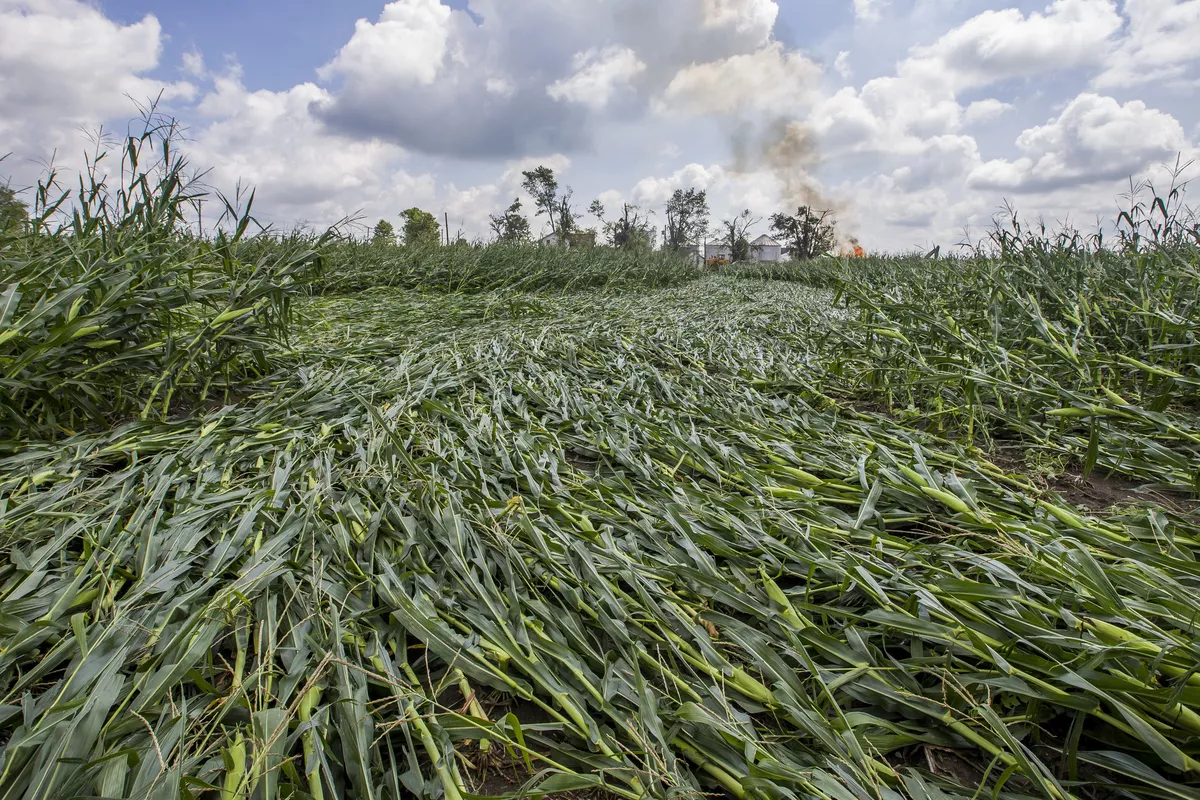
The U.S Department of Agriculture (USDA) has announced Milk Loss Program (MLP) assistance for eligible dairy operations for milk that was dumped or removed, without compensation, from the commercial milk market due to qualifying weather events and the consequences of those weather events that inhibited delivery or storage of milk (e.g., power outages, impassable roads, infrastructure losses, etc.) during calendar years 2020, 2021 and 2022.
Administered by the Farm Service Agency (FSA), signup for MLP begins Sept. 11 and runs through Oct. 16, 2023.
“Frequent and widespread weather-related disasters over the past three years have impacted U.S. dairy. These producers continue to face supply chain issues, high feed and input costs, labor shortages, and market volatilities,” said FSA Administrator Zach Ducheneaux. “The reality for dairy producers is that cattle are milked at least twice a day, producing on average, six to seven gallons of milk per cow, per day. That milk must go somewhere, and when it can’t get where it needs to go and can’t be stored due to circumstances beyond a producer’s control we need to help. The Milk Loss Program will help offset the economic loss by producers left with no other choice but dumping their milk during disasters.”
Background
On Dec. 29, 2022, President Biden signed into law the Extending Government Funding and Delivering Emergency Assistance Act (P.L. 117-43), providing $10 billion for crop losses, including milk losses due to qualifying disaster events that occurred in calendar years 2020 and 2021. Additionally, the Disaster Relief Supplemental Appropriations Act, 2023 (Pub. L. 117-328) provides approximately $3 billion for disaster assistance for similar losses that occurred in calendar year 2022.
Eligibility
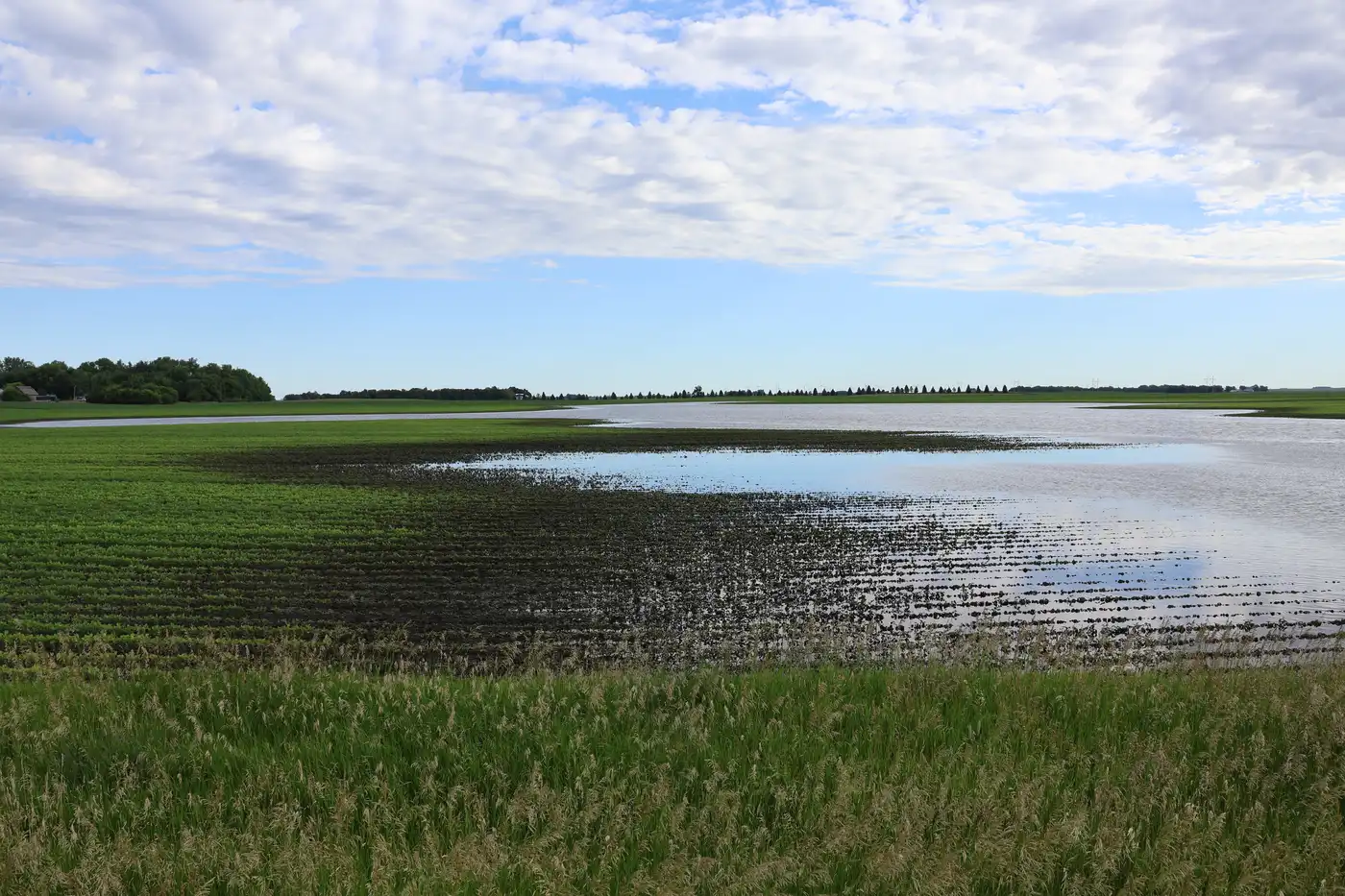
MLP compensates dairy operations for milk dumped or removed without compensation from the commercial milk market due to qualifying disaster events, including droughts, wildfires, hurricanes, floods, derechos, excessive heat, winter storms, freeze (including a polar vortex), and smoke exposure that occurred in the 2020, 2021 and 2022 calendar years. Tornadoes are considered a qualifying disaster event for calendar year 2022 only.
The milk loss claim period is each calendar month that milk was dumped or removed from the commercial market. Each MLP application covers the loss in a single calendar month. Milk loss that occurs in more than one calendar month due to the same qualifying weather event requires a separate application for each month.
The days that are eligible for assistance begin on the date the milk was removed or dumped and for concurrent days milk was removed or dumped. Once the dairy operation restarts milk marketing, the dairy operation is ineligible for assistance unless after restarting commercial milk marketing, additional milk is dumped due to the same qualifying disaster event. The duration of yearly claims is limited to 30 days per year for 2020, 2021 and 2022.
The National Milk Producers Federation (NMPF) applauded the USDA announcement.
“On top of the challenges created by wild price gyrations and the COVID-19 pandemic, dairy farmers since 2020 have also faced an inadequate federal mechanism for addressing unforeseen weather catastrophes, further straining finances at a time when strains have been hard to bear,” said Jim Mulhern, president and CEO of NMPF. “NMPF never accepted that situation, and we’re very appreciative of USDA’s diligent work over several months to finalize the compensation plan that will address this backlog of disaster assistance. We thank Congress for providing this necessary funding, and we encourage both Congress and USDA to find ways to address future natural disasters more quickly. We also urge farmers affected by these disasters to sign up, and we stand ready to assist them as they go through this process.”
How to Apply
To apply for MLP, producers must submit:
- FSA-376, Milk Loss Program Application
- Milk marketing statement from the:
- Month prior to the month milk was removed or dumped.
- Affected month.
- Detailed written statement of milk removal circumstances, including the weather event type and geographic scope, what transportation limitations occurred and any information on what was done with the removed milk.
- Any other information required by the regulation.
If not previously filed with FSA, applicants must also submit all the following items within 60 days of the MLP application deadline:
- Form AD-2047, Customer Data Worksheet.
- Form CCC-902, Farm Operating Plan for an individual or legal entity.
- Form CCC-901, Member Information for Legal Entities (if applicable).
- Form FSA-510, Request for an Exception to the $125,000 Payment Limitation for Certain Programs(if applicable).
- Form CCC-860, Socially Disadvantaged, Limited Resource, Beginning and Veteran Farmer or Rancher Certification
,(if applicable). - A highly erodible land conservation (sometimes referred to as HELC) and wetland conservation certification (Form AD-1026 Highly Erodible Land Conservation (HELC) and Wetland Conservation (WC) Certification) for the MLP producer and applicable affiliates.
Most producers, especially those who have previously participated in FSA programs, will likely have these required forms already on file. However, those who are uncertain or want to confirm the status of their forms can contact their local FSA county office.
MLP Payment Calculation
The final MLP payment is determined by factoring the MLP payment calculation by the applicable MLP payment percentage.
The calculation for determining MLP payment is:
- ((Base period per cow average daily milk production x the number of milking cows in a claim period x the number of days milk was removed or dumped in a claim period) ÷ 100) x pay price per hundredweight (cwt.).
For MLP payment calculations, the milk loss base period is the first full month of production before the dumping or removal occurred.
The MLP payment percentage will be 90% for underserved producers, including socially disadvantaged, beginning, limited resource, and veteran farmers and ranchers and 75% for all other producers.
To qualify for the higher payment percentage, eligible producers must have a CCC-860, Socially Disadvantaged, Limited Resource, Beginning and Veteran Farmer or Rancher Certification, form on file with FSA for the 2022 program year.
Adjusted Gross Income (AGI) limitations do not apply to MLP, however the payment limitation for MLP is determined by the person’s or legal entity’s average adjusted gross farm income (income derived from farming, ranching and forestry operations). Specifically, a person or legal entity, other than a joint venture or general partnership, cannot receive, directly or indirectly, more than $125,000 in payments under MLP if their average adjusted gross farm income is less than 75% of their average AGI or more than $250,000 if their adjusted gross farm income is at least 75% of their average AGI.
More Information
In other FSA dairy safety-net support, Dairy Margin Coverage (DMC) program payments have triggered every month, January through July, for producers who obtained coverage for the 2023 program year. July 2023’s income over feed margin of $3.52 per hundredweight (cwt.) is the lowest margin since DMC program benefits to dairy producers started in 2019. To date, FSA has paid more than $1 billion in DMC benefits to covered dairy producers for the 2023 program year.
Additionally, FSA closed the Organic Dairy Marketing Assistance Program (ODMAP) application period on Aug. 11.
On farmers.gov, the Disaster Assistance Discovery Tool, Disaster Assistance-at-a-Glance fact sheet and Loan Assistance Tool can help producers and landowners determine program or loan options. For assistance with a crop insurance claim, producers and landowners should contact their crop insurance agent. For FSA and NRCS programs, they should contact their local USDA Service Center.
USDA touches the lives of all Americans each day in so many positive ways. In the Biden-Harris Administration, USDA is transforming America’s food system with a greater focus on more resilient local and regional food production, fairer markets for all producers, ensuring access to safe, healthy and nutritious food in all communities, building new markets and streams of income for farmers and producers using climate smart food and forestry practices, making historic investments in infrastructure and clean energy capabilities in rural America, and committing to equity across the Department by removing systemic barriers and building a workforce more representative of America. To learn more, visit www.usda.gov.
Source - https://www.morningagclips.com