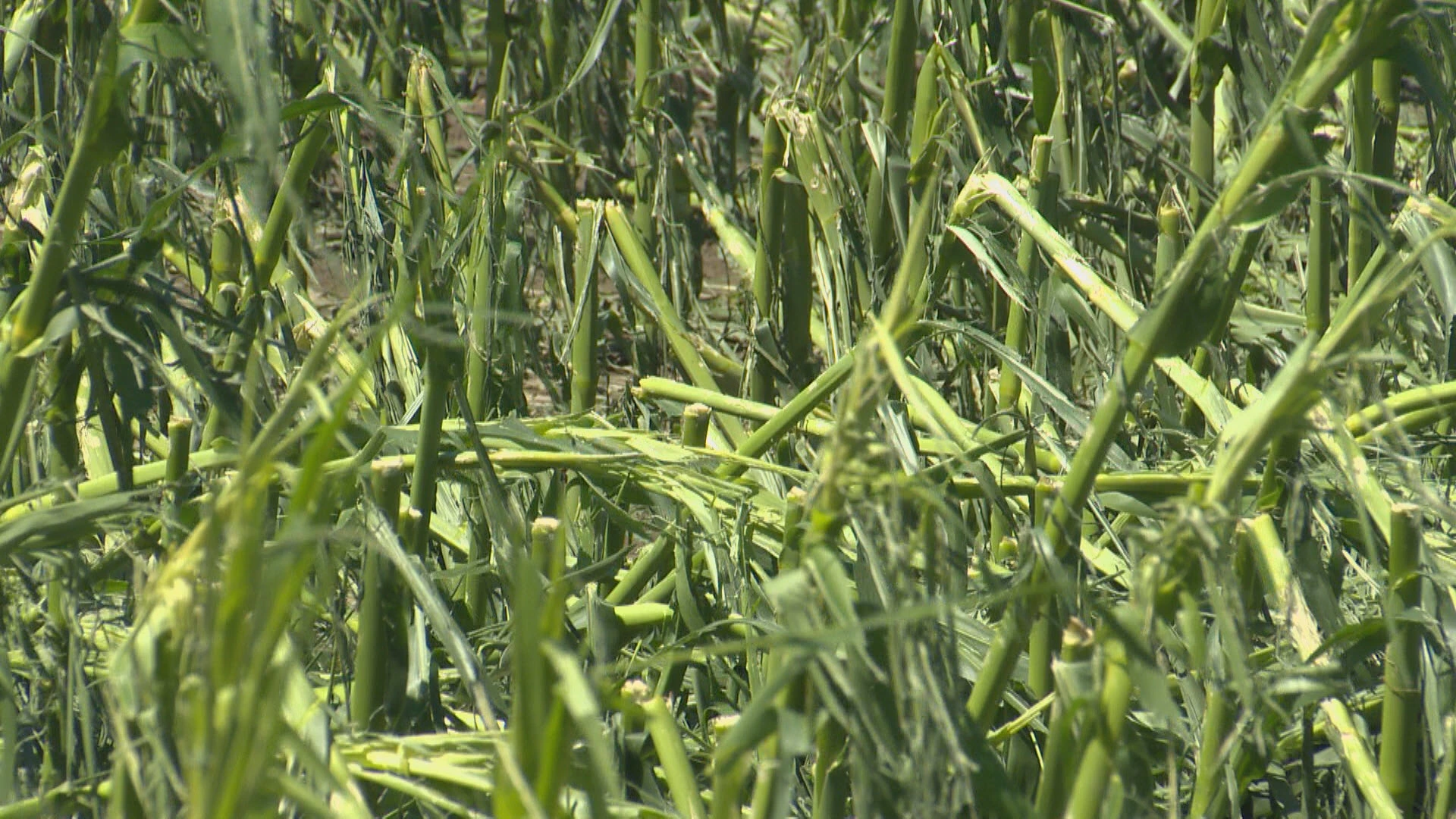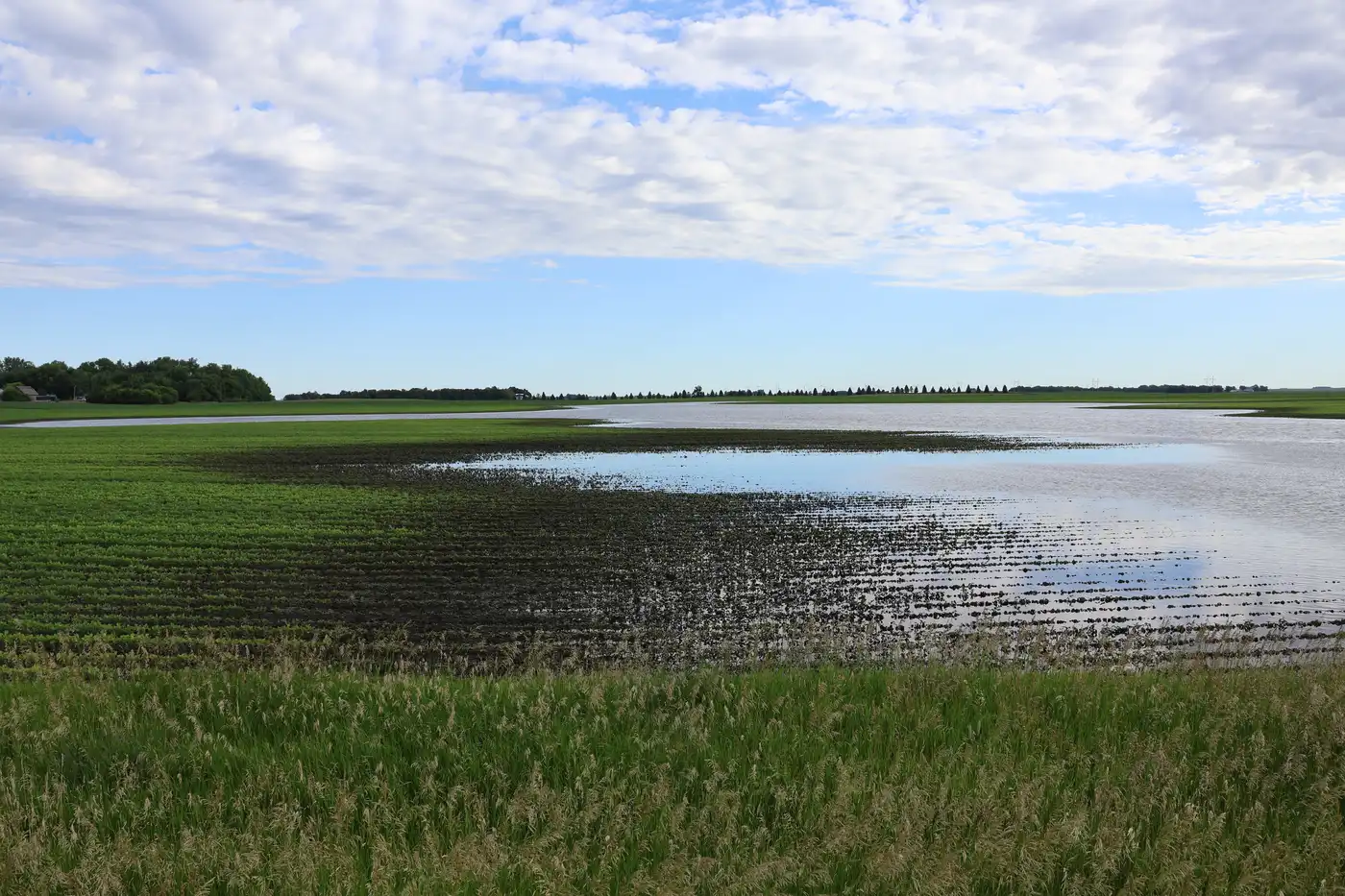
The U.S. Department of Agriculture (USDA) today announced that assistance is available for communities and agricultural producers affected by the severe weather and tornado that tore through Mississippi on March 25.
“My thoughts and prayers are with all who have lost loved ones in the terrible tornadoes in Mississippi and with the communities who must rebuild their homes and businesses,” said Agriculture Secretary Tom Vilsack. “Alongside our federal partners, USDA is ready to provide assistance to those impacted by these storms.”
Food safety guidance:
USDA’s Food Safety and Inspection Service (FSIS) is helping affected residents take steps to reduce their risk of foodborne illness as they return to their homes after severe weather.
- During a power outage, the refrigerator will keep food at a safe temperature (below 40°F) for up to 4 hours. A full freezer will hold a safe temperature for approximately 48 hours (24 hours if it is half full). Discard any perishable food items in the refrigerator and freezer after these timeframes.
Risk management and disaster assistance for agricultural operations:
USDA offers several risk management and disaster assistance options to help producers recover after disasters.
Even before disasters strike, USDA provides tools for producers to manage their risk through the Federal Crop Insurance Program, a public-private partnership between USDA’s Risk Management Agency and private companies and agents. For crops that do not have crop insurance available, the Noninsured Crop Disaster Assistance Program (NAP) is available through the local Farm Service Agency (FSA). This risk protection includes crop production loss and tree loss for certain crop insurance products. Producers should reach out to their crop insurance agent or local FSA office for more information.
Producers who suffer losses and are signed up for Federal Crop Insurance or NAP are asked to report crop damage to their crop insurance agent or local FSA office, respectively, within 72 hours of discovering damage and follow up in writing within 15 days.
Producers who have not applied for NAP coverage may still be covered. FSA has updated NAP to remove barriers and establish procedures through which an underserved producer with a CCC-860, “Socially Disadvantaged, Limited Resource, Beginning and Veteran Farmer or Rancher Certification,” on file prior to the applicable NAP application closing date will automatically receive basic coverage for any NAP-eligible crops. Like all NAP-covered producers, underserved producers will still need to file a notice of loss and apply for program benefits.
Livestock and perennial crop producers often have more limited risk management options available, so there are several disaster programs for them. Key programs offered by FSA include:
- The Livestock Indemnity Program and the Emergency Assistance for Livestock, Honeybee and Farm-raised Fish Program reimburses producers for a portion of the value of livestock, poultry and other animals that were killed or severely injured by a natural disaster or loss of feed and grazing acres.
- The Tree Assistance Program provides cost share assistance to rehabilitate or replant orchards and vineyards when storms kill or damage the trees, vines or bushes. NAP or Federal Crop Insurance often only covers the crop and not the plant.
- The Emergency Conservation Program and Emergency Forest Restoration Program can assist landowners and forest stewards with financial and technical assistance to restore damaged farmland or forests.
It is also critical that producers keep accurate records to document damage or loss and to report losses to their local USDA Service Center as soon as possible.
Additionally, USDA’s Natural Resources Conservation Service can provide financial resources through its Environmental Quality Incentives Program to help with immediate needs and long-term support to help recover from natural disasters and conserve water resources. USDA can also assist local government sponsors with the cost of recovery efforts like debris removal and streambank stabilization to address natural resource concerns and hazards through the Emergency Watershed Protection Program.
On farmers.gov, the Disaster Assistance Discovery Tool, Disaster-at-a-Glance fact sheet (PDF, 4.6 MB) and Loan Assistance Tool can help producers and landowners determine program or loan options. For assistance with a crop insurance claim, producers and landowners should contact their crop insurance agent. For FSA and NRCS programs, they should contact their local USDA Service Center.
USDA’s Food and Nutrition Service (FNS) is also ready to work with the Federal Emergency Management Agency (FEMA), and standing by for requests for assistance from states and local authorities, to provide emergency food to people in need.
USDA touches the lives of all Americans each day in so many positive ways. In the Biden-Harris Administration, USDA is transforming America’s food system with a greater focus on more resilient local and regional food production, fairer markets for all producers, ensuring access to safe, healthy and nutritious food in all communities, building new markets and streams of income for farmers and producers using climate smart food and forestry practices, making historic investments in infrastructure and clean energy capabilities in rural America, and committing to equity across the Department by removing systemic barriers and building a workforce more representative of America.
Source - https://www.usda.gov