The United States Department of Agriculture is set to provide $3.8 million to fund various Cornell research projects supporting agriculture, rural communities and local economies in New York State.
As a land-grant university, Cornell accepts grants from federal agencies to fund research projects that benefit the residents of New York. Institutions designated as land-grant universities receive Federal Capacity Funds from the USDA’s National Institute of Food and Agriculture. The funds tend to go towards paying faculty salaries, or in Cornell’s case, towards funding research projects.
The Cornell University Agricultural Experiment Station distributes its Federal Capacity Funds among the College of Agriculture and Life Sciences, the College of Veterinary Medicine and the College of Human Ecology. Within these colleges, the AES prioritizes research concerning agriculture and food systems, climate change, environment, natural resources and sustainable energy.
According to the University, the USDA grants are supporting 51 research projects, all which aim to fortify and support New York State communities. Though they serve a similar overarching purpose, these projects are diverse in their areas of focus.
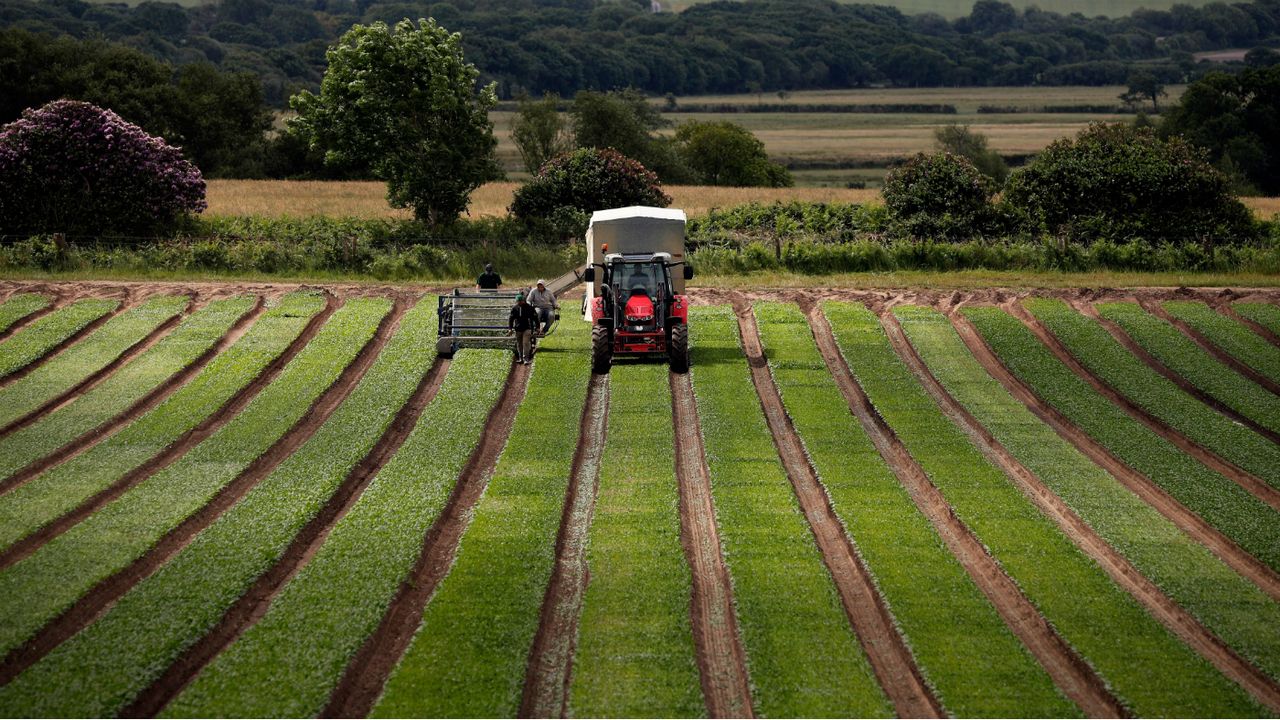
One such agriculturally-based project is being conducted by Prof. Gaurav Moghe, plant biology. Moghe studies the evolution and applications of plant metabolism. He is currently working on improving sweet potato cultivation in New York State — a superfood that may be key to nutritional improvement due to its antioxidant properties. “Sweet potatoes produce a class of compounds which are very unique,” Moghe said. “There is a lot of interest in sweet potatoes in terms of the health benefits.”
Moghe’s lab aims to tap into the association between sweet potatoes and microbes to make them more resilient, meaning they would have a greater tolerance for environmental stressors. By exposing crops to Arbuscular mycorrhiza — a fungal species that increases nutrient absorption of sweet potatoes by expanding the surface area of their roots — Moghe hopes to make the crop more accessible to New York State farmers.
Cold tolerance in crops and reduction in crop loss are other focuses of Moghe’s research, as the two are primary concerns of farmers looking to invest in sweet potatoes. The Moghe lab investigates the structural diversity of sweet potatoes and aims to pinpoint what factors contribute to its reliance.
The lab is also collaborating with Dyson School faculty, local farmers and the Cornell Cooperative Extension to see how they can factor in farmers’ expenses in crops to assess the profitability of growing sweet potatoes.
In addition to agricultural projects, the grant also supports efforts to service New York State residents from a social and economic perspective.
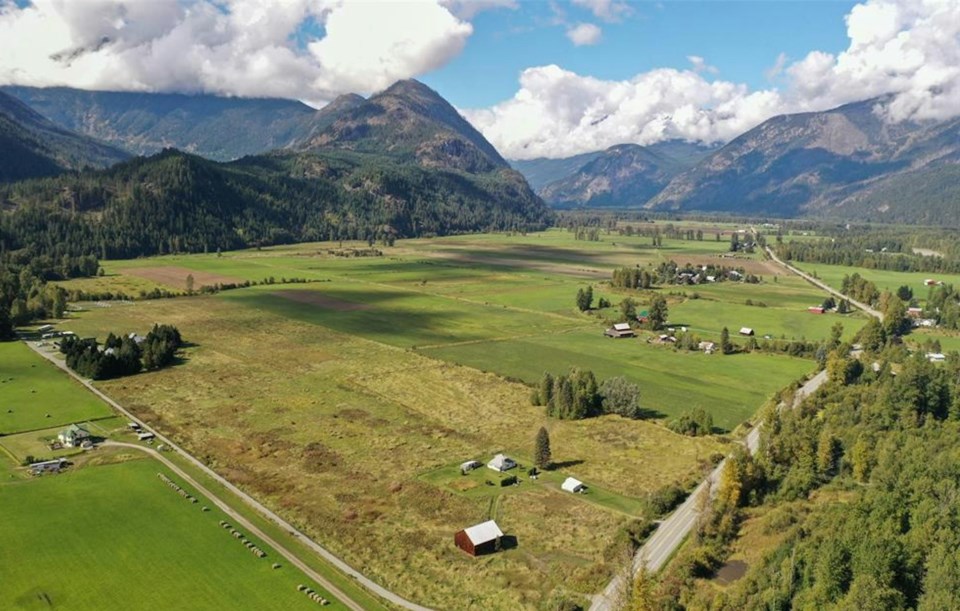
Another grant recipient, Prof. Mildred Warner, global development, is leading a project concentrated on observing population demographic changes in rural New York State communities.
According to Warner, there has been a pattern of population decline and increased mortality in rural areas, which may be attributed to reduced access to quality healthcare, lack of food quality, poor infrastructure and less supportive government structures. She added that trends were further exacerbated by the COVID-19 pandemic.
Warner and her students are currently surveying how localities are spending their American Rescue Plan money, and how local governments are promoting equity in their use of American Rescue Plan funds.
“One of the things that I’ve been trying to figure out is what is it that communities can do to be better places for children to grow up and for adults to grow old,” Warner said. “For students, it’s nice to get outside the classroom and interact with local officials and get to present your work… we don’t have a classroom budget for travel, so this grant can help provide that.”
Students in Warner’s lab have recently presented their research at conferences for the New York State City Managers Association and the American Planning Association. In March, a group of her students will showcase their work at the Rockefeller Institute in SUNY Albany.
In addition to Moghe and Warner, other faculty members awarded with grant funding are serving New York State communities by researching pest management practices, invasive species, flood risk management and environmental conservation amongst other projects.
“Basically, grants are used to support professors’ research. In my case, it’s a collaboration across many states,” Warner said. “Those of us who are interested in rural demography and community development have joined together in a multi-state project looking at rural demographic change and what we can do about it.”
Source - https://cornellsun.com