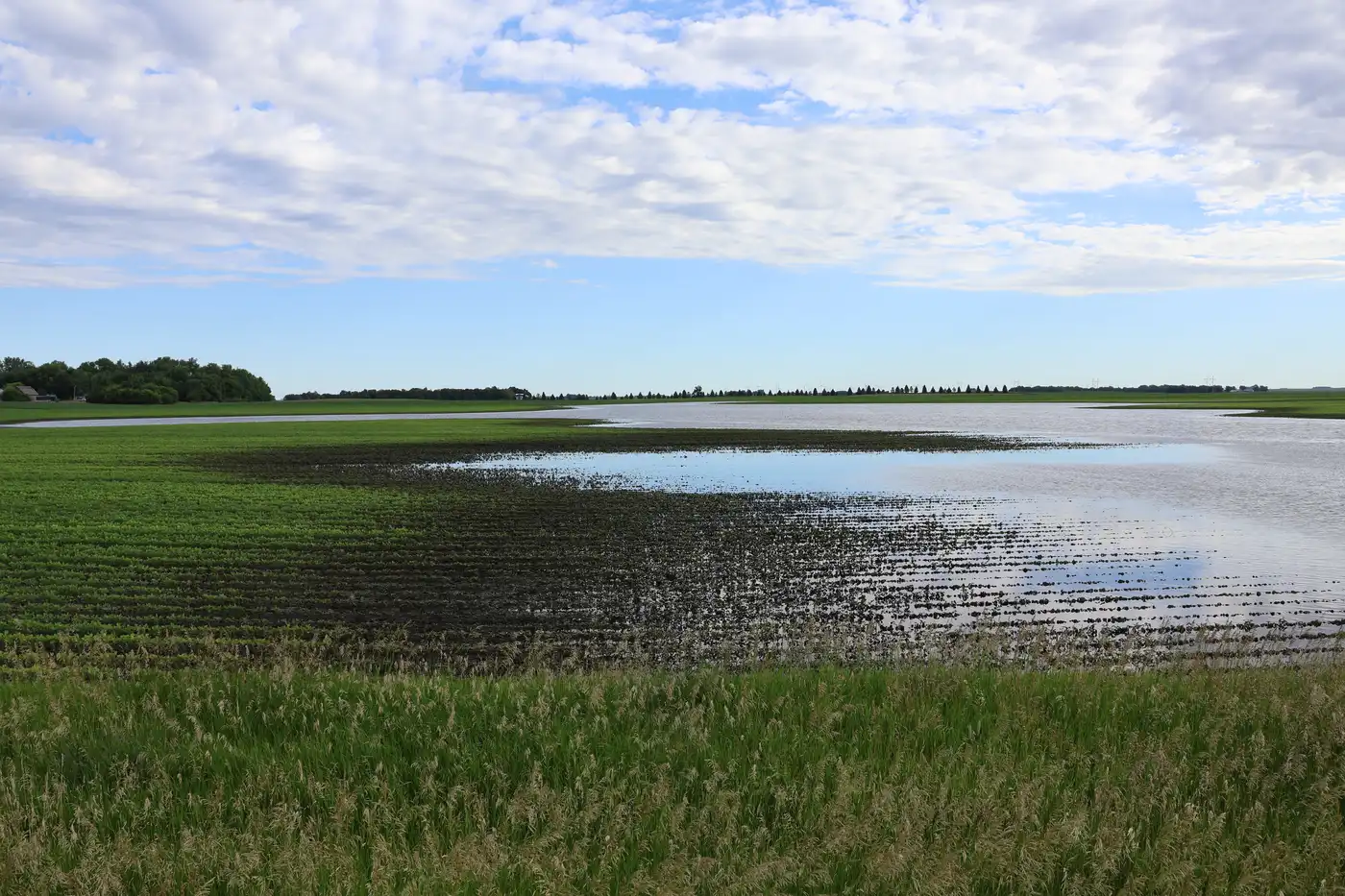
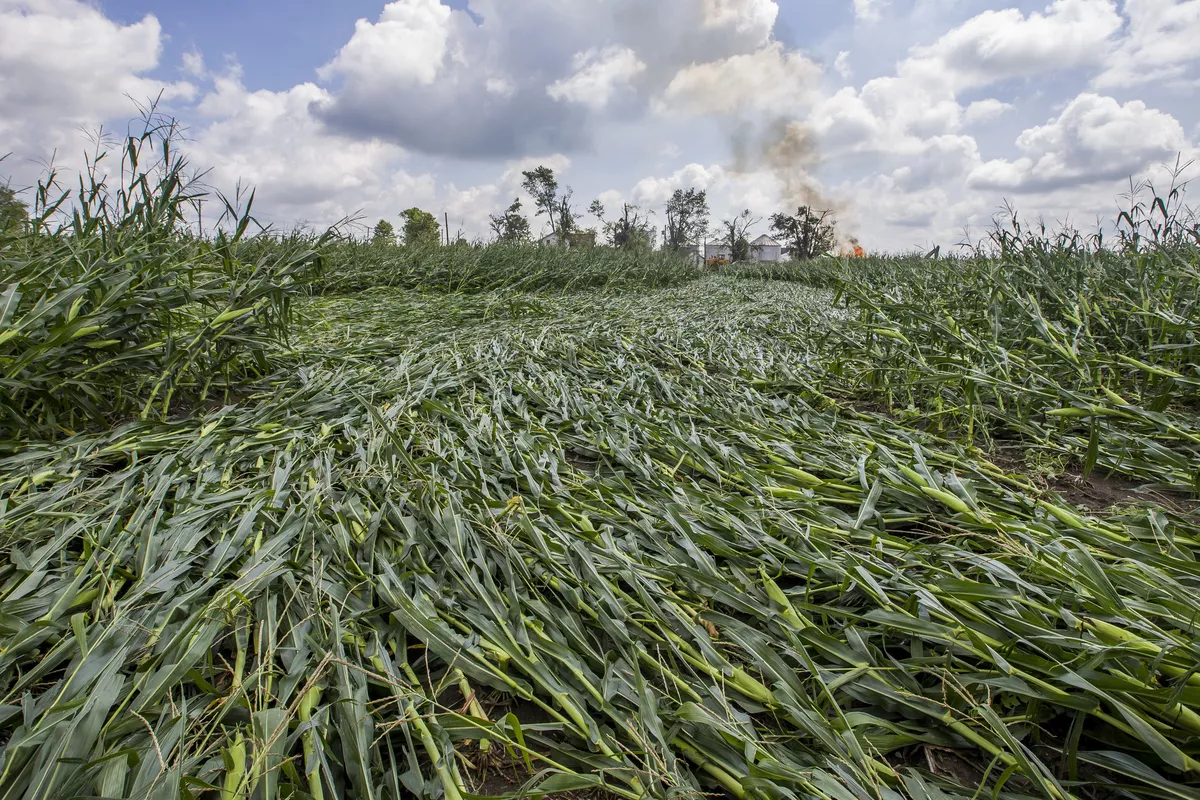
Agriculture Secretary Tom Vilsack today announced plans to roll out $3.7 billion in Emergency Relief Program (ERP) and Emergency Livestock Relief Program (ELRP) assistance to crop and livestock producers who sustained losses due to a qualifying natural disaster event in calendar year 2022. USDA is sharing early information to allow producers time to gather documents in advance of program delivery. Through distribution of remaining funds, USDA is also concluding the 2021 ELRP program by sending payments in the amount of 20% of the initial ELRP payment to all existing recipients.
“U.S. agricultural producers nationwide endured crippling natural disaster events in 2022 including a megadrought, Hurricane Ian, epic flooding and catastrophic wildfires. To say these events were costly is an understatement,” Vilsack said. “Last year USDA streamlined the delivery of natural disaster assistance, speeding up the timing of payments and cutting the time spent on paperwork by 90% or one million hours relative to previous disaster programs. While we will use the same streamlined approaches, funding is limited and significantly less than the estimated losses. We are designing payment factors that ensure the fair, equitable and efficient delivery of program benefits to help as many producers as possible offset the significant financial impacts resulting from these ongoing and widespread natural disasters.”
Background
On December 29, 2022, President Biden signed into law the Disaster Relief Supplemental Appropriations Act, 2023 (P.L. 117-328) that provides about $3.7 billion in financial assistance for agricultural producers impacted by wildfires, droughts, hurricanes, winter storms and other eligible disasters occurring in calendar year 2022.
Additionally, the Act specifically targets up to about $500 million to livestock producers for losses incurred due to drought or wildfire in calendar year 2022.
ERP 2022 for Crop Producers
USDA, through the Farm Service Agency (FSA), intends to deploy the lessons learned from the development and implementation of ERP and ELRP for previous years’ losses to ensure expedited assistance for 2022 losses.
Based on positive feedback from producers, stakeholder groups and FSA county office staff, USDA intends to provide an ERP track for producers who had coverage through Risk Management Agency’s federal crop insurance or FSA’s Noninsured Crop Disaster Assistance Program (NAP). Through a streamlined application process, USDA intends to be in a position to send pre-filled applications directly to eligible producers in early summer.
For producers who have not been able to avail themselves of risk management coverage or whose losses were not covered, USDA intends to offer a program track to access ERP assistance with assistance provided to producers who suffered a decrease in allowable gross revenue in 2022 due to necessary expenses related to losses of eligible crops from a qualifying natural disaster event.
Instead of implementing these program tracks as two separate phases on different timelines, FSA intends to make both tracks available to producers at the same time, noting that the first track will follow a streamlined process with less paperwork burden, based on existing, available risk management data. The second ERP track would require that producers provide FSA with certain information related to revenue.
ELRP 2022 for Livestock Producers and Close Out of ELRP for 2021
For impacted ranchers, USDA intends to leverage FSA’s Livestock Forage Disaster Program (LFP) data to deliver ELRP assistance for increases in supplemental feed costs in 2022.
To be eligible for an ELRP payment for 2022 losses, livestock producers will need to have suffered grazing losses from wildfire or in a county rated by the U.S. Drought Monitor as having a D2 (severe drought) for eight consecutive weeks or a D3 (extreme drought) or higher level of drought intensity during the 2022 calendar year and have applied and been approved for 2022 LFP. Additionally, otherwise eligible producers whose permitted grazing on federally managed lands was disallowed due to wildfire will also be eligible for ELRP payments if they applied and were approved for 2022 LFP.
In a continued effort to streamline and simplify the delivery of ELRP benefits, eligible producers will not be required to apply for payment.
Meanwhile, FSA also intends to provide additional assistance to ranchers for qualifying livestock losses from drought and wildfire in 2021. More information will be announced in the coming months.
How Producers Can Prepare
To participate in ERP and ELRP for 2022 losses, both crop and livestock producers should have or be prepared to have the following forms on file with FSA:
- Form AD-2047, Customer Data Worksheet (as applicable to the program participant);
- Form CCC-902, Farm Operating Plan for an individual or legal entity;
- Form CCC-901, Member Information for Legal Entities (if applicable); and
- Form AD-1026 Highly Erodible Land Conservation (HELC) and Wetland Conservation (WC) Certification.
Most producers, especially those who have previously participated in FSA programs, will likely have these required forms on file. However, those who are uncertain or want to confirm should contact FSA at their local USDA Service Center.
In addition to the forms listed above, underserved producers are encouraged to register their status with FSA, using Form CCC-860, Socially Disadvantaged, Limited Resource, Beginning and Veteran Farmer or Rancher Certification, as certain existing permanent and ad-hoc disaster programs provide increased benefits or reduced fees and premiums.
Producers with eligible crop losses who did not have federal crop insurance or NAP risk management coverage for 2022 and intend to apply for ERP assistance will need to pull together revenue information that is readily available from most tax records. FSA encourages producers to have their tax documents from the past few years and supporting materials ready including Schedule F (Form 1040) and Profit or Loss from Farming or similar tax documents. FSA will not require these forms to be submitted with the ERP application, but will require a certification, similar to Adjusted Gross Income certification that has been used for many years for Farm Bill programs. Applicants simply report and certify to the information required for the program.
Crop producers who have federal crop insurance coverage should ensure that information on file with their insurance agent is accurate and that any pending activities needed to file loss claims for 2022 losses are addressed as soon as possible. Producers who received ERP assistance last year or who will receive assistance for 2022 losses are required to purchase crop insurance or NAP for the next two crop years.
Source - https://www.usda.gov