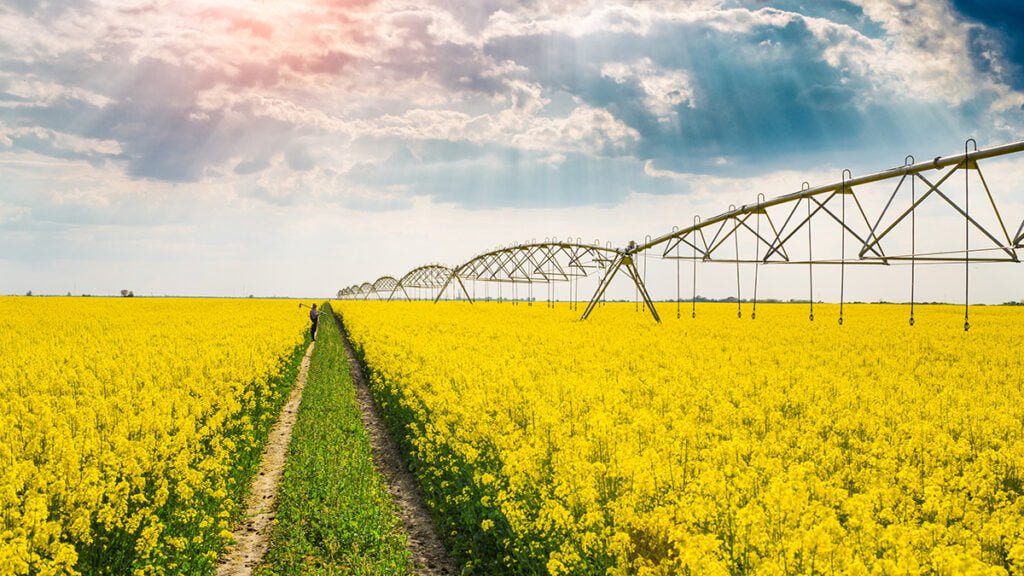
Vegetable prices in the U.S. are around 40% higher this year and experts are saying climate change has played a prominent role. Bloomberg is reporting that Arizona produces 90% of leafy greens in the U.S. from November through March each year, but crop production has been greatly affected this year by a drought forming from reduced water levels in the Colorado River.
The decreasing amount of snow and rain has dwindled in recent years, moving into its 23rd year of drought, causing the Colorado River to shrink, according to research by Nature Climate Change.
The U.S. announced it plans to withhold about one-fifth of the water next year that’s given to Arizona’s farmers as climate change and the drought impact the Colorado River.
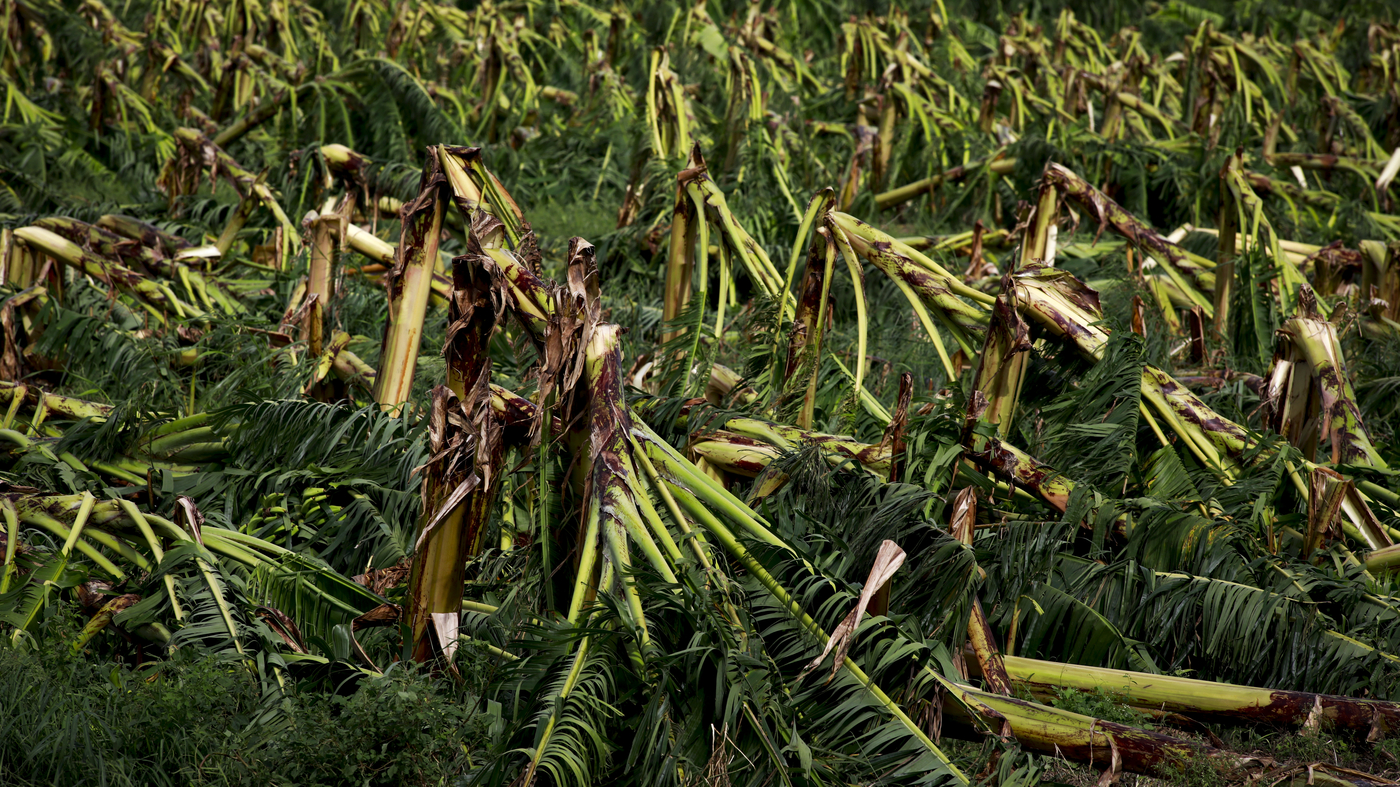
Meanwhile, California is known as the top state in the U.S. for agriculture but has faced severe droughts this year, resulting in $3 billion worth of losses, and after Hurricane Ian and Hurricane Nicole made landfall in Florida, it cost the produce industry nearly $2 billion across the state.
The loss in agriculture has prompted a rise in retail prices across the U.S., helping to drive inflation costs to the highest levels in 40 years. “There’s just not enough water to grow everything that we normally grow,” Don Cameron, president of the State Board of Food and Agriculture, told the Times of San Diego.
The cost of produce was up by 38.1% in November from the previous month, and the producer price index, which measures what companies are paid for their products, increased by 0.3% in November compared to the previous month, and increased 7.4% from a year ago, according to the U.S. Bureau of Labor Statistics.
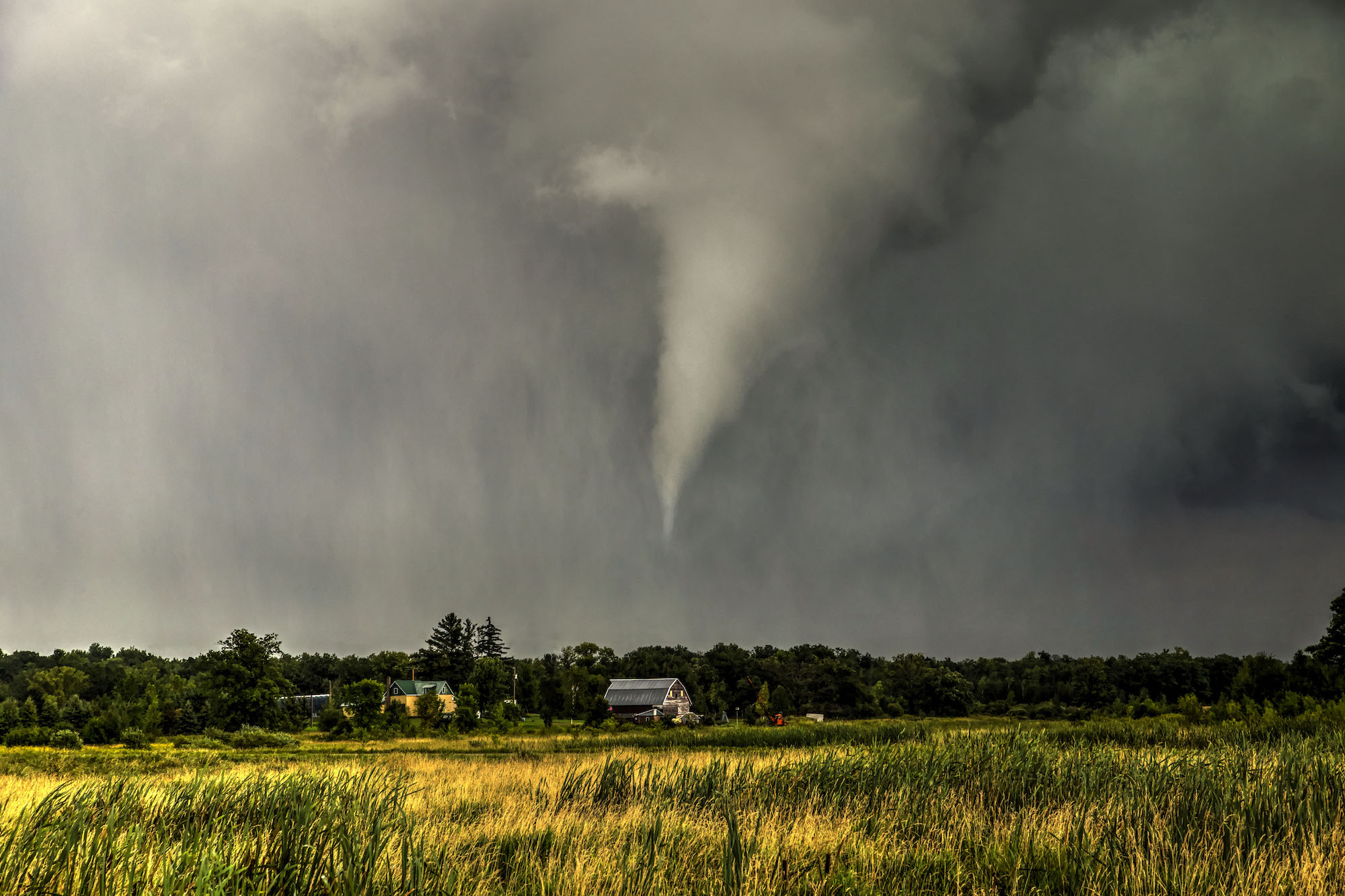
Scientists have warned against climate change for decades, saying increased global temperatures will bring about extreme and unusual weather changes. The National Oceanic and Atmospheric Administration reported as of October of this year, there have been more than a dozen weather or climate disaster events, resulting in over $1 billion in losses in each instance.
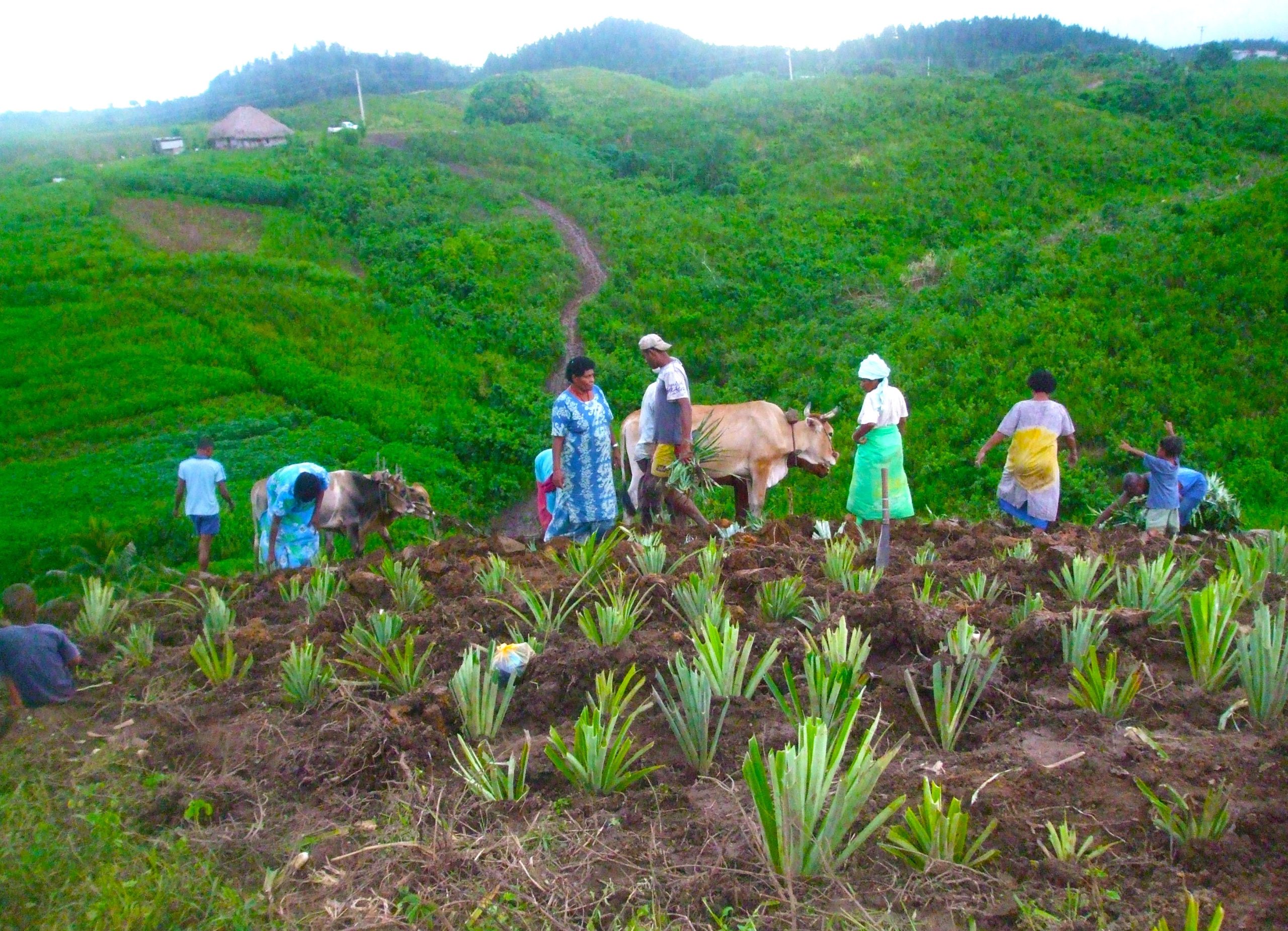
“Every year the farmers who feed our nation get smarter and more resilient, but it’s increasingly stressful to adapt to the extreme variability they face,” Erica Kistner-Thomas, with the U.S. Department of Agriculture’s National Institute of Food and Agriculture, told USA Today. She added, “One year they’ll have the best year ever and then the next year they’ll be hit with a major flooding event or drought.”
Paul Mitchell, a professor of agriculture and applied economics at the University of Wisconsin, Madison told the outlet although “crops are more resilient to dry weather than they were 20 years ago,” as the events devastating crops become more frequent, crops won’t be able to adapt quickly enough.
“U.S. agricultural productivity is rising, but it’s not becoming more resilient to extremes,” Mitchell said and questioned, “When bad years start to line up, are we doing things to prepare for the unusual as it becomes more usual?”
Source - https://news.yahoo.com