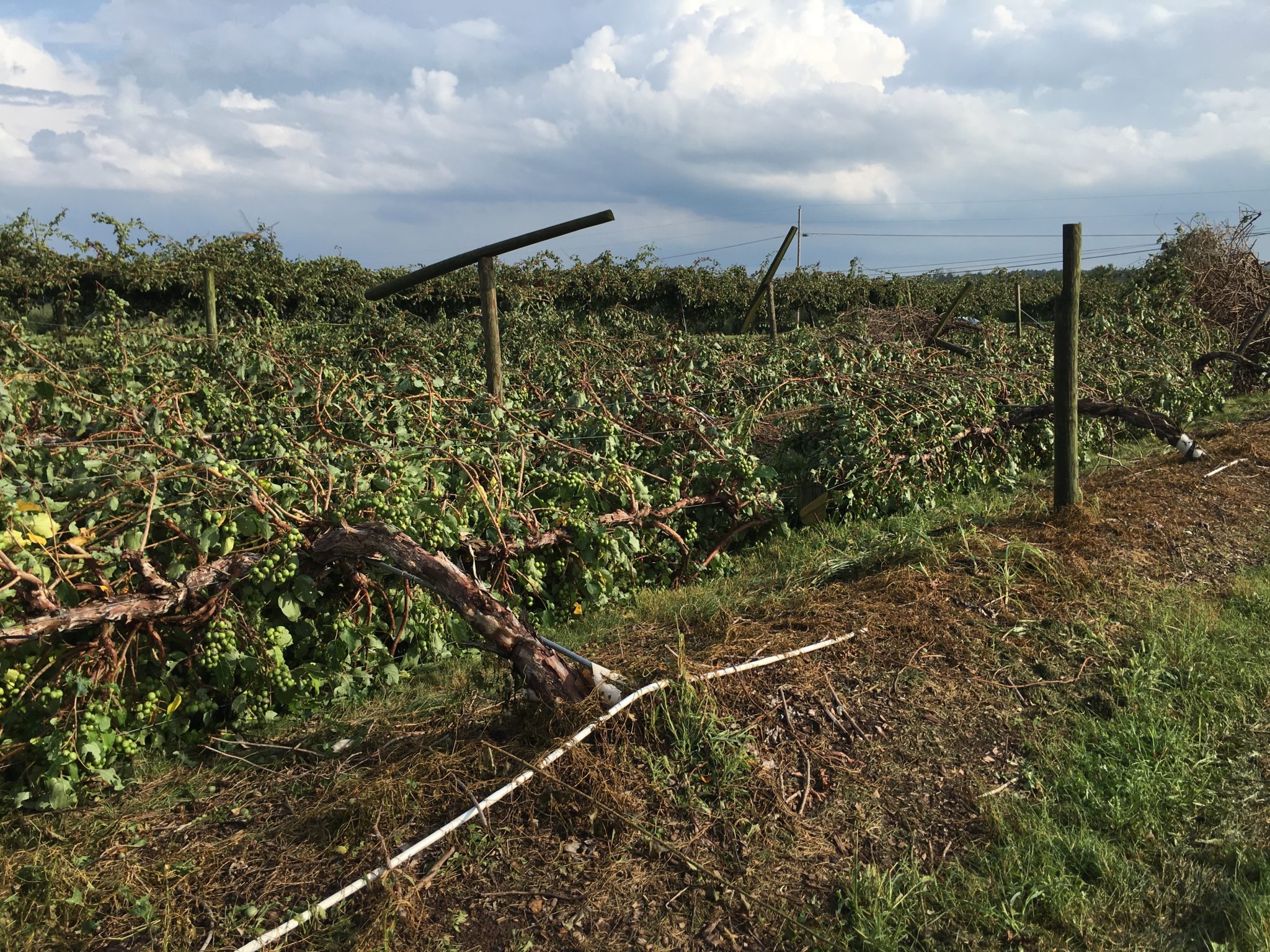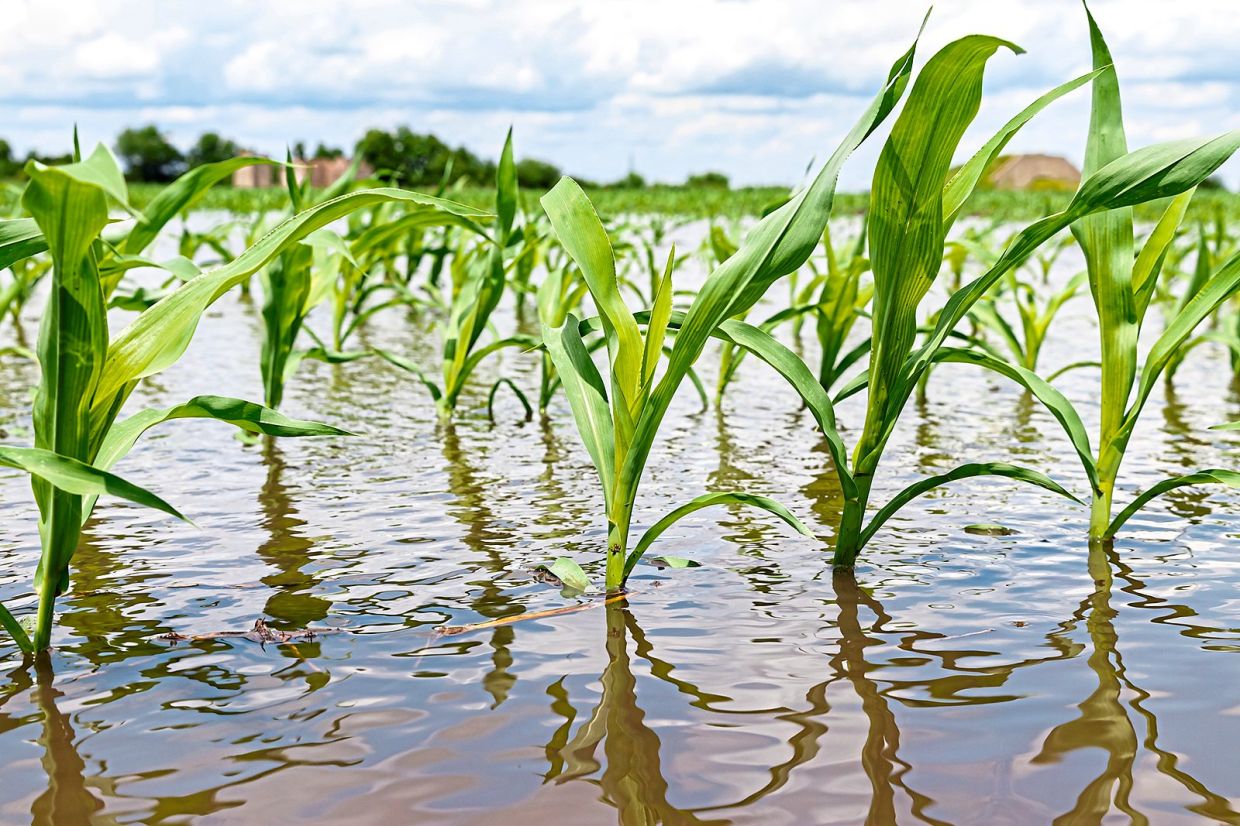
On the anniversary of last year’s flood, farmers are facing another round of huge losses. The full size and scope of the damage is unclear but there is significant damage in several Vermont communities. Our thoughts are with all Vermonters and their families who are recovering from this devastating event. The Vermont Agency of Agriculture, Food and Markets (VAAFM) has assembled important guidance and resources for the state’s agricultural members and communities to facilitate recovery.
“Here we are again. It’s hard to imagine just one year after extreme flooding, we are again facing severe weather issues and more flooding. Many of our farmers, producers and citizens were once again hit with damage,” said Anson Tebbetts, Vermont Secretary of Agriculture. “We also have a new round of farmers who were spared last year but were hit this time.”
To help our farmers VAAFM has assembled a series of suggestions and resources to help with recovery.
Below are highlights from the VAAFM Flood Recovery Resource website at https://agriculture.vermont.gov/flood.
What farmers affected by flooding should do now:
- Document damage to your farm from flooding and severe storms that began July 10, 2024. Farms and impacted businesses are encouraged to prepare for future program requirements by capturing date stamped photos, estimated crop loss, and infrastructure damage.
- Report damage, including any damage to your home, on the Vermont 211 website or call 2-1-1. Note that there are different forms to complete for “personal” and for “business” damage. Reporting damage to 211 will help determine whether a certain county is eligible for federal FEMA resources.
- Contact your county USDA Farm Service Agency (FSA) Service Center to determine which federal agricultural disaster programs you may qualify for and submit relevant documentation. Reporting agricultural damages and losses to FSA supports a USDA secretarial disaster designation for affected areas of Vermont that can result in additional federal programs for agriculture. Some crop and livestock programs are available immediately. Support for self-assessment of program availability can also be found here: https://www.farmers.gov/protection-recovery/disaster-tool
Additional steps that may be helpful and relevant to you and your business:
- Contact your insurance company with potential crop loss, anticipated yield reductions, or infrastructure damages. They may send an adjuster to document any claims. Private insurance may be the primary mechanism to recover financial losses due to flooding.
- Contact your lenders to request a waiver on loan payments during this emergency period.
- Connect with a trusted service provider to discuss your business or production concerns. If you are looking for a farm viability advisor, contact the Vermont Farm & Forest Viability Program, and if you are seeking technical assistance contact your local conservation districts or UVM Extension.
- Reach out to Farm First for free access to a counselor. While your immediate needs are in the fields, if you need to access a counselor, please reach out to the Farm First team in any of the following ways.
- During daytime working hours (8am-4:30pm M-F) call: 802-318-5538
- Outside of daytime work hours call: 877-493-6216 (use this if daytime # is busy)
- Or fill out Farm First support inquiry form.
We recognize that recovery from this emergency will take significant time, energy, and resources. The Vermont Agency of Agriculture, Food and Markets is here to help. Please reach out to us through email at agr.floodresponse@vermont.gov or call 802-828-5667 to talk.
Other state agricultural organizations can also help, including Farm First. They can assist farmers and their families with access to resources including technical, legal, or financial assistance as well as a counselor or trained peer.
Source - https://vermontbiz.com