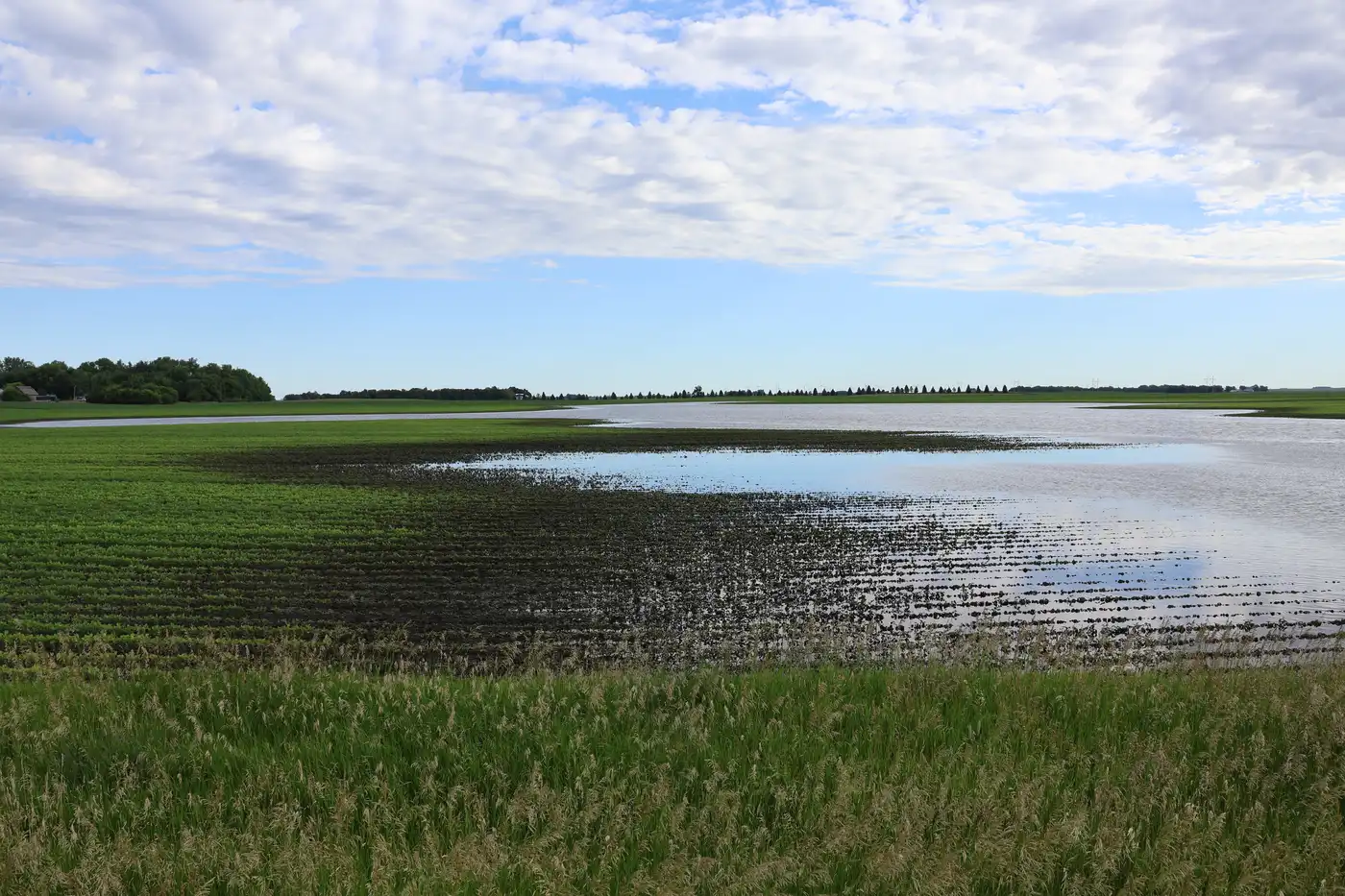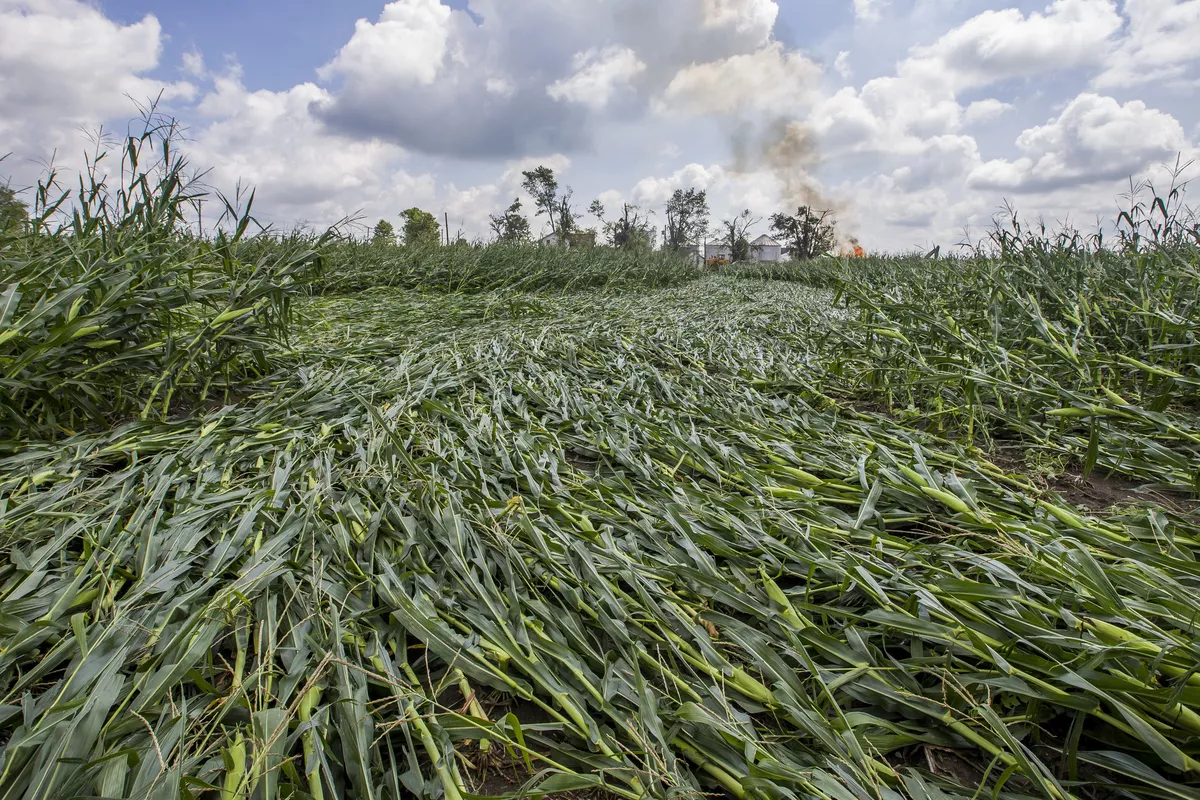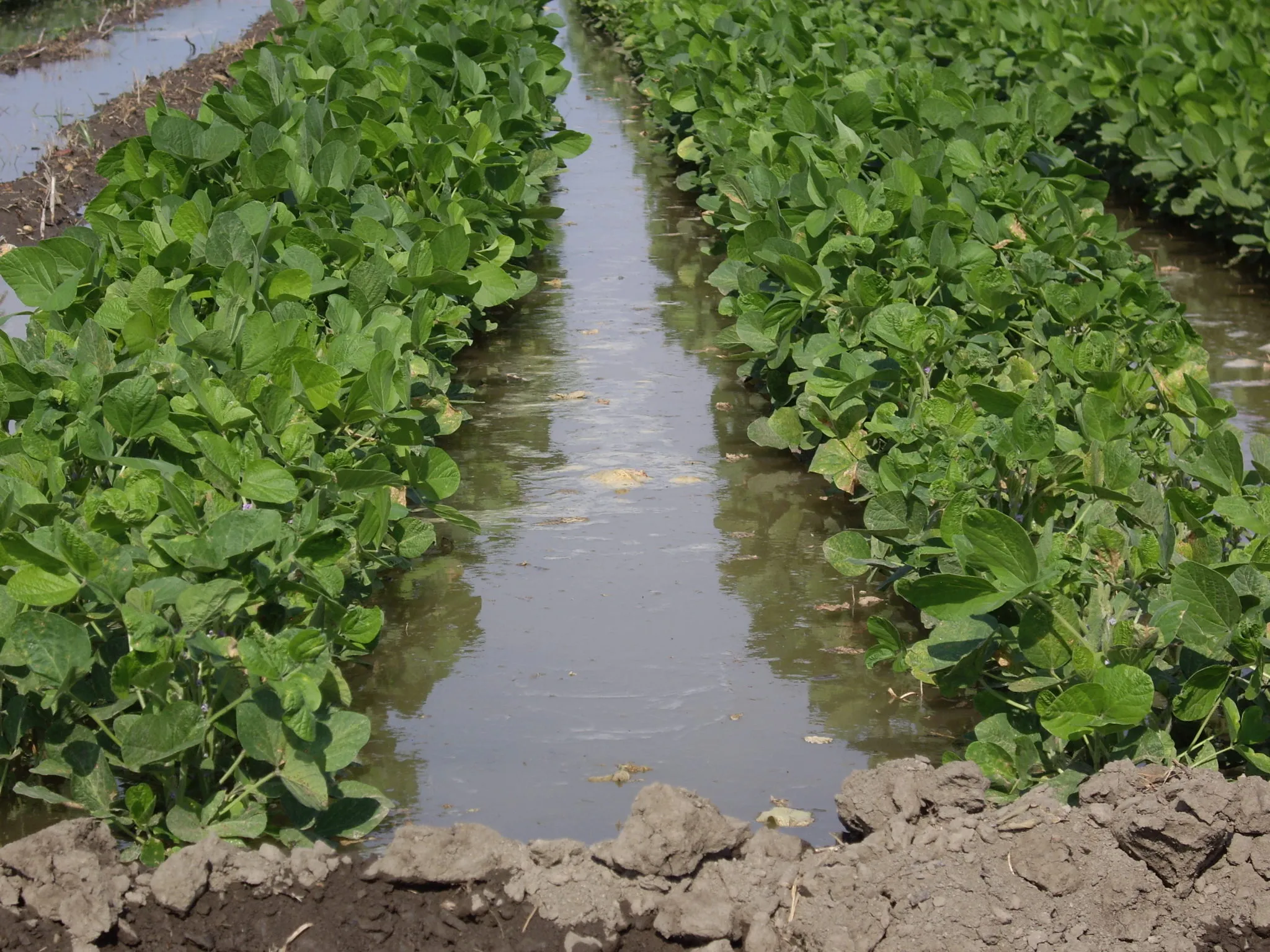
The recent torrential rains and subsequent flooding have led to massive crop loss for farms around Vermont. Immediate help is available through community organizations, and some farmers are already thinking about what steps to take for future floods.
Our guests:
- Sam Smith, farmer business director at the Intervale Center in Burlington
- Grace Oedel, executive director of the Northeast Organic Farming Association of Vermont (NOFA-VT)
- David Marchant, owner of River Berry Farm in Fairfax
- Joie Lehouillier, owner of Foote Brook Farm in Johnson
How the July 2023 flooding has impacted Vermont farmers
Some Vermont farmers have lost entire crops for the season, while others sustained damage to vital infrastructure. According to the Northeast Organic Farming Association of Vermont, almost 100 farmers have filed forms documenting extreme loss from flooding.
"And that's just folks who were able to get to filling out a form in the last few days," said NOFA-VT executive director Grace Oedel. "We anticipate many more than that to come in."
Intervale Center farmer business director Sam Smith says there are seven active farmers growing on 130 acres or so, and after 3 to 5 feet of water covered fields in Burlington last week, those farms experienced pretty much 100% crop loss.
Smith says the flooding was much worse than predicted.
“A lot of farmers were anticipating a flood that was very significant but was not catastrophic, but that shifted very quickly," he said.
Among those to lose crops is Maya Gurung Subba, who is from Bhutan and is one of the community leaders with New Farms for New Americans. Her family has been farming with the program since 2009.
"It's really heartbreaking," she said, adding how hard people in the program work to grow food. "You know, what can we do? We cannot stop this, it is a natural thing."
The worst-than-forecast flooding is what Joie Lehouillier says really impacted her operation, Foote Brook Farm in Johnson. Without much heads up, she says the water rose in their barn.
"We lost our barn, which — it's still standing," Lehouillier said. "Everything inside it was lost, and that has everything we kind of need to keep going: ice machines and giant coolers and packaging, and you know, damage to wash rooms."
One Proctorsville chicken farmer wrote in to Vermont Edition to say the waters took both buildings and livestock.
"[I] had 47 laying hens," wrote Angela Murphy. "All the sheds and coops were destroyed, all the birds drowned. My livestock guardian dogs are with us, but at a loss without their job. It is a devastating feeling."
At River Berry Farm in Fairfax, owner David Marchant said they had 8 feet of water in their lower fields at one point, destroying between half and almost three-quarters of their crops.
"We had some significant erosion in one field, where we have to get the bulldozers in and try to repair the damage where it took a lot of soil," he said. "Five-foot, 6-foot holes in the fields."
Where farmers can find help
Right now officials are urging farmers to document their losses through the U.S. Department of Agriculture's Farm Service Agency.
"Reporting damage is the number one step, and the sooner the better," said John Roberts with the USDA.
As of Monday, agricultural producers reported damage to 7,000 acres of Vermont farmland.
By Tuesday afternoon, the U.S. Secretary of Agriculture had not yet issued a disaster designation for Vermont.
“As soon as the declaration is approved, if it's approved, by the Secretary down in Washington, that will start to free up more resources for our farm community,” said Vermont Agriculture Secretary Anson Tebbetts. He added that will include emergency funds.
In the meantime, many farmers say they've gotten help from their neighbors, whether through clean-up, prepared meals, mechanics looking at tractors, GoFundMe donations or moral support.
"In times of climate emergency, what we're gonna have is our community," Oedel said. "And what I'm finding right now is that is what we have, who is showing up, what is available immediately — our community. You know, community funds, community resources, neighbors are checking on each other and keeping each other safe, first and foremost."
Here are the resources currently available for Vermont farmers:
- NOFA-VT Farmer Emergency Fund (grants up to $5,000)
- Intervale Center Recovery Fund (cleanup and recovery funds for Intervale Center and farms)
- Vermont Farm Fund at the Center for an Agricultural Economy (0% interest loan funds)
- FarmFirst (mental health and other resources for farmers)
- Vermont Agency of Agriculture, Food and Markets (resource page)
- Free soil testing (from UVM Extension, through Aug. 15)
Some applicable USDA programs accessible through the FSA:
- Emergency Conservation Program (cost-share payments)
- Noninsured Crop Disaster Assistance Program (risk coverage program)
- USDA Livestock Indemnity Program (payments for excessive livestock loss)
- USDA Emergency Assistance for Livestock, Honey Bees, and Farm-raised Fish (payments for losses due to adverse weather events)
Planning for Vermont's agricultural future
Some Vermont farmers are already thinking about how to avoid catastrophic damage for the next time it floods.
Joie Lehouillier says Foote Brooke Farm in Johnson is eyeing its upper fields for replanting crops this year.
"Farmers always have to think as far ahead as they can," Lehouillier said. "So you know, we definitely have to shift, we might have to become substantially smaller, we might have to stop growing on the fields that are on the lower level."
Smith at the Intervale Center said some infrastructure built to withstand flooding after Tropical Storm Irene in 2011 fared well this past week — for example, a wash-pack facility.
"It had flood doors that were open and allowed the water to flow through the building, instead of pushing up against it and causing more damage," Smith said. "I think the farmers in the Intervale and our community as a whole are generally thinking about this more and are much more inclined to be prepared."
Oedel with NOFA-VT said while the current short-term focus is on mitigating harm to people most affected by last week's flooding, in the long term, there's work to do.
"We know what we need to do to take serious steps collectively to mitigate and prepare for a changing climate," she said. "I think that we just need the sort of collective will to do it. My hope is that this really challenging summer we've been having up here does organize us to come together."
Source - https://www.vermontpublic.org