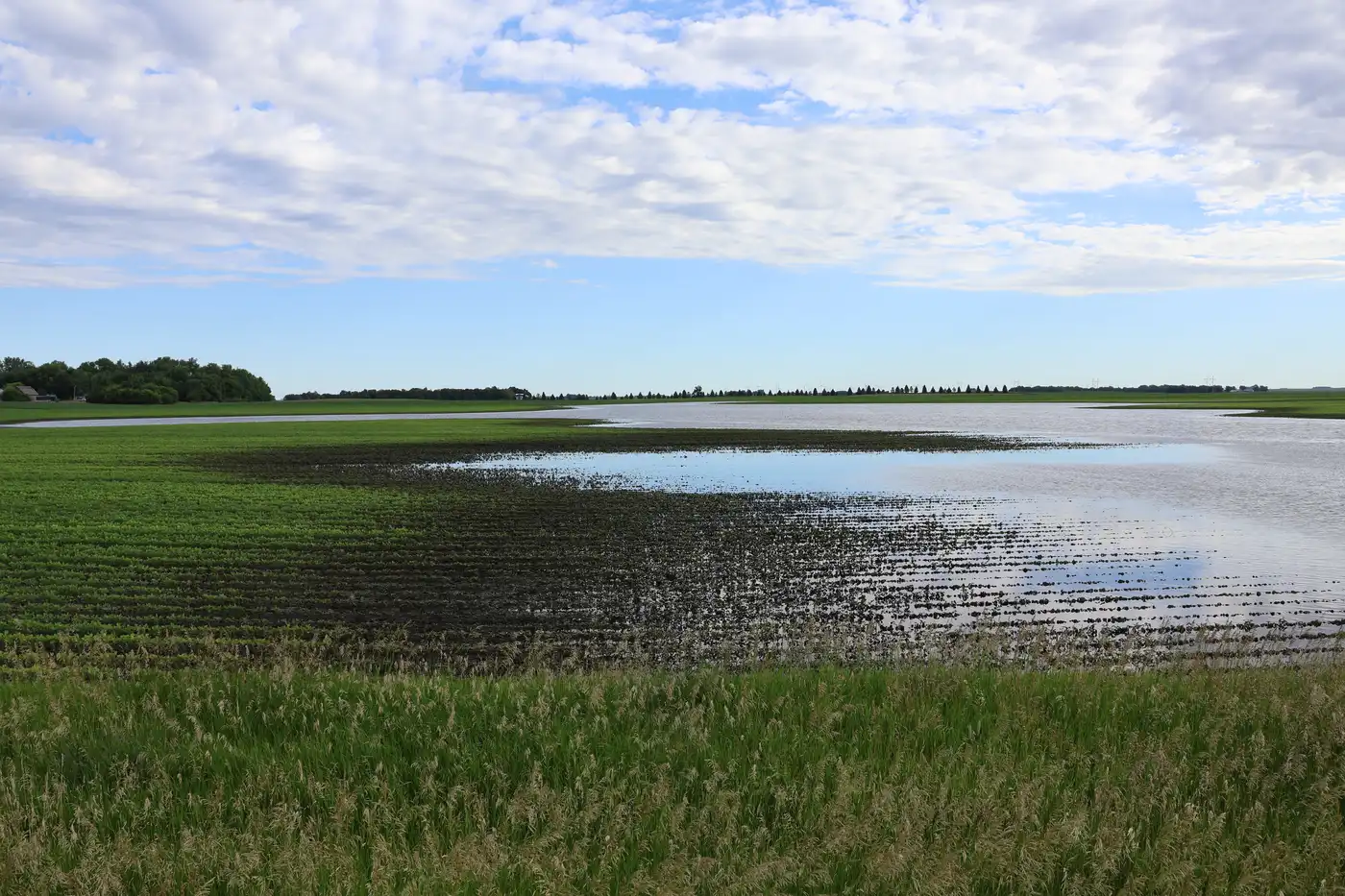
Luke Goessling grows corn and soybeans on about 700 acres near Whitewater. He had to replant about half of his corn this spring because of too much rain.
"We got 2 and a half inches of rain on the field the same day we finished planting and ended up having to replant it all," he said.
But the days of too much precipitation are long gone for most Wisconsin farmers. The state has experienced drought conditions for weeks, and the U.S. Department of Agriculture issued a drought disaster declaration for 27 counties last week.
The latest data from the U.S. Drought Monitor shows severe to extreme drought in much of southern Wisconsin, along with areas in the northwest part of the state.
Shawn Conley is a soybean and small grain specialist at the University of Wisconsin-Madison. He said many farmers who just finished harvesting winter wheat brought in quality grain. Conley said soybean fields are also doing OK, but they'll need at least an inch of rain per week until September to reach their best yields.
"If we don't get rain, we'll start seeing a yield hit on the soybean side of things," Conley said. "Corn is a different matter. I think we've already started to see some corn yield losses out there."
Goessling, who is also vice president of the Wisconsin Corn Growers Association, estimates it's a 50-50 split between farmers who are struggling with drought stress and those that have decent crops.
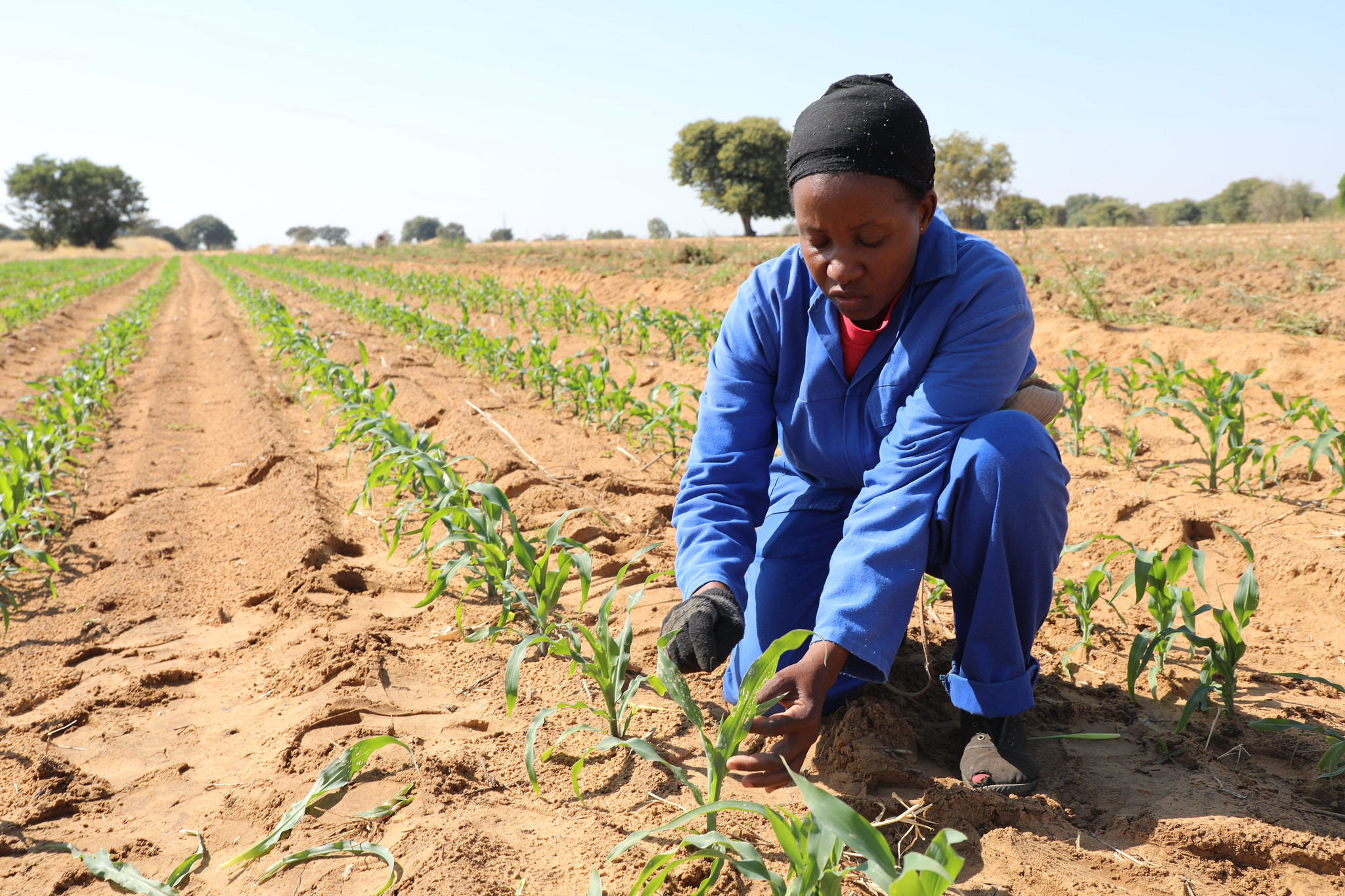
On his farm in Whitewater, Goessling said his early planted corn is heading into the pollination stage, a critical point in development that will determine the crop's yield. He said his late planted corn is looking surprisingly green, but it's still a long way from reaching the tassel stage. Overall, he said the ear count on his fields is definitely diminished from what he normally sees.
Scattered rain showers recently have helped ease the drought stress on a lot of fields. But Goessling said many producers are nervous about pollination this week and next, which needs more mild temperatures and adequate moisture to be successful.
"We're stacking up against some bad stuff happening here, with no rain in the forecast, 90 degree temperatures," Goessling said. "It's not a good scenario right now for most farmers in my area."
Conley said unlike soybeans, which can flower for four to six weeks, pollination for corn happens over the span of about a week. So one bad week can make a huge difference in final yields. He said the lack of moisture already in the soil also means both corn and soybeans will be more dependent on timely rains moving forward.
Data from the USDA's National Agricultural Statistics Service found 62 percent of topsoil moisture and 61 percent of subsoil moisture are considered short or very short.
"There's nothing left in the tank," he said. "In a normal year, where we have some more reserves in the soil water profile, that plant can survive a two-week mini drought. But given how low we are right now, a two-week mini drought will be pretty devastating to our crops as we move forward through August and into early September."
Unless fields have irrigation, there's little a farmer can do about the lack of rain. But Goessling said he will still be keeping busy in coming weeks protecting the crop that he does have from being further reduced by disease or pest pressures.
Conley said now may also be a good time for farmers to start thinking about ways to make their fields more resilient to future periods of drought. He said there's no denying that more extreme weather events have happened in Wisconsin over the last five to 10 years, but there are practices producers can adopt to help protect their crops from the variability.
"We can't totally get away from them, but there are ways to mitigate and minimize the damage or risk," he said.
Source - https://eu.wisfarmer.com