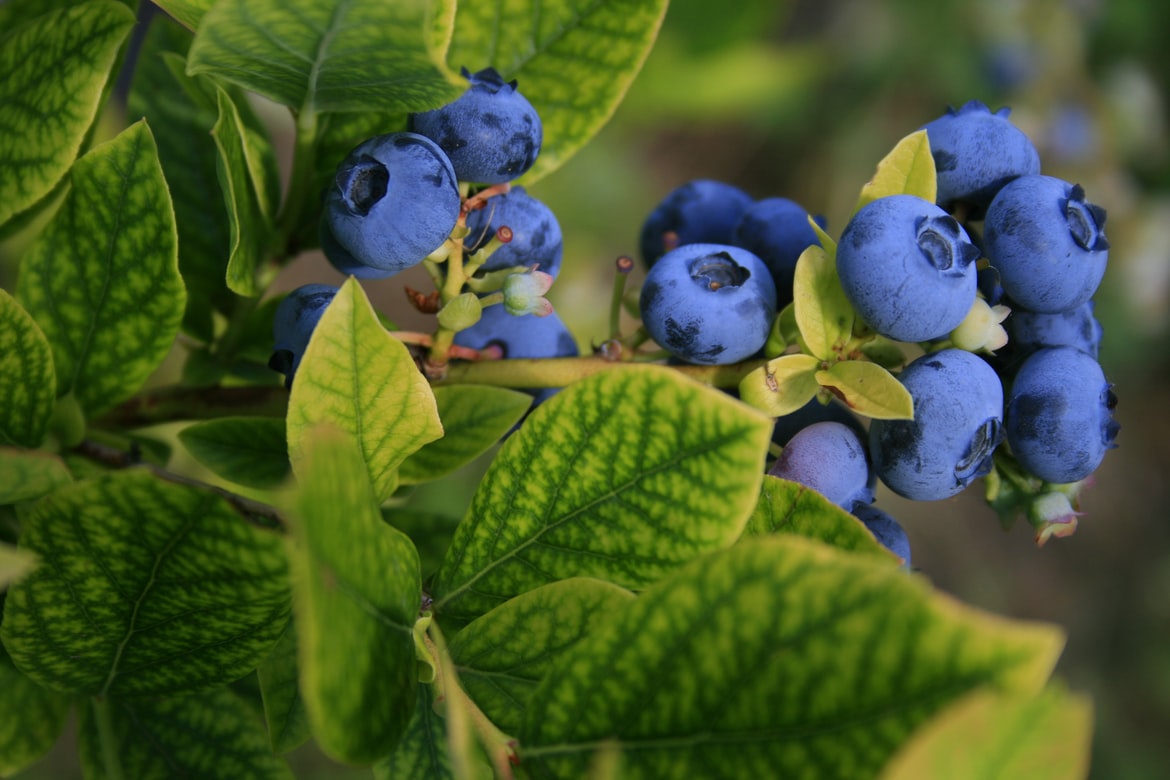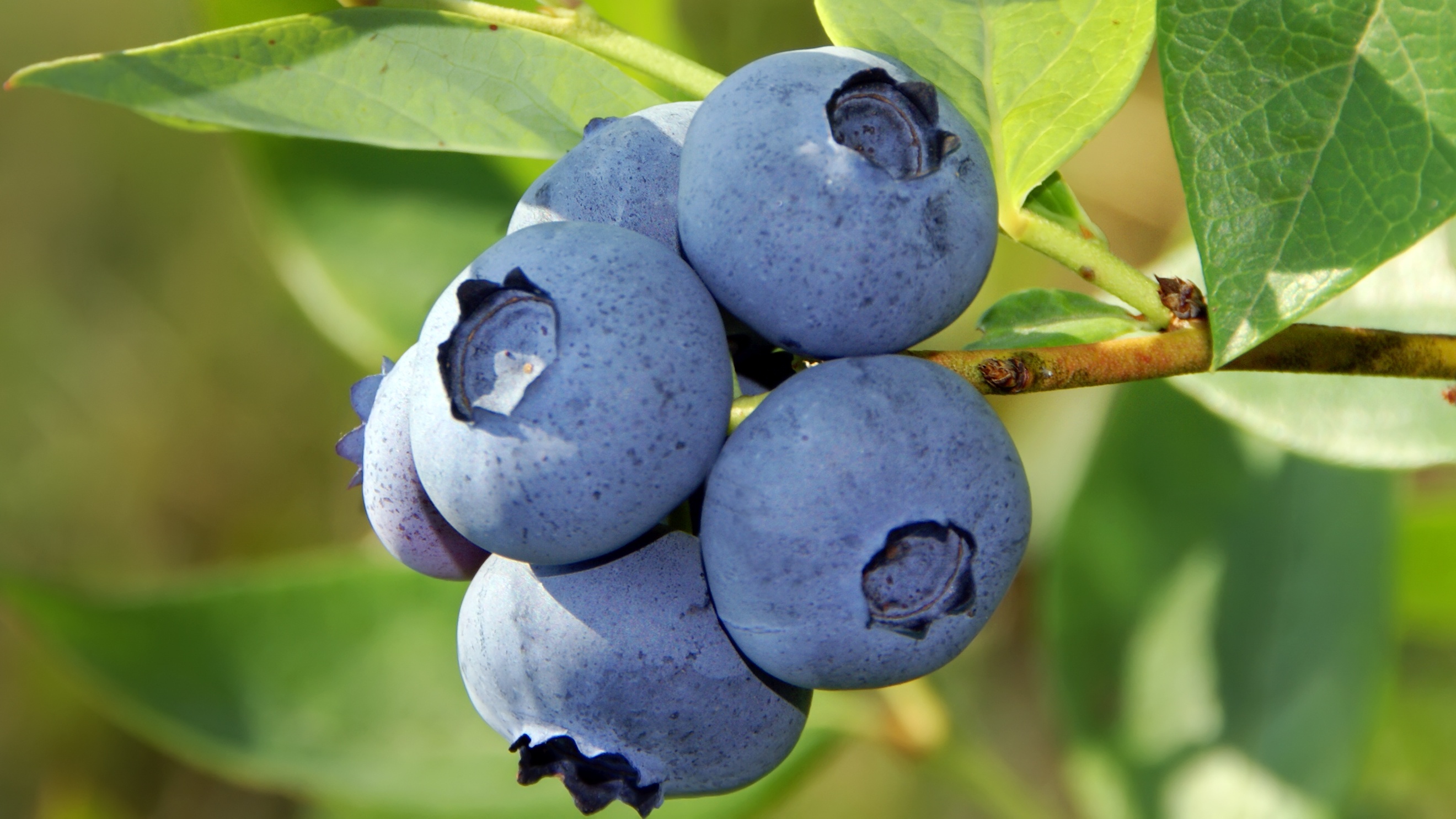
California blueberry harvest is in full swing, and some growers are picking a smaller crop this year after losing fruit to spring frost and hail.
The California Blueberry Commission estimates farms will produce 55 million pounds of the fresh berries this year, down from its original projection of 65 million pounds. The current estimate represents a 15% drop from the 2021 crop, which produced 65 million pounds, according to the commission.
The U.S. Department of Agriculture reported the 2021 crop at 74.5 million pounds compared to 79.3 million pounds in 2020.
Peak season is expected to be in May and early June, the commission said.
Commission Executive Director Todd Sanders described the weather-related damage—which also affected other state crops—as sporadic. It hit some farms in some locations particularly hard, with others escaping with relatively minimal losses.
"We were one of the very few fortunate ones to dodge most of the bullets," said Jayson Scarborough, sales manager for Critchley Family Farms in Fresno County. He noted "slight freeze damage" in one early variety that represents one of the farm's fewest acres.
In contrast, Butte County grower John Carlon, who farms organic blueberries in the foothills east of Chico, experienced a total crop loss from the freeze. He operates one of the oldest blueberry farms in the state, growing older varieties that came from the East Coast. This is the first time in 32 years he will have nothing to pick.
"It's kind of astounding because I've never, ever seen that kind of damage before," he said.
Because of the dry winter, Carlon said he did not have water from a pond that feeds overhead sprinklers for frost protection. Warm temperatures before the freeze advanced flowering, pushing his crop two weeks ahead of schedule when the freeze hit. Even though it was limited to one night and about an hour, he said it was "enough to literally take out our entire crop."
In Tulare County, Young Kwun, who also grows organic blueberries, attributed his lower yields to "unusually cool weather" during pollination that undermined bee activity. He grows mainly earlier varieties that harvest from late April to early June.
With a smaller crop this year, Fresno County farmer Jon Marthedal, who grows conventional and organic blueberries, said prices "seem to be holding a little more steady than was predicted earlier in the season." He noted some of his crop sustained frost and hail damage.
Blueberries remain a relatively new crop for the Golden State, which did not have much commercial production until about two decades ago with plantings of heat-tolerant southern highbush varieties.
State acreage climbed from about 200 in the late 1990s to about 2,000 by 2005, according to USDA. Total state acreage today stands closer to 10,000, Sanders said. Tulare County remains the largest growing region, followed by San Joaquin County, with Fresno and Kern counties nearly tied for third.
Other blueberry-growing regions also have expanded production, most notably Georgia and Mexico, which Scarborough described as "direct overlapping competition."
Georgia's season typically runs from early April to the first week of June. For the third year in a row, weather-related problems doomed the Peach State crop, with not much of it on the market this year.
"For the most part right now our biggest nemesis, if you will, would be the Mexican crop," Scarborough said.
California growers traditionally have focused on the early market, as being first on the scene fetches a higher price. Farmer Kwun noted that's why he grows primarily early varieties.
But with Mexico's diverse growing regions and advances in plant genetics, growers south of the border now "can pretty much hit almost every harvest window," Scarborough said.
"Not only are they a direct competitor; they're able to outcompete us," Kwun said. Though California growers try to market on quality, he said, the state's high costs, especially for labor, make it "hard for us to compete with other countries."
Oregon and Washington, which produce the bulk of the blueberries from the West, also are starting their seasons earlier, oftentimes overlapping with California. With so many players in that space, the early market has "lost a little bit of its luster," Scarborough said.
"We went from almost no competition to a lot of competition," Carlon said. "Everybody keeps figuring out how to grow blueberries in more diverse climates. The season keeps getting earlier and earlier."
There's also greater competition in the organic blueberry market, he said, as more growers shift to the program to capture the price premiums. The commission estimates roughly 40% to 50% of the state's total fresh volume is now organic.
Carlon said he benefits from having a later crop, harvest of which runs from the end of May through July 1. There's a huge push for blueberries two weeks before Independence Day, because "everybody wants to have red, white and blue," he said. At that point, fruit from the San Joaquin Valley is finishing while berries from the Pacific Northwest are not quite ripe, he noted.
"We've just lucked out and hit this little window where we're supplying berries when nobody else really is," Carlon said.
To alleviate pressure from the domestic market, the blueberry commission has focused on "trying to expand our opportunities globally," said Elizabeth Carranza, its trade and technical affairs director. She noted about 25% of the state crop is now exported.
Canada and Taiwan have been top export destinations for California blueberries. The U.S. gained market access to Vietnam in 2019 and to the Philippines and China in 2020. More recently, California, Oregon and Washington received market access to Chile. Carranza said the hope is that South Korea will follow.
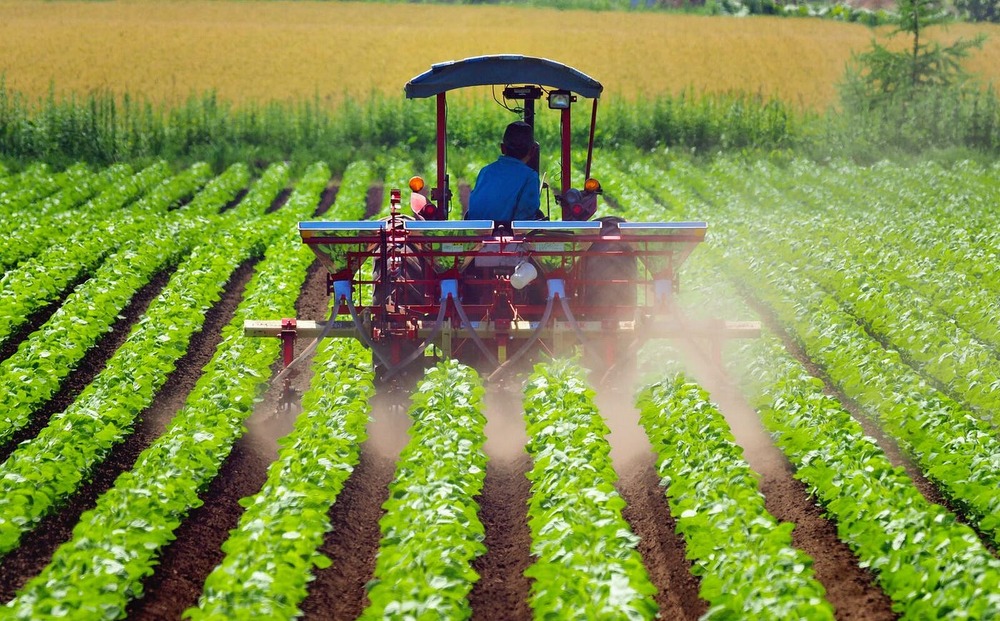
On the production side, Marthedal said advancements in mechanization will help reduce growers' labor costs. He pointed to varieties that better lend to machine harvest and to improvements in the machines themselves. In his own orchard, he said plans to replace older varieties with some of these newer ones.
"We're looking for that perfect variety that we'll machine harvest," he said.
Source - https://agalert.com