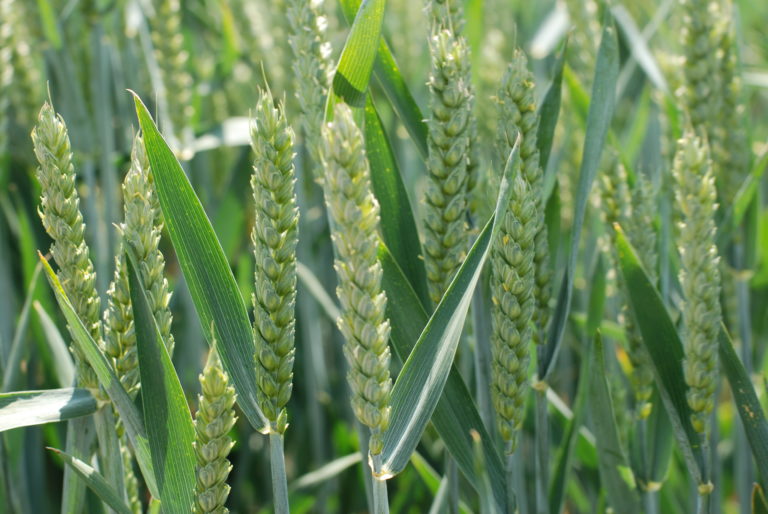
Consistent rains have kept wheat combines out of the field and threatened test weight in some parts of the country.
Kelly Garrett - Arion, Iowa
Kelly Garrett is a fifth-generation farmer in western Iowa. Garrett farms 4,000 acres of corn, over 1,800 acres of soybeans, and 170 acres of winter wheat.
We have more than enough moisture. I know in other parts of Iowa there's some ponding and potentially some crop loss from the excess moisture. It's one of the positives about living in the hills -- the water runs off. Still, we have a few ditches and I do worry about erosion in some areas. Our no-till and cover crops have held nicely, though, so I am very happy about that.
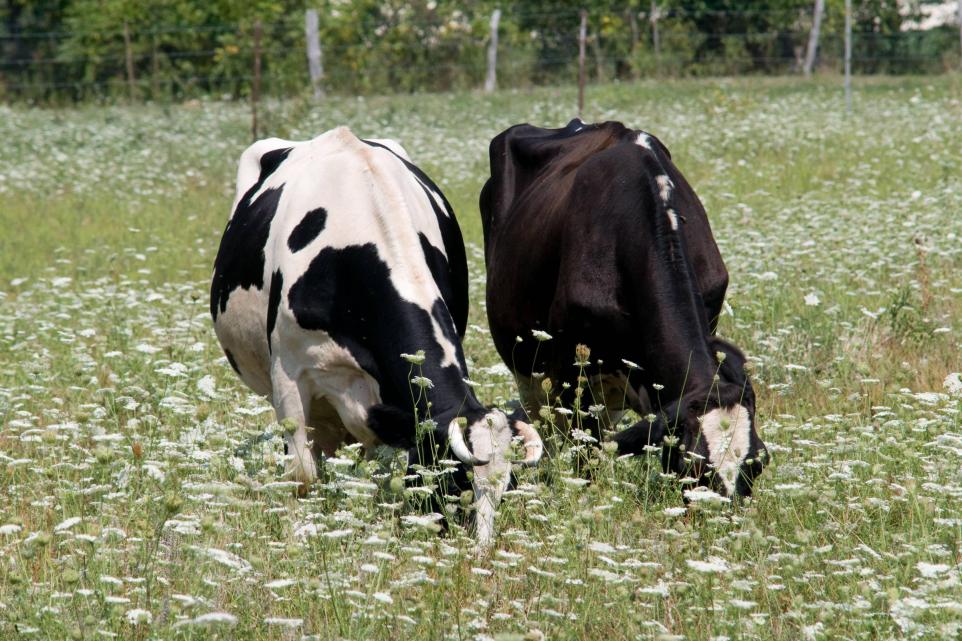
Our crops, for the most part, look exceptional, and I'm excited about the potential we have. We are currently starting our post-application of chemicals on the corn, and next week we'll start on the soybeans. We're busy running the cattle through the chute and working with the calves. Next week, I'm excited because we will seed the warm-season species into the rotational grazing area.
Next week is also my field day so I am very excited about that. It is Thursday, June 13 and I'd love for everyone to attend.
Chad Henderson - Madison, Alabama
Chad Henderson is a fifth-generation farmer in Madison, Alabama. Henderson Farms includes over 8,000 acres of dryland and irrigated corn, dryland soybeans, wheat, and dryland and irrigated double-crop soybeans. When not farming, Chad can be found carrying on another proud family tradition as a drag racer for Henderson Racing.
The corn looks good. We've been getting timely rains, to the point where we actually need it to dry up a bit so we can cut some wheat. However, we can't complain about the rain because it sure is making good corn. We're approaching pollination, and the weather looks good. It looks like we'll be in the mid to high 80s during pollination, which is a blessing as it keeps the heat low during this window.
The wheat is ready to be harvested. We have gotten 2.5 inches of rain over the past week since the wheat has been ready. We all know what rain does to ready-to-harvest wheat. It starts lowering the test weight. We plan to tackle it with four machines and aim to finish within 5 or 6 days. Getting it harvested in a timely manner is the main focus.
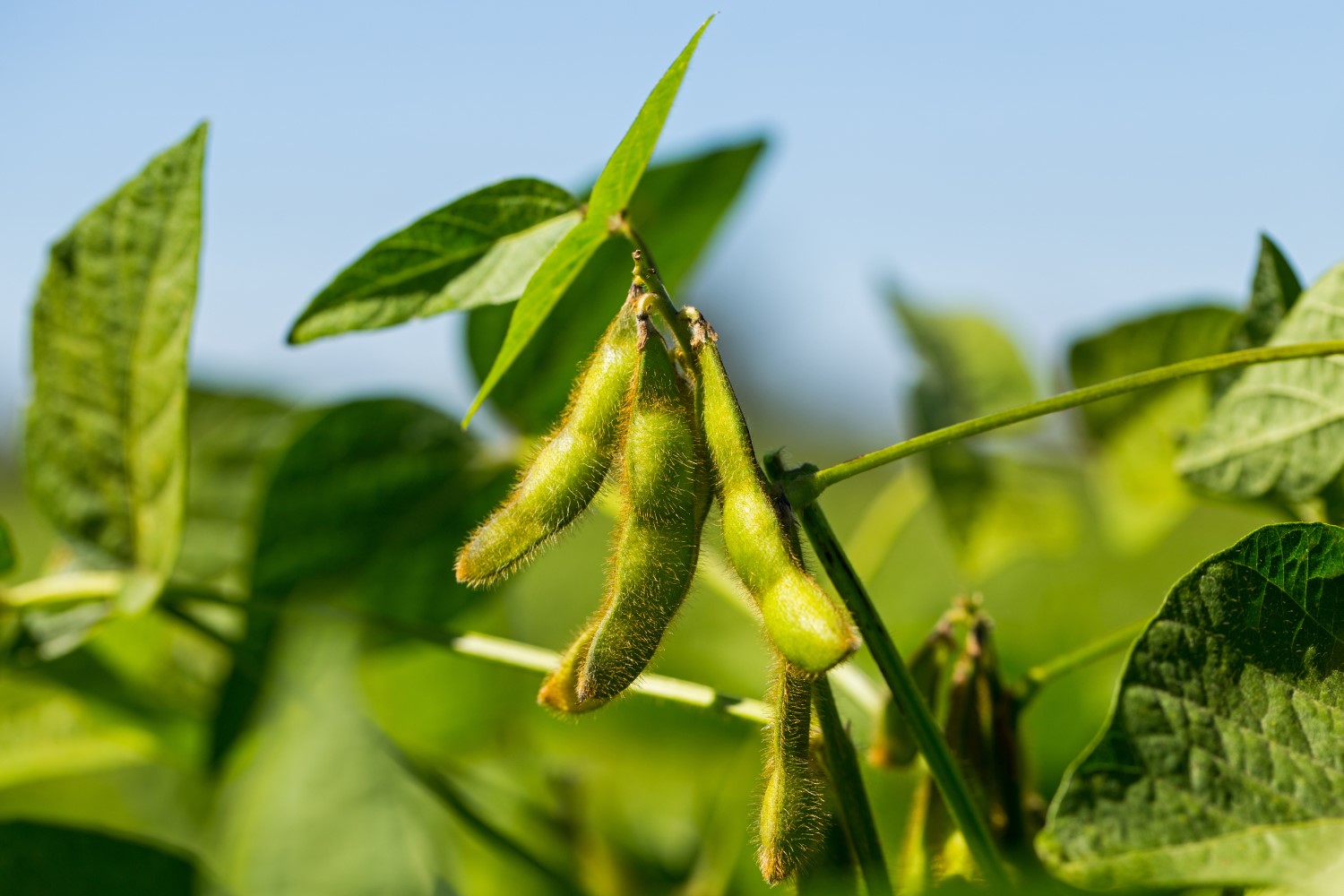
We're happy with the progress so far, and we're ready to get the soybeans planted and start catching up on some of this work. The soybeans are in the reproductive stages, so we're not far from applying fungicide on those. We've applied herbicides and cleaned them up. They are now holding the moisture in and keeping the weed pressure down. Overall, we have a really good crop going. What we have planted looks great, but there will be several acres that won't get planted due to the wet conditions.
Kevin Matthews - East Bend, North Carolina
Kevin Matthews and his wife, Cindy, are fourth-generation farmers in East Bend and Yadkinville, North Carolina. Matthews Family Farms, Deep Creek Grain, and Precision Nutrient Management farm corn, soybeans, wheat, and barley.
Corn is finally planted. Post-emerge applications are being made and top dressing will begin this week. For the most part, the corn looks good even with the abundant rains we had. The early planted definitely took top end out, but those acres planted after look good at this time.
Barley harvest is near complete. We grow our own seed for cover crops providing sustainability benefits to our no till program. The XPR 3 Concaves* have performed well with our stripper header. We look forward to wheat harvest next week and putting them to the test.
Soybeans are planted directly behind the barley and wheat crops. All of the early soybeans are planted. After all the rain, we did dry out quickly so I’m fully expecting irrigation pumps being put to work this week. I would enjoy a break to slow down a little, but that’s certainly not likely.
Source - https://www.agriculture.com