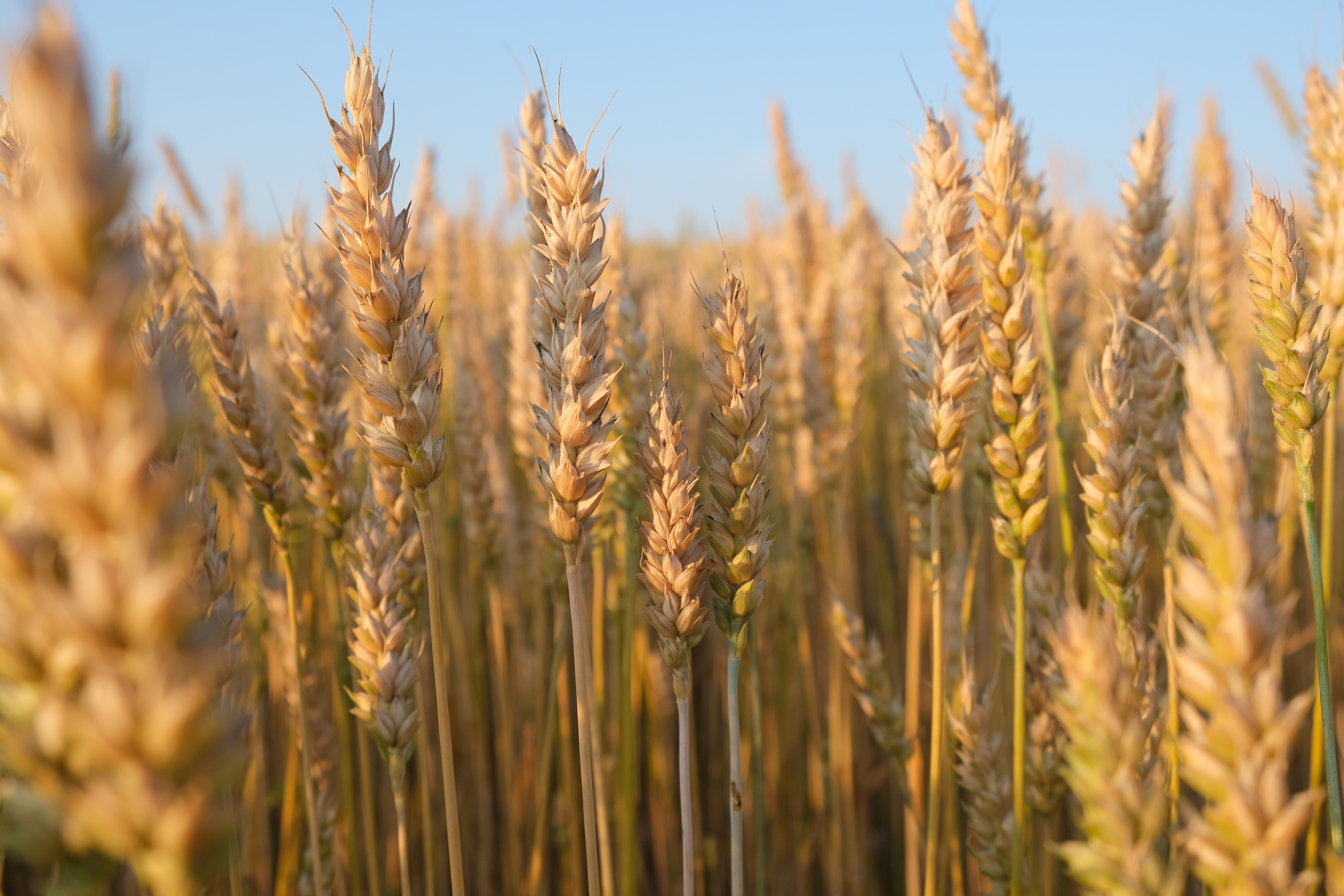
The seasonal return of the US Department of Agriculture’s weekly national Crop Progress report revealed the condition of the US winter wheat crop deteriorated over the months of dormancy since the report went into hibernation last fall.
The USDA on April 3 issued its first national Crop Progress report since Nov. 27, 2022. The report compiles information some state USDA offices had started issuing a few weeks earlier with new data for a comprehensive report for the 18 major winter wheat growing states. Winter wheat, which was seeded last fall for harvest in 2023, conditions were in worse shape than in the final report of 2022 (for the 2023 crop) and compared with the 2022 US crop as it emerged from dormancy a year earlier.
The USDA rated winter wheat as of April 2 at 3% excellent, 25% good, 36% fair, 20% poor and 16% very poor. The combined 28% good-to-excellent rating compared with 34% in the week ended Nov. 27 and with a 30% rating on the 2022 crop a year earlier.
Echoing the indications from the US Drought Monitor, hard red winter wheat growing areas of the northern, central and southern Plains fared the worst over the winter, adding some fundamental confirmation of drought’s effect on the crop. Good-to-excellent ratings were 16% in Kansas (22% on Nov. 27), 26% in Oklahoma (31%), 18% in Texas (21%), 27% in Colorado (30%), 22% in Nebraska (20%), 23% in South Dakota (27%) and 24% in Montana (44%).
“This has become a fairly sizable concern for wheat and we need precipitation or we have the potential to have a crop with yields as small as last year,” said Bill Lapp, owner of Advanced Economic Solutions, Omaha, Neb. “The epicenter of dryness is in the vicinity of Liberal, Kan., and then drought circles around there down into Oklahoma, Texas, Colorado, 100 miles in every direction in a vitally important area for wheat production.”
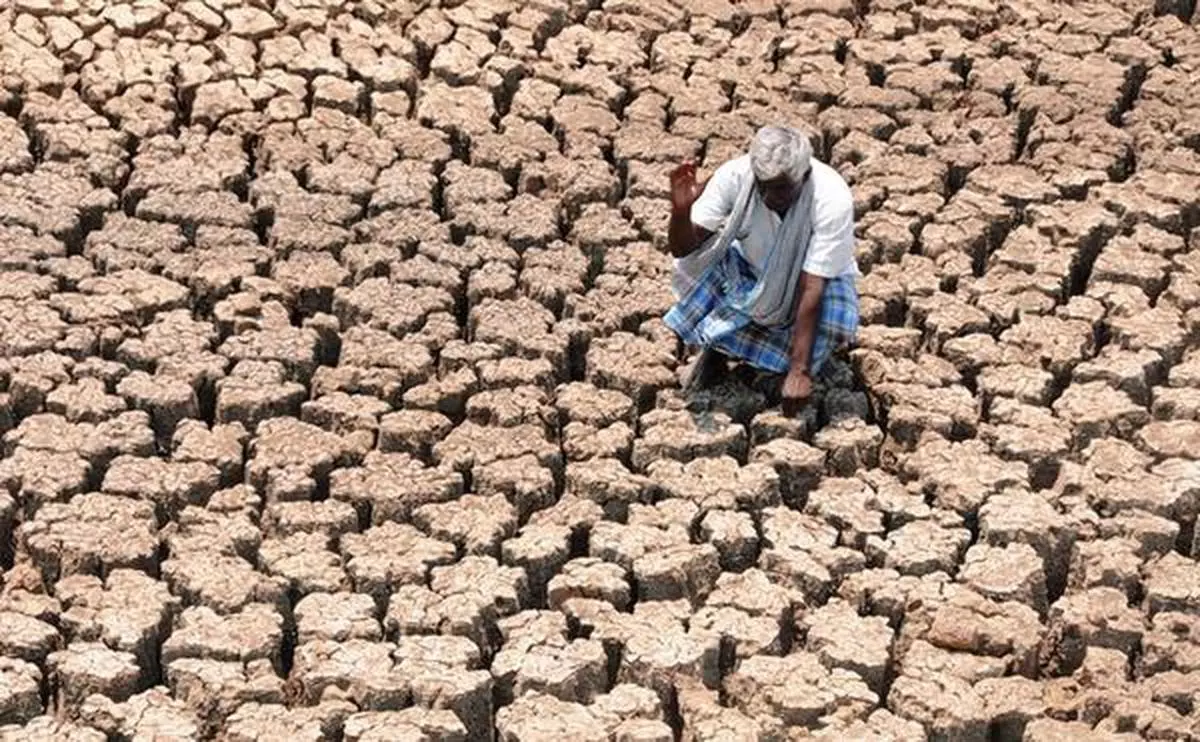
The latest US Drought Monitor appraisal by the USDA confirms that continued lack of moisture in hard red winter wheat areas, most intently in the southwestern half of the top US production state of Kansas where 91% of winter wheat was growing in drought. Other states with large areas in extreme or exceptional drought included Texas (73% of wheat in drought) and Nebraska (100%). Eastern Colorado, South Dakota and Montana each remained dry, but to a lesser degree, with drought in those states mostly in the abnormally dry to severe drought categories.
“I’m very concerned about this level of dryness with no sign of relief so far,” Mr. Lapp said. “The weather changed pretty dramatically in December to where California, Arizona, New Mexico started receiving a lot of precipitation, and it just has not hit those western wheat states. The moisture in the Gulf hasn’t come up to allow conditions to pick up and improve the way I thought it would.”
The shift out of La Niña (aka El Viejo, anti-El Niño, or “a cold event”) and into El Niño conditions typically lessens trade winds and pushes warm Pacific Ocean water back east toward the US West Coast, the National Oceanic and Atmospheric Administration said, noting that northern US and Canada areas can become dryer and warmer than usual and Gulf Coast and Southeast regions can be wetter than usual to the point of increased flooding. The shift in climate patterns hasn’t bestowed rain on the Plains in the quantities farmers hoped but has had other effects, Mr. Lapp said.
“It hasn’t hit that specific spot in the Plains, but it clearly has changed the California landscape, switching out of La Niña where they filled their reservoirs,” he said. “And then by whatever patterns were involved, we have had more storms go through the northern Plains over to Minnesota, to where we have a problem with lingering snowpack. You would hope in time it would all translate into some beneficial precipitation soaking those hard red winter wheat areas.”
The question for crop watchers and market participants eying the lack of rain on the Plains and hoping forecasts flip that way, is when is it too late for the 2023 crop.
“This crop probably already has had yields diminished by dryness ahead of dormancy and with the early part of this year we probably already have a loss on our hands,” Mr. Lapp said. “If we don’t get rain, at what point does it become as bad as last year — a really difficult question. We’re certainly trending that way and could be talking about yield cuts similar to last year by mid-April.”
Meanwhile, the soft winter wheat areas of the Central states were in far better shape coming out of dormancy. Good-to-excellent ratings on April 2 were 75% in Missouri (63% on Nov. 29), 56% in Illinois (30%), 69% in Indiana (62%), 59% in Ohio (58%) and 57% in Michigan (67%). The latter state had a lingering dryness issue in its eastern lower “Thumb” region. The USDA’s review of the latest US Drought Monitor said 4% of Michigan winter wheat areas were in moderate drought in the week ended March 2.
Conditions outside the five primary soft wheat production states were lower than in November. Good-to-excellent ratings on April 2 were 57% in Arkansas (64% on Nov. 29) and 79% in North Carolina (82%). In the Pacific Northwest states where white winter wheat is primarily grown, conditions were markedly worse after winter. Good-to-excellent conditions on April 2 were 17% in Idaho (37% on Nov. 29), 44% in Oregon (70%) and 39% in Washington (64%).
The USDA’s aggregate crop report also listed winter wheat heading progress, but only for four states so far. Heading by April 2 was 3% in Arkansas (7% as the recent five-year average for the date), 30% in California (4%), 2% in North Carolina (1%) and 29% in Texas (20%). For the United States, heading was at 6% on April 2, ahead of 4% a year earlier and 2% as the 2018-22 average for the date.
Source - https://www.foodbusinessnews.net