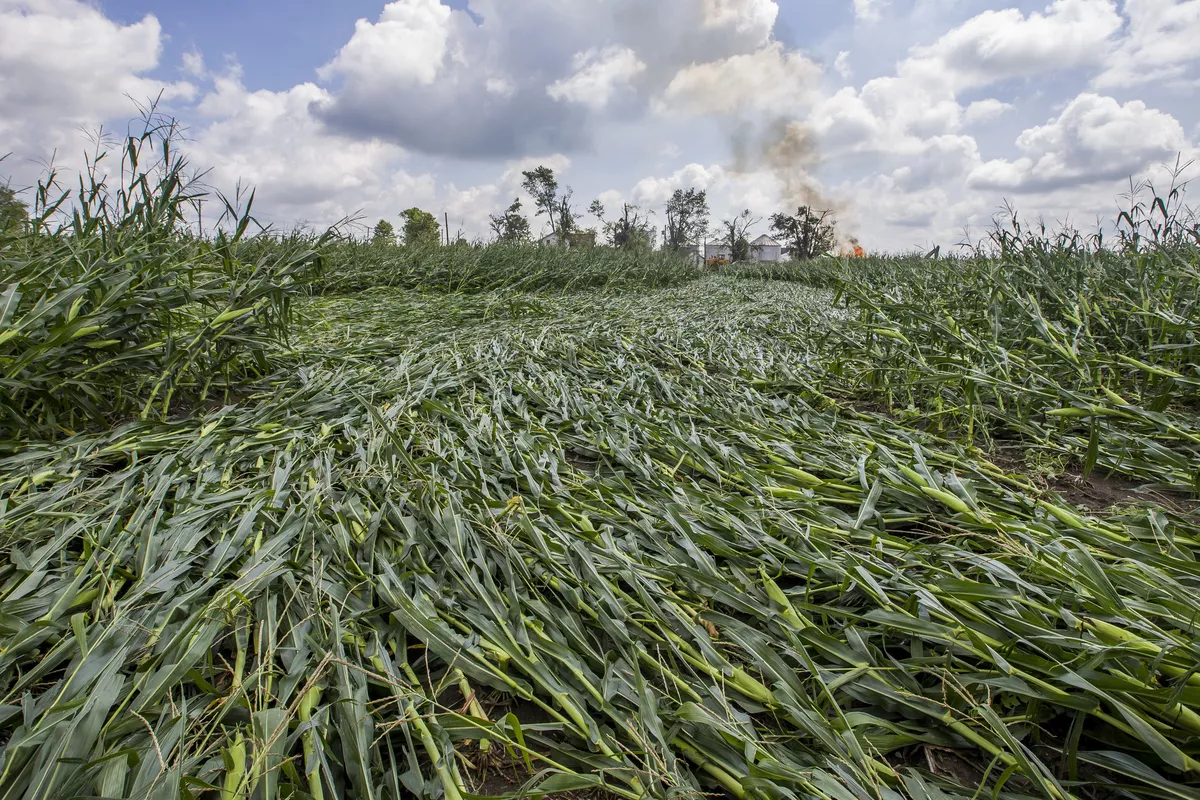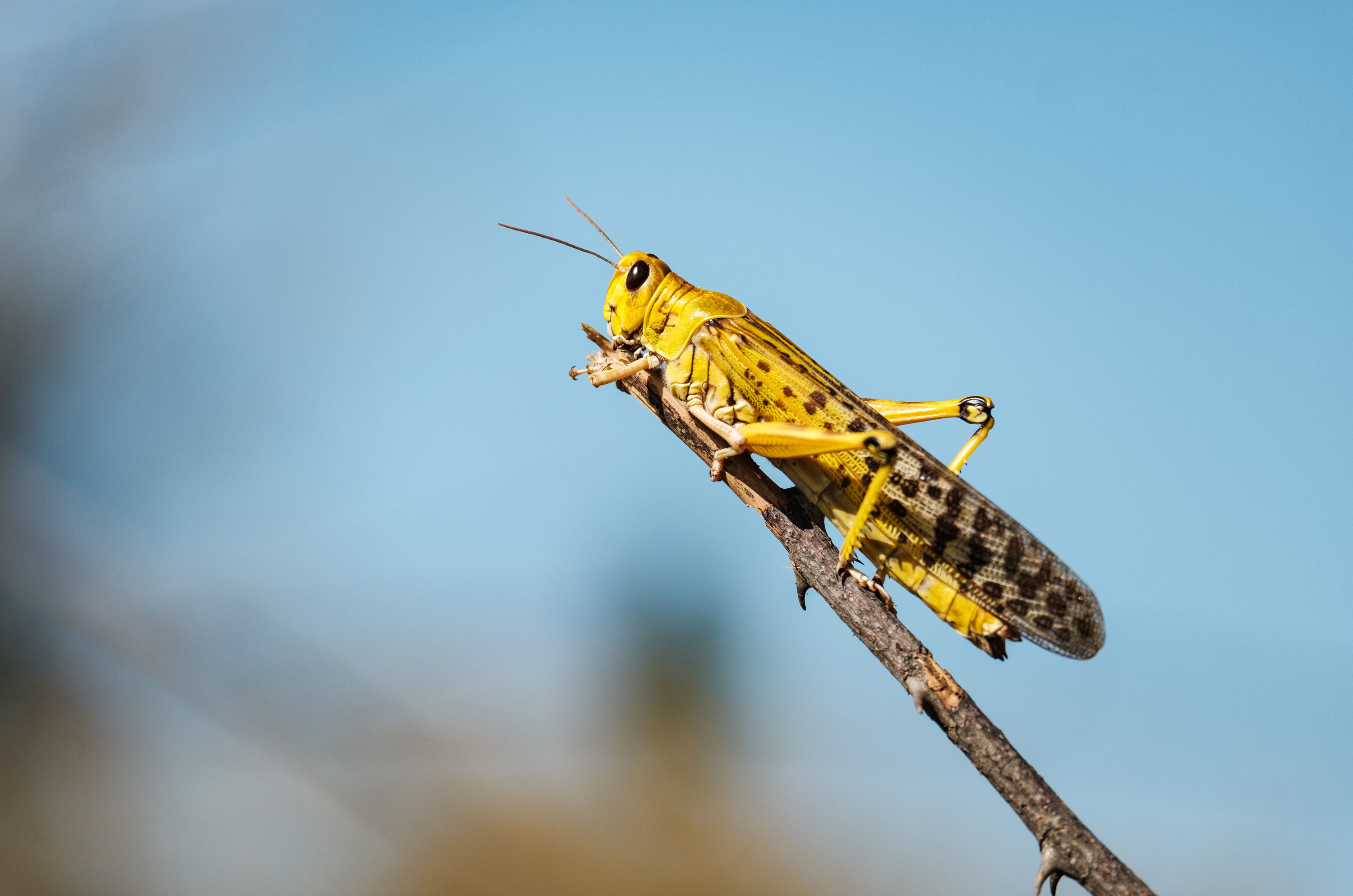
Grasslands and crop fields in Minnesota are hoppin' this month. A summertime insect is thriving, reaching numbers higher than usual.
On a stroll through the prairie grass at Hyland Hills Ski Area, one might think "Jump Around" by House of Pain was blaring on the speakers given the frenzy of grasshoppers jumping in every direction to avoid a person's steps. It's as if the field comes alive with the insects quickly launching, some hitting the people walking through.
A fitting soundtrack for a frenzied field.
"Every year, around this time of year especially, we get questions about grasshoppers. But this year definitely more so," said Dr. Anthony Hanson, a University of Minnesota Extension educator and entomologist.
So, why are we seeing high numbers of grasshoppers?
"Grasshoppers like dry and hot conditions," he said.
That's why August is typically their most visible month. It's the perfect time to feast on foliage while being a few months into their growth cycle, making them awfully noticeable in size.
"When it is cool and wet, grasshoppers don't do as well just because these fungal pathogens tend to get into the eggs, cause infection there," Hanson said.
Grasshopper eggs hatch in late spring, which was once again hot and dry. That gave them ideal conditions to survive and thrive, a trend that started in 2021.
Where in particular are they thriving?
"What they like are grassland-type areas. So this can be pastures. I feel like I'm seeing more grasshoppers than soil in some pastures I've walked through in west-central Minnesota where I'm from," Hanson said.
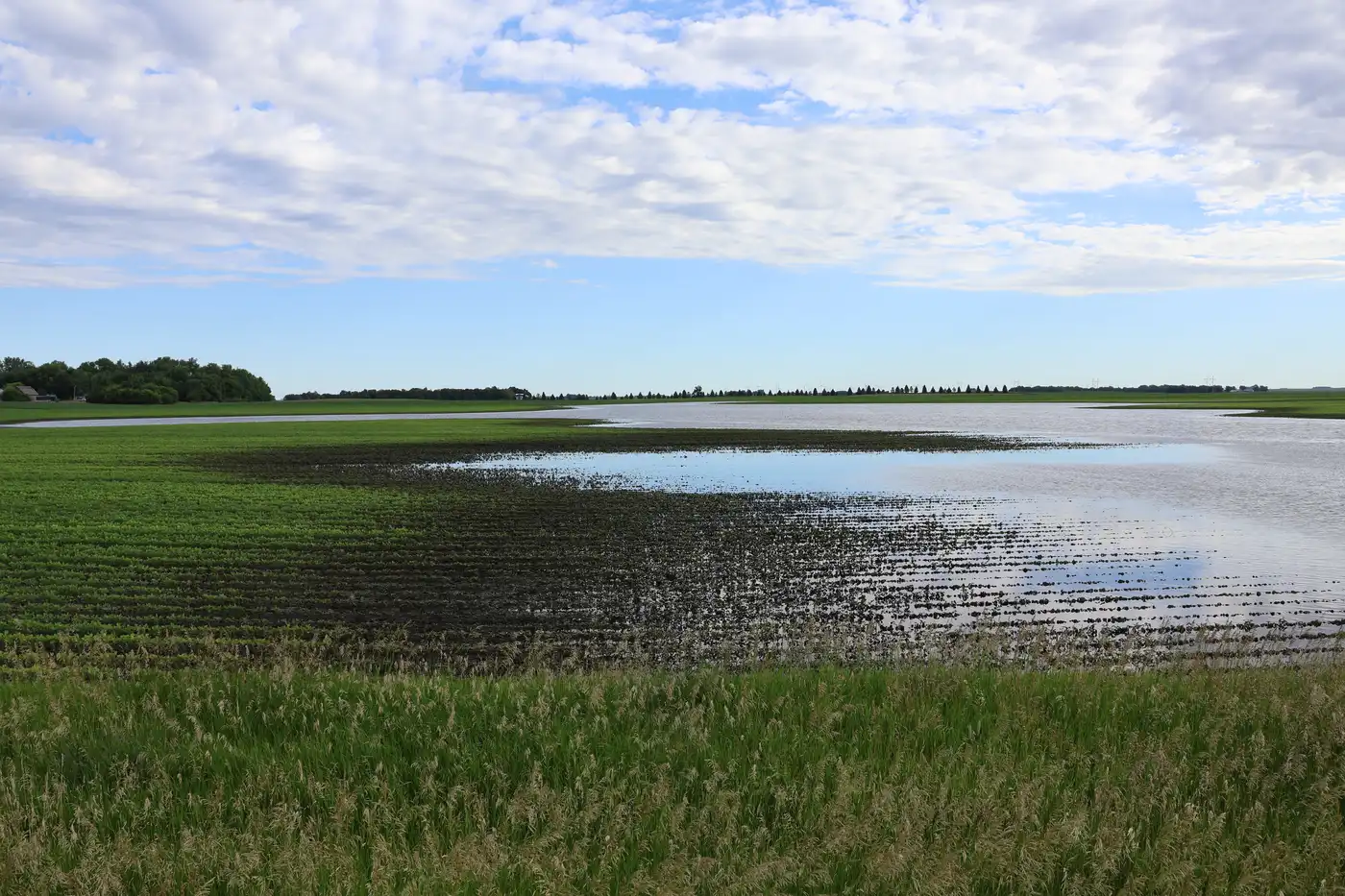
Typical crops they target include alfalfa and soybeans. Usually, they feed on the grass that surrounds crop fields, but will hop over to the crops to continue eating.
"We just harvested our small grains, so driving the car through the ditch, it's like raindrops hitting your windshield as they're jumping around," said Carolyn Olson, a farmer in Cottonwood in Lyon County. "It made me notice and it made me start to ask questions as well of the people around us."
The insect jumps around en masse when she takes her dog out for a walk around the property. They've dined on her burdock plants, making the leaves look like Swiss cheese.
"They're just feeding on leaves and that defoliation can cause significant yield loss sometimes for our crops," Hanson said.
Soybeans can handle about 20% defoliation from insect feeding. Crop loss potential grows as the defoliation gets higher.
Olson has avoided crop loss, but Dr. Hanson said some farmers in greater Minnesota haven't been so lucky.
"As we get into late August, there's still potential for those grasshoppers to be causing more damage," he said.
Grasshoppers can lay about 200 eggs a season, even more if the drought conditions continue into fall. That means next year could just as bad, if not worse, if Mother Nature doesn't reverse course in the spring.
"If you have a problem this year, you're probably going to be concerned next year, depending on the weather condition," Hanson said.
The average homeowner's garden shouldn't be in danger, especially in urban areas. But if it's near a prairie or crop field, Dr. Hanson suggests people trim the grass around the garden to keep the insect from jumping over.
Source - https://www.cbsnews.com