The extreme heat could mean damage to farmers’ finances in the long run in the Yakima Valley and potentially hurt the bees responsible for pollinating their crops.
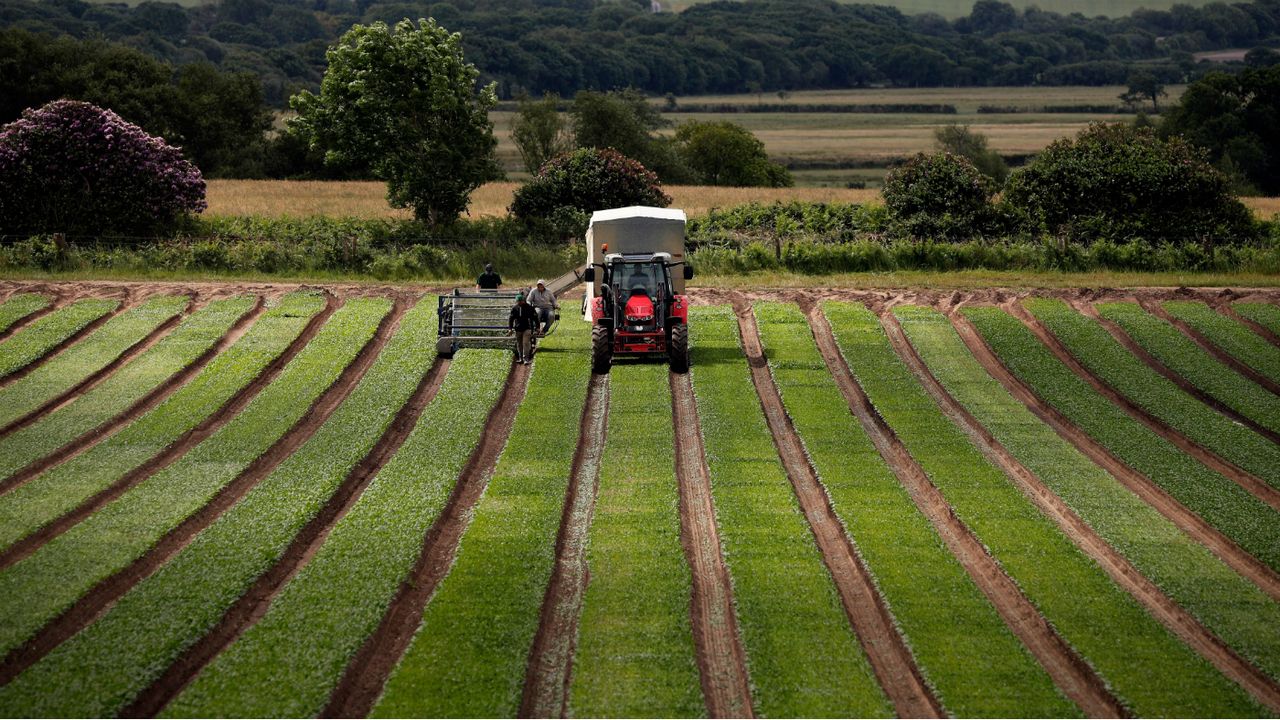
Crop loss consultant Bill Cobb said scorching temperatures, especially when combined with drought conditions, can damage everything from wheat to alfalfa to tree fruit like apples, which can be susceptible to sun damage.
“With an orchard … they’re concerned about the tree transpiring more water than they can give it, so it’s putting the tree under water stress and that will eventually impact the fruit quality,” Cobb said.
For farmers, that can mean a smaller yield for the season and damaged or diminished produce they might have to sell at a lower price to recoup costs.
Cobb said that’s difficult for farmers who don’t own the land they’re farming and rely on the money from the harvest to make payments on that land.
“They need to have a good crop to continue to make those payments,” Cobb said.
Cobb said farmers can purchase insurance that will cover about 80% of their average yield for the past five years. He said one bad year can drive the coverage down, making it difficult to pull through if they have another bad year.
Yakima Valley College instructor Holly Ferguson, who researches pollinators, said heat can be a real problem for the busy bees responsible for helping crops to grow.
“If it’s real hot for an extended period of time, then they are possibly in danger of perishing in the heat because their bodies can’t control their internal temperature like humans can,” Ferguson said.
Ferguson said the bigger the bee, the more difficulties they have in the heat. However, she said they have strategies in place to beat the heat in the short-term.
According to Ferguson, honey bees will leave the hive to collect water, bring it back to the hive, regurgitate it and set up water droplets.
“And then, in combination with the bees in the hive fanning their wings, they can create like an air conditioning effect, like a swamp cooler,” Ferguson said.
While those strategies can help bees deal with short-term heat waves, Ferguson said it takes time away that they could be using for pollination. She said they’re done with tree fruits for the year, but are still working on vegetables.
Ferguson said if people want to help pollinators do their job, they can utilize flowering plants in their gardens and put out bowls of water with pebbles in them to help bees find water more readily.
Source - https://www.yaktrinews.com