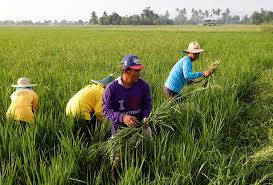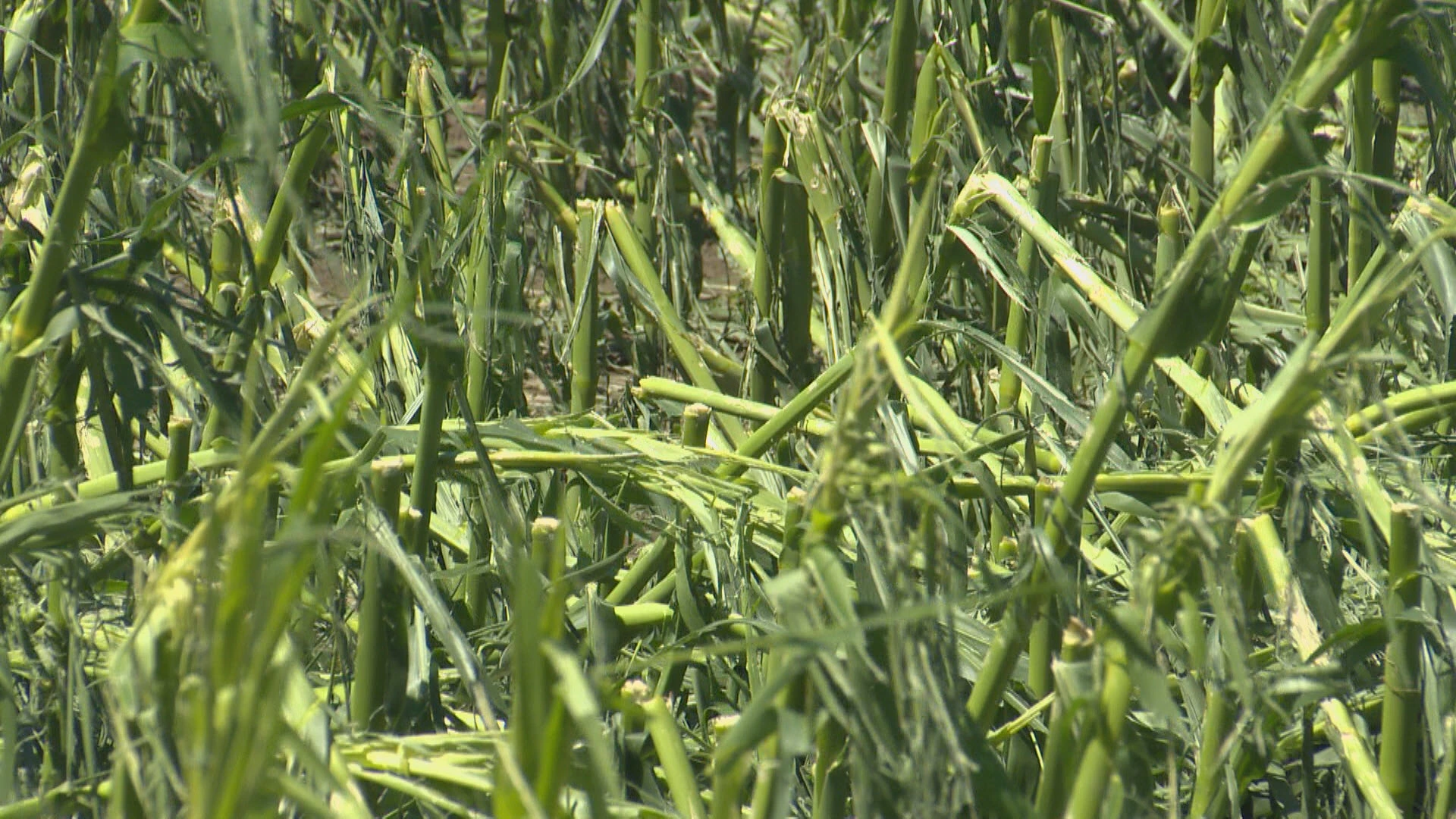
Facing fields full of mines and short of cash, many Ukrainian farmers are likely to sow a smaller area this spring than they did following Russia's invasion, in what could be a further blow to global food supplies after disruptions last year.
Ukraine is a major supplier of wheat and corn to world markets and production and exports slumped last year due to the war, sending prices for key commodities sharply higher before stabilising.
With farmers hurting from soaring costs including fertiliser, Ukraine's export capacity severely limited because of Russia's occupation of some areas and unexploded ordnance near former frontlines, supply could be squeezed further.
The farmers, who began planting the country's spring crop last week, also earn less than before as buyers factor in the war's higher logistic costs and risks, giving them little incentive to maximize output. Ukraine can ship from just three Black Sea ports running at half capacity under an international shipping deal.
"Almost all crops are making a loss at the moment," said Dmitry Skornyakov, CEO of HarvEast, a large agricultural producer.
Agricultural companies, which plant most of Ukraine's fields, are short 40 billion hryvnia ($1.08 billion) to carry out spring work, the Agrarian Council said. The country's spring-planted crops mostly include corn, oilseeds and vegetables.
Denys Marchuk, deputy chair of the Ukrainian Agrarian Council, the biggest farmer organization, expects plantings of corn, a fertilizer-intensive crop, to plummet 20% from last year, which itself saw a 27% decrease in harvested area.
Overall, the government expects spring plantings to fall only 5% from last year, underlining a more sanguine official assessment of potential losses.
The smaller spring crop would come as Ukraine's harvest of wheat grown over winter is expected to fall sharply, although not enough to spur export curbs.
"Of course it's not paradise. The situation is still challenging," Ukraine's first deputy farm minister, Taras Vysotskiy, told Reuters.
Farmers are likely to prioritize cheaper-to-grow sunflower, said Mike Lee, director of Green Square Agro Consulting. Grains have traditionally dominated Ukraine's fields, but lower-cost and higher-priced oilseeds are gaining popularity during war.
Ukraine was the world's fourth-largest corn exporter before Russia's full-scale invasion in 2022 and the biggest sunflower oil exporter.
Farmers in top exporter United States plan to boost corn plantings, possibly cushioning the blow of lower Ukrainian production.
Ukrainians will also likely plant less potato, a Ukrainian diet staple, due to poor profit potential, said Mykola Hordiichuk, managing director of Agrico Ukraine, a farming operation. That may result in a shortage of retail-quality potatoes, increasing prices for Ukrainian consumers later in the year, he added.
One optimistic sign: Ukraine agricultural scientists said soil moisture reserves looked ample, helpful for germinating crops.
DANGER IN FIELDS
Mines are a growing occupational hazard. On Monday, two farm workers died in separate mine explosions working fields in the southern Kherson and Mykolaiv regions, authorities said.
Vasyl Shtendera, 49, who farms in a Kherson area recaptured by Ukraine last year, doubts he will plant crops this spring.
His fields are mined, some equipment was destroyed and fertilizer is too expensive, he said.
"I have no moral right to send workers to fields as it is dangerous for life," he said, adding that there is no demining work happening there.
Companies lacking demining certification are charging farmers up to $3,000 per hectare to clear fields, Ukrainian media reported on Tuesday.
Some Ukrainian officials estimate that all land in areas of hostility is mined, totalling some 10 million hectares (24.7 million acres) or nearly one-third of arable land. Vysotskiy, however estimated that the mined arable area may be just 2.5 million hectares, with only 500,000 hectares that will be impossible to use this spring.
The ministry is aiming to clear up to 800,000 hectares of farmland in time for planting, Vysotskiy said.
Michael Tirre, Europe program manager for the U.S. State Department's Office of Weapons Removal, which funds Ukrainian demining, said he is seeing impatient farmers trying to clear their own mines, something that gives him "goosebumps".
"It is a sad reality because there just aren't enough demining teams to go around."
Farmer Oleksandr Klepach has cleared dozens of shells around his Mykolaiv region farm himself, taking advice from demining experts and Internet videos.
Coming up with a money-making plan is equally challenging. Fertiliser and transportation costs have doubled, but he intends to sow sunflower and peas on land that turned to weeds during occupation.
"I think it will be problematic to make a profit," he said.
($1 = 36.9070 hryvnias)
Source - https://www.zawya.com