Researchers studying plant activity from space have discovered a pattern that could predict the onset of flash droughts.
According to Phys.org, instruments aboard NASA's satellites — known as Orbiting Carbon Observatory-2 and Soil Moisture Active Passive — have provided surprising details regarding plant behavior leading up to a flash drought.
Regular droughts develop over seasons, but flash droughts can be devastating since, as their name implies, they set in quickly within days to weeks. This rapid drying has led to extreme economic loss and crop failure, endangering our food supply.
If scientists can predict a flash drought and give farmers weeks or even months to prepare, they could make informed decisions about irrigation and crop planting to lessen the impact of these natural disasters.
Scientists from NASA's Jet Propulsion Laboratory in California used their satellites to study plant activity prior to flash droughts from 2015 to 2020. Geophysical Research Letters recently shared a report detailing the latest discoveries from these studies.
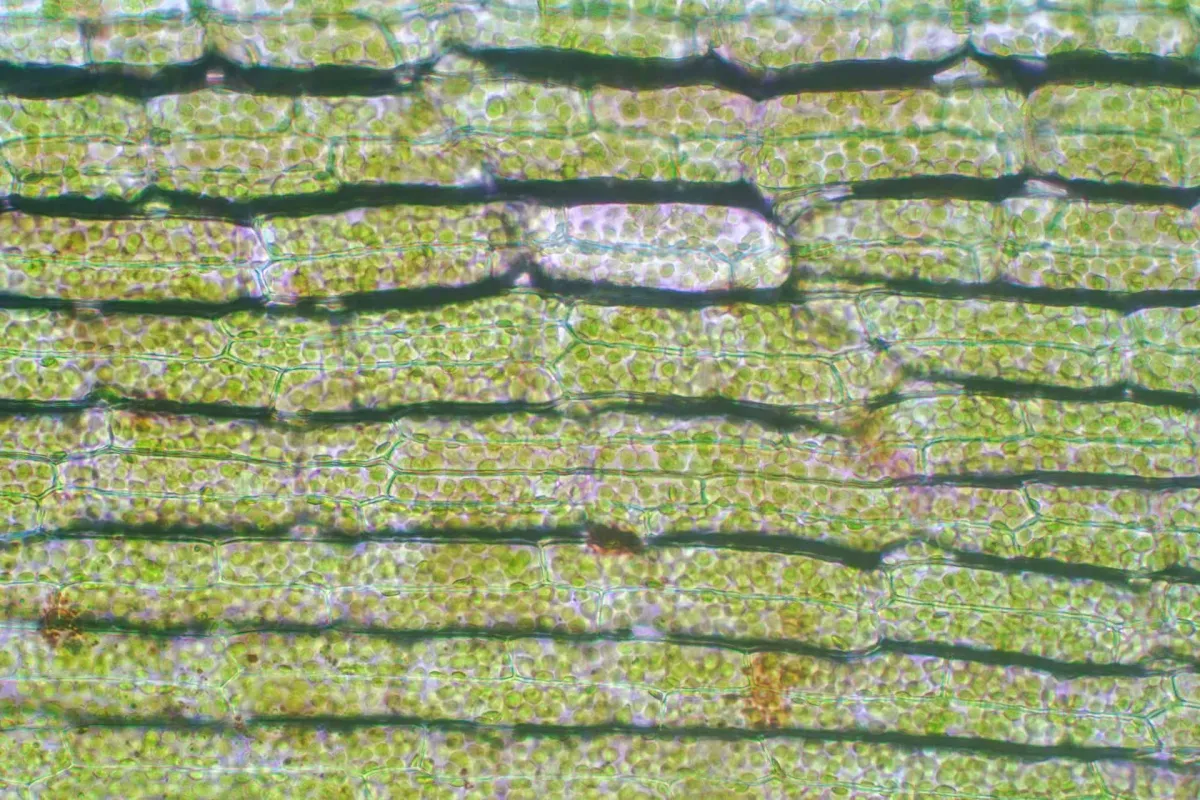
During photosynthesis, a plant's chlorophyll expels some unused photons that create a soft glow. This glow is called solar-induced fluorescence and is too faint to be seen with the naked eye, but NASA's satellites were able to capture it from space, according to the Phys.org report.
When the fluorescence appears brighter, it indicates an uptick in the amount of carbon dioxide plants are taking in from the atmosphere. The data showed that prior to a flash drought, as the weather became warmer and dryer, plant life thrived while creating unusually bright fluorescence.
Further data gathered by the satellites OCO-2 and SMAP showed a correlation between soil moisture and this unusual fluorescence. As the plants became more active, they absorbed extra water from the soil, creating a dangerous situation once temperatures spiked.
Nicholas Parazoo, a JPL Earth scientist and the lead author of the published study, said this pattern of plant fluorescence "shows promise as a reliable early-warning indicator of flash drought with enough lead time to take action."
In addition to providing information that helps our economy and protects our food supply, these NASA satellites also provided data that could help scientists create more accurate carbon cycle prediction models in the future.
These satellites and others orbiting the Earth study issues such as air pollution, tracking bodies of water, and drought effects to provide us with critical data to help us all have a safer and cleaner future.
Source - https://www.thecooldown.com