Agricultural insurance could have played a key role in minimising the impact of drought on crops and livestock but penetration within the sector remains low, farmers have said.
As a largely agriculture-based nation, Zimbabwe heavily depends on this sector for food production, employment generation and export earnings.
However, insurance penetration within the agriculture sector is estimated to be below 2 percent.
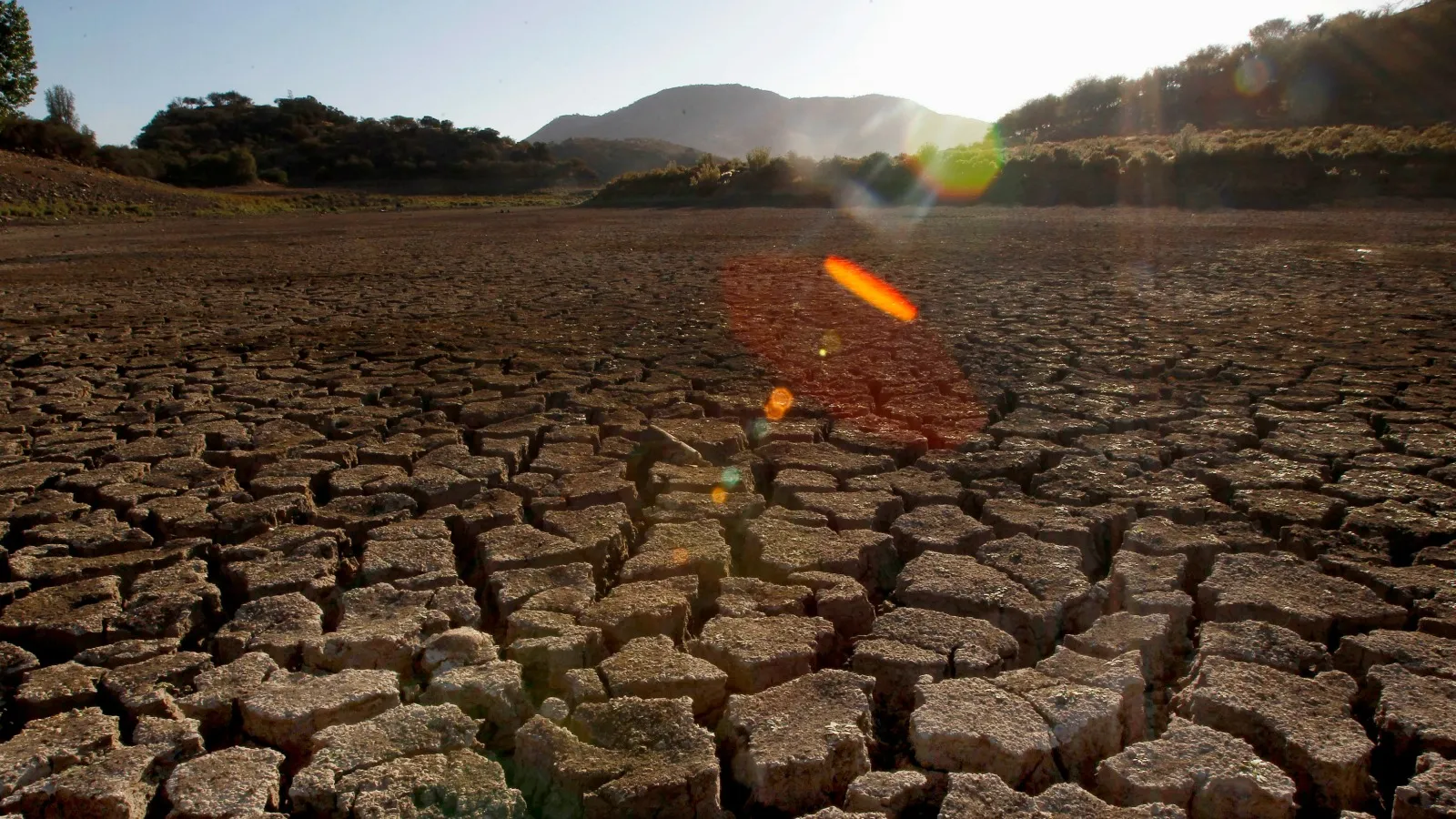
This year crops failed due to the effects of El Niño and the Government has since declared the drought a national state of disaster.
In an interview, Zimbabwe Farmers Union director Mr Paul Zacharia said insurance plays an important role in agriculture, but there have been minimum insurance products for smallholder farmers.
"There is what we call area yield insurance, which is area-based, and we then say you are insuring your yield, so for whatever reason, including lack of moisture at some point, stress and so on, if you had that insurance, you would still be guaranteed the value of that produce.
"So, farmers would still get the value of the produce that they would have lost.
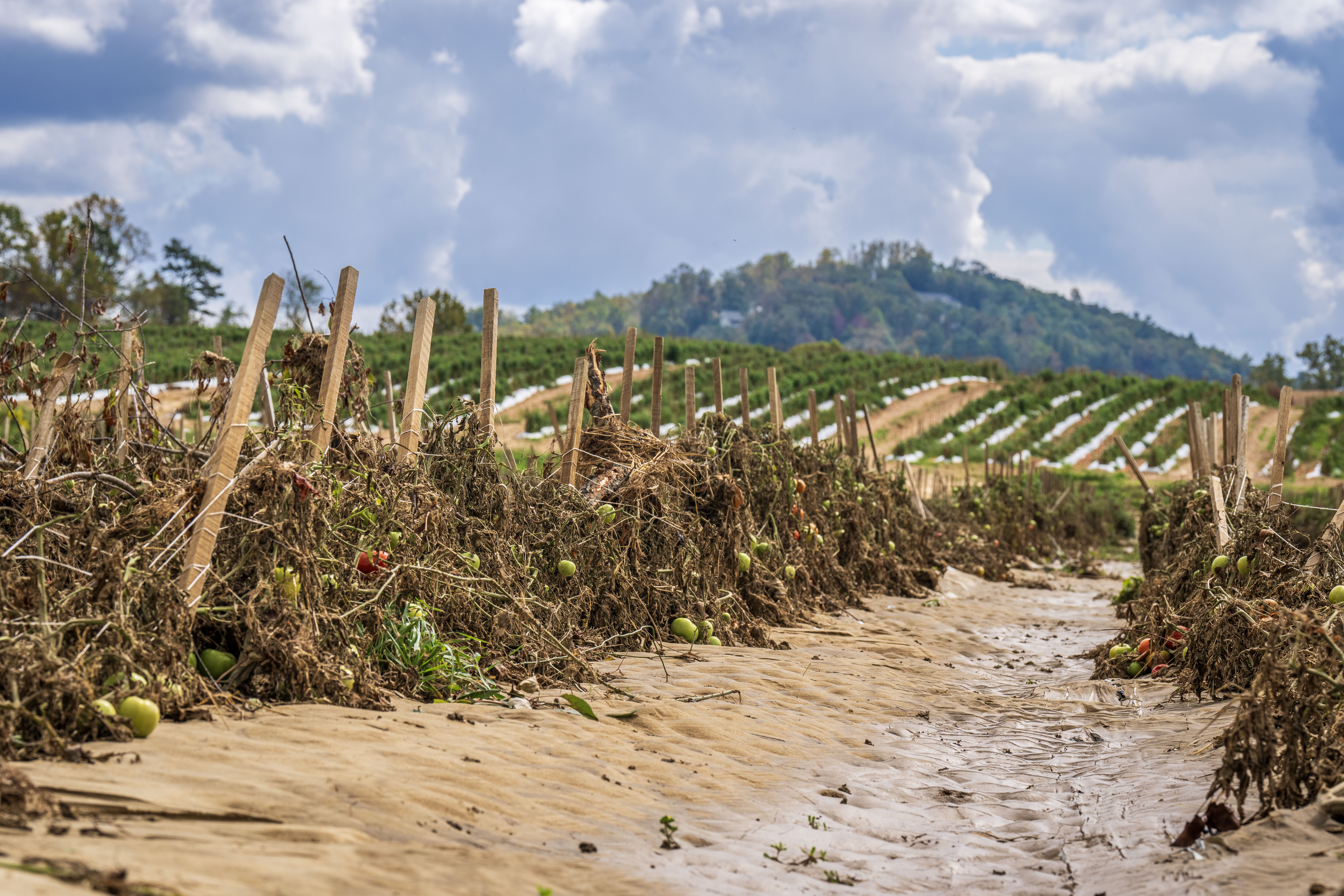
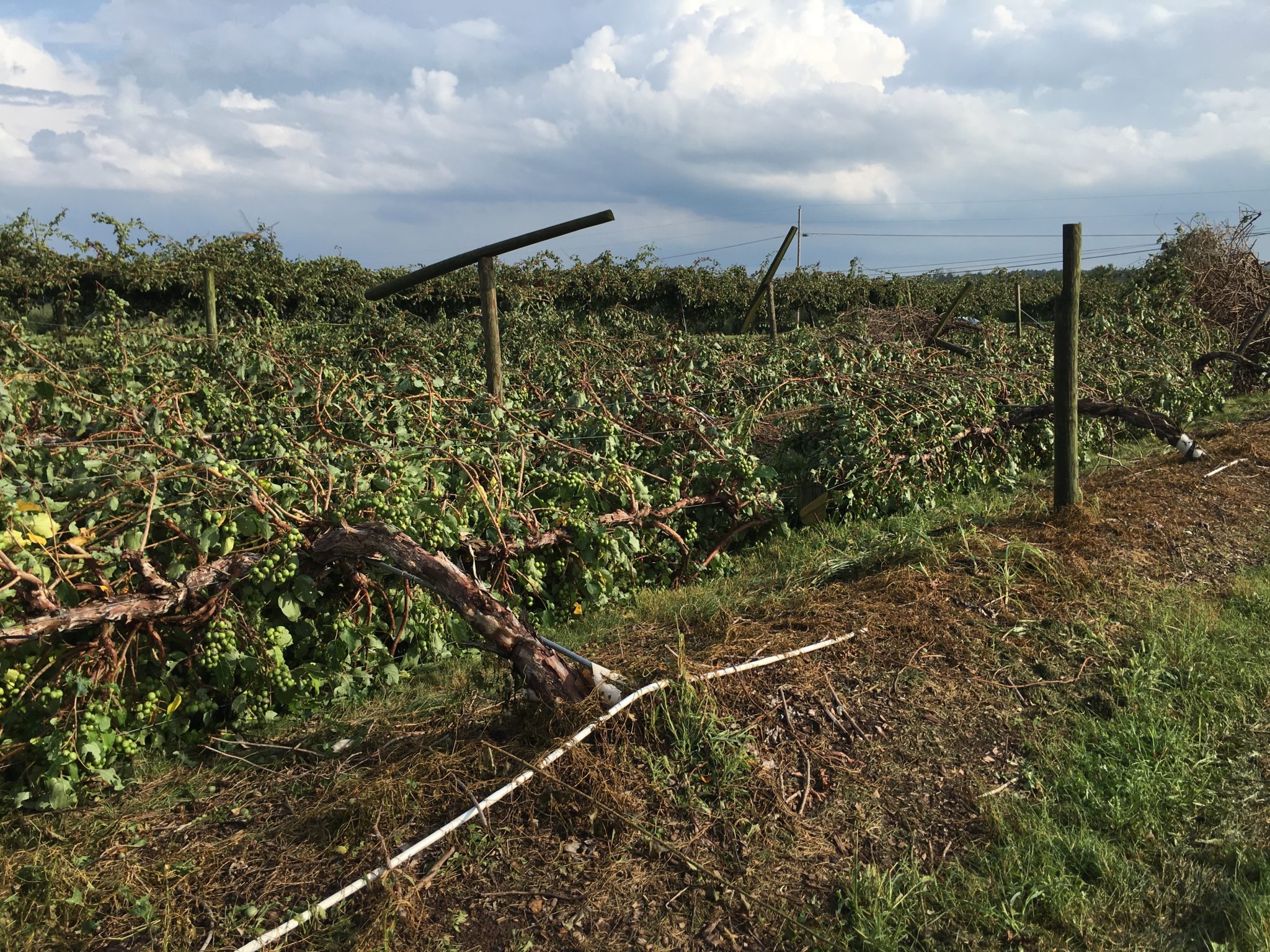
Therefore, particularly in a year like this one, considering issues like climate change and other related disasters that would include flash floods and hailstorms, you are assured that if you had insured, you would be indemnified to that extent," he said.
He noted that in terms of uptake, there is also need for insurers to tailor the product to suit the level and category of farmers, including smallholder farmers.
Mr Zacharia said smallholder farmers are largely not insured because there are no specific products earmarked for them.
"So, that is where the challenge is and not with the smallholder farmers themselves, but with the insurers who are used to going to a large-scale commercial farm, equipping them and ensuring large-scale production, leaving out smallholder farmers.
"So, the smallholder type of farmer doesn't have a relevant product on the market," he said.
The Insurance and Pensions Commission (IPEC) and the International Finance Corporation (IFC) launched the agriculture index-based insurance project in 2023, whose objective is to provide insurance solutions for smallholder farmers who are vulnerable to climate-related crop losses in Zimbabwe.
According to IPEC commissioner Dr Grace Muradzikwa, while the agriculture sector faced uncertainty owing to climate change, the uptake of agriculture insurance was relatively low.
Some of the factors behind this are the unaffordability of existing agriculture insurance products, inappropriate products, low levels of awareness of the role of insurance among farmers, especially smallholder ones, and lack of trust between insurers and farmers.
"Notwithstanding these factors, the reality is that climate change can no longer be ignored," she said.
"It has already demonstrated how devastating it can be, including in the agriculture sector. Agriculture index insurance provides protection to vulnerable households against specific weather shocks such as drought, flooding and hail, among others.
"It is against this background that IPEC partnered with IFC in this agriculture index insurance project to come up with a solution for smallholder farmers."
AFC Insurance Company, together with AfC Land and Development Bank and AFC
Leasing Company, recently said it will continue providing accessible solutions to the agriculture sector as part of AFC Holdings' business continuity and growth plan.
The group said it has continued to implement the plan, including adaptation of disaster recovery plans, with regulators having been updated.
The AFC Insurance started operations in 2022 after being granted a licence by IPEC.
In a statement accompanying financial results for FY23, AFC Holdings said prospects for business were good notwithstanding the effects of the current environment.
"The AFC Land and Development Bank, the AFC Leasing Company and the AFC Insurance Company will continue to provide accessible financial solutions to the agriculture sector," the group said.
AFC Insurance strives to create tailor-made agriculture insurance solutions for emerging and established farmers in order to meet their needs.
As part of its endeavours, it recently partnered with the Tobacco Industry and Marketing Board to expand the reach of insurance services to ensure viability and sustainability of farming projects by providing farmers with improved access to insurance coverage.
This saw 6 500 small-scale tobacco farmers take up insurance for the 2023/2024 cropping season. The insurance facility covers field-to-floor risks, which include hail and wind damage.
Source - https://www.sundaymail.co.zw