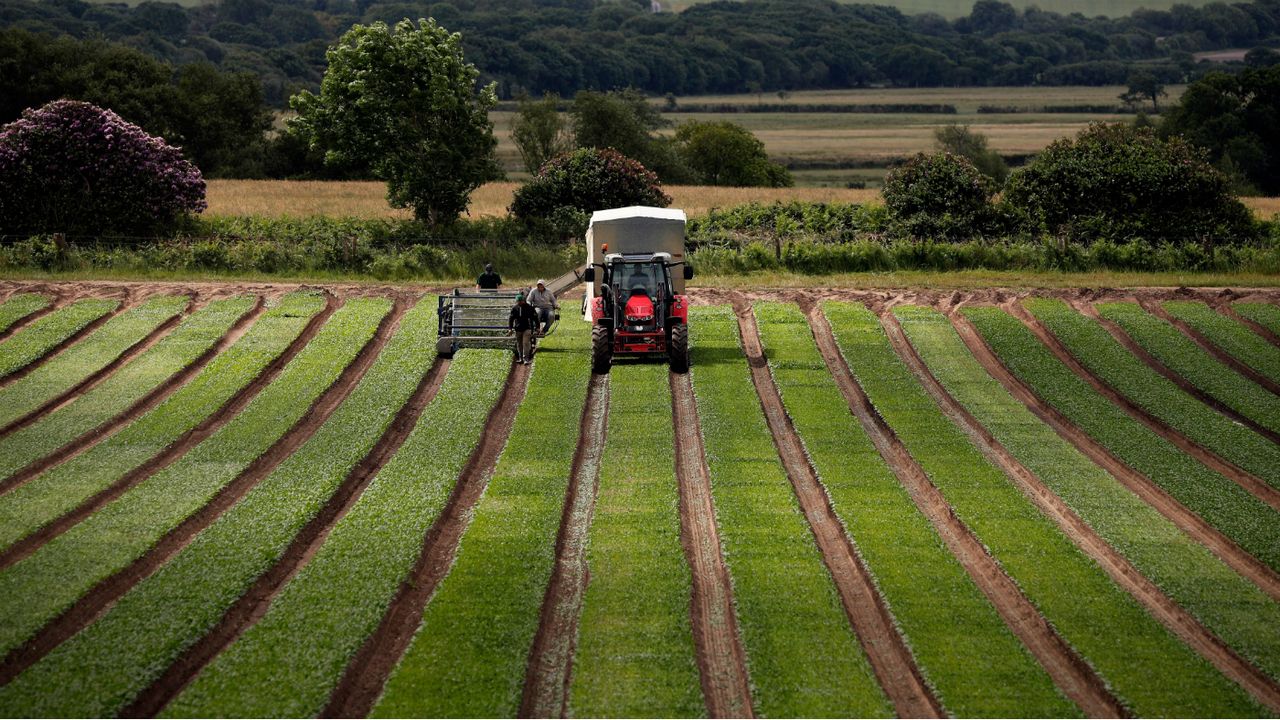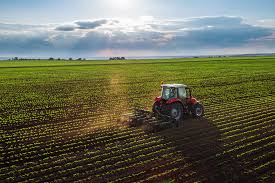
Smallholder farmers in Village M—a farming community south of the eastern border city of Mutare in Zimbabwe—have, for years, enjoyed bumper harvests of maize and other crops. However, the abundant yields in Village M and surrounding communities have diminished considerably over the past 20 years. Large swathes of previously productive farmland now lie neglected, overrun by rough thickets of sickle bushes.
Several areas across Zimbabwe have been ravaged by severe climate change-induced droughts. A 2021 study revealed that Zimbabwe’s temperatures rose 1 degree Celsius between 1960 and 2000, while annual rainfall decreased 20% to 30%. Experts estimate that climate change will reduce agricultural production in Sub-Saharan Africa by 10% to 20% by the year 2050.
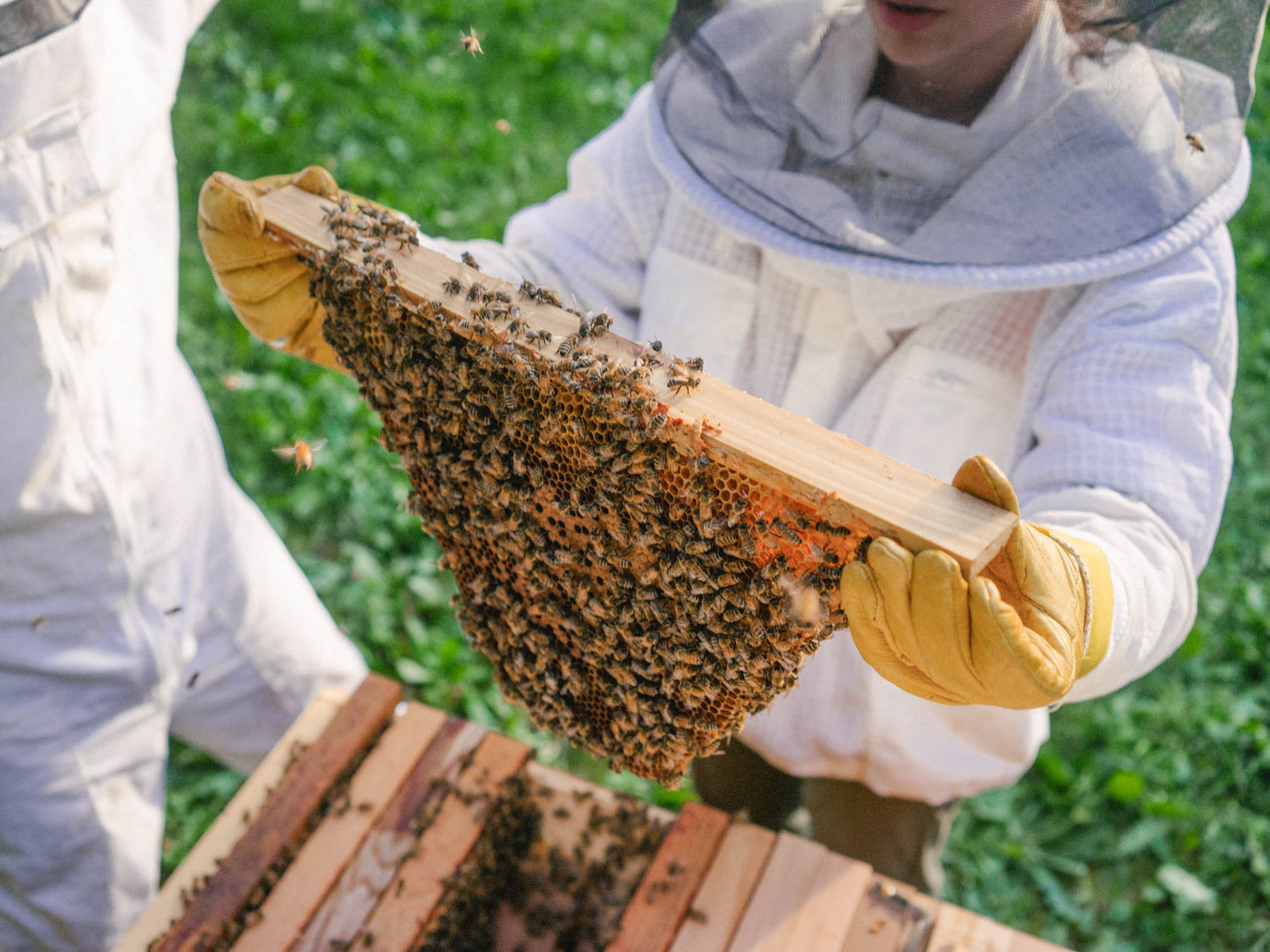
But Lazarus Mwakateve, a smallholder farmer from Village M, has diversified his operation to offset crop losses from droughts. He ventured into beekeeping more than a decade ago, largely as a pastime, but the enterprise has since morphed into a lucrative alternative source of income for him.
“Beekeeping does not need large pieces of land or large amounts of water like crop farming,” Mwakateve says.
Many other farmers are following in Mwakateve’s footsteps. Experts say there are more than 50,000 beekeepers in Zimbabwe today.
Mwakateve has 53 beehives, and as of last September, he says 26 of them had bees and honey. Each beehive provides between 33 and 35 liters of honey each year. And each liter of honey earns Mwakateve US$3.20 when he sells them to middlemen.
“Droughts reduce income from crops down to zero in some cases, but income from honey has remained stable even during the worst droughts,” Mwakateve says.
Honey Harvesting on the Rise
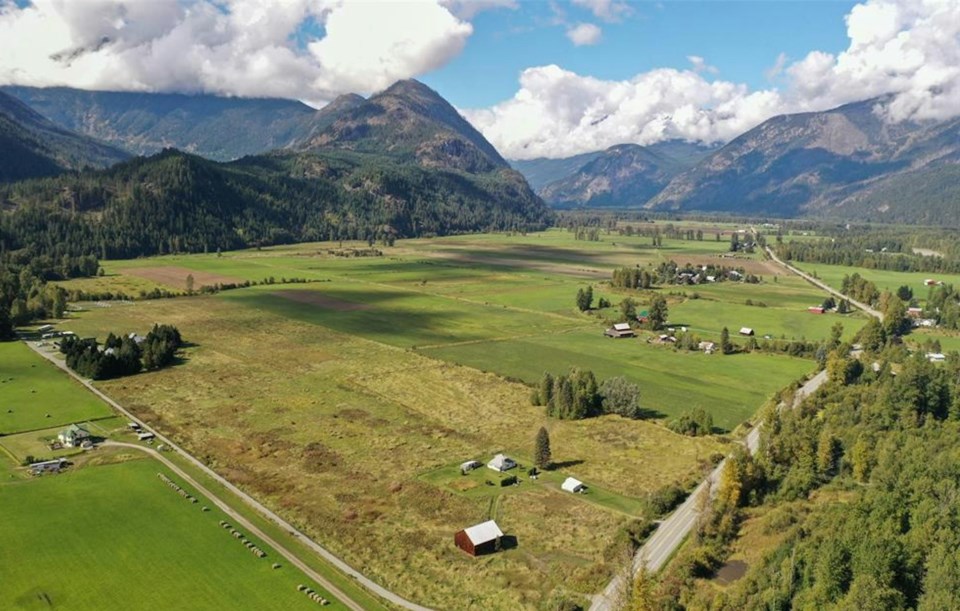
Village M is an enclave tucked at the foot of Gombai mountain. Nearby, the Mushaamhuru River snakes sluggishly along the heavily silted riverbed as it heads toward its confluence with the Mpudzi River. Other villages—B, C, D, F, G, H, I, J, K, L, N, and O—dot the expansive farming area, broken only by some rugged hills. Rain-fed crop farming has long been the mainstay of these communities, but changing climate is putting Zimbabweans—some 70% of whom depend entirely on agriculture or rural economic activities—in jeopardy.
However, local demand for honey is growing both on the formal and informal markets. The day before Christmas in 2022, I witnessed an informal honey seller roving around a local business center, Gutaurare, selling honey from a 25-liter plastic container. Such informal honey sellers are now a common sight in the streets of the city of Mutare.
A study done by researchers at Chinhoyi University of Technology and Women’s University in Africa reveals that there is demand for honey in Zimbabwe from manufacturers of confectioneries, cosmetics, and pharmaceuticals, as well as demand for beeswax to make polishes for floors, shoes, and furniture.
“Honey in Zimbabwe has the potential to improve the income of small-scale honey producers and at the same time increase crop yield, conservation of trees, and health of the bee farmers,” the researchers say.
Blessing Zimunya is a traditional leader in Chitora who farms and raises bees.
“I’m encouraging other farmers affected by droughts to try beekeeping,” Zimunya says. “It’s very profitable.”
Techniques
To succeed in this new enterprise, Mwakateve says beekeepers must acquire knowledge on beekeeping and honey harvesting techniques.
“Our traditional ways of harvesting honey are not good for bees,” he says. This involves using fire to smoke out the bees, which ends up killing large numbers of them. But new techniques, like bee smokers and bee suits, are gentler on the bees while still protecting the beekeepers.
Nicholas Mukundidza, a farmer from neighboring Village F, has transformed a small, forested hill outside his homestead into a successful apiary.
Mukundidza’s beehives are mostly traditional hives—hollowed-out dead logs. But he says he is planning to invest more in modern beehives, like the Kenyan Top Bar hives, to boost honey production. Kenyan Top Bar hives have higher yields and gross profit per hive than traditional hives. These hives have widely been adopted in parts of Zimbabwe, like Mutasa, Lupane, Mudzi, and Nyanga districts.
Mukundidza says his apiary has helped to conserve vegetation around the hill, as other villagers do not cut the trees for fear of the bees.
He says the demand for honey is high, too, with some buyers paying up to US$65 for 20 liters, slightly higher than the US$60 that some buyers were paying the previous year.
“Crop farming in our area is no longer sustainable due to severe droughts,” Mukundidza says. “Beekeeping is now the only way to go.”
Bees for Climate Resilience
Ishmael Sithole, a Zimbabwean bee expert and chairman of the Manicaland Apiculture Association, says in the face of our changing climate, beekeeping offers a number of advantages over crop farming.
“During droughts, field crops are more vulnerable than wild plants, and a crop farmer is easily hammered, whereas a beekeeper will rely on the resilient wild plants to provide nectar and pollen for his bees,” Sithole says.
He says beekeepers can use the same hives season after season, whereas crop farmers need seed, fertilizers, and agrochemicals every season.
“To practice crop farming, save perhaps when using hydroponics, you need fertile land, but with beekeeping, you can utilize infertile patches of land. Bees rely on nectar and pollen from your farm, neighboring farmlands, and forests without the beekeeper being accused of stealing.”
“Instead, the beekeeper gets praise for increasing crop yields qualitatively and quantitatively through pollination services, which the bees offer during their foraging trips,” says Sithole, who also runs a small honey production company, MacJohnson Apiaries.
But beekeeping is not without its risks. Sithole says modern agriculture largely hinges on the use of massive quantities of agrochemicals, and some of them affect bees adversely.
He points to the Zimbabwean Bees Act, which tries to address the issue of application of agrochemicals to crops within 5 kilometers of apiaries. “But most hives in use in Zimbabwe do not offer the beekeeper an opportunity to confine the bees in the hives during spraying regimes,” Sithole says. “As result, a number of bees are lost to agrochemicals every farming season.”
To address this, Sithole’s company invented a hive—the MacJohnson hive— which has entry and exit compartments with plastic or metal screens. The screens can be easily fixed in place to confine the bees in the hive but keep the hive well ventilated. This offers beekeepers an opportunity to safely confine their bees inside the hives when farmers spray their crops, saving bees from chemical poisoning and sparing the honey from contamination by pesticide residue.
The breakthrough earned MacJohnson Apiaries the Best Climate Smart Award for small and medium-sized enterprises in Zimbabwe in 2022. The company is now working on patenting the innovation.
A Sweeter Future
Sithole adds that most crops have a short shelf life compared with honey, which is the only food that does not carry an expiration date because it can last thousands of years without going bad.
“It therefore has low post-harvest losses compared to crops,” he says. “Honey can reach distant markets, which offer lucrative returns if it’s traceable and marketed well.”
As honey production gains traction, beekeepers in areas like Zimbabwe’s drought-prone Buhera District have received support from nongovernmental organizations to process and market their honey.
In spite of the continuing and worsening droughts in Zimbabwe, Mwakateve is bullish about the prospects of raising bees. “Beekeeping is the future,” he says.
Source - https://www.yesmagazine.org