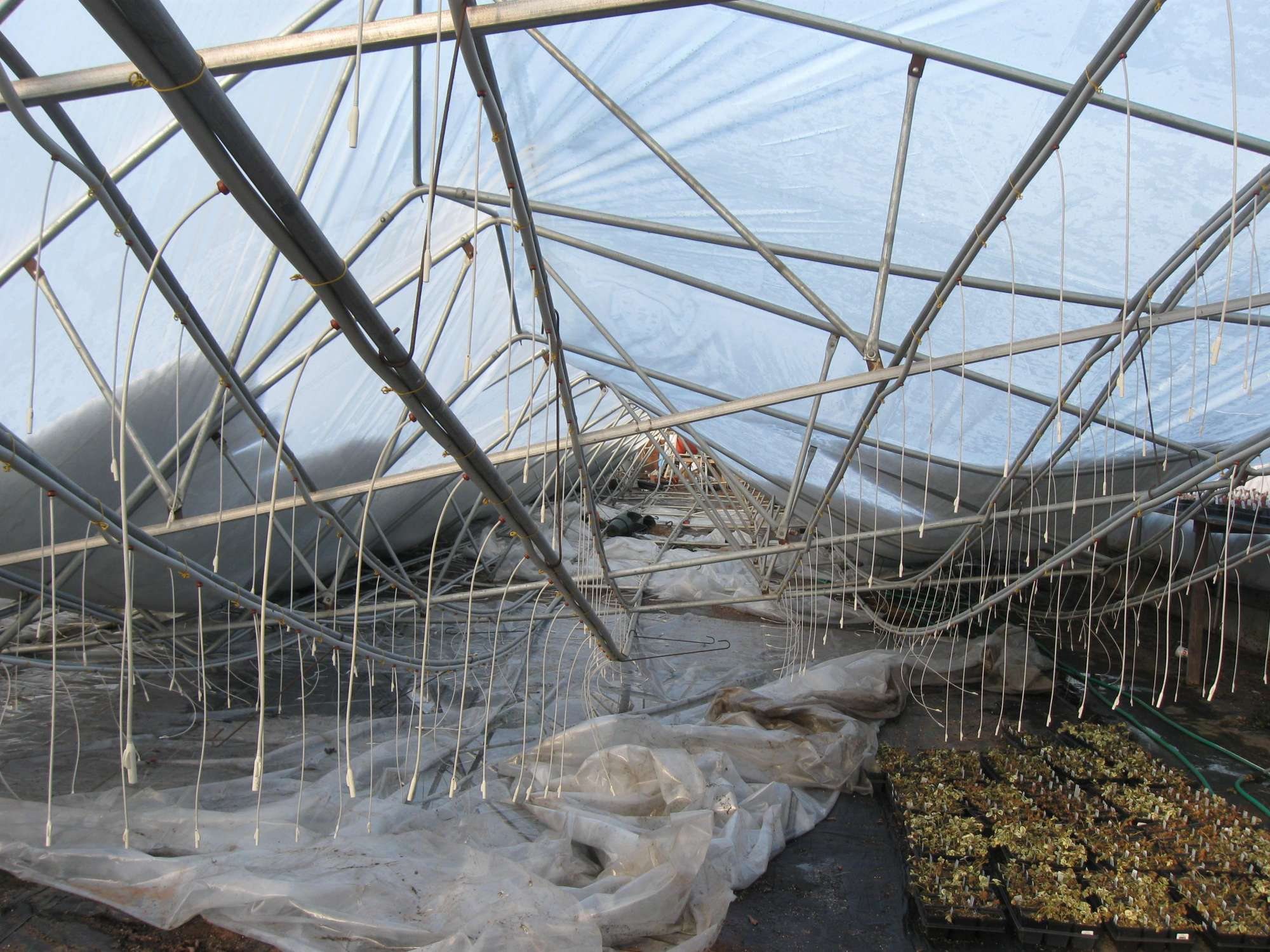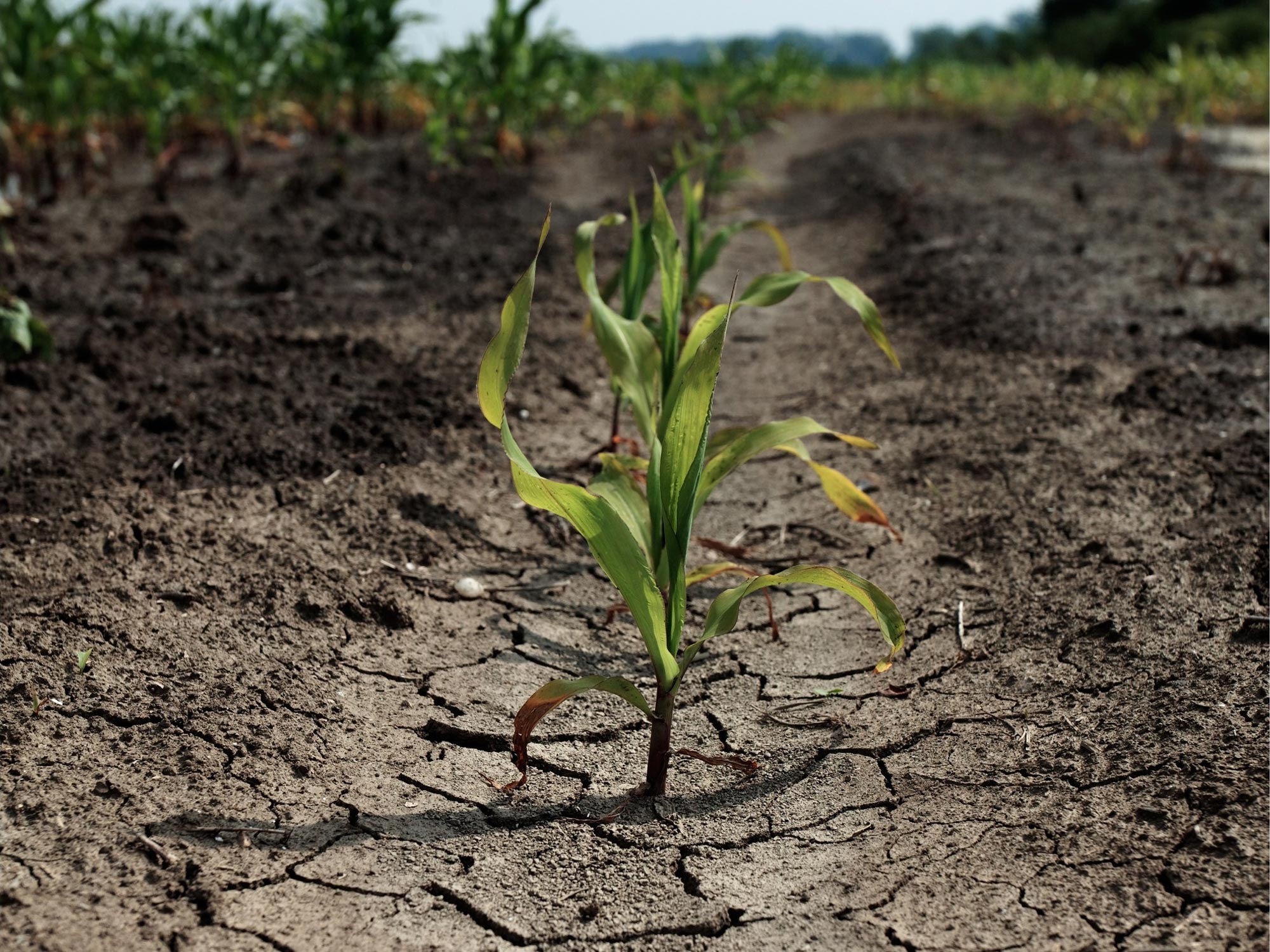
Philippines - Crop losses due to Goring top P189M
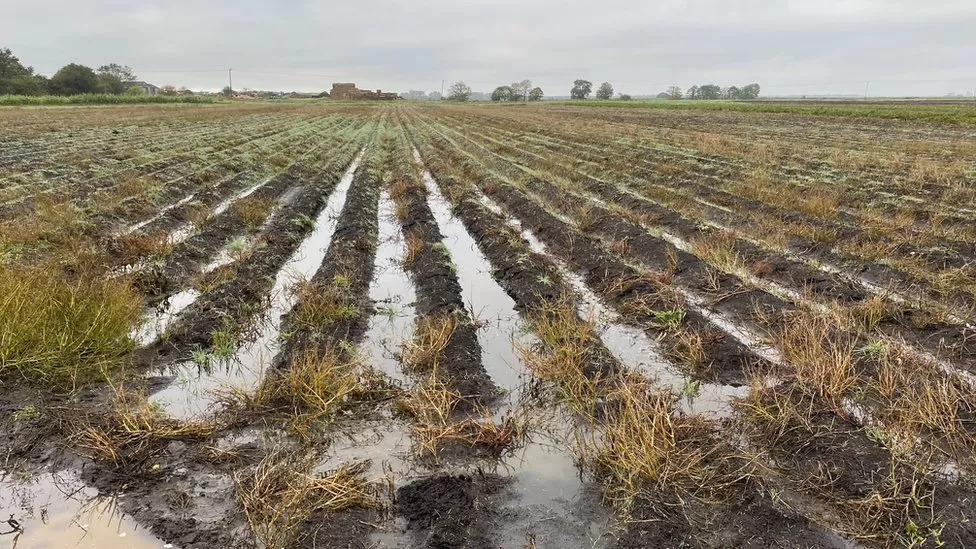
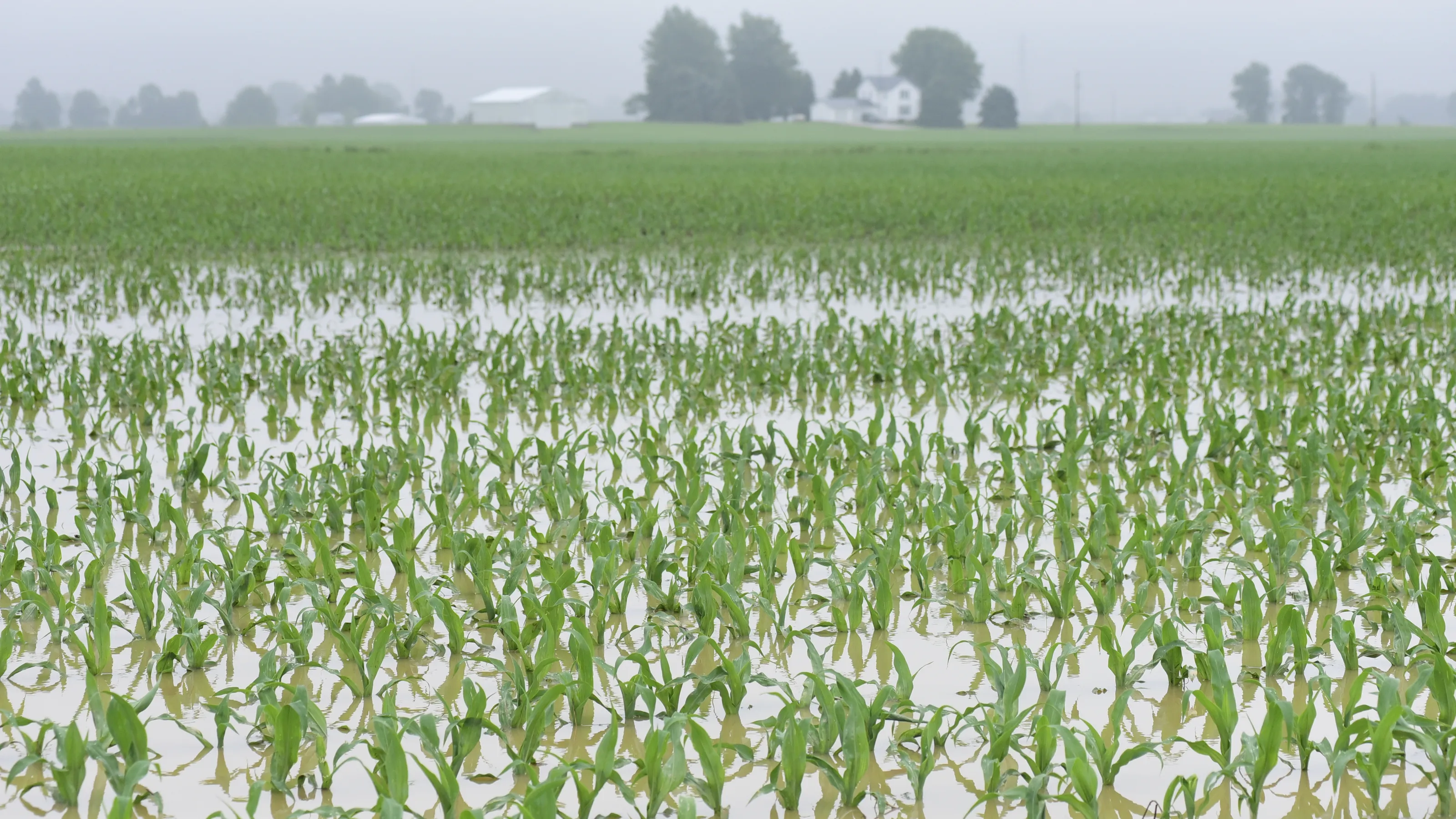
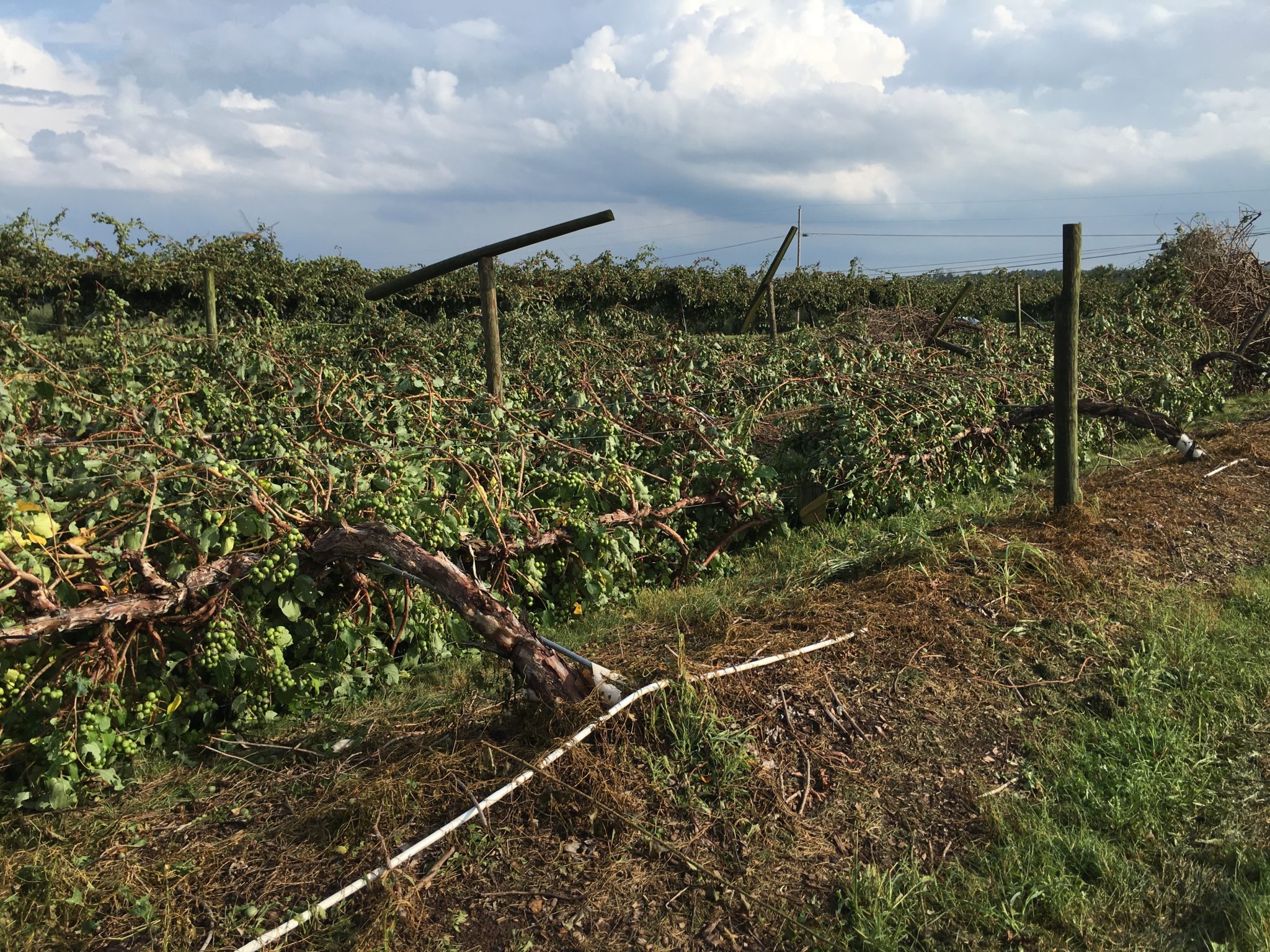
Super Typhoon Goring has left an initial PHP189.1 million worth of losses to crops in Cagayan Valley, the Department of Agriculture-Disaster Risk Reduction Management (DA-DRRM) reported on Wednesday.
With the days running out for the present Kharif season, farmers of the Kurnool district are expressing concern as the district has recorded deficit rainfall this year. The agriculture officials are warning of severe crop loss if the situation continues for another week.
With harvest underway across the province, farmers north of Winnipeg are holding their breath to see exactly how bad thehail damagefrom last week’s storm is.In St. Andrews, farmerCurtis McRaeis assessing his canola fields before he begins harvest Tuesday night.
Last week’s temperatures in Iowa averaged about 10 degrees above normal — and much of the state had little or no rainfall — which led to a substantial decline in crop conditions, according to a U.S. Department of Agriculture report on Monday.
The absence of rains throughout August has sent out alarm bells ringing across India as the fate of standing kharif crops is now uncertain. Farmers and trade organizations say if the rains do not resume within the next few weeks, substantial crop loss is expected, especially in peninsular India.
Above average rain is expected in various parts of the country in October-November-December.This is expected to lead to floods, post-harvest losses and displacement of communities, according to the latest forecast shared by Kenya Meteorological Department Director Dr David Gikungu.
Jack Frost wore out his welcome last spring, delivering a steady stream of overnight freezes that left the apple country with a short crop and in some cases less than supermarket quality fresh apples.
On the map of the US Drought Monitor, a joint project of federal agencies and the University of Nebraska, coloured warningscover the landscape. It’s abnormally dry in Michigan. Minnesota is in moderate drought.
A cold air mass from the Atlantic is bringing changes to the weather and putting an end to the latest heat wave, and to temperatures that have inevitably resulted in significant stress for fruit crops, including the later peach varieties from the Spanish region of Aragon.
The latest bout of heavy rain in Chile has areas that received 400 mm of rain causing an estimated $400 million in damages. While this is an initial estimate, according to producers and Fedefruta, Chile’s fruit representative organisation, there are still fields which cannot be reached, with damages expected to amount to much more.
California’s table grape harvest was significantly harmed byTropical StormHilary, whichbrought torrential weather to California on Aug. 20. The storm crossedBaja California, and also dropped rain in Sonora, en route to California.
Canadian farmers will harvest less wheat than expected after dry conditions in parts of the Prairie provinces shrunk yields, a government report showed on Tuesday.Drought is expected to send global wheat stockpiles for major exporters to the lowest levels in more than a decade, a Reuters analysis has shown.
Last week featured some of the hottest temperatures of the year across the U.S. Corn Belt, increasing stress on corn and soybean crops as the heat was accompanied by a second week of largely dry weather.
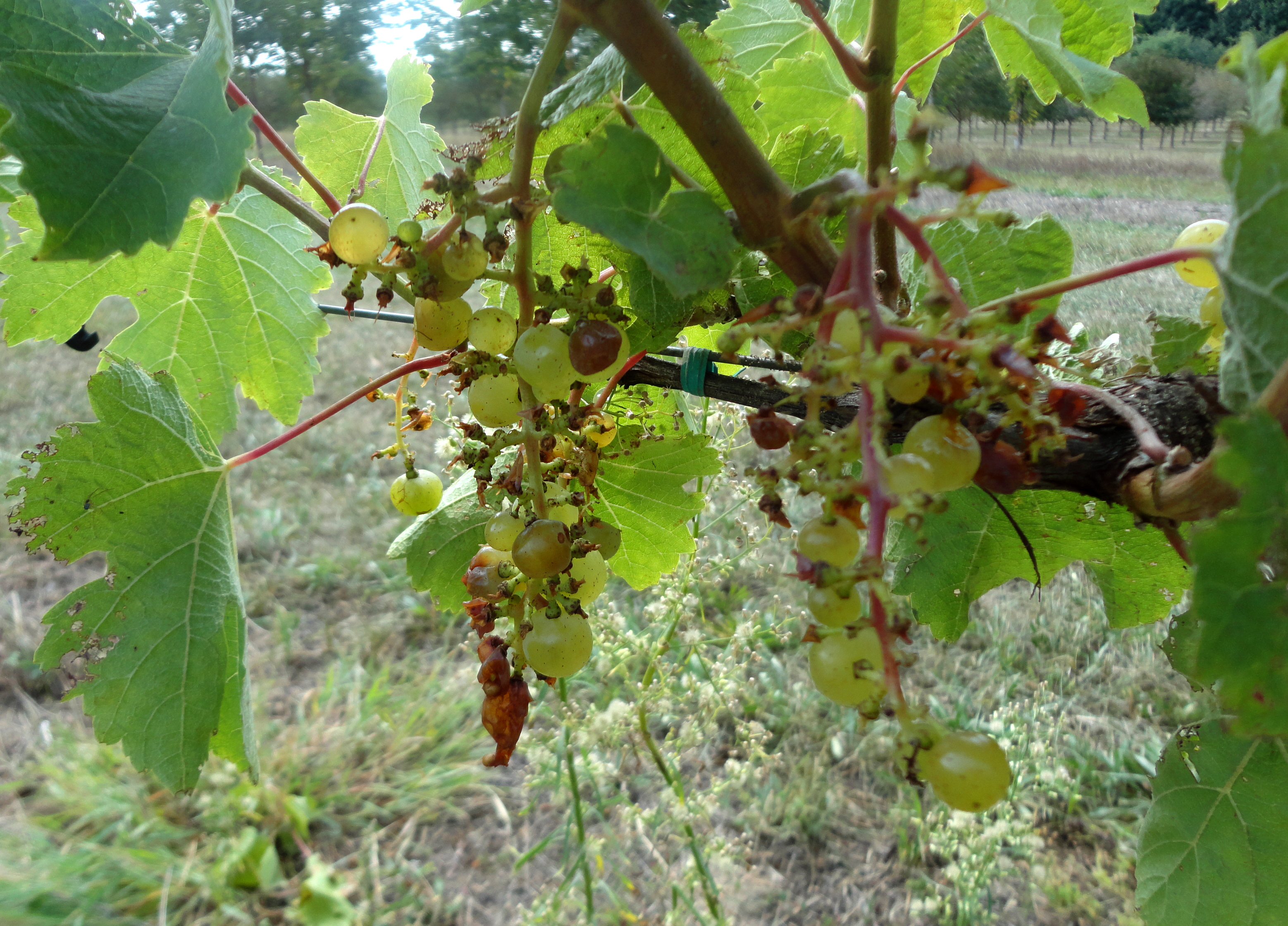
The heat in Southern Europe is affecting the grape market, including Italian grapes. "There are many burnt grapes and inferior qualities on the market. The supply of good quality grapes is 30-40% down from last year.
The Turkish fruits have had a hard time dealing with the weather conditions. Sara Aslihan Metin, responsible for sales of Turkish fresh produce exporter Göknur, states the temperature in Turkey reached over 50 degrees Celsius.
A very hot and dry week in Kansas has wreaked havoc on Jon Kerschen’s soybeans."Where we're at now you can tell, I mean, the leaves are brown. We're down to the plants dying and none of the pods have much of a bean in them at all,“ Kerschen.