NEWS
810
of 1226
News
31.01.2017

ADM to sell crop insurance business to Validus Holdings

U.S. agricultural commodities trader Archer Daniels Midland Co (ADM.N) has agreed to sell its Crop Risk Services (CRS) insurance business for $127.5 million to Validus Holdings Ltd (VR.N), the companies announced on Monday. The deal, which is expected to close in the first half of this year pending a regulatory review, includes a services agreement under which ADM will continue to offer insurance products and grain marketing services to CRS customers, the company said. ADM said it expects to record a book gain upon closing. The sale comes amid a commodities market downturn that has squeezed margins for ADM and other agribusinesses and prompted divestments of lower-margin and noncore businesses. Rival Cargill Inc sold its crop insurance unit in December 2015. ADM is in the process of selling its ethanol-producing corn dry mills amid persistently weak margins. "We regularly evaluate our portfolio to ensure that our businesses and assets best fit our strategy to maximize long-term returns," said Joe Taets, president of ADM's Agricultural Services unit. "As a result of that ongoing process, we have identified a better strategic fit for the Crop Risk Services business," he said. ADM shares closed down 0.9 percent at $44.13 on Monday, a week ahead of the release of fourth-quarter results. Validus shares were down 0.7 percent at $56.51. Source - http://www.reuters.com

31.01.2017

India - Survey conducted to assess crop loss in Kulgam due to hailstorm

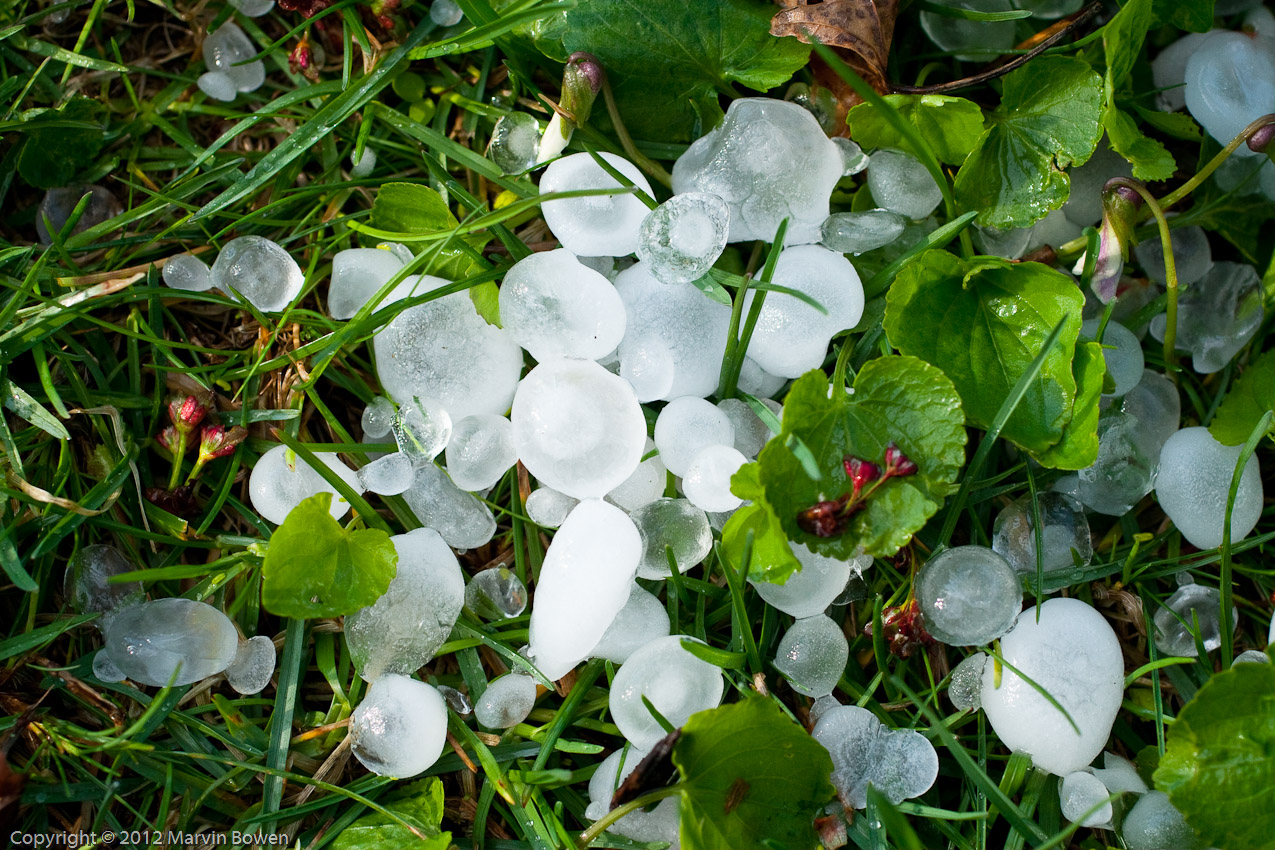
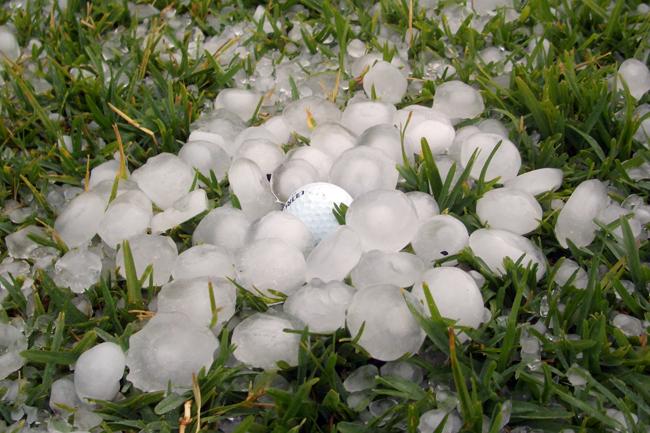
Minister for Public Works and Parliamentary Affairs Abdul Rehman Veeri today said the report of survey conducted to assess damage to the fruit crops due to hailstorm in the month of April and September in Noorabad constituency has been submitted to Deputy Commissioner Kulgam. The Minister informed the house that 75-80% of Apple and Pear crop and 30-35% of Walnut crop was damaged in district Kulgam in April last year due to hailstorm. “The district was hit by another hailstorm on 11-09-2016 which damaged fruit crop over 2737.26 hectares area. The damage report has been submitted to DDC Kulgam,” he said. However, the Minister said that no action could be taken due to unrest in the valley adding that government is launching Pradhan Mantri Fasal Beema Youjna (PMFBY) to take care of losses caused due to natural calamities. He also informed the house that Government has no proposal to waive off loan beyond Rs 1 lakh availed under KCC scheme. Source - http://kashmirreader.com/

31.01.2017

USA - Farm Credit Services report touts crop insurance

Crop insurance saved nearly 21,000 jobs in four states during one of the worst droughts in two decades, according to a report from Farm Credit Services of America. The 20-page paper breaks down the history of the crop insurance program from the start in 1930s, with the Great Depression and Dust Bowl, to expansions in the 1980s and 1990s after a string of unbudgeted disaster relief bills strained federal coffers. The paper says farmers have plenty of "skin in the game" when it comes to crop insurance, and their participation helps minimize risk exposure for taxpayers. FCS provides a step-by-step guide to the public-private partnership that makes the crop insurance program efficient when it comes to covering losses. It also highlights key points including the fact that private companies sell the insurance products and that farmers, like all other insurance customers, pay deductibles and premiums. But the story of the drought of 2012 is where the paper really shines in showing just how important crop insurance is to keeping America's food, clothing and fuel supplies secure. The drought was a devastating hit in a year that was supposed to be favorable for planting. Corn, soybean and hay production declined throughout that summer as the drought intensified. Corn production was down more than 29 percent and soybeans fell 6 percent. The low yields were coming on a year that started with low beginning stocks, the report notes, and tight U.S. and global supplies. Projected prices rose in anticipation of short supplies. Farmers faced low yields and ended up facing big expenses to buy crops at higher prices to fulfill forward marketing obligations and to feed on-farm livestock. Crop insurance helped cover the shortfall and saved 20,900 jobs across Iowa, Nebraska, South Dakota and Wyoming, with an annual labor income of $721.2 million, according to the report. That's money that ended up in Main Street shops and restaurants. Money that allowed farmers to continue to pay the bills and get ready for the next season even after a disaster like the drought of 2012. And best of all, farmers didn't have to go to Congress for an ad-hoc relief bill – just like Congress designed. "Crop insurance kept me farming," farmer Denny Marzen, of Iowa, said in the report. "It's a business tool I use with my marketing program and to help me deal with Mother Nature." Source - http://www.wisfarmer.com

31.01.2017

Canada - Average Manitoba 2017 crop insurance coverage up, premiums down

AgriInsurance coverage in Manitoba is expected to exceed $2.6 billion this year — the second-highest level on record — on 9.6 million acres of land, Agriculture Minister Ralph Eichler said Jan. 17 while speaking here at Ag Days. While coverage is increasing an average seven per cent, premium rates are down an average of four per cent, compared to last year. “Through AgriInsurance, we continue to offer a comprehensive risk management program for Manitoba’s farmers, which is effective whether they are just starting out or have had years of experience,” Eichler said. “To ensure the long-term growth of our province’s agriculture sector, AgriInsurance is an essential tool, as it provides reliable protection against the unpredictable challenges of weather and other production-related risks.” More than 8,400 Manitoba farms are enrolled in AgriInsurance, Eichler said in a news release. Manitoba has the highest level of AgriInsurance participation in Canada, covering over 90 per cent of annual crop acres. AgriInsurance is funded by the federal and provincial government and farmers. The two governments’ share of AgriInsurance premiums for 2017-18 is expected to be $136.3 million. Under AgriInsurance, premiums for most programs are shared 40 per cent by participating farmers, 36 per cent and 24 per cent by the federal and Manitoba governments, respectively. Administrative expenses are paid 60 per cent by Ottawa and 40 per cent by Manitoba. The Western Livestock Price Insurance Program (WLPIP), which was expanded to include Manitoba cattle and hog producers in 2014, provides protection against unexpected price declines. Due to lower cattle prices in 2016, WLPIP paid out $1.7 million to producers, with 73 per cent of insured calves qualifying for a payment. The average payment for each calf that qualified for an indemnity was $94. Under WLPIP, administrative expenses are paid 60 per cent by Canada and 40 per cent by Manitoba. Premiums are paid by participating producers. AgriInsurance and WLPIP are risk management programs supported through Growing Forward 2, the five-year federal-provincial-territorial policy framework, and are administered by the Manitoba Agricultural Services Corporation (MASC). Source - http://www.manitobacooperator.ca

31.01.2017

USA - FCS report finds crop insurance saved jobs

A 20-page report released by Farm Credit Services of America found that crop insurance saved nearly 21,000 jobs in four states during the drought of 2012. The paper breaks down the history of the crop insurance program from the start in 1930s, with the Great Depression and Dust Bowl, to expansions in the 1980s and 1990s after a string of unbudgeted disaster relief bills strained federal coffers. The paper says farmers have plenty of "skin in the game" when it comes to crop insurance, and their participation helps minimize risk exposure for taxpayers. FCS provides a step-by-step guide to the public-private partnership of crop insurance, highlighting key points including the fact that private companies sell the insurance products and that farmers pay deductibles and premiums. Drought of 2012 The drought was a devastating hit in a year that was supposed to be favorable for planting. Corn, soybean and hay production declined throughout that summer as the drought intensified. Corn production was down more than 29% and soybeans fell 6%. The low yields were coming on a year that started with low beginning stocks, the report notes, and tight U.S. and global supplies. Projected prices rose in anticipation of short supplies. Farmers faced low yields and ended up facing big expenses to buy crops at higher prices to fulfill forward marketing obligations and to feed on-farm livestock. Crop insurance helped cover the shortfall and saved 20,900 jobs across Iowa, Nebraska, South Dakota and Wyoming, with an annual labor income of $721.2 million, according to the report. That money allowed farmers to continue to pay the bills and get ready for the next season. Farmers didn't have to go to Congress for an ad-hoc relief bill – just like Congress designed. "Crop insurance kept me farming," farmer Denny Marzen, of Iowa, said in the report. "It's a business tool I use with my marketing program and to help me deal with Mother Nature." Source - http://www.wallacesfarmer.com

30.01.2017

Chile - "We have to protect the fruit from high temperatures"

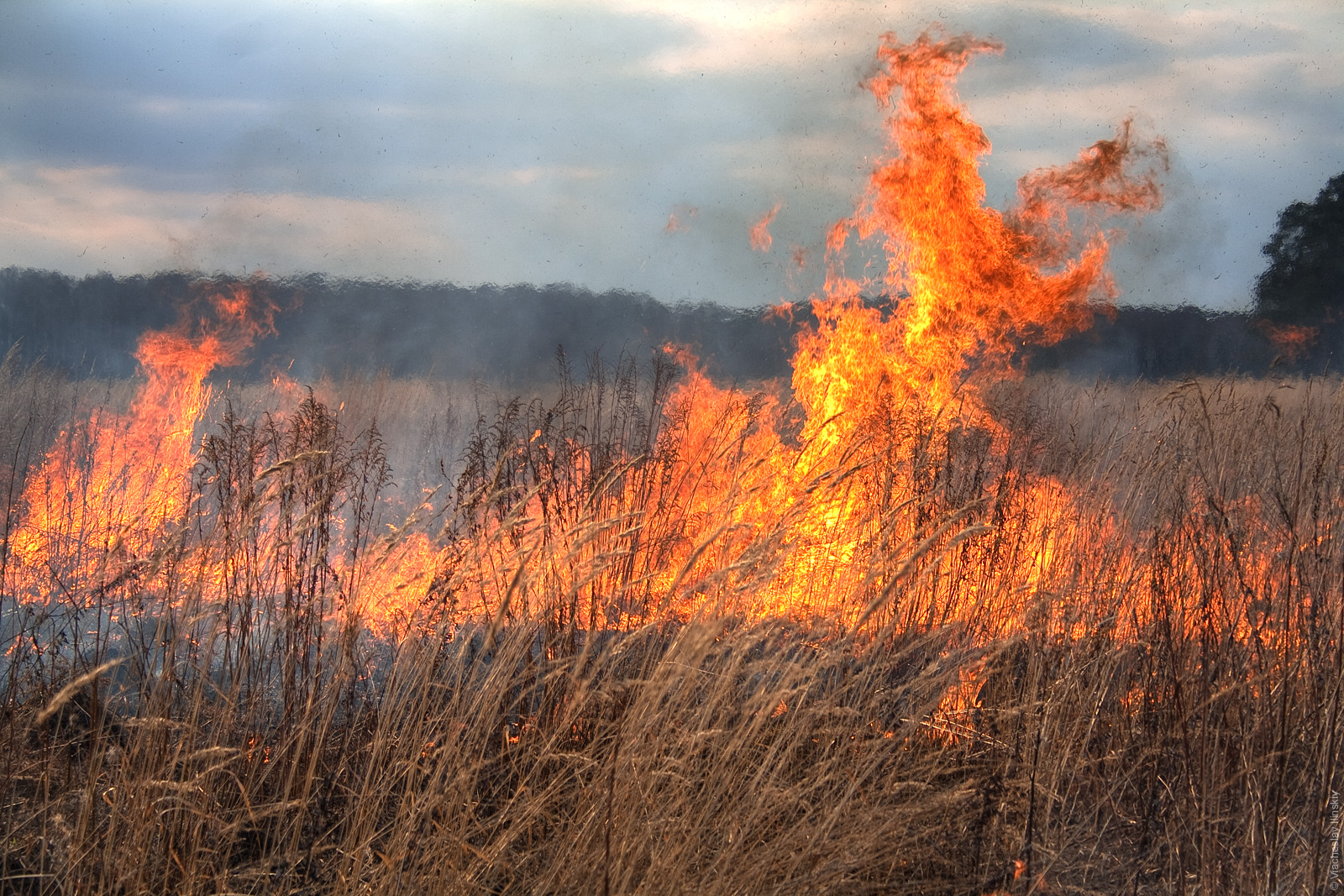
So far, the forest fires affecting Chile since July 2016 have burned more than 360,000 hectares and have killed five people. The fires have mainly affected the regions of O'Higgins and Maule. Fire fighters have described this outbreak as the most serious one in the last 14 years. Fortunately, there has been no major damage on fruit and vegetable farms so far. "The fruit sector hasn't had any damage because these forest fires are mainly located in the coastal mountain range. So far we have no reason to worry," the producers in the area stated. The phenomenon that facilitates the spread of the flames is known as 30-30-30 factor, which means that the effects are exacerbated when temperatures are above 30 ° C, winds over 30 mph, and humidity close to 30%. "The temperatures have been very high and we have implemented preventive measures to face them and to protect the fruit for the next season. We believe the temperatures have increased because of the fires," the farmers said. Source - http://www.freshplaza.com

30.01.2017

India - State’s 99 villages of 5 districts affected by hailstorm

Hailstorm on Thursday night has affected 99 villages of 5 districts of the state. The hailstorm has damaged the crops of 60 hectare area. In the primary assessment loss of Rs. 150 crore has been estimated. Concerned District Collectors have been directed to initiate action under the provisions of Prime Minister Crop insurance scheme in the next 72 hours. Principal Secretary Agriculture Development and Farmers Welfare Dr. Rajesh Rajora has informed that hailstorm has caused damage to the crops of 29 villages of Gwalior, 10 of Bhind, 27 of Datia, 11 of Mandsaur and 12 of Neemuch districts. Moreover, 30.01 mm rainfall in Gwalior, 20.3 mm in Morena, 27.9 mm in Bhind, 26.8 mm in Datia and 16 mm rainfall in Shivpuri has been registered. Beside this less than 4 mm rainfall is registered in Rewa, Burhanpur, Bhopal, Guna, Betul, Sehore, Hoshangabad, and Satna which is generally good for the crops at this time. The concerned district collectors have been instructed to intimate insurance companies within 72 hours through notification as per the Prime Minister Crop Insurance guidelines as hailstorm is covered as localised risk and there is a provision of joint survey. Source - http://www.centralchronicle.com

30.01.2017

India - Officials not keen on assessing crop loss

Even while the district authorities claimed that steps have been taken to assess the crop loss due to the recurring drought accurately, the representatives of the farming community at the farmers’ grievances redressal day meeting held on Friday complained that the officials were not evincing keen interest in assessing the loss and have not visited many affected villages. The District Collector said that specialised training was imparted to officials of different departments at the block level, division level and district level to assess the crop loss suffered by the farmers. Specific instructions have been given to them that no affected farmer should be left out in the process. He said that the pictures of the affected crops and fields were captured and instantly uploaded using Bhuvan App. This is done mainly to ensure accuracy and avoid delay. Of the normal rainfall of 993.9 mm, the district received only 521.6 mm rainfall during last year, which led to serious drought. P. Soundararajan, Joint Director of Agriculture, said that of the 643 villages assessed by the special teams, 572 were found to be drought-hit. Soon a host of farmers complained that officials have not visited many of the seriously affected villages. Even the VAOs have not visited the affected villages, they alleged adding that the officials were preparing the loss report based on the details of the previous years. They said that the entire district is reeling under severe drought conditions and the government should take steps for the provision of compensation to all the affected farmers. Two women of Attur Kattukottai and Kanthanur Thekkadu, near Mettur, respectively complained that some persons posing as government officials extracted money from them assuring adequate compensation to their families following the untimely demise of the breadwinners due to crop loss. Mr. Sampath directed the police to enquire into the complaints and take proper action. He also warned the officials against indulging in such illegal activities with stringent action. The farmers were informed that the Animal Husbandry Department is setting up fodder godowns in 37 centres in the district. The animal husbandry department has identified nine centres for holding jallikattu, 171 spots for holding eruthattam etc in the district. A report in this regard has already been submitted to the government. Source - http://www.thehindu.com

30.01.2017

India - Farmers demand drought-hit status for affected mandals

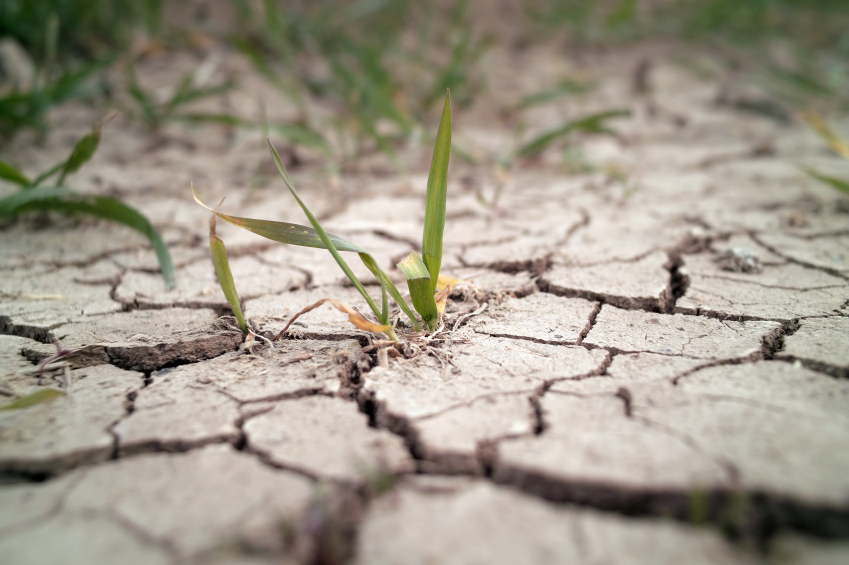
With the northeast monsoon failing to impress, farmers of Visakhapatnam district who have planted their second crop of the year are worried about the impact of the dry weather and falling water tables. The second crop in the district, especially in the upland areas and dry plains, are chiefly lentil crops such as sesame, horse gram, black gram and other types of dal. "Though these crops are dry weather crops and require very little water support, they need to be watered at least once every 10 days on an average during the 80-day period and this year we believe that the water table levels have badly shrunk," said K Ram Babu, a farmer from Eti Gavirampeta, Narsipatnam division. Sources in the government agriculture department disclosed that almost 1,000 water tanks used for small scale irrigation have dried up and so have the hill streams feeding them. Badly hit by demonetisation, the farmers were hoping to make something out of their second crop this year. E Raman Prasad, a farmer from Uratla observed, "Lack of water is a problem in the upland areas of Narsipatnam and Anakapalli divisions. Much of the agriculture in these zones is hence dry crop agriculture. Now, with the northeast monsoon playing truant, the farmers are in for trouble." Officials said a vast majority of the farmers, however, would not be troubled too much. K Srinivasulu of the Krishi Vigyan Kendra said, "Much of the land in the upland areas of Narsipatnam and Anakapalli plains is either under horticulture such as mango and cashew or timber (Casuarina, Acacia). Hence the loss of crop would be negligible." He further added, over all not more than 10 mandals should be affected. The farmers, however, maintain that they would face severe losses due to lack of rains and further demanded that the district be declared drought hit. "The authorities cannot claim that farmers will not be affected just because the mango and cashew are in bloom. They must understand that the second crop is equally important, especially for food security. They should at least identify mandals which will be very badly affected and declare them drought hit, if not the entire district, " Raman observed. Source - http://timesofindia.indiatimes.com

30.01.2017

India - Farmers will get compensation for crop loss

Farmers will get compensation for the crop loss in the recent hailstorm and rain, chief minister Vasundhara Raje said on Saturday. “I have instructed the revenue, and disaster management and relief departments to conduct a survey (girdawari) of the damage to the crops in the recent hailstorm that hit several parts of the state for a couple of days,” Raje said after inaugurating the Falaudi Mata Mela at Khairabad in Kota district. “After the survey, relief will be provided to the farmers.” The chief minister said work on the Takli medium irrigation project in Ramganjmandi would begin soon. “I have told the Kota district collector to resolve all disputed issues related to the Takli irrigation project,” Raje said, adding that she had provided ₹52 crore for the construction of the dam during her previous tenure as the chief minister. A large number of devotees from the Medatwal community (Vaishyas) attend the month-long Falaudi Mata Mela, organised once in 12 years at Khairabad. “Falaudi Mata Mela is an example of communal harmony since Muslims, Gujjars and other communities have offered their land and wells for the fair, which is very unique,” Raje said. “It is my wish that the environment of communal harmony and peace created by the fair should prevail in entire Rajasthan.” She said the state government would promote Falaudi Mata temple and put it on the tourism department website. State urban development and housing minister Shrichand Kriplani, Kota MP Om Birla, fair organising chairman Mohanlal Chaudhary and saints were present on the occasion. Source  - http://www.hindustantimes.com

27.01.2017

Canada - Act early if crops still in field

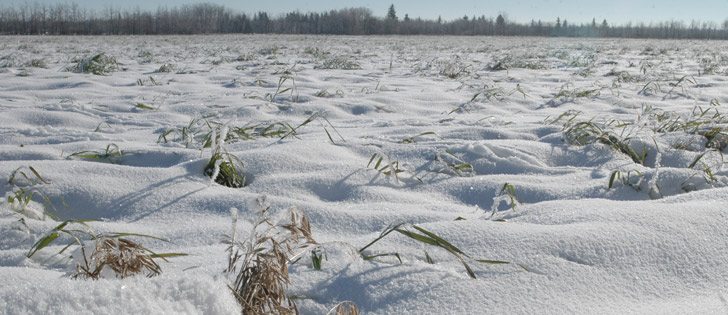
Farmers who left unharvested crops in the field last fall should get in touch with their lenders to discuss cash flow needs and loan repayments. “Contact your lender and get hold of them early so they have time to sit down with you and work on your file because you are not the only one,” Rob Schmeichel, director for the Edmonton zone with Farm Credit Canada, said in an interview at the Alberta Federation of Agriculture Jan. 18-19. “Don’t wait until the night before the payment is due.” Income shortfalls could be a problem this spring. Affected farmers need money to finish last fall’s work before getting ready for spring seeding. “There are different cycles when people need cash for loan payments and operational needs or to get the crop in the ground next year,” Schmeichel said. Producers need to do a detailed assessment of what they have available financially and then do a working capital cash flow projection for the next year. Information should include grain inventory in the bin, unharvested acres, spring seeding costs and cash needs. “Do a detailed cash projection for what you know you need on your farm and be detailed about it because that helps the lender out,” he said. Payment schedule amendments have been offered in some cases for those with unharvested acres. “It is entirely doable, but we need a little bit of time to make it happen,” he said at the AFA meeting. Alberta producers also need to be proactive on crop insurance claims, said Schmeichel. “Make sure you get the answers you need from crop insurance and don’t be scared to put a little proactive follow-up on crop insurance,” he said. “Some of the frustration for producers is they are not getting clarity from crop insurance.” Many policies have a cap on what percentage of yield and acres are covered. Some producers may not be eligible for a payout, so they need to know where they stand financially. Farmers with crop insurance through Alberta Financial Services Corp. were asked to detail their unharvested acres on the crop harvest production reports by Nov. 15. In an email, AFSC reported that as of Jan. 19, there were 2,119 unharvested crop claims throughout Alberta from Taber in the south to Grimshaw and Peace River in the north. As of Jan. 20, about 720 claims have been completed, 400 were in process with an adjuster and 991 were waiting for an adjuster. The estimated total of unharvested acres is slightly higher than one million acres in Alberta. Estimated payout for the loss of crop on unharvested acres will be around $47 million, said Mustafa Eric of AFSC. The crop report from Alberta Agriculture Nov. 29 said the northeast, northwest and Peace districts have the most crop left behind because of extremely wet conditions. Eighty-one percent of the harvest was completed in the northeast, 82.4 percent in the northwest and 84.6 percent n the Peace district. Unharvested acreage in Saskatchewan was estimated at 1.5 million acres in December, and crop insurance extensions had been granted to 6,855 producers who hadn’t finished harvest by the Nov. 15 reporting deadline. The west-central region had the most crop remaining in the field with only 89 percent of it in the bin by the Nov. 21 final crop report. However, crop was still out in all regions, including nine percent in the northeast, five percent in the northwest and two percent in all other areas. The situation is much better in Manitoba. David Van Deynze, vice-president of insurance operations at Manitoba Agricultural Services Corp., said only one percent of the province’s crop wasn’t harvested, which represents slightly more than 100,000 acres. Officials had expected that seven to eight percent would be left out heading into November, but good weather allowed most farmers to finish combining. “At one percent it’s not overly concerning,” Van Deynze said. “It certainly would be for some farmers that are more affected than others, but from a provincial perspective it’s not that big of an issue.” Source - http://www.producer.com

27.01.2017

Ghana - Govt must encourage agric insurance - New Year School panelists

Speakers at the 68th Annual New Year School and Conference have called on the government to formulate a national policy that will make it mandatory for financial institutions to demand an insurance policy from players in the agricultural production value chain before advancing any money for a project. That, they said, would help boost the confidence level of the financial sector in the agricultural value chain, as well as to scale-up the penetration of agricultural insurance that had seen low patronage since its introduction in 2011. The session was on the topic: Agricultural Financing and Insurance. The General Manager of the Ghana Agricultural Insurance (GAP), Mr Ali Mohammed Kato, the Country Manager of the Agribusiness System International, Dr Betty Annan, the Managing Consultant of IESO Agribusiness Consult, Mr Francis Osei, and the Dean of the University of Ghana Business School, Professor Joshua Abor, spoke at the event. For several decades, Ghana’s agricultural sector has suffered low investments, minimal technological infusion and general neglect, resulting in marginal growth and contribution to national output. From 30.4 per cent in 2006, the sector’s contribution to total economic output, measured by gross domestic product (GDP), has declined to 20.2 per cent in 2015. The drop in the sector’s contribution to GDP can be traced to the steady reduction in its growth rates over the years. After ending 2008 at 7.4 per cent, growth in agriculture resumed a downward trend; dropping to 5.3 per cent in 2010 before peaking at 5.7 per cent in 2013. In 2015, growth in the sector dropped from 4.6 per cent in 2014 to 2.5 per cent, raising questions over the impact of various interventions aimed at lifting it. To help reverse the trend, Mr Kato underscored that the state must put much premium on subsidy to make agricultural insurance products affordable to smallholder farmers in the country. For that to be successful, he said there should be collaboration among state institutions such as the Ministry of Food and Agriculture and Agricultural Insurance Programmes to determine the kind of crops to be insured. Adopting mobile financing For her part, Dr Annan, whose outfit is a nonprofit consulting firm that aligns business interests with those of smallholder producers to confront today’s global challenges, underlined that access to finance was a major challenge in the agricultural sector. “Therefore to save the situation, mobile finance holds a greater potential for promoting financial inclusion, especially with mobile phones increasingly becoming affordable,” she said. She said due to the expensive nature of building bank branches, coupled with difficulty in convincing the ‘unbanked’ to use formal banks, stakeholders must promote mobile financing to provide financial inclusion access to rural under-served agribusiness value chain actors. She noted that farmers have come to appreciate the privacy, efficiency and accountability Mobile Money Transfer (MMT) provides and were now patronising the service. Putting right Policies in place  Mr Osei cited that over the years, the sector had been characterised by low productivity and low technology adoption. “As a result, communities in the country are stuck in a cycle of subsistence farming and for many households, low agricultural growth means poverty and malnutrition,” he said. He mentioned lack of access to investment, agricultural technology, markets, poor infrastructure and a short farming season as some of the challenges impeding the growth of the agricultural sector. These challenges, he said, had resulted in reduced yield in the sector despite the ongoing interventions in the form of subsidies and development aid. “Right Policies and actions that address risks associated with agriculture will improve and enhance capacity of financial institutions to lend to agricultural needs” he said. He also called for the development of inclusive agribusiness models to make smallholder financing attractive to financial Institutions in the country. Financing opportunities Prof. Abor said the agriculture sector, though beset by a lot of risks has a lot of financing opportunities that make business sense. Source - http://www.graphic.com.gh

27.01.2017

India - Haryana minister directs SDMs to visit areas hit by hailstorm

In view of the hailstorm in some parts of the State, Haryana Agriculture Minister, O P Dhankar has directed the Sub Divisional Magistrates (SDM) and tehsildars to visit the areas concerned where the crops have been damaged. He has asked them to submit the report soon. Dhankar also urged the affected farmers to report the damage to the SDM concerned, an official release said at Chandigarh on Thursday. Heavy rains lashed Haryana and neighbouring Punjab since early this morning. Source - http://indianexpress.com

27.01.2017

USA - 2017 crop insurance deadlines approaching

A reminder to local farmers that some crop insurance deadlines are next week. Farmers in Washington, Idaho, and Oregon have until Wednesday, Feb. 1 to purchase or modify crop insurance for onions and cabbage. The deadline for all other spring-seeded crops is March 15. The USDA's Risk Management Agency (RMA) encourages farmers to visit their crop insurance agent for the latest information on the 2017 crop year. Source - http://kimatv.com

27.01.2017

India - Team inspects drought-hit fields in Thoothukudi

A central team comprising S.B. Tiwari, Under Secretary (Skills), Ministry of Rural Development, R. Alagesan, Director (Monitoring), Ministry of Water Resources and accompanied by Dakshinamurthy, Director of Agriculture and Collector M. Ravikumar inspected drought-hit fields at various locations in the district on Tuesday and assessed damages caused to crops in the wake of monsoon failure. Initially, the team took stock of the damage to blackgram on a field at Jegaveerapandiapuram in Ottapidaram Block. R. Radhakrishnan, a farmer, who had cultivated blackgram on nine acres at Jegaveerapandiapuram, informed the team that he suffered loss as crops did not raise owing to lack of rainfall. Mostly, farmers in the Ottapidaram Block were dependent on rainfed cultivation of crops. In 2015, yield from an acre about five to six quintals of crop following good rainfall, but it dwindled to just ten kilograms last year. Despite incurring an expenditure of about Rs.12,000 to Rs.15,000 per acre, he said he could not even earn enough to meet the expenditure. Hence, he sought the team to recommend to the government for providing compensation of Rs.15,000 per acre. R. Ragunathan, another farmer and Ottapidaram Union Secretary of Tamil Nadu Farmers Association, pressed the need for providing compensation to farmers for crop damage, as well as provision of insurance benefits at the earliest to ensure their survival. Subsequently, the team moved to Eppodhum Vendran and inspected the tank, which remained dry. Among the farmers present, P. Muthusamy said the former Chief Minister Jayalalithaa had allocated funds to desilt the tank at Eppodhum Vendran, but owing to official apathy no such work was taken up so far. During the rains in 2015, large amount of surplus water from this tank was let waste thanks to poor maintennance. The team, which sought details of the total area of the tank and its silt deposits, asked the officials to accord priority to desilt it. The Director of Agriculture said while talking to reporters at Eppodhum Vendran that four teams comprising 10 members were involved in assessing drought-hit areas. After assessment, the teams would compile the report and forward it to the government, he said. At Mela Eral, Krishnamurthy, a farmer said green gram and maize were totally affected due to drought and pleaded for compensation. Ponnusamy, another farmer, said he had no money to repay the loans he had obtained from cooperative society due to crop loss. Since there was no other source of income to repay the loans he sought more time for repayment. After inspecting Sinthalakarai, Ariyanayagipuram and Surangudi, the team assured the farmers of all help to extend adequate compensation. Joint Director of Agriculture P. Vanniarajan and Assistant Directors of various blocks also accompanied the team. Source - http://www.thehindu.com

27.01.2017

USA - Storms hamper harvests across California

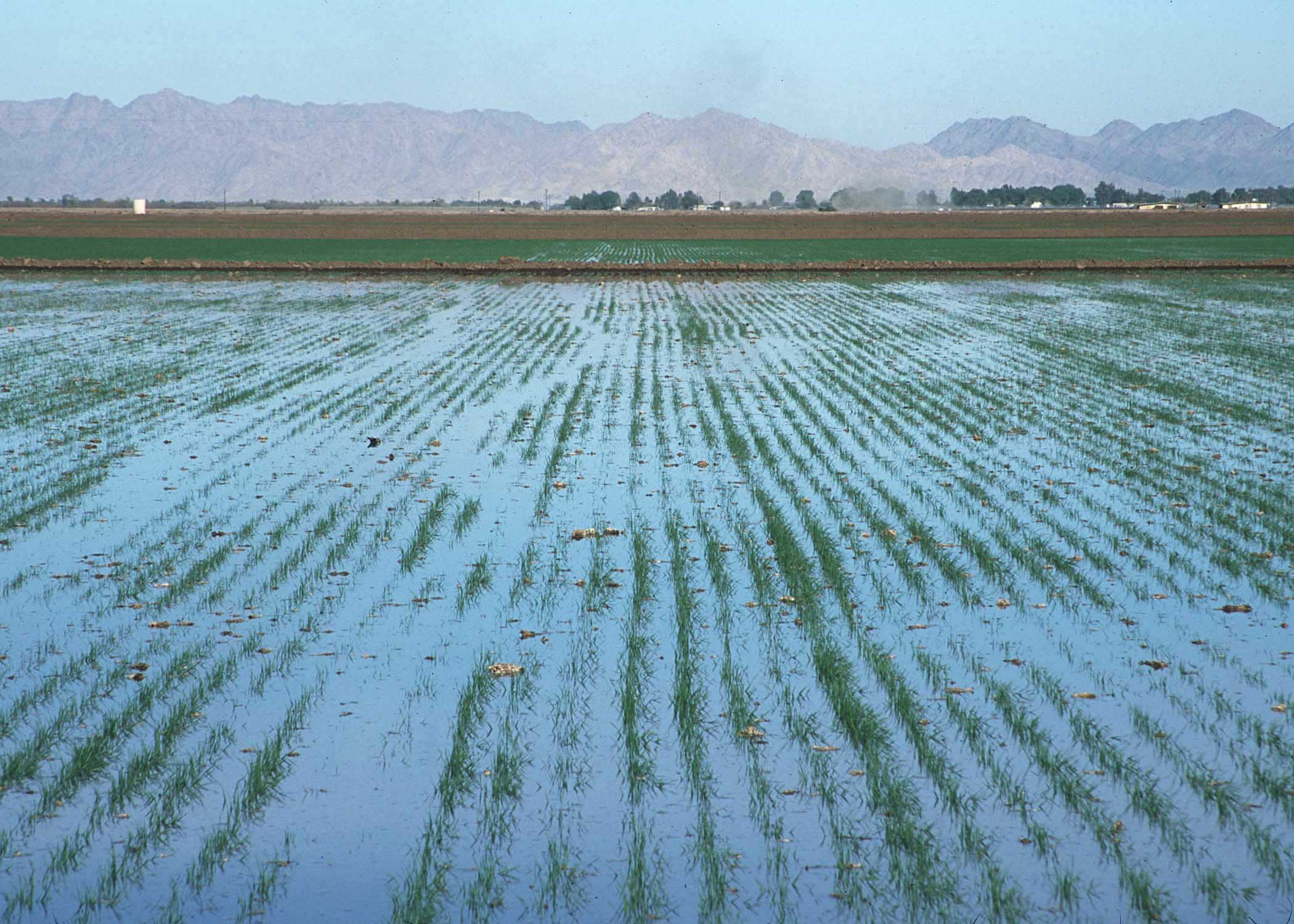
Californian farmers have suffered from floods and heavy rain this month which have caused many problems for farmers statewide. Crops, including citrus, vegetables and nuts, were affected and damaged by the unfavorable weather. While California is in desperate need of rain, this month has been too much for some areas. "For many of our farmers, it's difficult to get in to plant or they have crops in the ground that are hard to harvest because the fields are muddy," said Tom Nassif, president and CEO of Western Growers, a California-based trade group representing about half of the nation's fresh fruits, vegetables and tree nuts. In January, some farm regions of the state had rainfall totals exceeding 10 inches. Several areas in Northern California, including around the Sacramento River Delta farming region, have already exceeded their annual water year totals. Farmers statewide have suffered from muddy fields caused by the storms which are hampering harvests and pruning which is delaying certain crops. Rains also could produce mildew issues with some vegetables, particularly spinach. Linsey Dale, executive director of the Imperial County Farm Bureau explained, "It's just a mess. There's a loss of revenue because it's too muddy to harvest." In central and southern California, the USDA reported that "rain continued to slow the Navel orange and Satsuma mandarin harvests." Still, many growers welcomed the recent storms and suggested more rain would be helpful to restore the drought-depleted aquifers. "It's all been good stuff," said Bill Diedrich, a farmer in the Central Valley who grows almond trees. "It's been effective rainfall — it's soaking in and going down." The USDA and the state food and agriculture agency didn't have damage estimates. Source - cnbc.com

810
of 1226