NEWS
811
of 1225
News
24.01.2017

India - Central team takes stock of drought situation

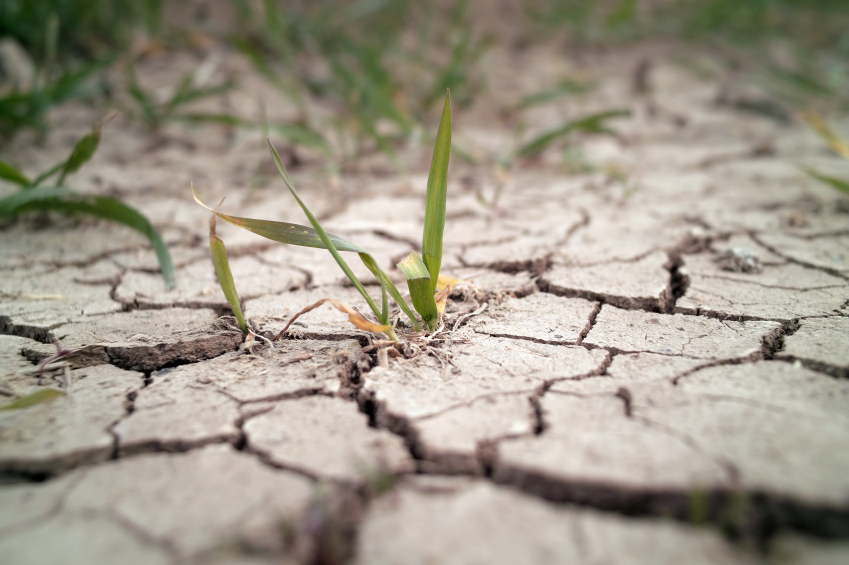
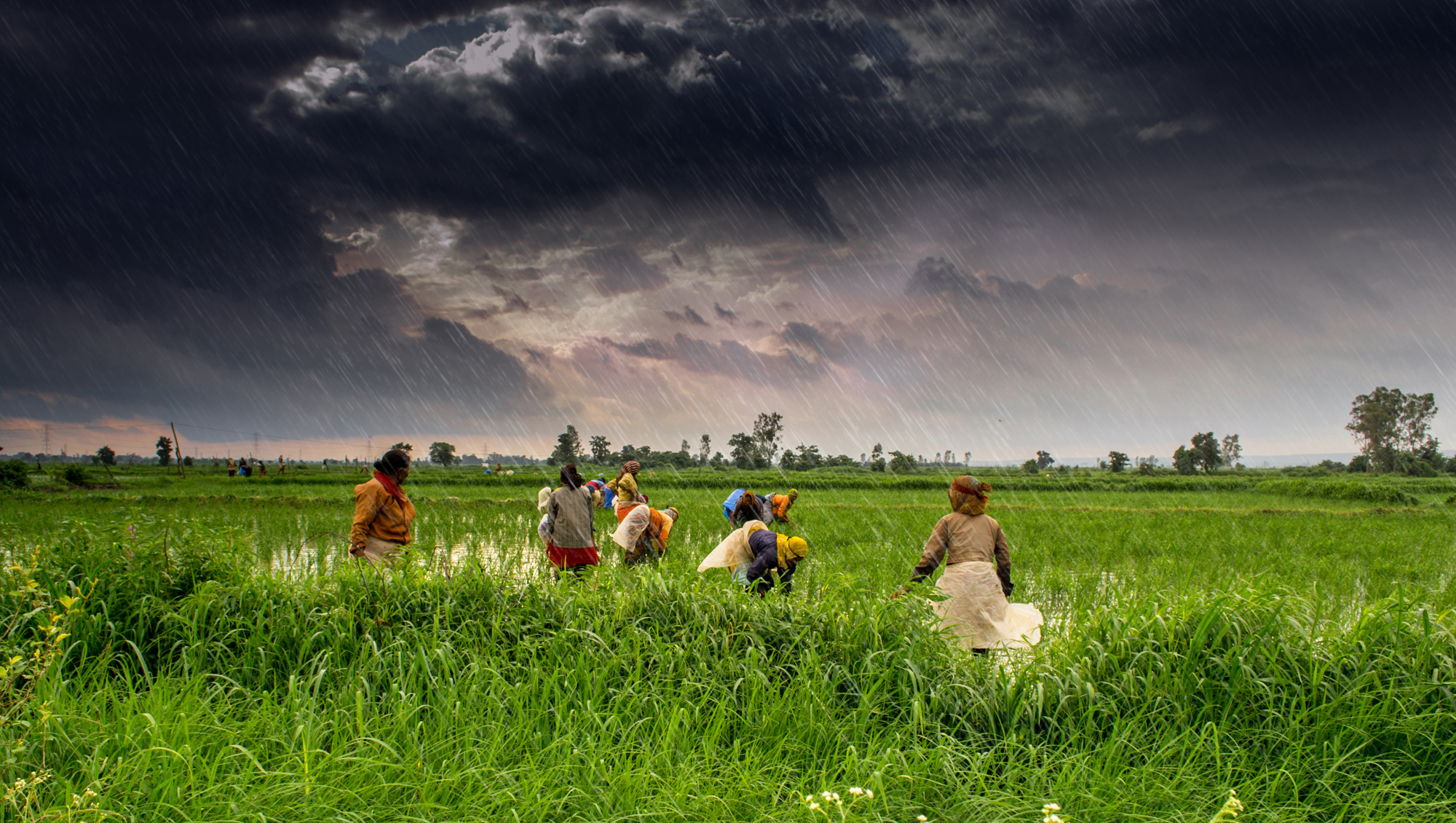
An inter-ministerial central team visited three villages in Madurai district on Monday to assess the damage to crops caused by drought. Director (trade, extension & drought management) at ministry of agriculture Vijay Rajmohan and assistant advisor, ministry of drinking water and sanitation Santosh, along with the managing director of the Tamil Nadu water supply and drainage board, Dheeraj Kumar visited Alampalacheri, Poosalapuram and Kuppalnatham. The officials interacted with farmers and enquired about crop loss. Most of the rain-fed crops in Usilampatti division has suffered extensive damage due to poor rains, a district official told the team. The northeast monsoon should have brought 419mm rainfall but the region received only 70mm rainfall, he added. Explaining about their losses, farmers at Alampalacheri said that they spent 15,000 per acre to cultivate maize, but the entire crop withered. Instead of the 20 quintals of usual yield, they hardly got two quintals of maize. Showing the withered crop at Poosalapuram, farmers said that they had a bumper harvest last year. "Many of us cultivated maize with the hope of good returns this year. But, the drought took a heavy toll. Now, the withered crop is used as cattle feed," S Neethirajan, a farmer, told the team. At Kuppalnatham, the team visited an abandoned paddy field full of withered crops. "We could not raise paddy beyond the planting stage after the rains failed," said N Subramanian, a farmer. Farmers were expecting at least 40 to 50 bags of paddy per acre, he added. The central team queried the farmers about the availability of drinking water in the region. "The region receives drinking water from the Vaigai dam under drinking water schemes. As of now, we are getting water to drink, but the reservoir level is also depleting steadily," a farmer said. When enquired about ground water, farmers said they have to sink bore wells to 400 to 500 feet depth to get water. As the team could not visit Allikundam to study about cotton crop loss, agriculture department officials from Usilampatti presented documents about the status of cotton crop that suffered damage due to drought. Talking to reporters after assessing the drought situation, the central team members said that crops have suffered 80-90 % damage due to water shortage. A report will soon be presented to the central government, they said. District collector K Veera Raghava Rao said drought has affected all 645 villages of the district and a report has been presented to the state government. Revenue and agriculture departments have been asked to assess the crop loss at village level, he added. Source - http://timesofindia.indiatimes.com
24.01.2017

Europe - Cold damaging Spanish vineyards and causing cauliflower shortage

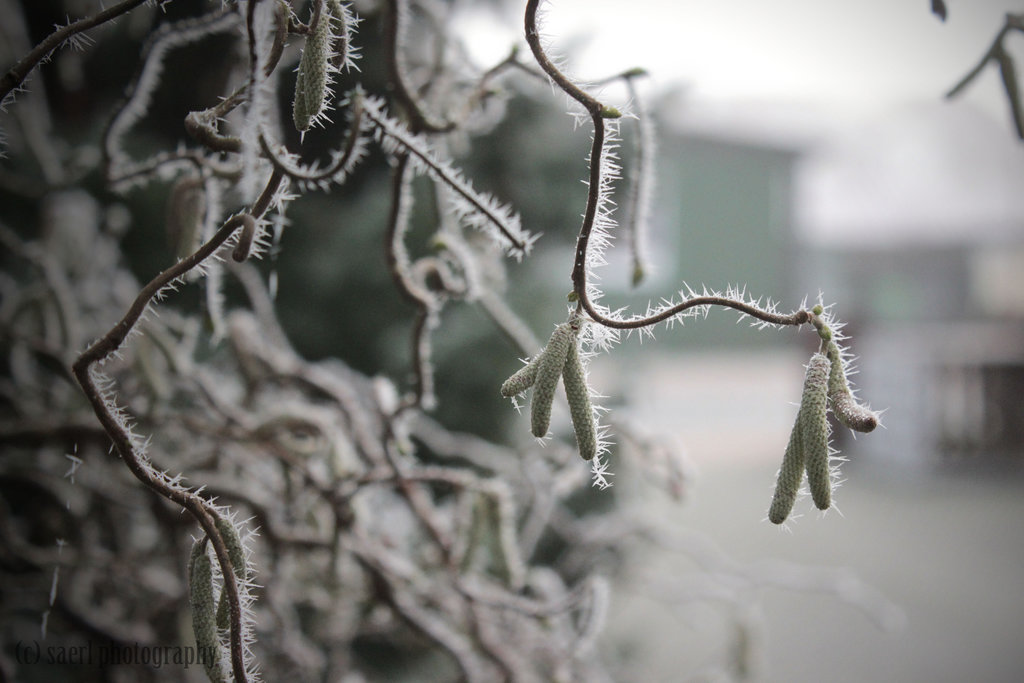
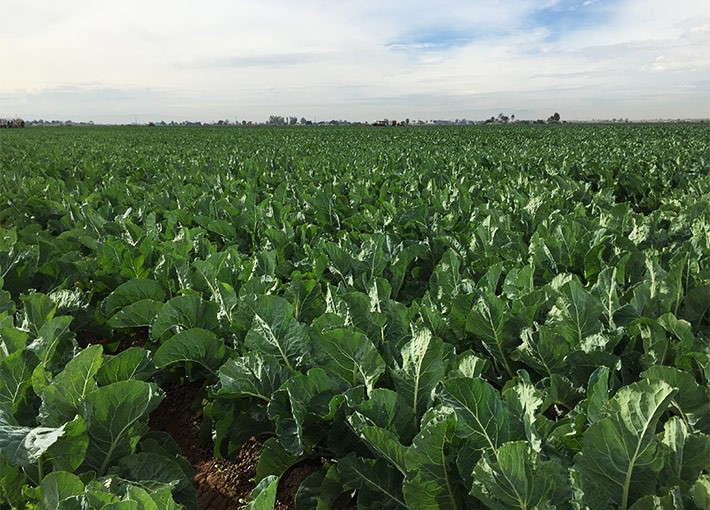
The cold continues to trouble farmers in both Spain and Italy. In Spain, grape vineyards were damaged after a brutal snowstorm while Italy expects to see a low supply of cauliflower due to cold freezes around Europe. The Councillor of Water, Agriculture and Environment of Murcia, Adela Martínez Cachá, and the Mayor of Totana, Juan José Cánovas, visited the table grape vineyards in Spain that were damaged in various areas of El Raiguero as a consequence of the snowstorm. The actual extent of the damage, caused mostly by the weight of the snow on the protective plastics, is still unknown, but the acreage of those who have already reported to be affected could exceed sixty hectares. According to the Councillor, technicians of the Regional Agrarian Office have been assessing the damage since last Friday in order to make a financial estimate to be sent to the Ministry of Agriculture, and thus make it possible to determine how much aid will be needed from the administrations. Despite the low amounts of cauliflower harvested elsewhere in Europe, French cauliflower prices remained quite low this week, according to vegetable exporter Theo Kampschoer from Brittany. “For a normal quality cauliflower prices are around 7 euro, and prices are around 9 euro for good quality.” “Supply was very good this week, with a volume of 100,000 to 140,000 crates per day,” Kampschoer continues. “By now we also have cold weather, with temperatures between -2 to 4 degrees Celsius at night, and 5 to 6 degrees Celsius above freezing during the day. That is why we expect slightly less supply in week 4.” Source - http://www.freshplaza.com

24.01.2017

USA - Winter tougher on farmers than plants and animals

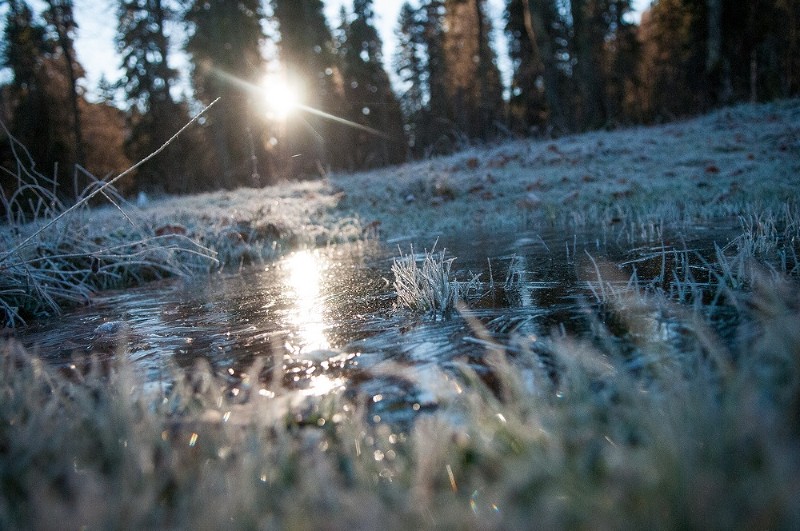
A common question I get when the temperatures dip below zero is “Will the extreme cold affect agriculture in any way?” Everyone’s first hope, it seems, is that insect numbers may be down as a result of some sub-zero temperatures. As it turns out, insects are rugged little creatures. Insects that overwinter in our region often take shelter underground or inside plant materials that can moderate the extreme temperatures. Others have adapted by laying eggs capable of surviving months of cold, wet, hot or dry conditions, only to hatch when conditions are favorable for survival. Most plants we commonly use in agriculture have adapted well to our climate. Annuals such as corn and soybeans produce their seeds before the winter temperatures set in. Perennials such as alfalfa have been adapted to survive in our region. In fact, some alfalfa varieties sold in southern portions of the U.S. are perennials in Alabama, but annuals in the North. Fruit trees, particularly peaches and cherries, are perhaps the most sensitive to the cold of any plants we raise in Michiana. Yet, most of the crop loss we see in these fruits occurs in the spring when the buds or flowers are exposed to lower than typical seasonal temperatures. Most animals on modern farms are raised in climate-controlled or moderated environments, which relieve the animal of much of the risk of severe cold injury. Perhaps the biggest risk to livestock in extreme weather is water, or lack thereof. A lactating dairy cow needs 40 to 50 gallons of water a day to maintain production. Imagine the concern a dairy farmer has when pipes freeze and the cows cannot get enough water. It is no wonder that when new barns are built, there is great care to bury the water lines well below the frost line, which is 60 inches deep in our region. When it comes down to it, plants and animals really do fairly well when our temperatures drop below zero. However, the people who care for farm are often put under a great deal of stress: anything from burst water pipes, to frozen manure scrappers and dead batteries. Winter weather may be one reason why only 2 percent of the population farms these days. Source - http://www.agrinews-pubs.com

23.01.2017

India - Note ban has caused loss of Rs 20,000-50,000 per acre, claims famers’ union

India’s cash-driven agri sector continues to reel under the effects of demonetisation, with farmers growing fruits and vegetables suffering “huge losses”, say farm leaders who want the Union budget to “compensate” them for these losses. Amid reports of farmers dumping or refusing to harvest crops like tomatoes and peas due to a crash in prices as traders did not have the cash to purchase the produce, farmer leader Ajay Vir Jakhar said, “Farmers growing perishables like fruits and vegetables have suffered losses of Rs 20,000 to Rs 50,000 per acre on an average. “The loss is huge,” Jakhar, chairman of Bharat Krishak Samaj (Farmers’ Forum, India), told IANS. Explaining the “very bad situation”, farm leader Sudhir Panwar, President of Kisan Jagriti Manch, told IANS: “When the trader says that there is no money to purchase the crop, what is the way out for the farmer? Either sell at throwaway prices or dump the crop.” Fresh produce like vegetables and fruits are sold in cash, he said, adding that the trade remains affected even two-and-a-half-months after the government scrapped higher-value currency notes on November 8. “Cheques are not used. And farmers are not entering into the new economic system (going cashless) that Prime Minister Narendra Modi has proposed. The result is a dip in prices,” added Panwar, also member of the Planning Commission of Uttar Pradesh. According to Jakhar, who is also Editor of agriculture magazines “Farmers’ Forum” and “Krishak Samachar”, “If the cost of harvesting the crop is as much as sowing, then the farmer will not harvest. If a farmer takes his produce to the market, and it is not sold, or the price is very low, he may dump the produce.” “Demonetisation has also severely impacted the future of cooperative banks,” says Jakhar, a farmer from Punjab, adding that “farmers are hoping that Prime Minister Modi will compensate the loss in some way in the Union Budget on February 1”. In the face of criticism that the move to scrap Rs 500 and Rs 1,000 notes had hit the Rabi sowing season, the government has maintained that, in fact, Rabi sowing (winter crop) acreage had gone up this year. While Panwar noted that the Rabi sowing acreage figures is “data collated by the government”, Jakhar does not think that sowing acreage was impacted due to demonetisation, but he pointed out that “the comparison is with a drought year”. He added that Rabi sowing costs have gone up “and the quality gone down”. “What the government is telling us indirectly through this (higher Rabi sowing figure) is that money is not necessary for sowing,” Panwal said. “Otherwise how could a BJP MP say that the note ban helped farmers to correct their budget, or suggest they were spending money on alcohol, etc.,” he said, referring to BJP MP and Kisan Morcha President Virendra Singh who said earlier this month that the biggest benefit of demonetisation was that it helped farmers avoid “fizul kharchi” (wasteful expenditure). “This means the farmer can fare better without money,” he added, with a touch of sarcasm. For sowing, farmers purchase seeds, and when they do not have cash, they use seeds saved at home. “No good variety of seeds was used this year, or fertiliser. The sale of certified seeds and fertilisers was lower due to the note ban,” said Panwar. “Farmers use inferior or old seeds and less inputs... thus quality is hit,” he says. Demonetisation has not only hit agriculture, but also India’s vast informal sector -- artisans, semi-skilled workers, house construction workers, etc. -- that accounts for around 45 per cent of the GDP and nearly 80 per cent of employment, says Panwar. “The vast informal sector was not paying tax, it is true. But they were providing employment, and wages, and these units in the informal sector have closed down due to the cash limit,” he says. “Now the stand of the government is that no one should operate without paying tax. The main purpose of this exercise (demonetisation) is that. And so, they have shut down their units, and those who were earning wages are now sitting idle.” While the cash situation has eased, the job scenario continues to remain bleak, says Panwar, adding that the note ban effect will be felt for quite some time. Source - http://www.hindustantimes.com

23.01.2017

Australia - Farmers at a loss as flying foxes wreak havoc

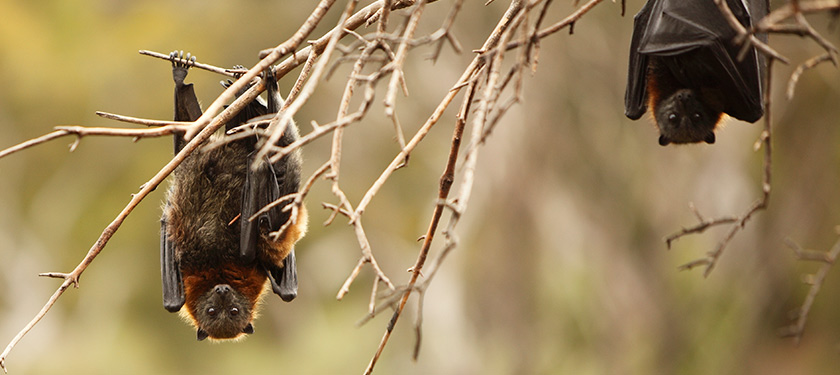
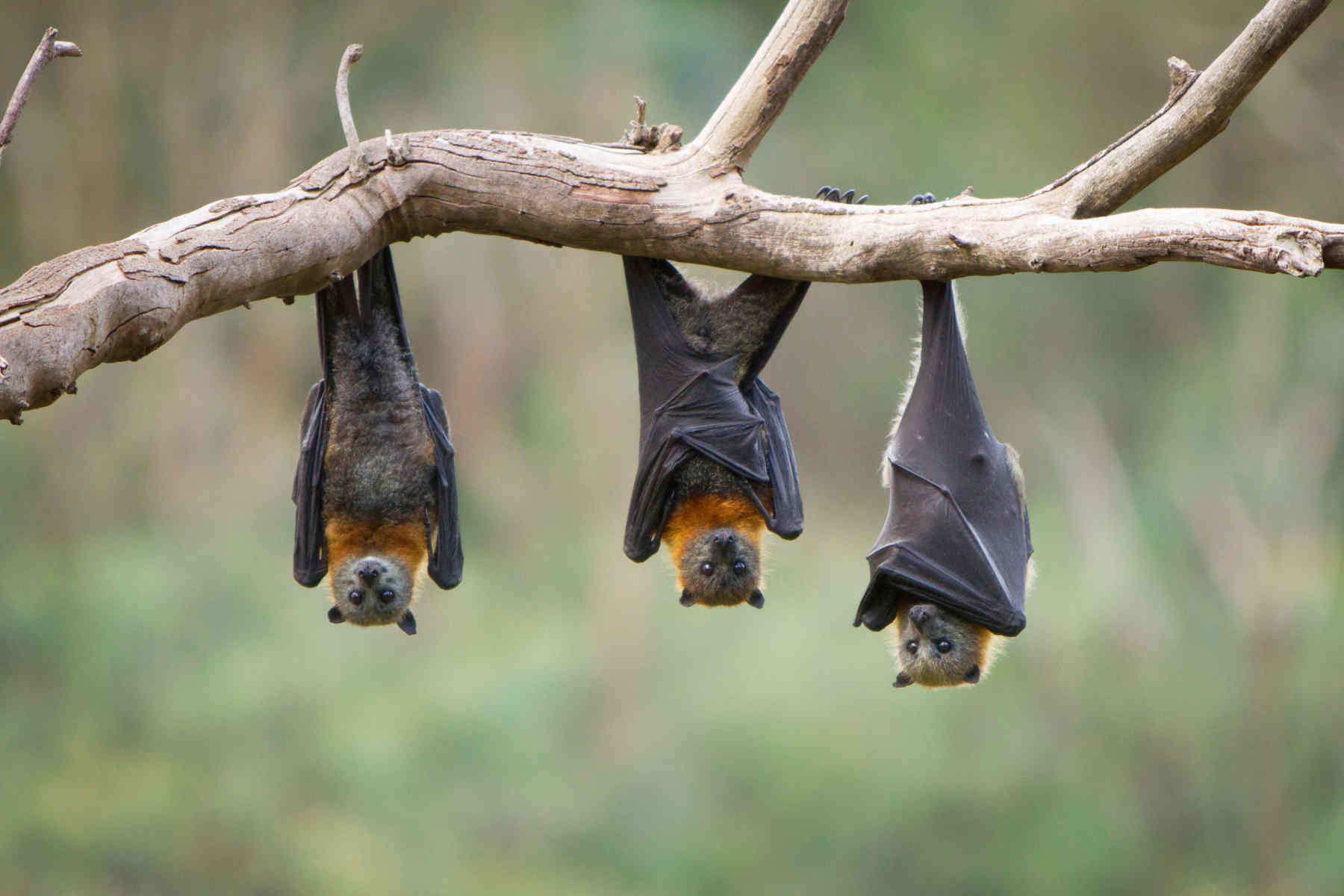
NSW Farmers is calling for additional government funding to ensure all growers have the opportunity to combat the influx of flying foxes wreaking havoc for fruit growers across the State. NSW Farmers' Orange Branch Chair Bruce Reynolds said this summer has been particularly hard hit by flying foxes. "We're estimating flying foxes have contributed up to 10% of fruit loss around Orange," Mr Reynolds said. "It's extremely frustrating. Farmers work hard for months putting in a crop and it can be destroyed by flying foxes in just one week. "It also hits consumers' hip pockets because a shortage of supply increases costs. "The NSW Government was funding a successful flying fox netting subsidy but it has been fully committed since March this year, and farmers can no longer apply for the scheme. "The scheme was a partnership between producers and the government, and fruit that has been netted has been saved. "But around 260 hectares of orchards around Orange and Batlow still need to be netted. We want to see every grower granted the opportunity to protect their crops. There's no doubt additional government funding is needed." Netting has proven to be the most environmentally friendly and safest option for flying foxes and growers. "Due to the lack of native food sources, flying foxes are travelling further for food and in large proportions this summer," Mr Reynolds said. "Health experts have also warned about the dangers to human health. "There have been reports of people being bitten and scratched." Source - http://www.northernstar.com.au

23.01.2017

USA - New Farm Bill A Priority For North Dakota Producers

North Dakota farmers and ranchers, struggling against rock bottom crop prices, have their eyes on a new Farm Bill to maintain the federal programs that help keep their operations going in tough times. “There’s a strong sense of need for a 2018 Farm Bill,” said Dale Ihry, executive director of the North Dakota Corn Growers Association. “There’s more emphasis now on needing a Farm Bill when prices are low.” But passage of major legislation, such as the Farm Bill, has proven difficult in recent history. Prior to the 2014 Farm Bill, the last Farm Bill passed was in 2008. To prepare, the corn growers held four meetings in the eastern half of the state last week in an effort to gauge what growers would like to see in U.S. farm policy going into the next presidential administration. These issues will be shared with the corn growers’ national organization to form the group’s policy and lobbying agenda. “There’s just going to be a push in Congress to take a look at another Farm Bill,” Dan Wogsland, executive director of the North Dakota Grain Growers Association, said about his conversations with North Dakota’s congressional delegation, echoing Ihry’s sentiments. At the top of producers’ priority list are tweaks and maintenance of crop insurance, “mainly because we’re such a heavily insured state,” Ihry said. “What we’re hearing from farmers is we have to keep that program to the degree we can." And, hopefully, make it better. One suggestion for improvement is a change in how payments are calculated for the more popular Agriculture Risk Coverage insurance program. The ARC-CO payment structure is based on a particular crop’s average yield in a county. That average yield is combined with the average price for a crop over the previous five marketing years to come up with a revenue guarantee. Payments are triggered if revenue in the county falls below that guarantee. Currently, the U.S. Department of Agriculture ARC uses USDA National Agricultural Statistics Service surveys to determine yields. But commodity organizations say issues with the survey’s sampling methods and criteria result in inaccurate or inconsistent results. “A lot of farmers would like Risk Management Agency yields used,” Ihry said. Because more than 90 percent of farmers are insured under RMA, which requires annual production and yield reporting, results would be more accurate. “The 2014 Farm Bill has had a lot of successes,” Ihry said, pointing to the ARC program which paid out $200 million to North Dakota farmers for the 2014 crop year and $400 million in 2015. Ihry said the concern is whether the program will provide enough protection in the next three years as prices flatline. Should a 2018 Farm Bill get passed, Ihry and Wogsland said they’re operating on the assumption it would involve tweaks to the 2014 legislation, not a major overhaul as seen in the previous bill. Other programs discussed by farmers include the Conservation Reserve Program, wetland management and trade and research programs. Ihry said corn growers discussed whether the current number of acres allowed in CRP — 24 million acres — was too much of a reduction compared to the previous 30 million acres allowed, as acres available for enrollment were in high demand. “A lot tried to get in last time during the sign up,” Ihry said. “Not as many got enrolled as wanted in.” Wogsland said, as half of the wheat grown in North Dakota goes overseas, maintaining dollars for trade programs — particularly the Foreign Market Development Program and the Market Access Program — are priorities. The corn growers is holding its annual convention in Fargo on Feb. 8 and preparing for a national meeting in March. Source - http://www.virginiamn.com

23.01.2017

USA - Country faces huge crop losses if temperatures keep rising

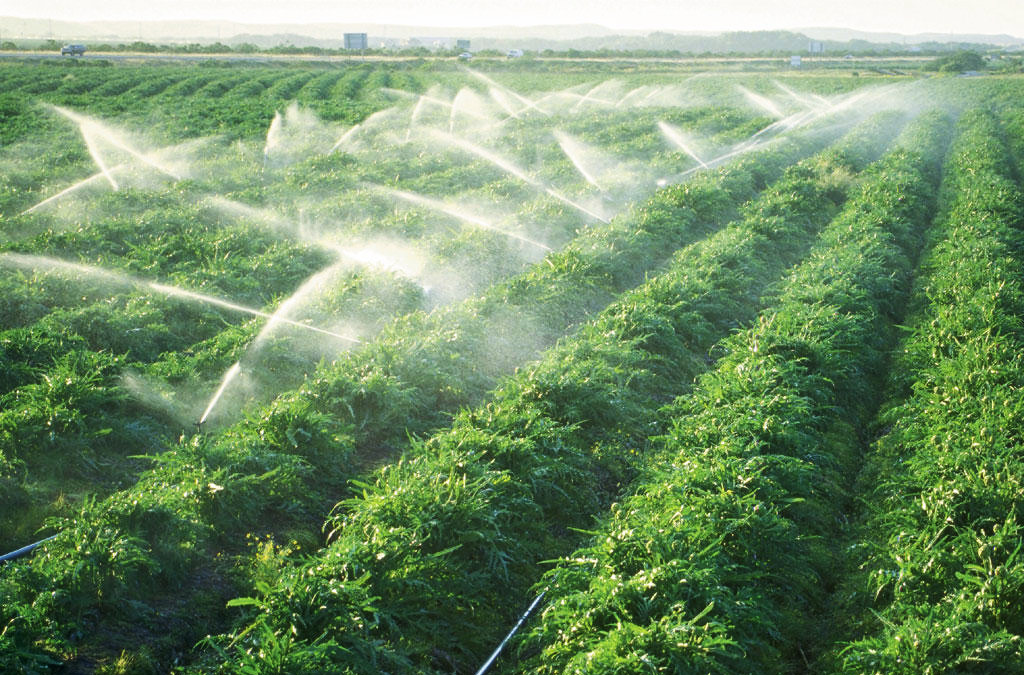
If global temperatures continue to rise, the United States faces big drops in harvests of major food crops by 2100, which may push up global food prices, the Potsdam Institute for Climate Impact Research said. By 2100, if global emissions rise at “business as usual” levels, the world will see twice as many days with temperatures above 30 degrees Celsius (86 degrees Fahrenheit) as it does now, an international team of scientists wrote in the journal Nature Communications. Because crop yields start to drop when temperatures rise above 30 degrees Celsius, that suggests U.S. wheat yields would fall by 20 percent, maize by 50 percent and soybeans by 40 percent by the turn of the century, the scientists found through computer modelling. “If the U.S. has a problem with its yields then world market prices may rise, because the U.S. is such a huge exporter,” co-author of the study Bernhard Schauberger told the Thomson Reuters Foundation. The same crops in other parts of the world are likely to be similarly affected, he said. Irrigation may help protect yields, softening the water stress that causes plants to grow more roots and cut back on producing grain above ground. Plants also close openings in the leaves to prevent water loss, which reduces their intake of carbon dioxide – an essential building material for the crops. More irrigation could help prevent that happening, the scientists said. “Irrigation therefore could be an important means of adaptation to dampen the most severe effects of warming,” said co-author Joshua Elliott from the University of Chicago. “However, this is of course limited by the lack of water resources in some regions,” he added. Ultimately, the best way to protect crop yields is to curb greenhouse gas emissions as agreed under the Paris Agreement on climate change and hold global warming to “well below” 2 degrees Celsius (3.6 Fahrenheit) above pre-industrial times, the scientists said. The agreement, which came into force in November, seeks to phase out most greenhouse gas emissions by the second half of the century. Source: Reuters (Reporting by Alex Whiting @Alexwhi, Editing by Laurie Goering.; Please credit the Thomson Reuters Foundation, the charitable arm of Thomson Reuters, that covers humanitarian news, climate change, resilience, women’s rights, trafficking and property rights. Source - http://www.hellenicshippingnews.com

23.01.2017

India - Maharashtra govt begins probe into mega crop insurance fraud

The state government has come across major irregularities in insurance claims made by farmers in 2015. Most of these anomalies were reported from Marathwada, which was the worst affected region in the 26 districts hit by drought that year. The state government had disbursed a record Rs 4,205 crore as insurance. The state agriculture department is investigating all insurance claims made by farmers for the kharif and rabi seasons after it came to light that in Beed district alone, Rs 58 crore insurance money that was sanctioned for farmers was claimed illegally and banks had to reverse that amount to the state exchequer. According to a report on the incident, over 15,000 farmers from the district had fraudulently claimed insurance for a larger area of cultivation, or for premium paid for crops they hadn't even sowed. The episode was investigated by Beed collector Naval Kishore Ram when it emerged that the cultivated land shown as insured was much higher than the area available for cultivation in the district. According to the norms, a farmer has to get a crop certificate from the local revenue official (talathi) mentioning the area under cultivation and the crop he will sow before he can get insured for that crop. The premium has to be paid in any of the banks that are authorized by the national agriculture insurance company. In some cases, the farmer would get a crop-sowing certificate from the land revenue officer. A few days later, he would go back to the officer saying he had changed his mind and would be sowing another crop and hence would need another certificate. The farmer would take these two certificates (the earlier one wasn't cancelled) to two different banks and pay the insurance premium for both the crops, but sow only one crop. In these cases, insurance claims were admitted for both the crops. "The talathi has over 1,000 hectares of land under him, and he personally issues these certificates. It is impossible for him to keep track of how many certificates a farmer has taken or if he has inflated the area of his cultivated land on these certificates," said an official from the agriculture department. "There were cases where farmers didn't even cultivate anything and had yet paid up premium for cotton and had received insurance money. Some had registered inflated land areas so that more compensation could be claimed," said an official. Insurance premium that the farmer has to pay is very meagre and the amount depends on the crop and the area under cultivation. Currently, once an agricultural cycle is completed, crop production estimates are made by visiting random fields in one insurance circle, and then extending them to the entire circle. The indemnity levels for availing crop insurance in 2015 were kept at 60%. Principal secretary Bijay Kumar confirmed the incident and said a statewide investigation had been launched as he suspects many such cases have taken place. To avoid such frauds in future, the entire insurance enrolment system will be made online from the coming kharif season in June. "Currently, it is not known which crops are being cultivated on which plot. Once we take the system online, every time the same plot number is entered for issuing crop sowing certificates it will highlight the changes made. Even at the bank-end, once a premium amount has been paid it will figure in the online database," said Kumar. Source - http://timesofindia.indiatimes.com
23.01.2017

Insurance Basics: Skin in the Game

Crop insurance is arguably the first farm policy in history that is largely financed by the farmers who benefit from it. Unlike policies of the past, which were 100 percent backed by taxpayers, modern-day farm policy requires growers to take an active role in its funding – a concept sometimes called "skin in the game." The concept may be new to farm policy, but it's not new to insurance. From the earliest shipping insurance at Lloyds of London in the late 1600s to the modern auto policy acquired via a smartphone app, the principal is the same. A customer pays a premium to an insurance company based on the value of property, and predicted risks, to insure its worth. If the property is damaged, the customer absorbs a portion of the loss, called a deductible, and the insurance company covers the remainder through an indemnity payment. The deductible acts as a deterrent to risky behavior and keeps the insurance policy intact for true disasters. Meanwhile, premium dollars help customers pool resources to more cheaply buy protection and fund the system that provides peace of mind. The larger the pool of customers, the more risk can be spread, and the cheaper coverage becomes for all. The same applies to crop insurance, which is why it would be a bad idea to arbitrarily exclude some farmers from participation. Since crop insurance's rise to prominence, famers collectively pay between $3.5 billion and $4 billion a year out of their own pockets in premiums. And they absorb hefty deductibles (on average, 25 percent of loss) when disaster strikes. Famers love the set-up because it offers some predictability for marketing and for borrowing capital, and because it gives them the opportunity to tailor protection to their farms' unique needs. Taxpayers reap the benefits, too. Crop insurance means farmers aren't running to Congress for one-time disaster relief bills every time drought ruins a corn crop in Iowa or frost kills apple trees in New York. No wonder so many are singing crop insurance's praises and calling it their "top priority" as we head into the next Farm Bill debate. Source - http://portal.criticalimpact.com

20.01.2017

Australia - Bats & birds plaguing orchard

Owners of a Glenbernie Orchard at Darkes Forest, Jo and Glenn Fahey, have been troubled by rising losses due to birds and bats. While some have told them this is due to urbanization and a loss of habitat for the animals, they believe it is caused by rising temperatures which are leaving them desperate for food. “In warmer temperatures it is harder to set fruit and the bush trees are not flowering like they used to, so there is less food for bats, birds and bees.” “We’ve never seen the bats in the numbers we have this year, we estimated we are getting about 2000 bats a night,” Jo said. The team grow apples, peaches, nectarines, apricots and raspberries on their 65ha orchard and have claimed that areas without net protection have seen 60-100% losses. “On this farm we have never had bats and birds come under the net, but they are now travelling under the net or through tiny holes because they are desperate for food,” Jo said. Source - weeklytimesnow.com.au

20.01.2017

Australia - New app helps farmers with more efficient irrigation

A new app developed by Horticulture Innovation Australia, in cooperation with the Yield, offers farmers a cheap and easy way to save water and money when irrigating their crops. The app gives an estimate of the crop's water use and soil moisture using area-specific information from the Bureau of Meteorology. In its current form, the tool is mostly attuned towards use with brassicas, carrots, lettuce and leafy vegetables. The app was trialled by a group of growers in Queensland and Tasmania. Rob Salmon, from vegetable seed company Bejo Seeds in Tasmania, said it was raising plenty of questions about evapotranspiration or dealing with water that escaped from a plant. Developers are currently modifying the app to include a function that estimates the level of evapotranspiration seven days in advance. "We need to better understand how much we can deficit irrigate," he said. "So if the literature says this crop needs 40 millimetres of rain, or 40 millimetres of irrigation, can you get 90 per cent of the expected yield if you put on 75 per cent of that irrigation? In this case we're trying to match the supply with the demand of the plant." Source - abc.net.au

20.01.2017

Spain - Castellon speeds up orange harvest due to fear of frosts

Businesses and cooperatives are speeding up the orange harvest ahead of the possible frosts that may be imminent and which could spoil their fruit. This has been confirmed by the province's two main agrarian organizations, which have confimed that growers are "a little afraid of recording damage in the second part of the campaign, after having already lost half of the clemenules," as acknowledged by the head for citrus fruits at Fepac-Asaja, José Francisco Nebot. His counterpart at La Unió, José Ramón Urbán, points out that producers without insurance "are suffering the most for what may happen." Consequently, "whatever little clemenules remained have quickly been harvested over the last few days," notes Urbán. Just like Nebot, he points out that another "four or five varieties have also been harvested, including the hernandina, clemenvilla, safor, ortanique and nadorcott. The fact is that, wherever temperatures remain below zero degrees Celsius for several hours, the fruit can be spoiled, but this also applies to those varieties that are harvested later, such as the navel or lane late. That is why producers are anxious for the cold wave to pass and take the frosts "to other areas, as has already happened in the past, thanks to the mountains that surround us," points out Urbán. In this regard, Nebot is slightly more optimistic and is confident that Castellon will be able to escape the devastating effect of the ice. Source - http://www.freshplaza.com

20.01.2017

Australia - Why the Next Three Months Could Decide the Future for Western Farmers

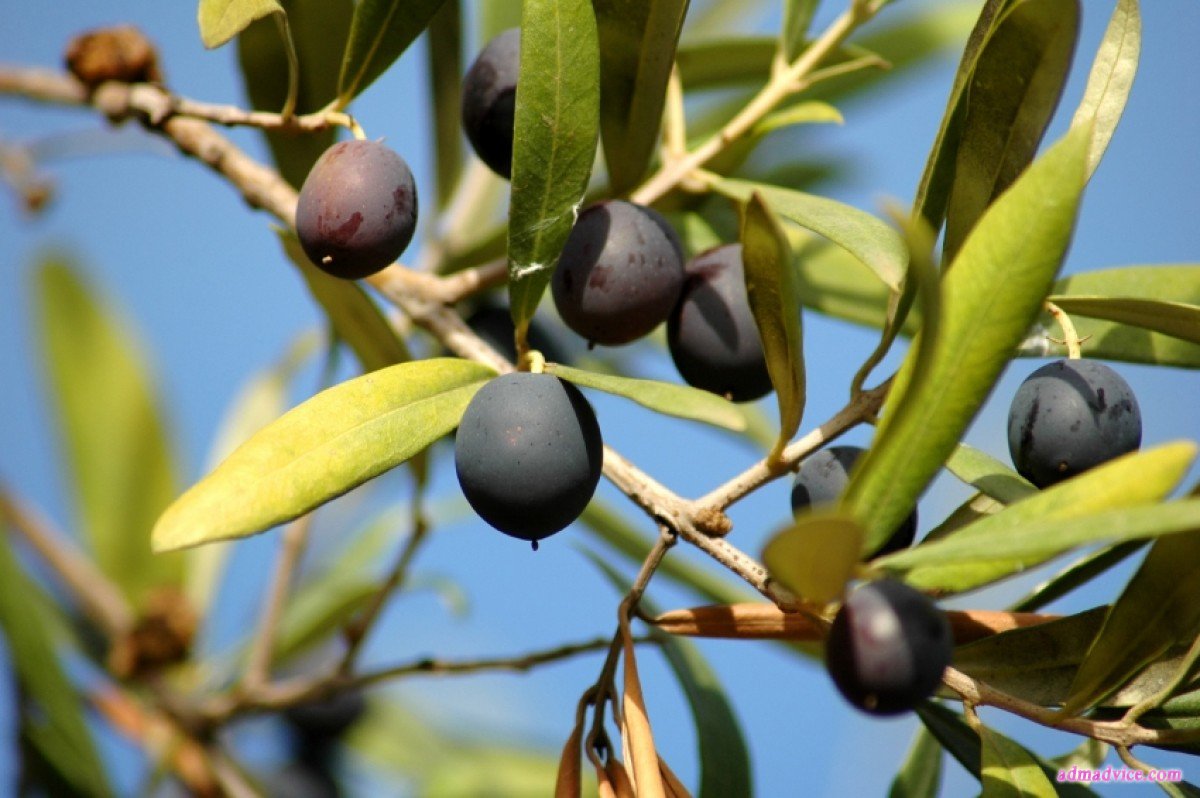
After months of bad weather and torrential downpours in the most important olive-growing months of 2016, olive farmers in Western Australia are hoping for the start of 2017 to be dry, in order to combat the losses experienced from wet conditions the year before. Australia, as a whole, experienced several months of wet conditions in 2016 — something that’s proved a boon for livestock farmers but a curse for many involved in agriculture. And while current weather conditions are optimal, many farmers remain at high risk of massive losses due to a lack of insurance. There are an estimated 1.5 million olive trees in Western Australia alone, which thrive best in dry, moderate-to-warm temperatures and function poorly in weather extremes. In areas where rain is usually scarce, a disruption to the usual patterns of rainfall can also cause inconsistent cropping issues. Olive farmers were forced to harvest their crops early due to the warm and wet weather experienced in the last year’s first quarter and had smaller yields to show for it. Overly moist and warm climate leads to premature ripening, creating poor fruit set and destroying plant tissue. Early and heavy rainfall is absorbed by the olives which swell and fall off the tree, and the persistent moisture can lead to the trees developing sooty mold, a black powdery coating that envelops the tree, tainting the fruit and its oil as well as negatively impacting the tree’s ability to photosynthesize. While heavy rain proves beneficial for the grove itself, it does not bode well for the successful production of olive oil. In instances where the olives become spoiled, some farmers bring in wild goats to consume the overripe waterlogged olives carpeting the grove floor. Despite last year’s outcomes, farmers are optimistic about 2017, with general farming production set to exceed $60 billion for the first time, thanks in part to increasing cattle and sheep exports. The wet weather that spells disaster for olive farmers is one that actually benefits livestock farmers, as it increases the amount of natural growing feed for their animals. Another reason for optimism is that the call for warm weather seems likely to be heeded, with the Bureau of Meteorology forecasting temperatures exceeding 45°C (113°F) in certain parts of the state. However, experts are still strongly recommending that farmers take up insurance, as current figures show that only one percent of Australian farmers have coverage. This low level could be attributed to the fact that Australian farmers pay stamp duty percentages exceeding 10 percent on their insurance premiums. In addition, most multi-peril crop insurance policies (which are taken out at the beginning of each farming season as a safeguard against the entire season’s loss) do not cover natural events such as flooding and heavy rainfall. An alternative is index insurance, which covers events verified by weather bureau data, but this policy is unpopular with certain underwriters due to the high volume of payments it has incurred over the years. Source - https://www.oliveoiltimes.com

20.01.2017

Canada - Palliser Insurance acquires multiple MGAs

Crop hail insurer Palliser Insurance Company Ltd announced yesterday that it has acquired the businesses of five MGAs. Terms of the transactions were not disclosed. The five MGAs - Butler Byers Hail Insurance Ltd, Farmers Hail Insurance Agencies Ltd, Henderson Hail Agencies Ltd, McQueen Agencies Ltd and Wray Agencies Ltd - offer crop hail insurance to farmers across the western Canada region; some have been in the business since 1912.. Palliser’s acquisition of the MGAs is a “part of a growth strategy that will get the crop insurance company closer to the farm customer and enable product innovation along with enhanced risk management services,” a release said. “The integration of the MGAs will enable us to create added-value by focusing on market opportunities and product innovation,” said Palliser Insurance Company president and CEO Ken Doleman. “Our MGA partners have built an outstanding community based agent network and adjuster workforce. We are committed to those relationships and to expanding our local agricultural connections through industry leading service excellence.” Doleman also said that the company is looking forward to the opportunities that lie ahead and by the challenge of “building a more efficient and effective organization to benefit all stakeholders”. Palliser Insurance board chair Greg Reidy said that the companies are stronger under one banner and are well-positioned to make further investments to help their clients manage their business risk. “The continuity of our business and our stakeholder relationships are assured by having key principals on the executive team,” Reidy added. Source - http://www.insurancebusiness.ca

20.01.2017

Oman - Farmers to get insurance cover for crops

Farmers in Oman can expect insurance coverage for their agricultural cultivation as a committee chaired by the stock market watchdog is about to finalise a policy for such an insurance scheme. A committee with members from the Capital Market Authority (CMA), the Oman Chamber of Commerce and Industry, the Ministry of Agriculture and Fisheries and insurance companies has been discussing various aspects to frame such a policy as well as the feasibility of such a scheme. Insurance firms will be able to come up with special insurance schemes for agricultural and fisheries sectors for the first time in the country. Risks faced by farmers “We hope to come up with a policy that covers the risks faced by farmers. The insurance companies have evinced interest as well,” Abdullah bin Salim Al Salmi, executive president of the Capital Market Authority, told the Times of Oman. Like other developing countries, Oman needs insurance for its farmers to mitigate the risks posed by droughts, locust attacks and other plant diseases, which reduce farmers’ income. Majority of the holdings are tiny, and farmers are able to derive marginal surplus only in certain good years and incur heavy deficits in the bad ones. After Cyclone Gonu and other tropical storms, farmers suffered major losses. Many farmers’ associations complained that their members were not covered for such damages. Banks are also in a better position to provide agricultural loans if the crops are insured. The CMA chief also noted that the committee is trying to come up with a new policy to cover agricultural cultivation, mainly certain crops grown in Oman. “We are progressing quite well on that front.” The committee has so far held four meetings. The last of the meetings was held in January where various types of insurance coverage needed by the agricultural sector in Oman were discussed. The team also discussed the challenges and obstacles facing insurance companies in providing coverage for crops and agricultural activities, livestock and fisheries. The committee, according to an earlier report, will complete the study in the first quarter of 2017 and will discuss it in detail with the Omani Agricultural Association for feedback before submitting it to the authorities. Source - https://www.zawya.com

19.01.2017

USA - Federal assistance available to local farmers suffering drought losses

Beginning in the fall and lasting into the winter, acute drought conditions wreaked havoc on the local agricultural industry. Anthony Shelton, director of the Washington County Extension of the University of Tennessee Institute of Agriculture, said the drought had been the hot topic around most local agriculture circles. “As far as row crops, it’s just (been) poor pollination and a lack of rainfall to finish out the crop. And of course, we had an OK first cutting of hay, but didn’t really have a second cutting of hay, at all. So of course, we didn’t have any grass growing for about two or three months during (the drought),” Shelton said. “And we did have a little bit of a water shortage, whether it was ponds drying up or some other things. An excess of heat, just so many hot days, dried all the moisture up and didn’t help things.” In December, the federal government responded when Secretary Tom Vilsack with the U.S. Department of Agriculture designated 46 counties, including Greene County, as primary natural disaster areas and made each eligible for federal assistance. Along with the primary natural disaster areas, farmers in 45 contiguous counties were granted eligibility for federal assistance, including Washington, Unicoi, Sullivan, Lee and Scott counties. “Our hearts go out to those Tennessee farmers and ranchers affected by recent natural disasters,” Vilsack stated in a press release announcing the designation. “President Obama and I are committed to ensuring that agriculture remains a bright spot in our nation’s economy by sustaining the successes of America’s farmers, ranchers, and rural communities through these difficult times. We’re telling Tennessee producers that USDA stands with you and your communities when severe weather and natural disasters threaten to disrupt your livelihood.” On a local perspective, the Farm Service Agency’s office in Jonesborough is facilitating lending to cover losses any farmer or livestock owner experienced during the drought. Farm Loan Officer Matthew Christian, whoss office is at 1105 E. Jackson Blvd., said assistance is available in two forms: emergency loans and operating loans. “As far as actual producers that we’ve made emergency loans to, I honestly have not made an emergency loan in several years, but we’ve made a whole lot of just regular operating loans to folks who’ve suffered through this disaster or previous ones,” Christian said. The emergency loans, which have a little higher interest rate than the operating loans, do require producers to meet specific guidelines, such as provide proof of losses. “Producers do have to show a 30 percent loss for a single crop due to a specific disaster, such as a drought in this case,” Christian said. That is normally completed by showing historical records of production yields or through crop insurance. Depending on the loan amount, applicants also have to show proof of declination from local credit lenders in the area for emergency loans. Qualifying farmers can borrow up to 100 percent of their actual loss up to $500,000, while operating loans are capped at $300,000, Christian said. Rainfall conditions in Northeast Tennessee have improved in recent weeks, with the majority of the region being moderately dry as opposed to being classified as a severe or extreme drought, according to The National Drought Mitigation Center’s U.S. Drought Monitor. Christian said any agricultural producer needing assistance can call him to discuss each type of loan and decide which one would be most beneficial. Source - http://www.johnsoncitypress.com

811
of 1225