NEWS
812
of 1225
News
19.01.2017

Sri Lanka signs US$125 million credit to modernize agriculture

Sri Lanka has signed a US$125 million credit with the World Bank that it hopes will help modernize the agriculture sector in the country. By modernizing the industry they hope the make it more environmentally sustainable and more alluring to modern businesses while increasing consumer demand. The share of population employed in agriculture has remained at around 30 percent over the past decade, even as the sector’s share in national GDP has declined to 10 percent. This implied, and persistent, inequality makes it urgent to rethink the direction of agricultural development and explore new opportunities and strategies on how to sustainably increase rural incomes and promote a modern agriculture sector that meets the needs of the upper-middle-income country that Sri Lanka aspires to be. Idah Pswarayi-Riddihough, World Bank Country Director for Sri Lanka and the Maldives and R.H.S. Samarathunga, Secretary to the Treasury, Ministry of Finance, signed the project on behalf of the World Bank and the Government of Sri Lanka.  She said, “Sri Lanka’s history is deeply rooted in agriculture and its paddy cultivation tradition. Past practices can inform the future by preserving and building on the country’s farming traditions.  There is now space to diversify and promote high-value, export-oriented food crops.”  She added, “This shift is crucial for income growth, poverty reduction, reducing inequality and better nutritional outcomes.  The new approach corresponds directly with the World Bank Group’s twin goals.” The project will support value chain development to promote commercial and export-oriented agriculture, with a focus on higher value agriculture products, such as fruits and vegetables. It provides investments to improve productivity and diversify production patterns through modern agriculture, technology demonstrations in key areas and supports new institutional arrangements through farmer organizations and farmer-agribusiness partnerships. It will also support agricultural policy development to help the Government determine the sector’s future direction. Beneficiaries include an estimated 30,000 smallholder farm households, who will benefit directly from a small matching grants program and agriculture technology demonstrations. Another 20,000 farm households will be supported through technical and business training and through professional farmer organizations that will help them become more effective and business-oriented enterprises. Source - http://www.freshplaza.com

19.01.2017

India - Niti Aayog unit bats for use of technology for crop insurance

A task force on the use of technology for agriculture insurance, set up by government think-tank Niti Aayog, has recommended the use of technologies such as dedicated satellites, mobiles and global positioning system (GPS) devices to ensure better implementation of the agriculture insurance scheme in the country. India has all the technologies that could be put to use for quicker assessment and disposal of agri-related insurance claims, the task force, which was constituted in June last year, said in a report submitted on Wednesday. The report was written by a 16-member committee headed by CCAFS (CGIAR research programme on climate change, agriculture and food security) global leader P.K. Aggarwal. The report explores the use of technologies like dedicated satellites available with Isro (Indian Space Research Organization) and mobile phones as key instruments to bring about the change, said a member of task force, speaking on condition of anonymity. There are various ways, like a mobile can capture physiological conditions of crops and crop fields and the photographs can be sent with GPS coordinates, reducing chances of cheating. Similarly, mobile applications can be developed where a claimant can track his case, etc, the task force member added. Niti Aayog member Ramesh Chand said India has been using old technologies like crop cutting method and physical assessment by officials which is a cumbersome process and leads to considerable delay. “We wanted to expedite insurance related issues and quick methods of loss assessment so the task force was formed. Besides, right now insurance has lot of subjectivity and we wanted experts to tell us technology that can impart objectivity to assessment as now crop insurance is very comprehensive and includes post harvest losses, etc which can’t be assessed by conventional methods.” Chand declined to comment further, saying the report was submitted on Wednesday and he had not gone through it. According to the terms of reference of the task force, it was asked to assess and analyse the availability and use of technology, globally and in India for insurance related to crop, livestock and aquaculture. They were also asked to tell how technologies can be used in estimation of damage and losses to crops, livestock and aquaculture due to natural calamities or other hazards. Source - http://www.livemint.com

19.01.2017

Australia - Agriculture at risk and under-insured

Australian Agriculture is risky 
but our use of risk management solutions is incomplete with only one per cent of farmers in Australia currently taking up multi-peril crop insurance (MPCI) cover. “Australia is one of the riskiest agricultural country in the world in terms of agricultural production,” said Mr Jay Horton, an agribusiness consultant with Strategis Partners. “We have to be very good at risk management in all of its forms and we could do better.” A paper presented by Strategis Partners at the Agribusiness Outlook Conference in Sydney states digital technologies and insurance innovation can help fix the problem. For all businesses across the agri-supply chain – financiers, input suppliers and processors – risk management itself is a growing business opportunity. He added that farm production risk is not just the farmer’s problem: it’s a supply chain problem, reported the ABC news website. “If the farmers don’t do well, the input suppliers don’t do well, the buyers of grain and livestock also don’t do well.”. Mr Horton suggested that supply chain partners to the farm enterprise become involved. “What if the input suppliers were to say to the farmer customers ‘No need to pay in full for the seed we supplied you this year.’ “Or the buyers of crops could say, ‘You weren’t able to supply the target volume, we will give you an income to cover this year’s costs anyway!'” He said banks could waive interest on a loan, and farmland owners leasing land to young farmers could reduce rent for a year. That would be backed up with an insurance policy and risk management, he said. Multi-peril crop insurance cover is still very new and a handful of companies offer it. Some companies have made big payouts for failed crops, which is unsustainable unless more farmers come on board to spread the risks across the regions. Mr Horton said the emergence of big data, from weather stations, markets and on-farm operations, about prices, soil fertility and moisture, would help to provide objective information. Source - http://www.insuranceandrisk.com.au

19.01.2017

Canada - Manitoba 2017 AgriInsurance coverage expected to exceed $2.6 billion on 9.6 billion acres; second-highest level of coverage on record

AgriInsurance coverage for 2017 is expected to exceed $2.6 billion on 9.6 billion acres in Manitoba, the second-highest level of coverage on record, the governments of Canada and Manitoba said in a statement on Tuesday. AgriInsurance is a federal-provincial producer cost-shared program that stabilizes a producer’s income by minimizing the economic effects of production losses caused by natural hazards, background information from Agriculture and Agri-Food Canada noted. AgriInsurance plans – which cover traditional and horticultural crops – help cover production losses as well as loss of product quality, offering both yield and non-yield based plans. Currently, five provinces – Alberta, Saskatchewan, Manitoba, New Brunswick and Nova Scotia – participate in the reinsurance arrangement. Federal Agriculture Minister Lawrence MacAulay and Manitoba Agriculture Minister Ralph Eichler said in the statement that Manitoba farmers will continue to benefit from comprehensive coverage provided through AgriInsurance and the Western Livestock Price Insurance Program (WLPIP) in the upcoming season. “Governments continue to work together to ensure producers have access to an effective suite of business risk management programs that offer protection against a broad range of farm business risks,” MacAulay said in the statement. “Taking proactive steps to protect the farm against the financial impact of extreme weather and price fluctuations is a key strategy for success.” AgriInsurance coverage is increasing on average by seven per cent, while premium rates are down by an average of four per cent, as compared to last year, the governments reported. “Through AgriInsurance, we continue to offer a comprehensive risk management program for Manitoba’s farmers, which is effective whether they are just starting out or have had years of experience,” Eichler said. “To ensure the long-term growth of our province’s agriculture sector, AgriInsurance is an essential tool, as it provides reliable protection against the unpredictable challenges of weather and other production-related risks.” More than 8,400 farms are enrolled in AgriInsurance. Manitoba has the highest level of AgriInsurance participation in Canada, covering over 90% of annual crop acres. The total governments’ share of AgriInsurance premiums for 2017-2018 is expected to be $136.3 million, the statement said. Under AgriInsurance, premiums for most programs are shared 40% by participating producers, 36% by the Government of Canada and 24% by the Manitoba government. Administrative expenses are paid 60% by the federal government and 40% by Manitoba. WLPIP, which was expanded to include Manitoba cattle and hog producers in 2014, provides protection against unexpected price declines. Due to lower cattle prices in 2016, WLPIP paid out $1.7 million to producers, with 73% of insured calves qualifying for a payment, the statement pointed out. The average payment for each calf that qualified for an indemnity was $94. Like AgriInsurance, under WLPIP administrative expenses are paid 60% by the federal government and 40% by Manitoba. Premiums are paid by participating producers. Both AgriInsurance and WLPIP are administered by the Manitoba Agricultural Services Corporation. Source - http://www.canadianunderwriter.ca

19.01.2017

Ghana - Agric insurance pool rolls out scheme for farmers

The Ghana Agricultural Insurance Pool (GAIP) has rolled out a scheme that will make insurance for farmers easy to access, the General Manager of the company, Alhaji Ali Muhammad Kato, has said. “We want to make GAIP a household name because farmers are the largest group in the country, so if farmers embrace it, it would be more common than any other insurance policy in the country,” he told the Daily Graphic after his presentation on Agricultural Financing and Insurance at the 68th Annual New Year School in Accra. It was organised by the School of Distance and Continuing Education of the University of Ghana, Legon. Alhaji Kato, who gave the history of agricultural insurance in Ghana, indicated that since 2011, farmers in the northern parts of the country were introduced to the drought index insurance scheme, a weather-related insurance product of GAIP for smallholder farmers in the area. GAIP also has multiple crop insurance policies for large-scale farmers and poultry farmers. Also to be piloted is a cattle insurance for smallholder farmers. According to Alhaji Kato, there was no dearth of skilled insurance experts and policies in the country. “The future is bright for agricultural insurance, what we need now is for farmers to embrace it. That is why we are working towards that. Because we have financial institutions who have expressed interest to partner with us and whatever they lend to farmers would have an insurance component, so that in the bad years the farmers would be comfortable and the financial institutions would be comfortable,” he stated. Innovation The Country Manager of the Agribusiness Systems International (ASI), Dr Betty Annan, said her outfit was a subsidiary of ACDI/VOCA, a non-profit consulting firm that aligns business with smallholder producers. Speaking on the topic, ‘’Digital Finance: A promising trend in Financing Agricultural Value Chain’’, she outlined how mobile finance was being used to solve the challenge of financial exclusion among smallholder farmers in rural Ghana. She said, in collaboration with Tigo Cash, ASI was rolling out a “small bio-money” platform, where farmers would supply their produce to agribusinesses and get paid via mobile money. The manager added that two other innovative projects, rice mobile finance project (RiMFin) and oil palm producers were ongoing where payments of about GH¢4million had already been paid to farmers as of January 18, through convenient and secure electronic payment platforms. Policies The Managing Consultant of IESO Agribusiness Consult, Mr Francis Osei, called for policies to mitigate the risks associated with agriculture. For his part, the Dean of the University of Ghana Business School, Prof. Joshua Abor, challenged the government to take a serious look at the regulatory and legal framework of agricultural financing in the country. E-extension There was also a symposium on E-extension and Adoption in Agriculture. Speakers were unanimous in emphasising the fact that e-extension services were complementary to traditional extension efforts. They also underscored how Information and Communications Technology (ICT) in agricultural services provision had made communication with farmers more interactive. Source - http://www.graphic.com.gh

18.01.2017

Africa - Insurers are banding together to pioneer crop insurance

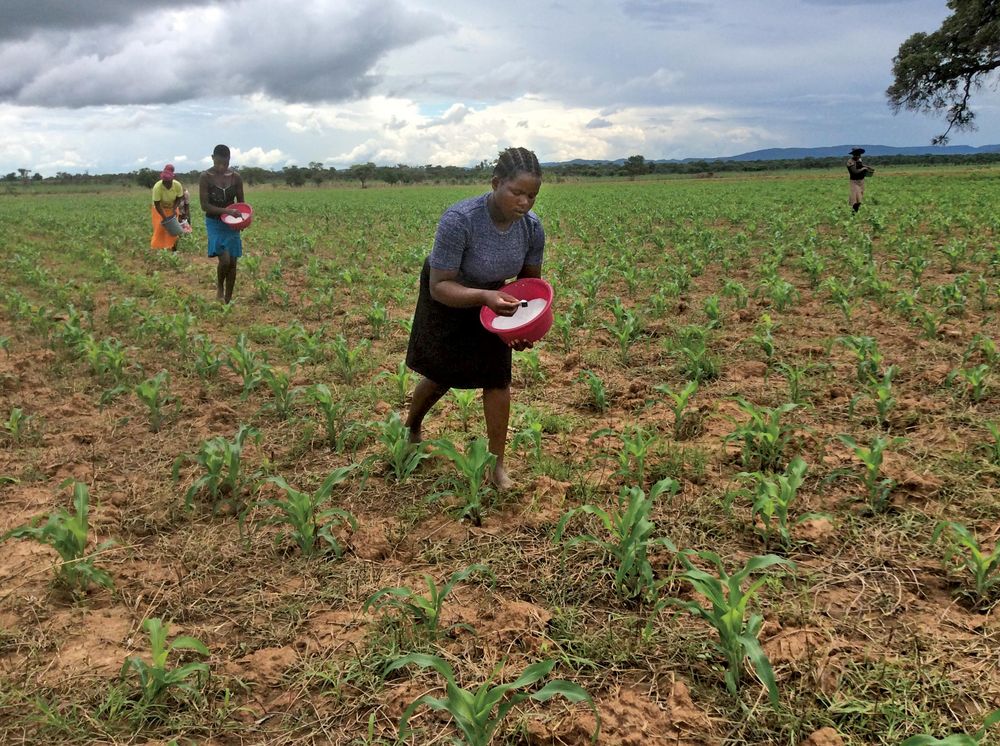
The distance from the snowy peaks of Davos to a corn farm in Zimbabwe isn’t measured only in miles: They’re centuries apart in economic development. Bridging decades quickly is the impetus behind Blue Marble Microinsurance, a plan to offer crop indemnity insurance to farmers in sub-Saharan Africa. Unveiled in 2015 at the World Economic Forum, the initiative to sell small farmers inexpensive policies to reimburse them in the event of a weather disaster was started in November with a pilot involving 335 maize growers in Zimbabwe. Blue Marble is an eight-member group that brings together industry giants such as American International Group, XL Group, and Zurich Insurance Group. The insurers hope the project helps them learn how to do good in the process of doing well, creating new customers for their products. “We’re trying to leverage their expertise in a very different kind of market,” says Joan Lamm-Tennant, Blue Marble’s chief executive officer. “It’s not a project that’s going to pay off in the first year.” Africa has about 60 percent of the world’s uncultivated farmland and more farmers as a share of the population than any other continent. Yet countries such as Zimbabwe have struggled to marshal the necessary resources to unlock their agricultural potential. Gains in one area, such as better seed, are often stymied by deficits in others—not enough grain silos. Getting smaller farmers plugged into credit networks would help spur investment and bring new producers to markets, says Ulrich Hess, a senior adviser to Deutsche Gesellschaft für Internationale Zusammenarbeit, a global development group based in Bonn. That’s where crop insurance comes in. Policies that help farmers hedge against drought and other risks are controversial in the U.S., where they’re associated with bloated federal subsidies to growers prosperous enough to do without government aid. Programs in developing countries are less ambitious, but perhaps more essential, because they guarantee a farmer will receive some basic income even if weather doesn’t cooperate. Banks then may feel more comfortable lending to them. In developing countries, policies often take the form of so-called index insurance plans, in which payouts are based on predetermined rainfall levels or other metrics. That keeps overhead costs low and makes the policies simple to understand. Almost 200 million farmers are insured in Asia, and more than 3.3 million in Latin America, according to a 2015 study by the Global Partnership for Financial Inclusion. In Africa, only about 650,000 are insured. One reason Africa lags other regions is that weather data needed to craft sound policies are scarce. In the Blue Marble pilot, policies are offered only to farmers of corn, a crop with a well-established harvest history. Also, the group isn’t pitching policies to the poorest of the poor—farmers living on $1 a day, a traditional poverty measure. “We’re looking for ones making $8, $9, $10 a day,” Lamm-Tennant says. The immediate goal isn’t to make money, but to figure out what works before scaling up. “You have to be able to pivot and redesign until you get it right,” she says. That’s why they’re starting small, distributing policies through an organization rather than selling them individually. But scaling up is what derails crop insurance programs in Africa, says Peter Hazell, a food-security consultant with the World Bank, which has collaborated with governments in Kenya and elsewhere to design crop indemnity policies. Without public subsidies to drive down costs, it’s hard to persuade farmers to buy coverage. And even if the cost is manageable, many opt for more traditional ways of limiting risks, such as growing diverse crops that mature at different times and need varying levels of rainfall, he says. “The big challenge is: How do you deliver it effectively at a low cost, and how do you make it common among farmers? ” If Blue Marble can reach those farms—and over time give them the financial footing to become bigger—the long-term payoff for its members would be large. Says Lamm-Tennant: “If you do this right, the middle class emerges that then becomes the consumer” of the insurers’ other products. Source - https://www.bloomberg.com

18.01.2017

India - Efforts on to provide 100% crop loss compensation

A group of ministers on Monday assured farmers that the state government was making efforts to provide 100 per cent compensation for the losses they incurred following failure of monsoon and also a drought like situation across Tamil Nadu. In an interactive meeting with the representatives of farmers and also farmers' associations of seven districts of Coimbatore, Tirupur, Erode, Salem, Namakkal, Dharmapuri and Krishnagiri, the ministers said a survey was being carried out across the state to assess the actual loss due to the drought. The ministers interacted with the farmers on their demands, agriculture related issues and problems, man-human conflict and steps to prevent it, desilting of water bodies and also providing drought assistance, an official release said. Considering the acute shortage of water in the state, the farmers were advised to take up cultivation of drought-resistant varieties. They also assured the farming community that the state government would extend similar support to them on agriculture related issues as was extended by the government led by former chief minister, Jayalalithaa. District collector T N Hariharan, A K Selvaraj, MP, P R G Arunkumar, Amman K Arjunan (both MLAs) and leaders of several farmers' associations in seven districts, participated in the meeting. Source - http://timesofindia.indiatimes.com/

18.01.2017

Argentina Flooding Poses Crop Loss By Bryce Anderson

Another round of very heavy rain hit north-central Argentina during the weekend of Jan. 14-15, with notable crop damage and possibly acreage destruction for this year. Heaviest rains of 2 to 4 inches (50 to 100 millimeters) were noted in northern Buenos Aires, Santa Fe and Cordoba provinces -- a sector of the Argentina crop belt which already had extensive flooding. Rainfall amounts this month have been extremely heavy in these areas. Rainfall totals logged by DTN senior ag meteorologist Joel Burgio show these totals just during January: CORDOBA Cordoba 2.34 inches 99% of normal Rio Cuarto 3.34 inches 182% of normal Marcos Juarez 7.95 inches 368% of normal (more than 3 times normal) SANTA FE Ceres 9.43 inches 390% of normal (almost 4 times normal) Parana 9.42 inches 420% of normal (more than 4 times normal) Rosario 7.26 inches 251% of normal (more than 2 times normal) BUENOS AIRES (northern stations) Junin 7.50 inches 319% of normal (more than 3 times normal) Ezeiza 3.74 inches 162% of normal This January rain is on top of heavy rain that fell during the last week of December. As a result, some large acreage loss is now feared, mostly planted to soybeans. One private estimate made available puts the acreage loss at possibly 2 million hectares, which equates to 5 million acres or close to 10% of the Argentina soybean planted acreage. At the same time, southern Argentina crop areas just stay bone-dry. Two reporting stations in southern Buenos Aires, Neuquen and San Antonio, have not recorded a single drop of precipitation so far this month. That means crop loss threat from southern areas continues. Source - https://www.dtnpf.com

18.01.2017

India - Insurance firms reject 44% crop loss claims

More than 44 per cent claim applications filed by farmers across the state to get compensation under the Pradhan Mantri Fasal Bima Yojana (PMFBY) for their kharif crops damaged due to waterlogging have been rejected by insurance companies. A total of 3,229 of the 7,224 claim applications submitted by farmers across the state have been rejected. Sirsa district leads with 469 rejected applications, followed by Bhiwani and Hisar with 468 and 445, respectively. The figure is 287 in Rewari, 235 in Jhajjar, 215 in Yamunanagar, 202 in Fatehabad, 172 in Rohtak, 144 in Palwal and 117 in Kaithal. “A total of 577 farmers in Sirsa, 1,002 in Bhiwani and 1,460 in Hisar had filed claims to get compensation under the PMFBY. Insurance claims for Rs 28.87 lakh in Sirsa, Rs 1.52 crore in Bhiwani and Rs 1.79 crore in Hisar had been decided,” said sources. Similarly, 378 farmers had submitted claim applications in Rewari, 1,074 in Jhajjar, 340 in Yamunanagar, 291 in Fatehabad, 343 in Rohtak, 154 in Palwal, 123 in Kaithal, 117 in Mewat and 156 in Kurukshetra. Of these, 287 applications had been rejected in Rewari, 235 in Jhajjar, 215 in Yamunanagar, 202 in Fatehabad, 172 in Rohtak, 144 in Palwal, 117 in Kaithal, 112 in Mewat and 109 in Kurukshetra. Insurance claims for Rs 10.42 lakh had been decided for Rewari. The figure was Rs 2.92 crore in Jhajjar, Rs 46.3 lakh in Yamunanagar, Rs 21.82 lakh in Fatehabad, Rs 86.24 lakh in Rohtak, Rs 88,000 in Palwal, Rs 50,000 in Kaithal, Rs 1.69 lakh in Mewat and Rs 19.82 lakh in Kurukshetra. Dharam Sharma, consultant for crop insurance to the Haryana Government, said rejected claim applications would be scrutinised and insurance companies asked to disclose the grounds under which these had been rejected. “We will enquire the basis used by companies to calculate the insurance amount,” he said. Many farmers whose crops were not insured had filed claims, he pointed out. The compensation for yield loss was being calculated on the basis of crop-cutting experiments and would be declared soon, he added. Source - http://www.tribuneindia.com

18.01.2017

India - 20 percent potato crop destroyed in the district

Nearly 20% of potato crop have been destroyed in the district due to harsh weather conditions. Farmers are miffed as they may have to face losses in case the weather conditionsdo not improve in the next few days. This season, potatoes were sown in around one lakh hectare of land. Agra is a major hub of potato production in the country. The district holds 10% of India's cold storage capacity, and almost the entire capacity is used to store potatoes. There are around 240 cold storages in Agra region with a capacity to store more than 4.5 crore packets of potato of 50 kg each. Superior quality of potato is directly supplied to around 15 states of the country and to major vegetable markets of Delhi and Mumbai. "This season, the weather conditions in November and December were suitable for potato cultivation. During that time, soil had the right amount of moisture for the development of crops. After a long time farmers were expecting bumper potato production. But sudden change in weather has been a serious setback. Around 20% of crop has withered due to wind, dew and fog. If such conditions prevail in the next few days, we fear that the size of the potatoes will remain small, and reduce the net production," said Bharatiya Kisan Union district head Shyam Singh Chahar, adding that maximum losses have taken place in Etmadpur, Fatehabad, Khandauli, Shamshabad, Bah and Kiraoli blocks. Deputy director of agriculture Gaurav Yadav said, "We are assessing crop loss due to harsh weather condition. The meteorological parameters are not suitable for potato crop. But farmers can save their crop by ensuring suitable irrigation and spray of potash. Apart from adverse weather condition since last week, the temperature this year has been better as compared to past years. High production is expected to take place this year." Meanwhile, the city remained under the grip of cold on Tuesday. Met officials said that fog is expected from Wednesday onwards, but the temperature will remain slightly above normal for the next three days. Source - http://timesofindia.indiatimes.com

18.01.2017

USA - Billions Spent on Farm Subsidies Don’t Lower Food Prices or Reduce Hunger

Last fall, an EWG investigation debunked the agriculture industry’s claims that American farms “feed the world.” In fact, fewer than 1 percent of U.S. exports go toward feeding the hungriest nations. Now, a study by three leading experts shows that federal farm subsidy programs such as crop insurance don’t help feed hungry Americans either. An analysis by Joseph Glauber, Daniel Sumner and Parke Wilde for the American Enterprise Institute confirms that farm subsidies don’t improve food security for poor Americans – even for those who live in farm country. According to the authors: Farm subsidies and crop insurance don’t lower food prices. On average, only about one dime out of each dollar Americans spend on food is attributable to the cost of producing crops. Subsidies do boost farm families’ incomes, but most farming households are not poor. In fact, median farm household income has exceeded U.S. household income every year since 1997. And EWG’s Farm Subsidy Database shows that most subsidies go to wealthy farming households anyway. Subsidies don’t help farm workers either. The most labor-intensive crops like fruits and vegetables receive the smallest amount of subsidies. Finally, subsidies don’t really boost the the rural economy. On average, only 6 percent of jobs in non-metro areas come from farming. The agriculture lobby repeatedly tries to justify farm subsidies and crop insurance by claiming the largess helps feed hungry people and lifts rural economies. As discussion of the federal farm bill heats up, you are sure to hear that tired rhetoric again and again. The truth is that farm subsidies and crop insurance are a boon for the most financially secure farming households. If we really want to help rural America and hungry people, there are far better ways to spend that taxpayer money. Source - http://www.ewg.org

17.01.2017

India’s farmers turn to mobile apps

An increasing number of startups and tech companies are teaming up with the government to introduce mobile apps for farmers in India. Given the vital role played by agriculture in the country’s economy with over 58 % of rural households depending on agriculture as their principal means of livelihood, this trend will help farmers make informed decisions and help increase agricultural produce. Agriculture, along with fisheries and forestry, is one of the largest contributors to the Gross Domestic Product (GDP) in India. A Boston Consulting Group study says that by 2020, about 315 million Indians living in rural areas will be connected to the Internet, compared to 120 million at present. In semi-urban and rural areas, there is a huge potential telecom user base that needs relevant and affordable content, connectivity and 4G devices. With a pickup in the Internet usage and increase in smartphone penetration in rural areas, farmers have been able to make use of the Internet to research on farming solutions. The government along with various companies and NGOs have introduced mobile applications for farmers that provide real-time data about weather, local markets, seeds, fertilizers among other things. In addition, farmers can also interact and get guidance from agriculture experts across the country via the apps. These next generation farming apps are being adopted by farmers in India to overcome various issues which will enable them to make informed farming decisions, ultimately impacting their yield. With Internet connectivity getting affordable by the day and the reach expanding to even the remotest areas of the country, these apps will witness widespread adoption in 2017, boosting the agriculture sector. The government has launched two mobile phone applications that will enable farmers get information related to crop insurance and prices of agri-commodities in different mandis or markets cross the country. The AgriMarket Mobile App and Crop Insurance Mobile App have been developed by the in-house IT division of the Agriculture Ministry and can be downloaded from the Google Store or mKisan portal. The government spends a significant amount in extending crop insurance to farmers. Due to administrative and technical reasons, much of the information related to crop insurance has not been able to reach farmers in time to take advantage of the existing schemes. The mobile app will provide complete details of crop insurance.  Farmers can get information related to crop insurance cover available, and also calculate the premium for notified crops based on area, coverage amount and loan amount. Farmers can also get details of normal sum insured, extended sum insured and subsidy information of any notified crop in any notified area. The app has been developed with an aim to keep farmers abreast of crop prices and discourage them to go for distress sale. Farmers can get information related to prices of crops in markets within 50 km of their own device location using the AgriMarket Mobile App. The app automatically captures the location of the farmers using mobile GPS and fetches the market prices of crops in markets which fall within the range of 50 km. There is another option to get price of any market and any crop in case farmers do not want to use GPS feature and the apps are available in English and Hindi. Another app, SmartAgri, developed by Vijayaragavan Viswanathan, a scientist with the European Organization for Nuclear Research, communicates with underground sensors to deliver easy-to-understand data, such as soil moisture and mineral levels, to farmers’ mobile devices. There are other companies following suit. For instance, Jayalaxmi Agro Tech has created an app to equip farmers with crop-specific information using audiovisual tools. Mandi Trades lists government crop price updates, important information for farmers in remote villages; Rainbow Agri connects local buyers and sellers; and mPower Social offers simple veterinary advice for cattle owners. Microsoft, in partnership with the government of Andhra Pradesh has launched a mobile application launched that tells farmers in the state which week is perfect for sowing seeds, the health of their soil and other indicators. The app was developed by a local agricultural research institute. The increase in mobile apps catering to the agriculture sector will, in the long run, not only increase bottomlines but help the rural masses bridge the digital divide and use technology to grow their agriculture-based businesses. Source - http://www.enterpriseinnovation.net

17.01.2017

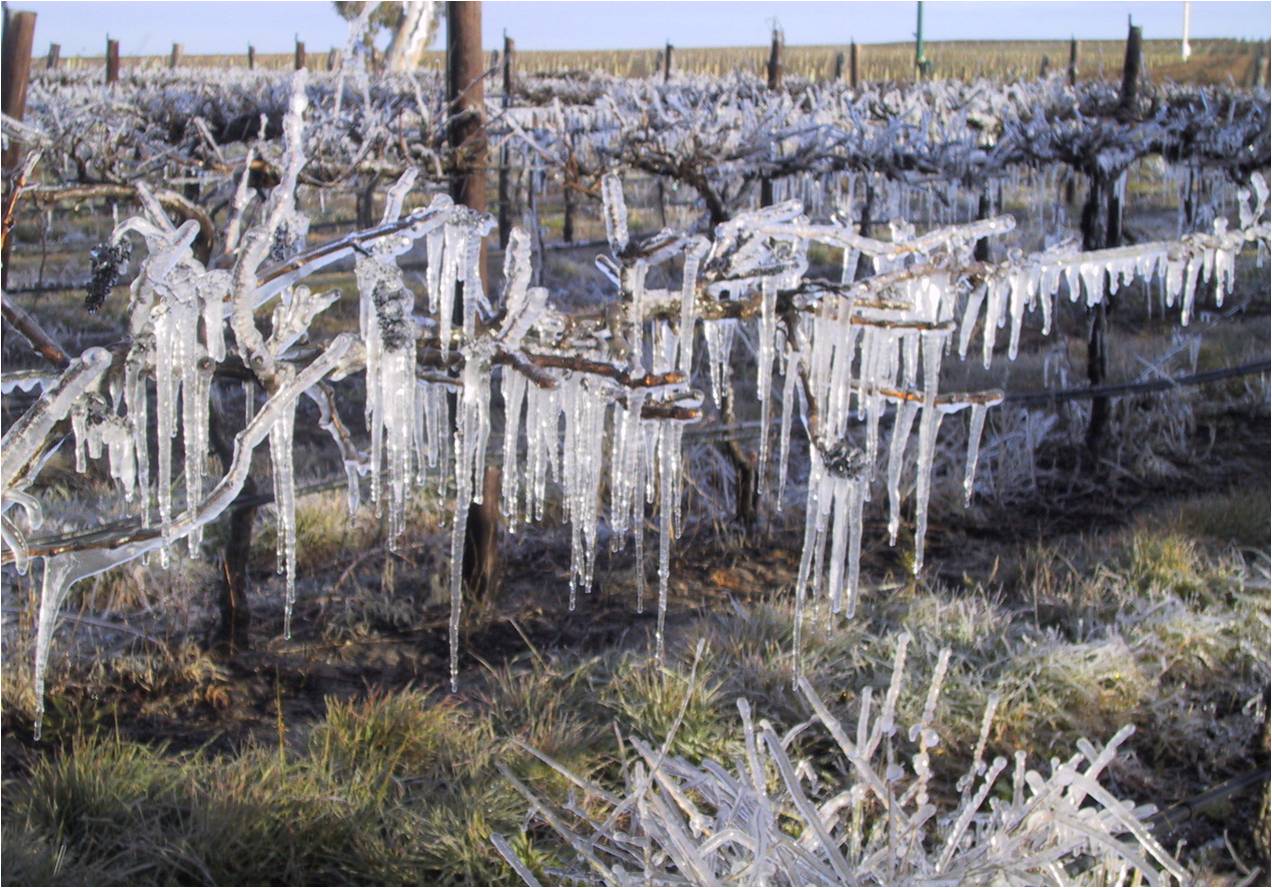
Italy threatened by new arctic front

A new cold arctic front that is expected to hit Italy on 13th January and will lead to a further drop in temperatures, especially at the beginning of next week. Snow is expected once again in the south. In the meantime, the damage caused by the first cold front in the south of the peninsula is currently being estimated. At least 30,000 hectares have been affected as temperatures reached -10°C. Artichokes, broccoli and celery crops have been destroyed and cauliflowers and cucurbitaceae have also been damaged. Damage to peaches, almonds and cherries can only be assessed in the spring. This was reported by Giorgio Mercuri, President of Alleanza delle Cooperative agroalimentari. Confagricoltura President, Mario Guidi, stressed that "we are talking about millions of Euros. It is still impossible to make an estimate because things could still get worse." The weather has caused problems to citrus groves, vineyards and orchards in Calabria, Sicily and Campania; olive groves in Calabria, Abruzzo, Molise and Puglia; and pulses and vegetables in Campania, Basilicata and Puglia. "Our organisation is constantly monitoring the situation. We have required the declaration of a natural disaster and have asked for prompt interventions to restart our production activities." Lazio Especially in Viterbo and Tarquinia, winter crops did not survive the drastic drop in temperatures. There is no hope for fennel and artichokes and broccoli has also been compromised. "In addition to Tarquinia, other areas have also been affected," explains Mauro Pacifici, President of Coldiretti Viterbo. Losses will amount to hundreds of thousands of Euro, with at least 80 businesses badly affected. Now everyone is hoping for extraordinary provisions to be implemented to help producers. Puglia "We have started assessing the damage and the situation is disastrous. Late clementines have been irreparably damaged. In the Taranto province, the damage in citrus groves amounts to over €30 million. And things may get worse. Table grape structures collapsed under the weight of the snow and ice, so we have estimated over €80 million worth of damage," explains Gianni Cantele, President of Coldiretti Puglia. "It is still impossible to assess the damage to vegetables, as they are still covered in snow and ice. Our producers need to restart their work. That is why we asked for the urgent activation of measure 5.2 of the PSR to reinstate the production potential that was damaged." "The declaration of a national disaster envisages the activation of the contributions from the National Solidarity Fund, should adverse weather events affect over 30% the gross saleable production of businesses. Unfortunately, however, the funds won't be enough to cover all the damage." In the meantime, vegetable stocks in Southern Italy are lacking and quotations are skyrocketing. There is very little produce available in wholesale markets, prices are high and trade is slow. "Demand for potatoes and onions have increased a lot due to the cold temperatures in the southern regions, and prices have increased," adds a trader. The main question is: when will produce from the south become available again? Producers report that "there is very little left at the moment, we will see what can be harvested after this new cold front." Source - http://www.freshplaza.com

17.01.2017

Italy - Heavy frosts lead to big losses of crops

In recent days temperatures have risen slightly, but the damage is already done. Most of the varieties that are planted in the south of the country can no longer be harvested, and even some new varieties of clementines that they hoped to bring out this year have been spoiled. "Compared to last year, when it was very warm, it has been catastrophic. About 70 to 80% has been lost. It is a race to reach and supply all the demand”, says Dino Pietrosanto, manager of Fruit & Veg. However, says Pietrosanto, "Less has been sold, but they have sold well," as far as the national market was concerned. It's not the same for exports. If before the situation was slow, due to fierce competition from other countries, at this moment the Italian fruits are "offside", says Dino. One of the main problems has been damage to greenhouse plastics as well as water freezing in irrigation systems. This has caused the infrastructure to be totally damaged, thus affecting plants and fruits. Source - http://www.freshplaza.com

17.01.2017

Spain - Low temperatures help Huesca's agriculture

The cold and harsh weather are not always bad news for agriculture, as can be seen in Huesca, which has just completed the harvest of its fruits, including pomegranates. Now it is time to give the soil some rest and allow it to recover for the next plantations and the upcoming campaigns. According to Ramón Pascual, commercial director of Summer Fruit, the weather phenomenon that did take a toll this year was the rain that fell during the flowering. That is why they have had a lower production than expected. However, Summer Fruit has been able to meet the external demand, devoting 90% of its production to foreign markets, such as the United Arab Emirates, Asia and other European countries, despite facing more competition from other countries, such as India, Egypt and Turkey. Summer Fruit is specialised in the cultivation of cherries, apricots, seedless grapes, figs, peaches, etc., with an acreage of over 750 hectares. Source - http://www.freshplaza.com
17.01.2017

USA - MU Extension Offers Upcoming Program on Livestock Risk Protection

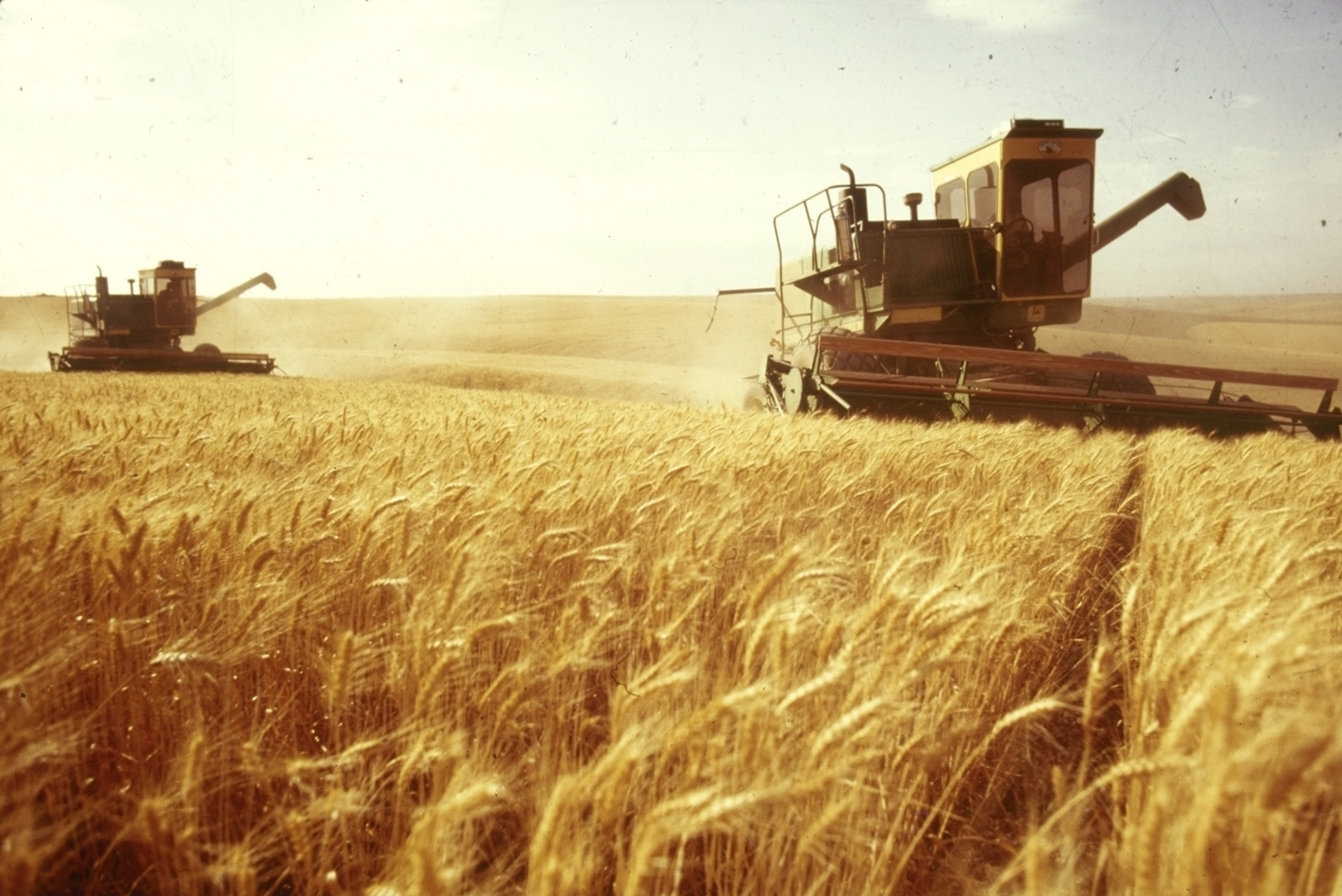
University of Missouri Extension offers livestock producers an opportunity to learn about price risk protection to manage some of the market uncertainty, states Darla Campbell, University of Missouri Extension Agricultural Business Specialist.  Crop insurance is widely used, while Livestock Risk Protection, the livestock equivalent, is underutilized.  As profit margins narrow for livestock producers in this downward price cycle, all options should be considered to minimize the effects of market volatility, which often adversely affects your bottom line, says Campbell.  Besides livestock risk protection, we will also discuss pasture, rangeland, and forage insurance.  The presenter will be Ryan Milhollin, Economist, Department of Agriculture and Applied Economics, University of Missouri.  He has authored several documents used statewide on this topic. Extension encourages livestock owners with herds of all sizes, 4-H and FFA members, and educators to attend. There is no cost for the event, but organizers request that you sign up by noon on the 24th to insure adequate supplies are available. A minimum of 15 participants is required to guarantee the class, so please call the Scotland County Extension office at 660.465.7255 and give Carol or Kristy your name and phone number.  The class will be held in Memphis at the Scotland County Hospital Conference Room from 6-8 on Wednesday, January 25th. Source - http://www.memphisdemocrat.com

812
of 1225