NEWS
813
of 1225
News
17.01.2017

Ireland - Tillage farmers demand aid after millions in losses

Grain farmers will protest outside the Dáil tomorrow ahead of a private member's motion on emergency aid. The IFA claims that 250 grain farmers have suffered losses running into the millions on the back of one of the most difficult harvests in recent years. Grain losses are said to be close to €3m, while straw losses push the total write-off closer to €4m. "Many tillage farmers are facing severe financial difficulties, such was the scale of crop losses experienced by individual growers in 2016," said an IFA statement. Its survey showed that the growers worst affected were in counties Clare, Cork, Donegal, Galway, Kerry, Mayo, Meath, Roscommon and Tipperary. Cork was by far the worst, accounting for the vast majority of the 16,400ac affected. This translated into over losses of 20,000 tonnes and close to 80,000 4x4 round bales. The grain was valued at €142 and €13 per bale. The volume of grain and straw losses calculated for each farm was based on the five-year average yield for the individual farmers. Over 40 Fianna Fáil TDs have tabled a motion to establish a crisis support fund to provide direct payments to farmers impacted by the severe crop loss in 2016. They want the EU's state aid to be made available as tailored support payments for farmers - up to a level equal of €15,000 per producer over a three year period. The submission notes "the appalling vista" that the Department of Agriculture underspent its 2016 budget by €86m, despite the "absolute necessity" to support tillage farmers and the rural communities that rely on this sector. "The continual trend of low grain prices, increased input costs and poor margins over the last number of years has intensified the income crisis and financial hardship in this sector," said the statement to be presented to the Dáil. Teagasc calculated that the average net margin on tillage farms in 2016 was minus €130/ha. The motion also looks to progress the IFA's demand for a temporary suspension of EU import tariffs on fertilisers to reduce input costs for farmers. It also seeks to promote the use of native grain and Irish malt in the manufacture of Irish whiskeys, spirits and beers. In addition, the private members notice called on the Government to open a TAMS investment scheme immediately for the sector. Weather data from September 2016 shows that all the counties along the western seaboard endured a minimum of 25 days with rain during what was a critical month for completing the harvest. Source - http://www.independent.ie

16.01.2017

India - Crop losses push farmers to the brink of despair

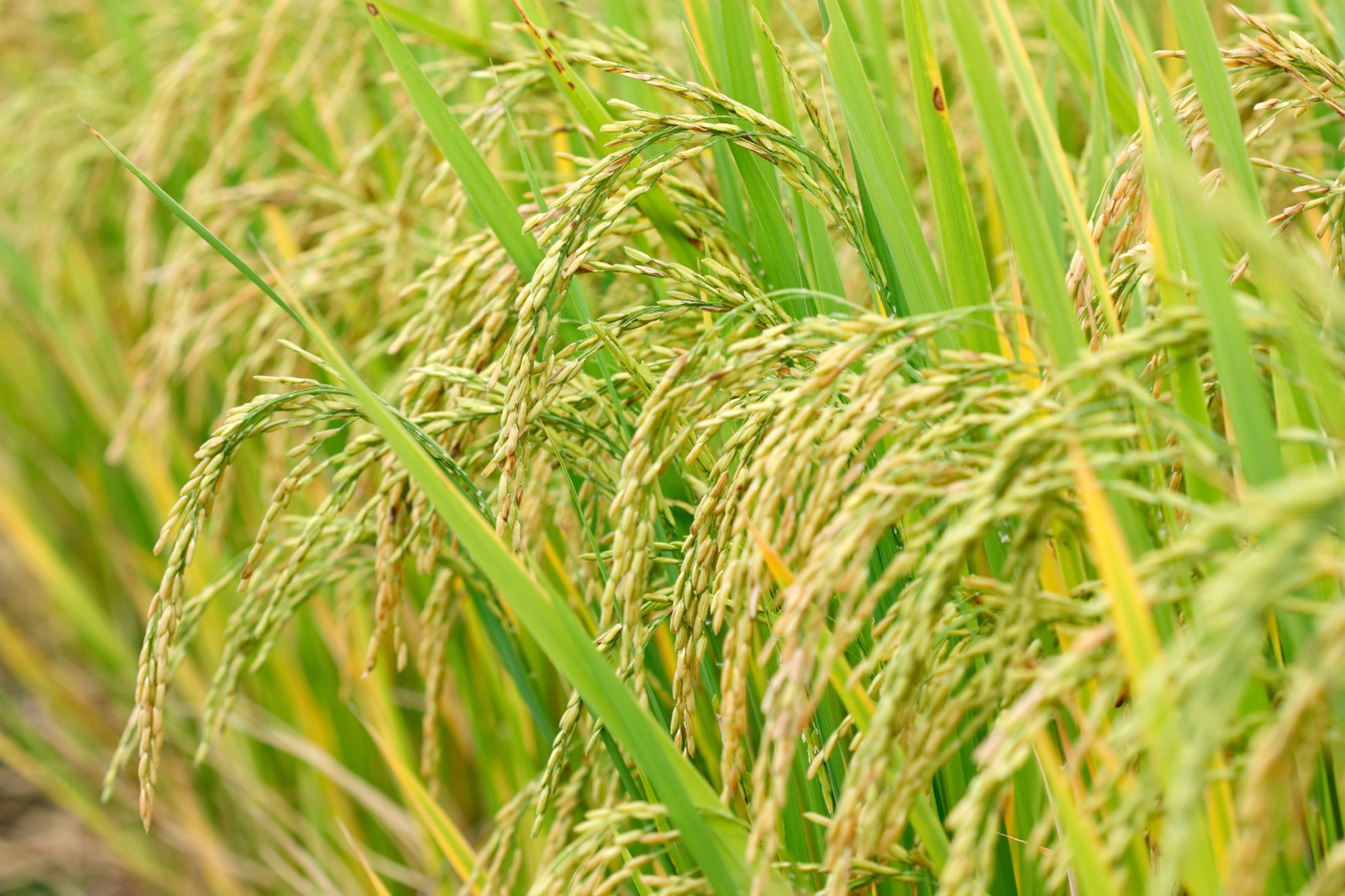
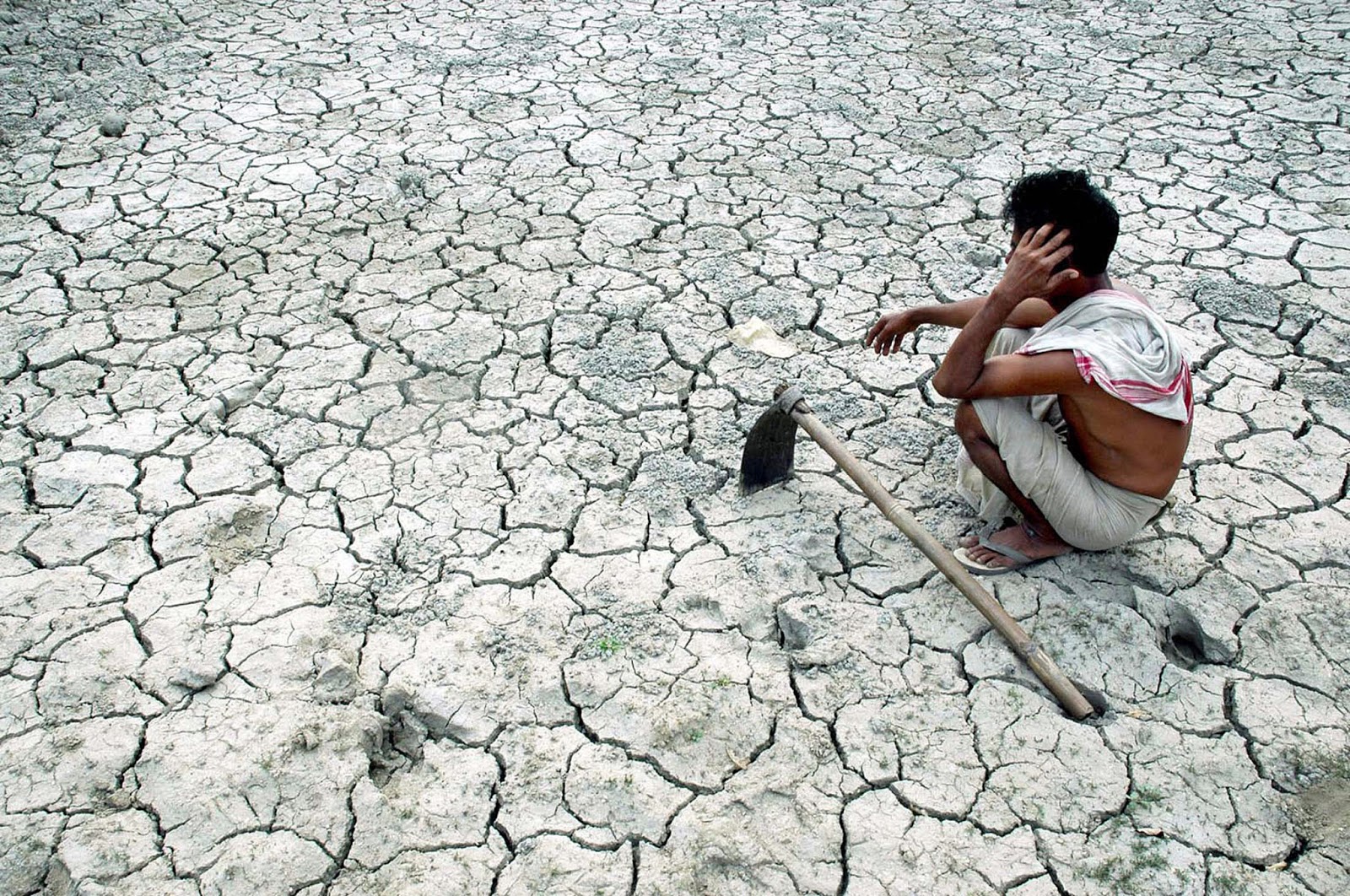
Delli Balaji, 32, and his uncle Dhanapal Ravishankar, 55, stare at their fields. They are shareholders in 30 acres of agricultural land in the tiny village of Poovalambedu in Tamil Nadu’s Tiruvalluvar district that borders Andhra Pradesh. Their 10 acres of paddy crop have dried up and their cows have begun to make a meal of it. “What can we do but watch?” asks Balaji with a forced smile. “This is the second paddy crop that we have sown. For the first one, we did dry sowing, anticipating rains in August. But the very next day it rained and the crop was destroyed.” Dry sowing is planting paddy by simply scattering the seeds in the soil, instead of sprouting saplings and transplanting them to the fields. Paddy, when dry sown, requires less standing water than when transplanted. “In September we sprouted paddy saplings and transplanted them. But there was simply no rain. Everything dried up,” Balaji rues. Ravishankar says these are bad times. “Last year there were floods and this year there have been no rains,” he says. “Since we are large farmers, we don’t get any help from the government. We are stuck in deep debt because the crops have been lost for two years in a row.” Both farmers say that over 1,000 acres of crops in their taluk have been similarly destroyed. Farmers are holding their heads in distress, not knowing what to do. Balaji and Ravishankar have not lost hope yet. But those in the Cauvery delta — in the fertile region of Thanjavur, Nagapattinam and Trichy — are giving in to despair. Canals in Panchalai village on the Tamil Nadu-Andhra border have dried up The National Human Rights Commission issued notice to the Tamil Nadu government, based on news reports, that 106 farmers have died or committed suicide in the state due to crop failure. On January 10, Chief Minister O Panneerselvam said the state would soon be declared as drought-hit. He also said 17 farmers had committed suicide due to crop losses. “More than 50% of crops is lost,” says an official with the state Agriculture Department. “Wherever there are borewells or pumps, there will be good harvest. But farmers in areas dependent on rain and dams will suffer.” “Crops in 50 lakh acres in Tamil Nadu have been lost,” says PR Pandian, president of the coordination committee of the All Farmers Associations of Tamil Nadu. “Demands for compensation are temporary measures. The only long-term solution is for states to adhere to the Cauvery Water Tribunal’s orders. Similarly with the Mullaiperiyar dam. The government has to take steps to ensure that we get our fair share of water.” Farmers Balaji (left) and Ravishankar in Tiruvalluvar district are staring at heavy losses and debt as their paddy has dried up The rains have indeed played truant in the state. In the Cauvery delta, the Northeast monsoon has been deficient by 66%. In the southern districts, which get some rain from the Southwest monsoon, it has barely rained and reservoirs and dams are at 4% of their capacity. Farmers have not even carried out sowing. In the northern districts, not only did the rains not come but Cyclone Vardah wreaked havoc on crops and plantations in December. Overall, the state has witnessed an almost 70% deficiency in monsoon this season, according to the regional Meteorological Department. Water, Anyone? Drinking water is on the verge of drying up. Authorities say that in the southern districts, there is drinking water to last only a month. The western districts are slightly better, with around 11% storage in the Mettur dam, the main source of water to these regions. The northern districts are also staring at severe water scarcity in the coming months. Panneerselvam met his Andhra Pradesh counterpart N Chandrababu Naidu on January 12, putting forth a request for additional water from the Telugu Ganga Project. Naidu, it is learnt, has promised to “do his best”, as the release of additional water is decided by the Krishna River Water Board. A team of officials from the Centre are assessing the drought situation. Although a firm figure has not been arrived at, in terms of losses to crops and thereby the demand to be made to the Centre as compensation, senior leaders of the ruling AIADMK say they are confident that Tamil Nadu will get its due in the upcoming Union budget. “The farming community has been affected to a great extent — this is unheard-of in the recent history of Tamil Nadu,” says a senior leader of the AIADMK. “A Central team is assessing the losses. The assessment should be based on the suffering of farmers. Drinking water crisis is acute. There is no feed for cattle either. The Centre must be liberal in providing assistance to Tamil Nadu.” The chief minister has already urged the Centre to sanction Rs 1,000 crore towards damages incurred in the wake of cyclone Vardah. A team has assessed the ground reality but the amount is yet to be awarded to the state. Crisis Management The government machinery has been quietly doing its job despite the political crisis in the state due to the long hospitalisation and death of former chief minister J Jayalalithaa. “By August we knew we were looking at an impending drought,” says a senior official in the Agriculture Department, who prefers not to be named. “The Mettur dam was not opened on June 12 as it was supposed to. Though Tamil Nadu took the battle to the Supreme Court for Cauvery water, we got only partial relief from Karnataka.” A deficient monsoon has meant that paddy crops have dried up across the state The state government released a package of Rs 54 crore to help save the kuruvai crop — a short term crop, mostly paddy, that is sown in the Cauvery delta. “This package was full of subsidies to help farmers irrigate their crops using their borewells or from wells in neighbouring fields. We provided subsidised PVC pipelines and subsidies for transplanting of paddy saplings using machinery, so that farmers would not lose the season. As against an expected 3 lakh acres, a total of 3.1 lakh acres in the delta region were cultivated and harvested,” says the agriculture official. Then it was time for the samba crop — a longer crop season from August to January when a variety of crops are cultivated. By September, cultivation should have been over but there was little water in the Mettur dam. “With the help of academics in the Tamil Nadu Agricultural University (TNAU), we asked farmers in the delta area to switch to dry sowing instead of transplantation this year,” says the official. “70% of the area, about 6 lakh acres, was brought under dry sowing this time.” This was coupled with the release of water from the Mettur dam in September. Water from the dam flows in three directions — the Grand Anaicut canal that irrigates southern Thanjavur and Pudukottai; the Vennaru basin that caters to Tiruvarur and Nagapattinam districts; and the Cauvery basin irrigating upper Thanjavur, upper Tiruvarur and other areas. “We released water for six days each in Vennaru and Cauvery basins as these are bigger canals that irrigate a lot of farmlands,” says the official. “We ensured the release of water just as direct sowing was done. We managed to save a large area of paddy despite the rains failing.” For the second time in Tamil Nadu’s history, the government announced a relief package of Rs 64 crore for the samba crop season. Farmers who adopt direct sowing would get a subsidy of Rs 500 per acre. Weeds are an issue with dry sowing, so weedicides too were subsidised. In December 2016, the TNAU advised farmers to spray PPFM bacteria on their paddy — this prevents evaporation and ensures that the crop does not wither away for 10-15 days. Simultaneously, the district administration was revved into action to bring as many farmers as possible under crop insurance scheme. “12.8 lakh farmers — more than 80% of farmers in the delta region — were brought under the ambit of crop insurance within a three-month period from September to December,” says the official Now the state government is conducting ground surveys to assess crop losses, as per new guidelines issued by the Centre. “It is a three-step process,” says K Satyagopal, commissioner, revenue administration. “The third step is going on in all districts. The ground truth data (verifying a satellite image with what is on the ground) must be collected in 10% of the affected villages. That process is on.” No Long-Term Plans The state, while dealing efficiently with immediate crises, is far from effective when it comes to long-term planning for water management. In December 2015, unprecedented rainfall meant that over one lakh cusecs of water was let into the sea through the Adyar river, flooding large parts of Chennai and surrounds. Most dams and reservoirs across the state have not been desilted since they were built. Canals and waterways are clogged with waste and debris. Lakes and tanks are encroached at will. River water, more often than not, is not potable as sewage and industrial effluents have polluted it. “No work is being done to safeguard water resources and we don’t know where the funds allocated for this are going,” says Pandian. “Tanks and lakes have not been desilted for decades. How will groundwater levels rise? Unless the government takes effective steps, Tamil Nadu will be destroyed in the coming years. How can anyone live without water?” The CM said the state would set aside Rs 3,400 crore for desilting and restoration of water bodies, which would also help agricultural labourers get employment. The state would take up schemes to the tune of Rs 160 crore in urban areas and Rs 350 crore in rural areas to mitigate drinking water crisis, and Rs 25 crore would be given to the Public Works Department to improve the ground water table. In order to ensure employment, the number of working days under the MNREGA scheme will also be increased to 150 days from 100 days, said Panneerselvam. For now, farmers are trapped in a debilitating debt cycle. “We invested Rs 2.5 lakh in paddy crop in 2014 and got returns of Rs 6 lakh,” says Balaji, the farmer from Poovalambedu. “In 2015, we had to go in for a different variety of rice called ADT-39 because the rains arrived late. From an investment of Rs 3 lakh, we got a return of Rs 4 lakh. In 2016 we invested Rs 2.5 lakh but the returns are zero.” Balaji and Ravishankar are unable to repay their loans — Rs 1.8 lakh taken from cooperative banks, Rs 2.5 lakh from nationalised banks and Rs 4 lakh from local rice mill owners who charge an exorbitant interest rate of up to 24%. “Everyone is in debt, especially to the rice mill owners,” says Ravishankar. “They give loans without a fuss but charge high interest rates because they know we have nowhere else to go. We are dependent on them.” Balaji and Ravishankar received Rs 10,000 as crop insurance in December. “The irony is that this is the insurance sum for 2014,” laughs Balaji. “The losses we suffered in 2015 and 2016 — god alone knows when they will arrive.” Source - http://auto.economictimes.indiatimes.com

16.01.2017

India - Wild elephants creating panic driven back to forest

Residents of Hullikeri, Kadabagatti and surrounding villages in Dharwad heaved a sigh of relief on Wednesday when forest department personnel managed to drive elephants, which had created panic in the area, back to the forest.Villagers were worried about their paddy and mango cultivations as they had spotted six elephants moving in their fields two days ago. "When I went to work in my field, I noticed four elephants standing in the middle of the mango grove. They might have strayed into our village from the Khanapur forest area," said Gururaj, a villager.A team of forest department officials spent Tuesday night in the village to protect people from being attacked by the wild animals. They beat drums and burst crackers to drive the elephants back to the Nagaralli forest area. MD Lamani, , deputy range officer, Benasi range, Dharwad, said they will compensate farmers if there is any crop loss after getting a report from the local authority.. . Source - http://timesofindia.indiatimes.com

16.01.2017

India - Crops damaged due to severe cold and frost

Crops of gram, onion, wheat and potato were badly damaged due to cold and frost.  Leader of Opposition in Ujjain Municipal Corporation Rajendra Vashishtha surveyed 131 villages and met farmers leaders on Sunday. He claimed that almost 70 to 80% crop of gram and potato had been damaged by frost. According to Vashishtha, crop in Hameerkhedi, Takwasa, Tankariya, Pingleshwar, Harsodan Pipliya, Surjanwasa, Kesoni and other villages have been affected. He said that the issue will be raised with the administration and adequate compensation will be provided to farmers for crop damage. Parmanand Verma, Ganesh Paregi, Jawahar Malviya, Sudhir Sharma, Rashid Khan, Bane Singh Darbar and Narendra Kachhwah were also present. Vashishtha further said that earlier farmers received nominal compensation against crop insurance but this time Congress will fight for the farmers and demand appropriate proceed of insurance. Source - http://www.freepressjournal.in

16.01.2017

Fiji - Pay particular attention to the poor

The impact of cyclones and droughts is set to get worse, so vulnerable countries must expect national incomes to decline, the Asian Development Bank (ADB) warns. To cope with increasing disaster risks, developing countries should therefore adopt short-term and long-term strategies. In a working paper published in late 2016, Emmanuel Alano and Minsoo Lee, two ADB experts, assess the macroeconomic implications of natural disasters, with a focus on typhoons and droughts. They show that extreme weather is likely to harm agriculture and tourism, and may thus “roll back years of development gains and exacerbate inequality”. Cyclones, they write, are prone to reducing economic growth by up to three percentage points. If a country is set on a permanently lower growth path, such losses are never recovered. In other cases, it may take many years to get back to the pre-disaster trend. The authors acknowledge that a disaster can also spur growth, if better infrastructure is built to replace what was destroyed. They warn, however, that it normally takes two decades for a country to recover from a cyclone. Some storms are utterly devastating. According to the ADB, the damages caused by Cyclone Winston, which hit Fiji in February 2016, amounted to more than $ 500 million or about 11 % of gross domestic product. Moreover, 25 % of tourism bookings were cancelled immediately after the event. At typical drought will reduce the annual growth rate by one percentage point, the experts argue. They point out, moreover, that rising temperatures in general mean less favourable conditions for agriculture. In their eyes, climate change is thus set to harm the livelihoods of poor rural communities in particular. The ADB experts propose several ways to adapt to growing risks, including urbanisation, building  climate-resilient infrastructure and establishing better early-warning and disaster-response systems. They emphasise that diversified economies are better at coping with hardship than those that depend primarily only on agriculture and perhaps tourism. Farmers are likely to lose their entire harvest. Businesses in other industries rebound faster, the ADB authors argue. They praise urbanisation, as it leads to diversification, higher wages and more opportunities in general. To some extent, the inflow of international aid can compensate disaster damages, the working paper acknowledges. It states, however, that aid is unlikely to suffice in the long run in view of increasing damages. Moreover, it reduces incentives to invest in adaptation. The authors appreciate multilateral approaches to risk management. They praise the Caribbean Catastrophe Risk Insurance Facility (CCRIF), and find its model is worth copying. CCRIF is a multilateral insurance scheme. It charges premiums form governments which, in return, get immediate relief when disaster strikes. In 2016, the government of Haiti received almost $ 20 million from CCRIF after the island nation was hit by Hurricane Matthew. The facility paid another $ 9 million to other governments in the affected region. The ADB working paper also points out that prosperous nations have social-protection systems that prove useful in emergencies. Poor countries lack such systems and thus face an “adaptation deficit”. The authors make it very clear that policymakers must pay attention to social inequality: “Since the poor suffer the most from the effects of natural disaster shock, adaptation efforts should address needs such as relocation, resilient infrastructure, new resistant crops and government transfers to more sustainable ex-ante strategies and risk-sharing mechanisms like disaster insurance.” Source - http://www.dandc.eu

16.01.2017

India - Crop insurance not within reach

Agriculture insurance has a long way to go in helping farmers manage risks in farming. A lot of awareness and simplification of norms are the need of the hour, say stake holders from the sector. In a country, where agriculture is largely influenced by climatic conditions and remunerative prices for farm produce are a distant dream, crop insurance can be of great help. But, surprisingly, instead of being a sought-after avenue for risk management, crop insurance schemes failed the farmers when they needed it the most. “Banks are deducting premium amount from the loan amount issued to us. But, farmers do not get any help from insurance company or the government in case of crop loss, due to complex rules and conditions. With no hope of reimbursement from any one, in case of crop loss, we feel even the amount deducted from banks towards premium as unnecessary burden,” rued P Komulaiah, a farmer from Wanaparthy in Telangana. Meanwhile, when farmers are taking loans from banks, they are mandatorily charged insurance premium amounts, pushing them to opt for insurance in some states. When it comes to taking credit out of banking system, most do not even have an idea of insurance. “Insurance is a tool for risk management, which is very essential for Indian farmers. While farmers are ignorant of agri-insurance, even a lack of will among governments and insurance companies to popularise agriculture insurance is adding to the problem. Awareness needs to be created about the benefits of insurance among farmers and agriculture insurance policies should be simplified to cover the actual losses,” said Vijay Sardana, noted agriculture and rural economist. After the introduction of Pradhan Mantri Fasal Bima Yojana in February, 2016, the amount to be paid by the farmers towards premium has considerably decreased. Farmers need to pay only two per cent and 1.5 percent for regular crops in Kharif and Rabi seasons, respectively, and five per cent for commercial crops. The remaining amount of premium is paid by the state and the central government. Besides Agriculture Insurance Company of India, private insurance companies such as Bajaj Allianz, Cholamandalam MS, Royal Sundaram, Iffco-Tokio, HDFC Ergo have also been operating in agriculture insurance sector. With the entry of private companies, awareness on agriculture insurance is also likely to increase which would further help the area of crop insured to grow. “As farmers lack awareness and drive to get insured right now, we have ordered field-level agriculture officers to convince farmers to take farm insurance and accustom them to the culture of agriculture insurance,” said a senior official, who looks after agri-insurance in Telangana agriculture department. From the last kharif season, the government has adopted villages as units for calculating compensation in case of crop loss instead of mandal, thus improving the prospects of farmers getting compensation in case of crop loss due to natural calamity. But farmers feel this as just a small step. Complexities in claims are another hindrance that needs to be addressed to win the trust of farmers in agri-insurance. “The conditions of crop insurance change from crop to crop and from district to district, thus creating confusion among farmers. Will any farmer find an insurance agent in their village or nearby town, like they find vehicle insurers and life insurers? Unless the farmer is taken as unit or the extent of farm area decreased for compensating, agri-insurance will not serve the purpose,” says Yerneni Nagendranath, Chairman, Federation of Farmers. Source - http://www.newindianexpress.com

16.01.2017

USA - Interest in crop insurance rises after 2015 floods

Some agricultural insurance representatives agree that after the 2015 flood and Hurricane Matthew in 2016, farmers are paying more attention to the importance of insuring their crops and other farm-related possessions. “I feel like before the flood, people participated in it but maybe not paid attention to it as much,” said Ben Tillman, ag risk consultant with Silveus Southeast. Tillman attended the S.C. AgriBiz and Farm Expo in Florence Thursday along with several other agriculture-related vendors. Silveus is based in Ridgeland, and Tillman said the company covers Virginia, North Carolina, South Carolina, Georgia and Florida. Insurance coverage protects farmers during weather events and any type of drop in revenue, he said. “It’s important for the farmers to have its safety net,” Tillman said. “They’re probably in one of the most riskiest businesses.” Tillman said farmers are awesome and so is crop insurance. James Trammel, lead adjuster for the Rain and Hail agricultural insurance company in North Carolina, said agricultural is the number one career in which people can do everything they can to succeed, but nature is the number one factor itself. “The general public may not know this (agricultural insurance) is the number one way for farmers to protect themselves,” Trammel said. Chris Mishoe, a rain and hail representative, said the company protects farmers from loss due to wildlife, weather-related incidents and any other circumstances that are not manmade. Crop insurance is an equal opportunity service and is available to all farmers, Mishoe said. Source - http://www.scnow.com

13.01.2017

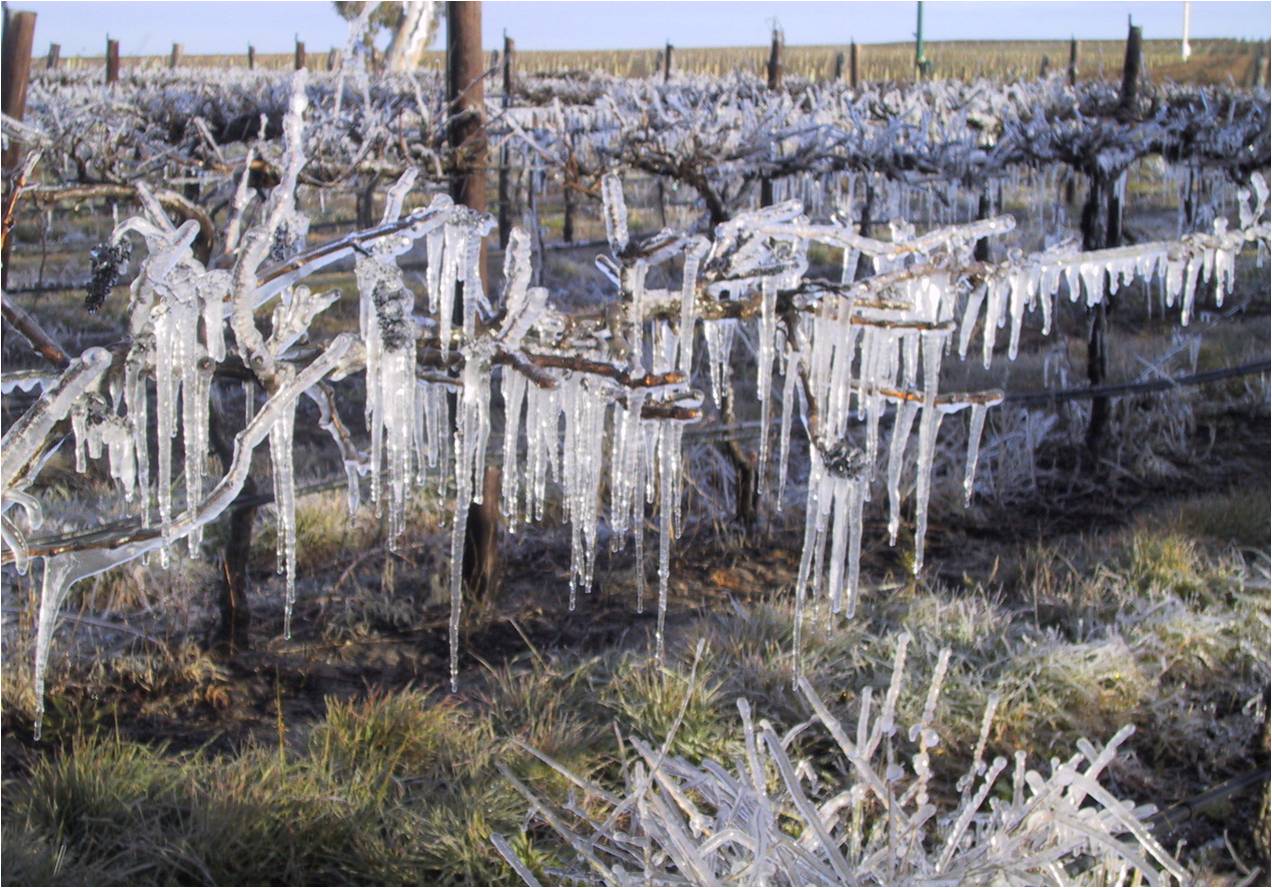
Spain - Artichokes, the most affected by frost in Murcia

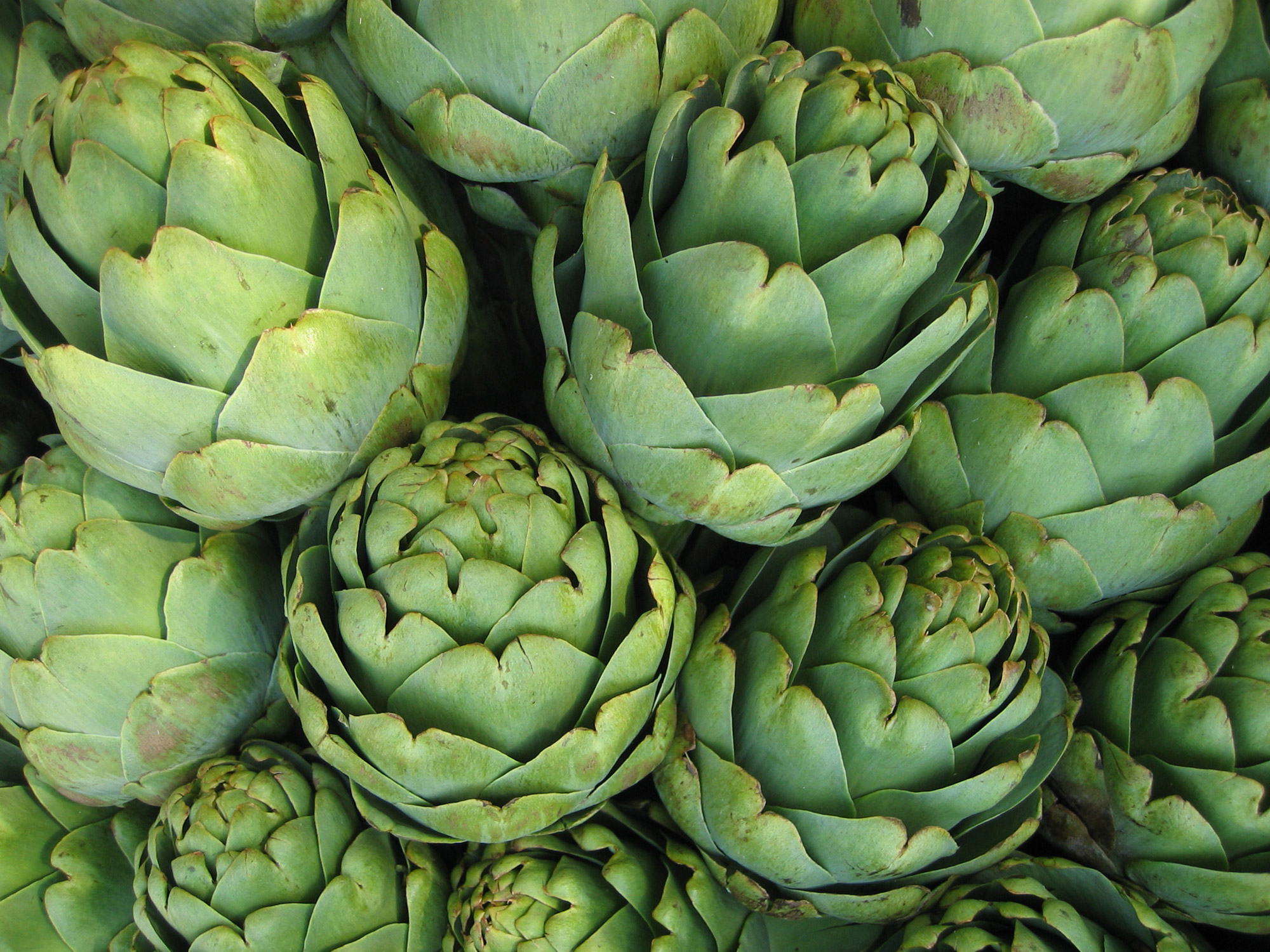
The intense cold of recent days has already claimed its first victims in the field: artichoke crops. Frosts, which have mainly affected areas of Lorca, such as La Hoya, Campillo and Cazalla, with temperatures several degrees below zero, have left other cultivated areas in the Region unscathed. Neither Las Vegas del Segura nor Campo de Cartagena have had any problems. "We've had three or four nights of frost and the crops that have been affected the most have been artichokes (as they are the most sensitive vegetable) and leaf lettuce to a smaller extent," explains the president of the agrarian organization COAG, Miguel Padilla, who adds that so far no assessments have been made on the possible losses or acreage affected. "We can say that it has not been disastrous and that in a high percentage of these areas, where it traditionally tends to freeze, the plantations are insured, which plays in our favour," he adds, estimating the insured acreage at between 70 and 80 percent. "This has prevented us from suffering greater economic losses," he stresses. The earlier varieties have been the most affected, explains Padilla, who points out that many of the plants will have to be discarded, because they turn black and lose all their market value, but others that have been less badly hit by the frost may be supplied to the processing industry as long as the inside remains clean. According to Antonio Moreno, Secretary of Agriculture at Upa, the area affected by frost will not exceed 10 to 15 percent of the total artichoke acreage yet to be harvested, while for woody crops "this cold is actually wonderful, and citrus fruits also suffer no impact." Broccoli, another seasonal crop, has also weathered the frost well, he concludes. The president of Coag, on the other hand, said that there could be some product shortage in the markets, although "it will not be very serious and we don't believe it will cause significant changes in the prices that are being paid, which, by the way, are similar to last year's." Concerns about approaching winds What the growers are most concerned about is the announcement of the arrival of another storm at the end of the week, which will come accompanied by polar winds. "This type of wind does a lot of damage, because it affects everything it finds in its way," highlights Antonio Moreno, while Miguel Padilla points out that this type of air usually causes more losses wherever there is less moisture." The arrival of this weather phenomenon is expected for the first few days of next week, according to the predictions of the State Meteorological Agency. Source - http://www.freshplaza.com

13.01.2017

USA - Crop Insurance Rules For Cover Crops

Kevin Glanz had planted cereal rye into soybean stubble on his farm near Manchester, Iowa, for four years when he decided to try something new in 2016. At trade shows in Minnesota, he learned of farmers’ success interseeding cover crops into standing corn in early summer. So last year, he decided he’d try a mix that included legumes and brassicas. He would have his co-op seed the cover while applying urea to his corn at the five- to six-leaf stage. The cover would have time to get established before going dormant under the corn canopy. It seemed like a good plan, until he told his crop insurance agent about it on March 30, 2016. Within hours, his crop insurance company threatened to void his coverage. “I got no help from my insurance agent. He sided with the company,” recalls Glanz. Glanz was caught in apparent confusion in the industry about changes in the USDA Risk Management Agency’s rules for good farming practices with cover crops. Cover crops had to be seeded after the insured crop reached physiological maturity until 2014, when RMA revised its rules to allow earlier planting “as long as the cover crop is seeded at a time that will not impact the yield or harvest of the insured crop.” Glanz went ahead with his plans. He got support from the regional RMA office in Minneapolis, which contacted his insurer. But he had to endure a “quality control audit” of three visits to his farm and detailed record keeping of herbicide treatments. All the while, he risked a protracted dispute with his insurer if he had a crop-loss claim. He didn’t. "It basically boiled down to no claim, no problem,” he says. Sarah Carlson, Midwest cover crop director for Practical Farmers of Iowa, says not all crop insurers accept RMA rules on earlier seeding. “RMA says this is OK, and the science says this is OK.” In the Midwest, 15 days after planting the corn or soybeans seem to be enough of a head start before seeding cover crops, and the earliest farmers are trying it at about 30 days after planting, she says. “It’s the industry that’s not following the rules.” She advises farmers who plant cover crops to check with their insurance agent before trying new practices. Meanwhile, Glanz is looking for a different crop insurer. Source - http://www.agriculture.com

13.01.2017

USA - Premier canola event set for Enid in January

Agricultural producers interested in learning how to maximize their canola production and profitability should register now to attend the Jan. 19 Canola College in Enid. “It’s a great opportunity to learn from and speak with leading experts in the field and interact with more than 250 new or veteran canola producers and industry members,” said Ron Sholar, Great Plains Canola Association executive director. “This will be the premier canola education and training event in the region for 2017.” Canola College is a joint effort of GPCA, Oklahoma State University’s Division of Agricultural Sciences and Natural Resources, Kansas State University, the USDA Risk Management Agency and cooperating partners in the canola industry. Registration will begin at 8 a.m. with the program kicking off at 9 a.m. and finishing at 3 p.m. The conference will take place at the Chisholm Trail EXPO Center, located at 111 W. Purdue St. on the north side of Enid. There is no cost to attend. Registration is available online at http://www.canola.okstate.eduvia the DASNR website. “Although participants can register at the door, we ask everyone to pre-register as soon as possible because it greatly aids our planning and helps ensure that sufficient numbers of conference materials, refreshments and meals are on hand,” said Josh Lofton, OSU Cooperative Extension cropping systems specialist. Lofton said lunch and refreshments are being provided free of charge to participants, thanks to the generous sponsorship of canola industry members. Canola College sessions will focus on canola basics, advanced production practices, improvements in planting technology, risk management and canola economics, and weed, disease and insect management. “The Canola Learning Laboratory, which was introduced in 2016, will be repeated in 2017,” Lofton said. “This session proved to be very popular because many of the concepts presented throughout the conference were on display through hands-on demonstrations.” Participants will interact with specialists, get specific questions answered and learn about the demonstrated concepts. “Canola’s importance to the region has increased dramatically since 2010,” Sholar said. “Canola College is an opportunity to understand how the crop can become even more important to all segments of the industry and how to do a better job of producing the crop.” Sholar and Lofton stress Canola College provides value whether a participant is a grower, crop insurance agent, member of an agricultural government agency or a canola service or product provider. “Another key benefit is the opportunity to visit with industry partners who provide the equipment, products and services needed to produce the crop,” Sholar said. Source - http://www.hpj.com

13.01.2017

Philippines - P53M in indemnity claims to 8,900 enrolled farmers in NegOcc

THE Philippine Crop Insurance Corp. (PCIC) has paid indemnity claims totaling to almost P53 million to 8,973 enrolled farmers in Negros Occidental last year. The paid claims in 2016, about 47 percent higher than P28 million in 2015, covered an area of 10,371.54 hectares, mostly rice farms affected by dry spell, pest and diseases, PCIC-Negros Occidental records showed. Of the total amount, the bulk was paid to farmers enrolled under the Registry System for Basic Sector in Agriculture (RSBSA) with the Department of Budget and Management as partner-agency, at P32 million. It was followed by the Negros First Universal Crop Insurance Program, which is in partnership with the Provincial Government, with P16.8 million. The remaining P3.8 million was distributed to farmers under various insurance programs like Agrarian Production Credit Program, and Sikat Saka Program, among others. The number of recipients who have received their indemnity claims last year forms part of the current 24,843 enrolled-farmers in the province with an aggregate area of 27,157.18 hectares, it added. Jose Ma. Torres, insurance underwriter and officer-in-charge of PCIC-Negros Occidental, told SunStar Bacolod Wednesday, January 11, that the increase in the amount of indemnity claims paid last year is mainly attributed to the influx of farmers enrolling in the program, particularly under RSBSA. In 2015, the PCIC has paid at least 6,000 farmers, comprising 5,260-hectare farms in the province. For RSBSA alone, Torres said they have reached the target quota of P40 million in premium subsidy this year. This is twice higher than 2015’s P20 million target, with only P10 million, or 50 percent accomplishment, he added. “Insurance program has greatly helped local farmers recover from the losses they have incurred due to various factors like the adverse effects of prolonged dry spell,” Torres said. The PCIC official pointed out that the National Government has recognized the positive impact of the program to the local agriculture sector. Thus, with the country’s P2.3-billion allocation for RSBSA this year, Negros Occidental will get about P52 million. “There are still many farmers in the province the PCIC needs to cover,” Torres said, adding that the agency will continue to partner with the Provincial Government and other agencies to strengthen the implementation of the program. Source - http://www.sunstar.com.ph

12.01.2017

India - All district to be branded drought-hit; steps to lessen ryots’ strain

Grappling with the aftermath of a miserly monsoon that crippled farming sector across the State, the Tamil Nadu government has decided to declare all districts drought-hit, and announced a slew of measures to lessen the strain on  farmers, including waiver of land tax, rescheduling short-term loans mid-term, disaster relief assistance and crop insurance. A detailed memorandum will be submitted to the Centre seeking financial assistance to protect people of the State, which has been hit by a severe drought, Chief Minister O Panneerselvam said here on Tuesday. This was decided at a high-level meeting chaired by the Chief Minister late on Monday at the Secretariat, wherein reports filed by committees, comprising senior ministers and IAS officers, after studying the crop loss in all districts, were discussed. With the number of farmer deaths steadily climbing, the Chief Minister said Rs 3 lakh will be provided to the families of 17 of them who committed suicide in the last two months, though the reasons were varied. Also, district Collectors have been directed to submit detailed reports on the other deaths reported so far, many of them ostensibly due to drought and resultant crop loss. According to the disaster relief guidelines, farmers who faced a yield loss above 33 percent would get relief assistance. For paddy and other irrigated crops, Rs 5,465 per acre would be given, while Rs 3,000 would be given to rain-fed and mulberry crops. Similarly, for long-term crops, Rs 7,287 would be given per acre. Since farmers who had insured their crops could claim insurance, crop cutting experiment to estimate crop yield rates would be completed soon. Since relief alone is possible as per the disaster guidelines, the State government had already insured the crops and had paid Rs 410 crore towards premium for crop insurance during the current year, a statement said. Farmers who had incurred 100 percent crop loss in paddy cultivation would receive compensation ranging from Rs 21,500 to Rs 26,000 per acre from insurance companies depending on the district. For delta districts, Rs 25,000 could be claimed for 100 percent loss of crops; Rs  20,000 for 80 per cent crop loss; Rs 15,000 for 60 per cent crop loss; and Rs 8,250 for 33 per cent crop loss.  For other districts, compensation would be paid to those farmers who had incurred above 33 percent crop loss. Similarly, farmers in each district would get the insurance claim specified for the respective districts. The claims differ from crop to crop – Rs 50,000 for turmeric, Rs 45,000 for sugarcane, Rs 20,000 for maize and Rs 12,000 for pulses per acre would be given. To provide employment opportunities to agricultural labourers who have been affected by drought, the number of working days under the Mahatma Gandhi National Rural Employment Guarantee Scheme would be increased from 100 days to 150 days. Besides, works like desilting lakes, ponds and canals would be undertaken at a cost of Rs 3,400 crore. The Chief Minister said to mitigate the scarcity of fodder for cattle stock caused by drought, programmes at a cost of Rs 78 crore would be implemented to provide fodder. Further, works worth Rs 160 crore would be implemented to augment drinking water supply in urban areas. Similar measures would be implemented in rural areas at a cost of Rs 350 crore. To augment water availability to forest areas to cater to the needs of wild animals, Rs 5 crore would be allocated. Through the Public Works Department, water resources would be improved at a cost of Rs 25 crore. Source - http://www.newindianexpress.com

12.01.2017

India - Drought in the South

The fact that Karnataka, Kerala and Tamil Nadu are in the grip of a severe drought has somehow not received the national attention it deserves. Both the south-west and north-east monsoons have failed these States, raising fears of farm distress. Rabi acreage under rice, oilseeds, coarse grains, maize and pulses has fallen steeply in Karnataka and Tamil Nadu. The Kerala government expects a major drop in winter rice output, with over 7,000 hectares of farmland in Palakkad district and another 4,700 hectares in Thiruvananthapuram district being affected. Banana and coconut crops have suffered extensive damage. A 62 per cent deficit in the north-east monsoon in Tamil Nadu, the primary monsoon in the State, has led to its paddy acreage dropping by a third; this has prompted the State government to announce relief measures such as waiver of land tax, per acre compensation and more relaxed loan repayment terms. In Kerala, the north-east monsoon was short by 61 per cent, a double whammy after the 34 per cent deficit in the south-west monsoon. A similar situation applies to Karnataka, which has seen three consecutive deficit years. While the overall picture on the rabi front points to a 6 per cent increase in acreage, New Delhi should not lose sight of the contrary picture in the southern States, and its socio-economic impact. We've unfortunately seen a familiar sequence of events unfold in recent times, of Congress-ruled Karnataka accusing the Centre of discriminating against it with respect to drought relief. A similar wrangle broke out between Punjab (where the Shiromani Akali Dal, an ally of the BJP, is in power) and New Delhi in 2015, when untimely rain and hailstorm ravaged the wheat crop. The larger issue here is the lack of institutionalised mechanisms to deal with crop loss, despite the Pradhan Mantri Fasal Bima Yojana (PMFBY) coming into force. The fact that less than a third of the affected area in Karnataka this year is covered by insurance (a pointer to inadequate financial inclusion, since the coverage is bundled with crop loans) tells us why political discretion plays such an important role in an agriculture crisis. Crop insurance needs to be comprehensive in scope to address crises arising out of increasingly capricious weather. Apart from the PMFBY (which offers a 90 per cent subsidy on the premium to be shared equally by the Centre and States), the farmer should have a bouquet of private and public sector insurance products to choose from, just as an urban consumer does, covering a range of risks. Weather-based insurance can provide expedient, even if less than comprehensive, relief — whereas yield-based products wait for the results of crop-cutting experiments. Insurance for price and pesticide-related risks would find takers. To prevent fraudulent claims, a no-claim bonus can be introduced as well. For too long have farmers been at the mercy of the government machinery, even as industry and services have moved on. Source - http://www.thehindubusinessline.com

12.01.2017

Australia - New insurance focus on frost

WHILE Australia is awash with grain this harvest, the manager of a climate risk management business is pointing out that even in a record season, climatic woes have drastically impacted some growers' returns. Jonathan Barratt, chief executive of CelsiusPro, said frost in Western Australia had significantly reduced yields while floods took the top end off production in central New South Wales. "Even this season, with the national crop breaking records, regionally there are issues with climatic stress," he said. Mr Barratt said the issues highlighted the need for growers to be able to take out risk management. His company provides weather certificates, which act in the same manner as crop insurance, with the advantage they pay out faster and can be tailored. In terms of specific risk he nominated frost as a problem the grains industry needed to monitor. "Traditionally wet years have not seen problems with frost, but through WA and to a lesser extent South Australia, there were frost issues. "WA saw stem frost, with temperatures below 2.5 degrees Celcius, while head frost caused some growers problems in SA. "As a result we are busy working on a frost insurance product that is affordable and easily managed. "We have thrown this around and for us, index insurance is the only viable option." Mr Barratt said a trial of a frost index, conducted in southern New South Wales, had worked well and said the company intended to launch a Frost Cover for the 2017 winter crop. The frost index insures the grower for stem frost and frost burn. Mr Barratt said the main advantage of the cover is that it was a combination of cumulative temperatures below 0((xB0))°C and a one-off payment should the temperature drop below -2.5((xB0))°C over a risk period. He said growers could choose the level in degrees when the cover would start and take individual certificates or group them all in the one policy. The readings for payouts are based on approved interpolated data provided by the Bureau of Meteorology (BOM). Mr Barratt said along with multi-peril crop insurance, a vibrant risk management sector in Australia would also include single peril insurance products. "I think growers like the idea of being able to be flexible with what they insure," he said. "For example, if there has been good summer rain and the soil profile is full they are less likely to want drought coverage, but will still be interested in frost cover. "That is something they are able to do with these products, which is obviously cheaper than a full multi-peril insurance product." In terms of weather certificates, the system works by getting growers aligned with a Global Positioning System reference point or BOM weather station. Prices are determined by the data over the past 25 years for the site. "Weather certificates help transfer risks associated with adverse weather - be it too much or too little rain, or temperatures that are too hot or cold - away from the farmer and local community and onto financial organisations that can absorb it." Source - http://www.farmweekly.com.au

12.01.2017

Spain - Strong winds take a toll in the Canary Islands

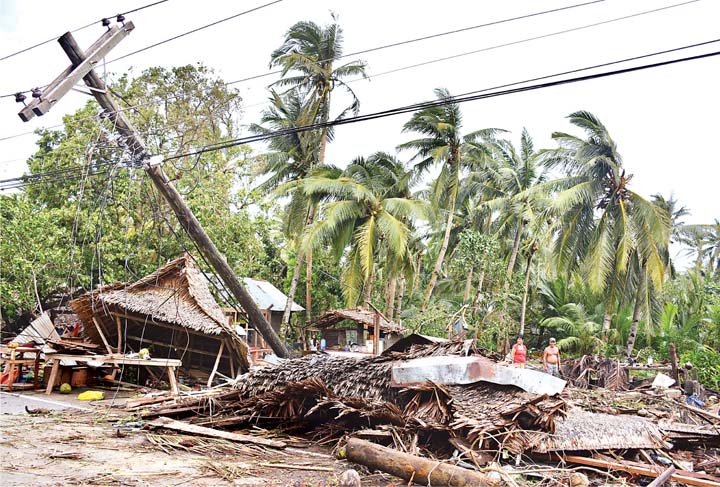
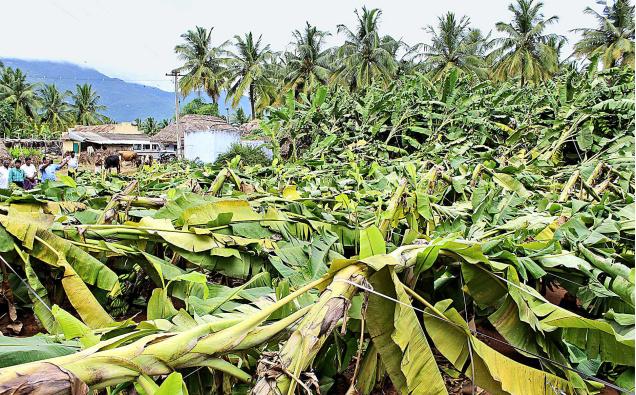
The wind storm that has affected several islands of the Archipelago in recent weeks has caused a devastating situation in various municipalities, especially in the western province, according to Asaja-Canarias technician Javier Gutiérrez. He acknowledged that the consequences will be noticeable in the coming months, when the harvest of the affected crops (especially bananas and avocados) starts and it becomes clear that the fruit has "lost quality." Gutiérrez explained that in El Hierro, last week's winds "have made a bad situation worse." In La Gomera, the valley of Hermigua has been the most affected, and in Tenerife, the north eastern region has been the most hit, especially the meshes, which have not resisted the blows of the wind gusts. The most affected municipality has been Hermigua, in La Gomera, with damage estimated to exceed 50% of the town's agricultural acreage. For this reason, the mayor, Pedro Negrín, has confirmed that "next Monday, 16 January, Hermigua will be declared a catastrophy zone." Some of the crops affected include bananas, avocados and potatoes. Furthermore, he said that, according to what the technical reports show, the share of the acreage affected "will still increase, because the wind has not been normal; there have been seven consecutive days of very powerful bursts." The storm has also taken a notable toll in other municipalities of La Gomera, such as Agulo and Vallehermoso. The mayor, Emiliano Coello, has revealed that in Vallehermoso one of the most affected areas has been La Dama. Bananas, potatoes and avocados have been the products that have suffered the most. It is, in his view, "a problem with an impact on both the economy and the landscape." Source - cadenaser.com

12.01.2017

Spain - Almeria's organic producers suffer huge monetary losses

Dozens of agricultural producers from Almeria who made investments in new greenhouses for organic production during 2015 and early 2016 continue to sell these products as conventional, with the loss of income that this entails. This situation is taking place due to the delay of the Council of Agriculture, Fisheries and Rural Development in the resolution of the necessary files to go from conventional to organic agriculture. COEXPHAL has asked the Council of Agriculture of the Andalusian Government to adopt reorganization measures to solve this urgent problem. A greenhouse must wait for two years to be converted, or recognised by the Andalusian Council of Agriculture within a maximum period of six months, as established by the Andalusian regulations. Given the strong demand for organic products registered two years ago, many horticultural companies and producers in Almeria invested during 2015 and early 2016 to be able to supply organic products by September last year. Once the investments have been made and the move to organic has been requested, with the favourable reports from the certification bodies, all necessary documentation is sent to the central services of the Council of Agriculture in Seville. The excess of centralization entails the absence of intervention from the Provincial Delegation of Almeria, which is really the one familiar with the circumstances on the ground, and this is causing delays in the resolution of the files. To date, files filed during 2015 and the first quarter of 2016 have yet to be greenlighted by the Council, which is causing the sale of organic products as conventional at a lower price. Producers in this situation are estimated to be losing on average of about 6,000 Euro per hectare and the economic result for these growers is disastrous, due to the lack of response by the Organic Production Service. To this we must add that numerous contracts with supermarkets, which included a supply schedule with specific volumes, are being breached by the Almerian companies as a result of these circumstances. Source - http://www.freshplaza.com

813
of 1225