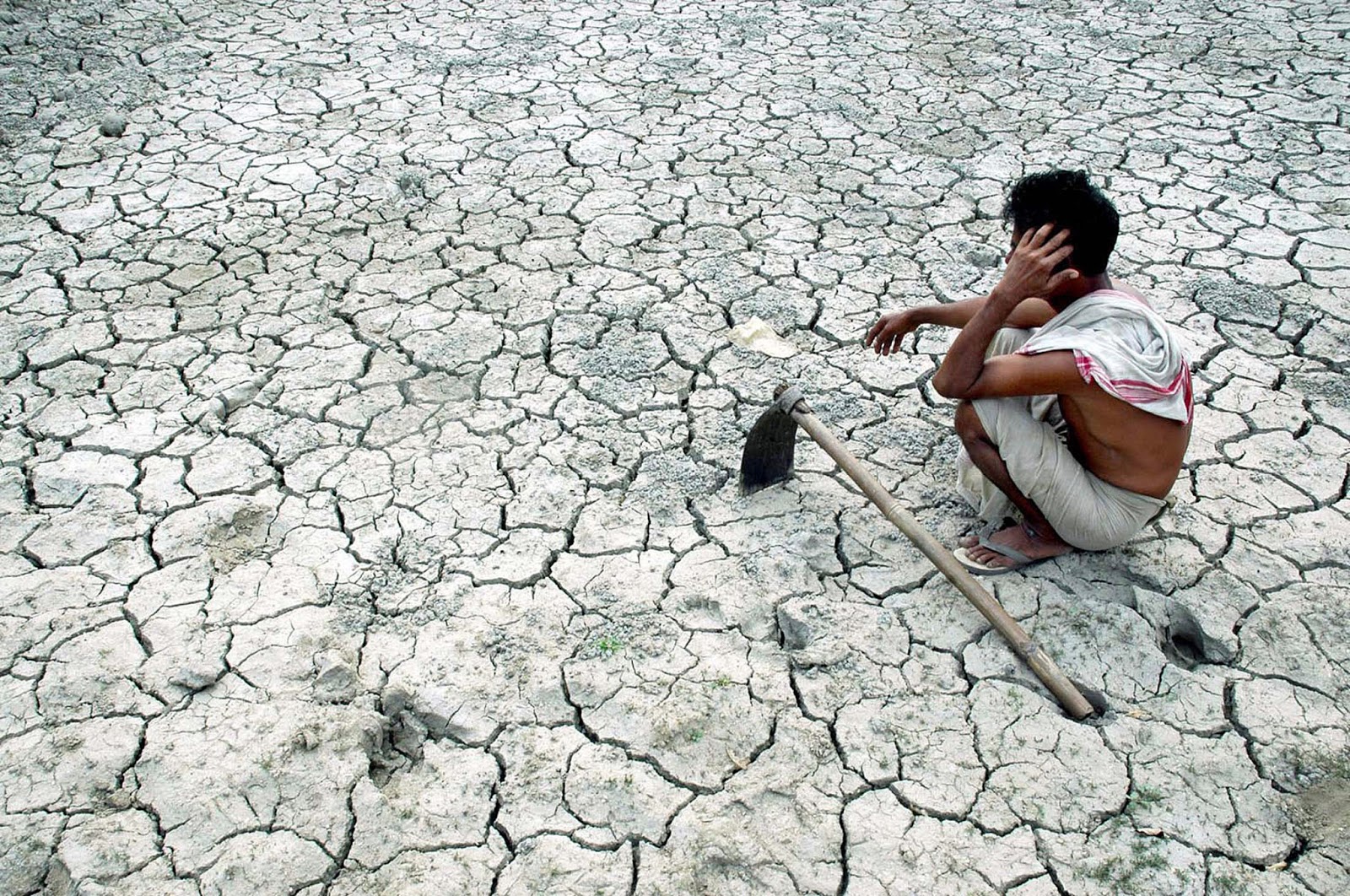
The fact that Karnataka, Kerala and Tamil Nadu are in the grip of a severe drought has somehow not received the national attention it deserves. Both the south-west and north-east monsoons have failed these States, raising fears of farm distress. Rabi acreage under rice, oilseeds, coarse grains, maize and pulses has fallen steeply in Karnataka and Tamil Nadu. The Kerala government expects a major drop in winter rice output, with over 7,000 hectares of farmland in Palakkad district and another 4,700 hectares in Thiruvananthapuram district being affected. Banana and coconut crops have suffered extensive damage. A 62 per cent deficit in the north-east monsoon in Tamil Nadu, the primary monsoon in the State, has led to its paddy acreage dropping by a third; this has prompted the State government to announce relief measures such as waiver of land tax, per acre compensation and more relaxed loan repayment terms. In Kerala, the north-east monsoon was short by 61 per cent, a double whammy after the 34 per cent deficit in the south-west monsoon. A similar situation applies to Karnataka, which has seen three consecutive deficit years. While the overall picture on the rabi front points to a 6 per cent increase in acreage, New Delhi should not lose sight of the contrary picture in the southern States, and its socio-economic impact.
We've unfortunately seen a familiar sequence of events unfold in recent times, of Congress-ruled Karnataka accusing the Centre of discriminating against it with respect to drought relief. A similar wrangle broke out between Punjab (where the Shiromani Akali Dal, an ally of the BJP, is in power) and New Delhi in 2015, when untimely rain and hailstorm ravaged the wheat crop. The larger issue here is the lack of institutionalised mechanisms to deal with crop loss, despite the Pradhan Mantri Fasal Bima Yojana (PMFBY) coming into force. The fact that less than a third of the affected area in Karnataka this year is covered by insurance (a pointer to inadequate financial inclusion, since the coverage is bundled with crop loans) tells us why political discretion plays such an important role in an agriculture crisis.
Crop insurance needs to be comprehensive in scope to address crises arising out of increasingly capricious weather. Apart from the PMFBY (which offers a 90 per cent subsidy on the premium to be shared equally by the Centre and States), the farmer should have a bouquet of private and public sector insurance products to choose from, just as an urban consumer does, covering a range of risks. Weather-based insurance can provide expedient, even if less than comprehensive, relief — whereas yield-based products wait for the results of crop-cutting experiments. Insurance for price and pesticide-related risks would find takers. To prevent fraudulent claims, a no-claim bonus can be introduced as well. For too long have farmers been at the mercy of the government machinery, even as industry and services have moved on.
Source - http://www.thehindubusinessline.com