NEWS
817
of 1225
News
28.12.2016

India - Builder pays the price for damage to crops caused due to flooding

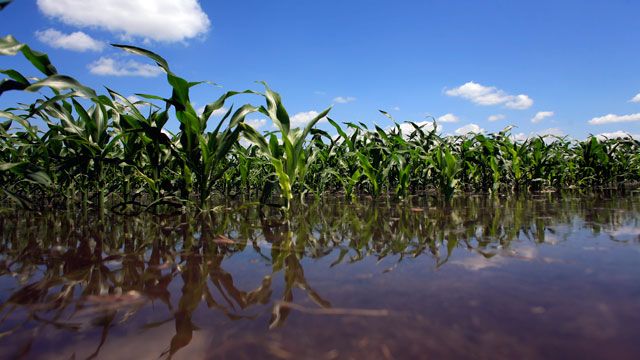
Ten farmers from Taleigao were surprised after a builder compensated them adequately for inundation of their fields with waste water resulting into crop loss, but the cultivators have urged panchayat to prevent such incidents in future. Water pumped out from a nearby construction site at Agrant, Taleigao (TOI report, December 18, 2016) disrupted their farming activities as the fields were rendered uncultivable due to release of pollutants. Recommended By Colombia Traditional farming families wait till late November or early December for the water to drain out to grow crops of sweet potatoes, chillies and vegetables, organically. But this season, a builder carrying out excavations for underground parking released huge quantities of water in their fields, sources said. "These farmers relying on their crops for their livelihood have received fair compensation," Xavier Almeida of Save Taleigao Front said. But the fields have not dried out as yet and farmers are not sure of growing any crops this season. "We will have to wait and see if fields dry up," a farmer said. The farmers and the Front members have appreciated Taleigao panchayat's intervention on the issue of flooding of Agrant fields. "But the builders should ideally carry out the civil works of underground parking in April-May when the water table recedes," Almeida said. A few projects have been proposed in the area and farmers are worried. They have written to the panchayat to ensure that the fields are not flooded with waste water. Source - http://timesofindia.indiatimes.com/

28.12.2016

India - General insurance sector sees 29% growth after note ban

Despite demonetisation, the general insurance industry saw 29% growth with premium collection of Rs 9162.81 crore for the month of November. Health was the most robust portfolio, ahead of motor and commercial lines with standalone insurers seeing 40% increase at Rs 401 crore. The general insurance sector, however, did not witness the stellar growth witnessed by life for the month of November. Post-demonetisation with more people wanting to shift to safer havens of investment, life insurers saw a six-fold increase year-over-year in premium collection to Rs 6,700 crore in November 2016-17. While general insurance saw brisk sales in health and motor, the notes ban seems to have left a dent in insuring crops and export products. Indian exports fell for 18 straight months till May 2016. However, between September and November there has been a slight growth. Exports in November grew 2.29% to $20 billion, but this did not reflect in higher sales for the Export Credit Guarantee Corporation of India (ECGC). Premiums fell 5% to Rs 103.24 crore on November 2016-17 from Rs 98.02 last fiscal. Sale of crop insurance also fell, with Agriculture Insurance Company of India Limited (AIC) seeing a 16% dip in premiums to Rs 193.55 crore from Rs 230.75 crore in the month of November. Recommended By Colombia On the back of increased business in motor and health, public-sector insurers saw premiums go up 19% to Rs 4,192.92 crore, while private insurers saw 45% year-over-year growth to Rs 4,277.26 crore last month. When it came to marketshare, November saw public-sector companies improve their overall marketshare to 47.63% from 46.56% the previous month. New India Assurance and United India Insurance in particular were aggressive and improved both their market share and premium collections. All the PSUs -- New India (14.90% from 14.68%), National Insurance (11.16% from 10.53%), United India (13% from 12.69%) increased their share -- except for Oriental Insurance, which saw its chunk of the pie go down to 8.57% from 8.67%. This November, premium growth improved at New India by 15% to Rs 1,234.02 crore, United India 41% to 1,217.91 crore and Oriental by 17% to Rs 683.42 crore. Only National Insurance reported nearly flat premium growth of Rs 1,057.57 crore this November, compared to Rs 1,002.34 crore last November. Leading private insurer ICICI Lombard saw its share in the pie go down to 8.88% in November from 9.23% in September. Bajaj Allianz also saw its share go down to 5.71% from 6.10%. Source - http://timesofindia.indiatimes.com

28.12.2016

Australia - Fire insurance: Companies could review ag policies following harvester blazes

GROWERS and contractor harvesters face insurance companies hiking up premiums or refusing to cover harvesters after a spate of header fires. That’s according to peak harvest contractor body Australian Custom Harvesters. Insurance Council of Australia spokesman Campbell Fuller said while “headers have a high risk of fire” damage, several insurers were still offering cover for harvest equipment. However, he said “a single insurer has signalled to brokers that it will no longer operate in the Australian agricultural market after April (next year)”. There have been at least four serious fires started by headers in Victoria this year, with increased harvesting of legumes such as lentils and chick peas, which are more flammable than cereal crops. In NSW, fire authorities have reported an increase in fire damage from header fires, including a fire at West Wyalong, which burnt 7000ha and caused $500,000 in crop losses. Research by the Grains Research and Development Corporation and Kondinin Group released last month found about 7 per cent of harvesters a year catch fire. In these cases, one in 10 will cause major damage to the machine or surrounding crop. Australian Custom Harvesters executive officer Trevor Verlin said his association has been working to reduce header fires, but he was worried by the insurance industry’s concern about the risks. “We do know fewer and fewer of the underwriters have been interested in taking on the risk of harvesters, as they do sometimes catch on fire,” he said. He was told by an insurance agent recently “there would not be an underwriter that would cover harvesters”. “This has the potential to have a significant impact on the ability to harvest the crop,” Mr Verlin said. “The grains industry is increasingly relying on professionals to come in and take off the crop quickly.” Grain Producers Australia chairman Andrew Weidemann, who was out fighting a fire started by a header last week, was working with industry to resolve the issue. Source - http://www.weeklytimesnow.com.au

27.12.2016

USA - Wheat farmers fret over failing market hedges as incomes slump

Kansas wheat farmer Michael Jordan is breaking with a century-old tradition grain producers have trusted to protect their businesses: He has stopped using futures to hedge risks to his crops. The CME Group’s Kansas City wheat contract sets grain prices for millers, exporters and other grain buyers both today and in the future. Traditionally, prices converge with the price of wheat sold in local cash markets. But Jordan and other U.S. farmers say they no longer trust this hedging tool, amid growing complaints among producers and grain elevators that the hard red winter (HRW) wheat contract is broken. The last three expiring contracts have gone off the board with wider-than-normal basis at their registered delivery locations, with cash prices 25 percent or more lower, according to exchange and cash market data. The Commodity Futures Trading Commission (CFTC) is “very aware of the problem” but has not made any promises about if or how the problem may be addressed, said Kansas Wheat Commission Chief Executive Justin Gilpin, who met with CFTC Chairman Timothy Massad in Kansas City in August. The exchange, too, knows there is an issue, but has been reticent to make any promises, said David Schemm, president of the National Association of Wheat Growers. The CFTC declined to comment on the matter to Reuters. CME spokesman Michael Shore told Reuters, “We continue to have discussions with a broad cross-section of customers in this market regarding their concerns,” but he declined to comment directly on the matter. SOWING UNCERTAINTY Futures contract problems have happened before. CME’s soft red winter wheat contract failed to converge for nine straight contract expirations beginning in 2008, before CME implemented a scheme known as variable storage rates (VSR) to force convergence. Among possible solutions being discussed for the HRW contract are a doubling of current storage rates or enacting a VSR scheme, Schemm said. The issue is sowing financial uncertainty throughout the agricultural economy, from grain elevators and wheat millers to crop insurers and farm banks. “This is turning a lot of storage hedges and new-crop forward contracts on their heads,” said Dan O’Brien, an agricultural economist with Kansas State University. Growers hedge risk via forward cash contracts with elevators, which take market positions to cover their own risk. They, in turn, are able to offer farmers competitive prices for future deliveries of grain. Crop insurance calculations are also askew as prices that set premiums and determine payouts, set by futures prices, are far different than actual cash prices. Schemm said that hurt his own farm. He missed out on a crop insurance payout of about $10,000 because the futures prices used to calculate his policy benefits did not reflect how far the cash market value of his grain had fallen. STORAGE WOES One key factor behind the contract problem, said Kansas State University agricultural economist Art Barnaby, is storage. The HRW contract sets monthly wheat storage costs at 6 and 9 cents per bushel. But elevators storing HRW wheat for these contracts – including ADM, Cargill, Marubeni Group’s Gavilon Grain – say the price tag for this storage should actually be valued much higher, Barnaby said. That’s because they do not want their storage capacity filled with grain they cannot sell. Meanwhile, massive global supplies of wheat are keeping cash prices low, especially in Kansas, where farmers harvested record-large yields this year. The lack of coming-together of futures and cash prices has left many farmers fearful this season. The loss of market protections, they say, threatens to heap further pain on farmers struggling with decade-low grain prices and net farm incomes at a seven-year low. Farmers have used futures for decades to hedge the financial risk of planting a crop by locking in prices for future grain sales. “The whole point of hedging is to protect yourself against price moves,” said Jordan, who planted 1,000 acres of hard red winter wheat this fall in north-central Kansas. “But instead, all this has done is increased the risk.” Source - http://www.hellenicshippingnews.com

27.12.2016

India - Notice to Centre, Haryana over crop insurance scheme

The much-publicized Pradhan Mantri Fasal Bima Yojana (PMFBY) has come under the scanner of the Punjab and Haryana high court, which on Friday issued notice to the Centre, Haryana and private insurance companies on a plea that the scheme was launched to benefit certain industrial houses. Directions have been sought to quash the PMFBY and the notifications issued by the Haryana government regarding its implementation in the state. According to petitioner, the private insurance companies have collected total amount of Rs 252.35 crore from farmers, state and central government, while their liability to pay farmers is limited to around Rs 20 crore only. They have alleged that the amount forcibly transferred from the accounts of farmers for insurance to companies was illegal and liable to be refunded along with interest to the farmers.A division bench headed by Justice S S Saron has taken cognizance of the matter after hearing a public interest petition filed by Gurnam Singh Chaduni , president of Bharatiya Kisan Union (BKU), Haryana, and a large number of farmers from the state.Those who have been asked to file reply on the issue includes Union agriculture secretary, Haryana agriculture secretary, managing directors of ICICI LOMBARD, GIC Ltd, Reliance General Insurance Company Ltd and Bajaj Allianz General Insurance Company Limited, and State Level Bankers Committee. They have been asked to file their reply by January 31, 2017.Petitioners told the court that on June 17, 2016, the state government had issued a notification regarding implementation of PMFBY in the state. As per the notification, kharif crops such as cotton, paddy, bajra and maize were considered while wheat, mustard, barley and gram were being considered among rabi crops to be covered under the scheme.The premium for each crop in each season has to be 2% for the kharif and 1.5% for rabi crop to be paid by the farmers and premium above this percentage is to be paid by the state and the central government.It was stated by the petitioners that without calling for the proposals from the farmers and the land record from the revenue department, and without following the instructions of the Reserve Bank of India , the banks have been deducting the amount of premium from the respective accounts of the farmers."Neither any consent for deduction of the amount of premium was taken from the farmers nor any proposal as mandated by the RBI was obtained nor land records were obtained or inspected. Even the farmers were not contacted or consulted. Source - http://timesofindia.indiatimes.com

27.12.2016

India - Crop loans to get 3% interest subsidy for 2 months

The Reserve Bank of India (RBI) has given an additional 60 days for prompt repayment incentive of 3 per cent interest subsidy to farmers who repay their crop loans due in November-December. Centre has been implementing the Interest Subvention Scheme since 2006-07. As per the scheme for the year 2016-17 besides subvention of 2 per cent per annum, an additional interest subvention of 3 per cent is also provided to prompt payee farmers from the date of disbursement of the crop loan. This subvention benefit does not accrue to those farmers who repay after one year of availing such loans. In view of the constraints faced by farmers for timely repayment of loan dues on account of withdrawal of legal tender status of old Rs 500/1,000, the RBI said the Government of India (GoI) has decided to provide the grace period. “It has been decided by the GoI to provide an additional grace period of 60 days for prompt repayment incentive of 3 per cent to those farmers whose crop loan dues are falling due between November 1 and December 31, 2016 if such farmers repay the same within 60 days from the above period,” the RBI said in a notification. Rural areas are still facing acute cash crunch following demonetisation of old high denomination notes from November 9 and subsequent limits on withdrawals. Queues have been witnessed at banks and ATMs all across the country. In a notification on November 21, the RBI had said loan accounts which will come under 60 days grace period will include running working capital accounts — OD/CC)/crop loans — with any bank with a sanctioned limit of Rs 1 crore or less and term loans, whether business or personal, secured or otherwise, the original sanctioned amount is Rs 1 crore or less, on the books of any bank or any NBFC, including NBFC Source - http://indianexpress.com

27.12.2016

Cambodia - Harvests destroyed in fire

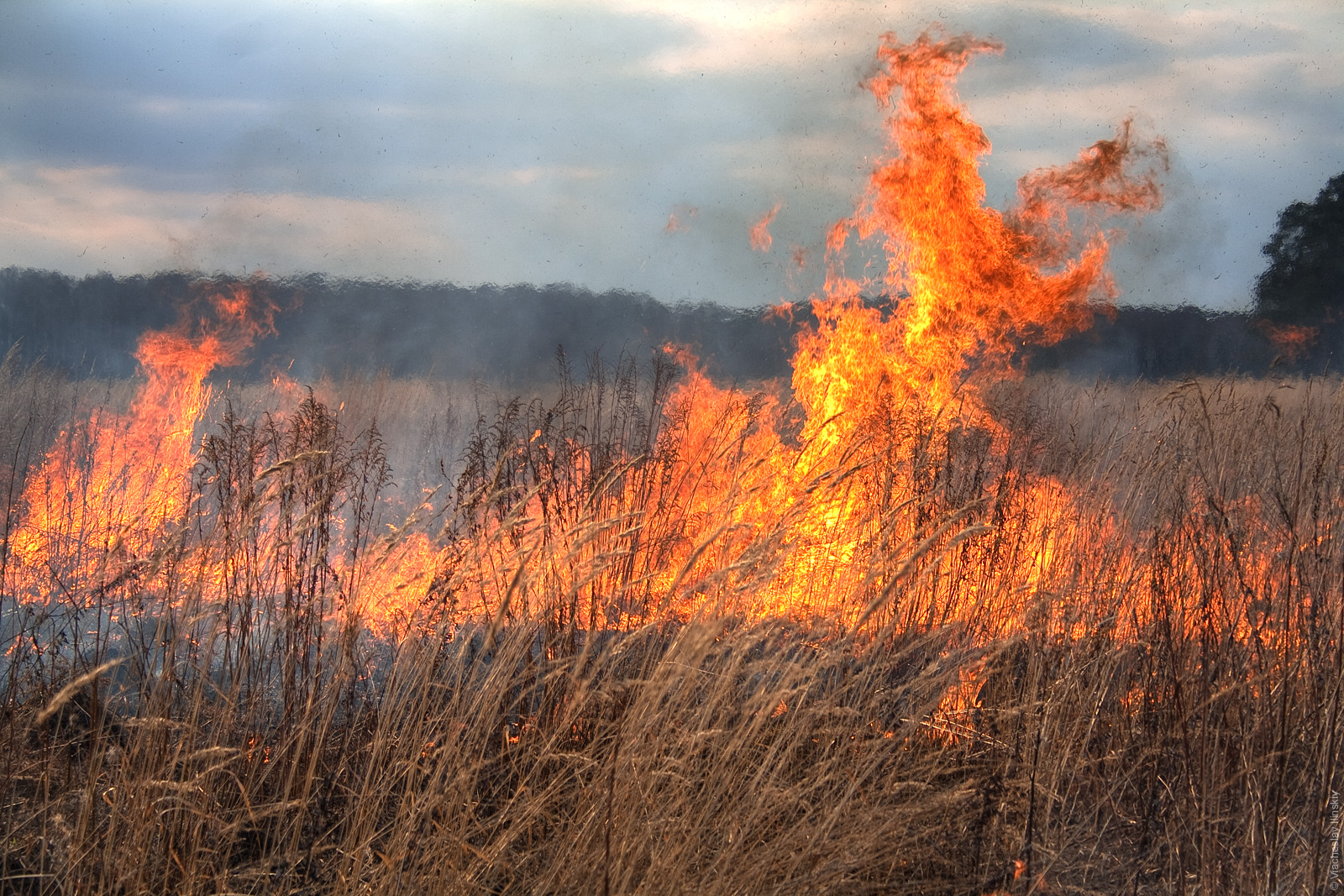
Seventeen hectares of rice fields were consumed by a blaze in Banteay Meanchey province’s O’Chrou district early on Sunday morning, leaving four families without their harvest, officials said. Changha commune deputy chief Hoeung Yok said local residents initially spotted smoke coming from a rice field that had been harvested in Sisophon town’s M’kak commune at about 8am. Two hours later, they noticed that the flames had spread to another rice field that had not yet been harvested in Changha, which borders M’kak, he said. “Luckily, there was a huge canal [near] the fire, so the fire did not spread. Otherwise, thousands of hectares of rice plantations that had not been harvested could have been burnt into ash,” Yok said. Banteay Meanchy provincial police chief Ath Khem said fire engines were not able to enter the area because it was too muddy, but that firefighters had extinguished the blaze within two hours of it starting. Khem said authorities will now investigate the cause of the fire. The 17 hectares that burned had belonged to four separate families. Yorn Yet, a 38-year-old whose family lost 10 of the 17 hectares, said he was renting six of those and now was left with nothing. “Last year, we had a drought and I had much hope for this year, but now it’s another loss,” Yet said. “At the moment, I want to cry, but I have no tears. What I can do is call for support from authorities and donors.” Seang Vanseth, the director of the provincial department of agriculture, said officials would visit the affected families to deliver food today. Source - http://www.phnompenhpost.com

27.12.2016

USA - Open crop insurance to more competition

The growth of the crop insurance program, while slow in the initial years after passage of the 1980 [Federal Crop Insurance] Act, began to grow geometrically in the mid-1990s, aided by increased subsidies which encouraged producers to insure at higher coverage levels and by an expansion of crop coverage and a widening of product choice including revenue insurance. By 2015, area insured under the program totaled almost 300 million acres accounting for over 85 percent of potentially insurable area and total liability (coverage in force) topped $100 billion. Crop insurance is viewed by many farmers and members of Congress as a key piece of the federal farm safety net. Unlike many other farm programs, crop insurance largely escaped cuts in the 2014 farm bill. Indeed, the 2014 legislation augmented coverage options available to farmers, adding revenue insurance for peanuts and supplementary coverage options for most row crops, resulting in a projected $5.7 billion increase in program costs. Crop insurance has not been without its critics however. The annual costs of the federal crop insurance program have grown significantly since 2000. Estimated annual costs are projected at $8.9 billion over FY 2016-25, making it the largest single farm program in the farm safety net. Delivery costs for the crop insurance program, including expense reimbursements and net underwriting gains paid to the private company for delivery, are projected to exceed $2.6 billion annually. That means that for every $1 in total government outlays, about 71 cents goes to producers, with the rest going to the companies. Historically, that number has been even higher. Over the period 2000-15, companies received almost 45 cents out of every dollar spent on federal crop insurance. Critics point out that delivery costs have increased significantly over the past 15 years, particularly agent commissions. The crop insurance industry has defended those costs, arguing that expenses have outstripped reimbursements and that profitability measures in the crop insurance industry lag comparable measures faced by other Property & Casualty (P&C) lines of insurance. The regulatory structure outlining the economic relationship between the federal government and private insurance companies is laid out in the Standard Reinsurance Agreement (SRA), an annual contract that spells out the responsibilities of both parties. The SRA determines compensation for the companies through expense reimbursement and risk-sharing provisions for crop insurance liabilities. Provisions of the SRA have not changed since the 2011 SRA was negotiated in 2010. Congress included provisions in the 2014 farm bill that specified that any changes in the SRA were to be budget neutral with respect to underwriting gains and administrative and operating costs. … Delivery costs have been a visible target for reduction in the past because of what has been viewed as an inefficient and oftentimes obscure system of expense reimbursements and gain sharing through the SRA. An opposing view by crop insurance companies and insurance agents argues that the delivery system has taken large cuts in the past and cannot afford to continue to absorb large cuts in the future. This paper offers the view that the correct answer can be best determined by opening up the delivery system to more competition and to allow “fair” compensation to be set by the market rather than federal regulators. Allowing companies to compete on price will ensure that companies have incentives to deliver insurance at costs reflecting their true marginal costs. The beneficiaries will be producers and taxpayers rather than other entities who may currently benefit from wasteful economic rents. Source - http://www.illinoisfarmertoday.com

26.12.2016

USA - Radical Change Urged For California’s Flood Risk Insurance

States and worldwide, flooding is the deadliest and most costly natural disaster. The U.S. National Flood Insurance Program (NFIP) is an imperfect framework for reducing flood losses, but currently the best we’ve got. The NFIP is scheduled for Congressional reauthorization in 2017, and this debate promises to be lively. The Natural Hazards Research and Mitigation Group at University of California, Davis has been analyzing NFIPdatabases, examining patterns over the history of the program and focusing on flood losses and insurance, particularly in California. Over the history of the NFIP, the state is one of a few that have – through dry years and wet – received only a fraction of payments from the program compared with the premiums it has paid in. Since 1994, NFIP damage payouts in California have totaled just 14 percent of premiums collected (compared with 560 percent for the biggest recipient state, Mississippi). For California, this imbalance exceeds $3 billion over 21 years – funds that could have been invested in risk reduction, floodplain management and reduced premiums. California has unparalleled expertise and a culture of progressive solutions for managing its flood risk; the state also has unique needs and intense pressures looking forward. With the NFIP facing an uncertain future – more than $20 billion in debt, and with a challenging Congressional reauthorization discussion looming in 2017 – we recommend a careful look at California’s place in the NFIP. In particular, the state should now explore its own flood insurance program, with savings invested in long-term risk reduction. Properly implemented, a state-based insurance program and proactive flood mitigation strategies could through synergy benefit the environment, agriculture, recreation and water resources. This approach has major challenges, with implications for California and nationwide that should be explored. Background The NFIP was established in 1968 to curtail development on U.S.floodplains and along our coasts. Previously, homes and businesses were being built on flood-prone land almost without restraint. Flood damages were multiplying out of control, and private insurers had stopped offering flood coverage to homeowners and all but the largest businesses. As disastrous floods struck through the 1950s and 1960s, victims had nowhere to turn but the federal government, and U.S. taxpayers saw spiraling payouts for disaster relief. The NFIP established a grand compromise: if communities passed ordinances to limit new construction on floodplains and coastlines (and other activities worsening flood damage), then the federal government would help provide flood insurance in those communities. Today the NFIP underwrites more than 5 million policies, providing more than $1.25 trillion in coverage, taking in more than $3.5billion a year in premiums. The program has limited but not halted floodplain development. Yet flood losses have continued to climb, and the NFIP is now more than $20 billion in debt. We examined nationwide databases of NFIP flood-damage claims dating back to 1972, annual policies since 1994 and records of properties with multiple payouts (what the Federal Emergency Management Agency terms “severe repetitive loss.” These data include property characteristics, insurance claims and the nature of flood losses. Some attributes were stripped from the databases to maintain policyholder anonymity. We combined NFIP data with other GIS (Geographic Information Systems) data, such as income and social vulnerability, to examine affordability and equity of NFIP coverage. California, Flood Risk and the NFIP Despite more than a century of investment in controlling flood threats – including $11 billion in flood management projects over the past decade – California still has massive flood-risk exposure, according to the Department of Water Resources. Statewide, roughly 7 million people are at risk from flooding with a threat to $580 billion of buildings, public infrastructure and crops. Of 81 major disaster declarations in the state since 1954, 45 involved flooding. The Central Valley is the most flood-prone area of the state, a threat addressed during the past 100 years by the construction of levees, bypass channels and upstream dams. In recent decades, developers and local officials have engaged in a tug-of-war with floodplain managers and flood-risk researchers, with local interests promoting new development on California’s floodplains behind levees, some of them strengthened and providing high levels of protection (others less). However, no levee provides complete protection – “There are two kinds of levees … [t]hose that have failed and those that will fail” (Martindale and Osman, 2010). Levee projects accompanied by additional floodplain development often increase total risk and flood liability. To counterbalance this threat, California has 290,000 NFIP policies in force, covering nearly $82.6 billion of insured assets, and generating $212.8million in annual premiums (data to Oct. 31, 2016). These totals include residential, commercial and some government properties on river floodplains and along coastlines. The NFIP also insures properties outside mapped flood-hazard zones, roughly one-third of all policies nationwide. The U.C. Davis analysis of the NFIP data is ongoing, and interesting patterns are emerging in the California data and the full U.S. dataset. Two conclusions have jumped out of the analyses completed to date that seem timely and pertinent to state and federal policy discussions. Ratios of claim payments to policy premiums in 1994–2014, by state (in 2015 dollars). (California Water Blog) Repetitive Losses Thirty years after the establishment of the NFIP, the Higher Ground report (National Wildlife Federation, 1998) singled out a problem – a small number of “repetitive loss” properties were receiving repeated insurance payouts, accounting for a disproportionate share of all NFIP outlays. At that time, just 2 percent of all insured properties drew 40 percent of all disaster payments. One property in Houston received 16 payouts totaling $806,591 – more than seven times the structure’s value. Our U.C. Davis research group, working with the Natural Resources Defense Council (NRDC), also looked at repetitive flood-loss properties. New FEMAdata show that 30,369 properties (0.58 percent of NFIP policies) – designated “Severe Repetitive Loss” (SRL) properties – are responsible for 10.56 percent of all claims. (Our request to FEMA for its broader “Repetitive Loss” [RL] database is currently pending.) Current SRL properties include structures that have each been the subject of up to 40 flood-damage claims. One house in Alabama, valued at $153,000, has received $2.25million in NFIP payouts – more than double the highest ratio in 1998 (the Houston property discussed above). The NRDC has proposed incentives to remove repetitive-loss properties from the NFIP insurance and the nation’s floodplains. Hayat and Moore (2015) propose that “property owners should agree in advance not to rebuild following floods that cause substantial damage and, instead, to accept a government buyout of their property and relocate. In exchange, they would receive a discount on their federal flood insurance coverage.” We are now working to identify communities with repeated flood damages, high densities of designated SRL properties and high socioeconomic need. Implemented carefully, such proposals could reduce the most burdensome flood-loss properties, while improving insurance affordability and transitioning low-income residents off the floodplain. Of the more than 30,000 SRL properties nationwide, 393 are in California. At the top of the list, Louisiana has 7,223 such properties and Texas 4,889. Nonetheless, the California SRL properties amount to $56.7 million in cumulative payments. More detailed examination suggests there are local issues in California – Sonoma County ranks 20th among communities nationally for the largest number of SRL claims (977) and 25th for total SRLpayments ($27 million). California leads the nation in many metrics of flood protection and resilience, but local problem areas may require additional guidance, resources and/or oversight. NFIP Net Payers and Net Recipients Flood insurance requires that many participants pay into the program in any given year so a few may draw funds in times of extreme need. Health, auto and home insurance, too, may include low-risk participants who persistently pay into the program pooled with higher-risk participants. These variations are sometimes addressed by setting premiums proportionate to estimated risk, but sometimes the risk factors are too difficult to quantify or are simply accepted as a subsidy to some in the insurance pool. The NFIP is rife with subsidies, such as low “grandfathered” premiums for homes built in floodplain and coastal flood zones before the start of the program or repetitive-loss structures that resist attempts to mitigate or relocate off the floodplain. Our analyses of NFIP historical policy and claims data suggest that such imbalances and subsidies also exist at a state-to-state scale, and should be examined carefully. The U.C. Davis analysis examined NFIP claims and premiums data between 1994 and 2014. Calculated as ratios of total premiums paid to total claims, some U.S. states emerged as long-term recipients of NFIP funds and other states as long-term payers into the program. Over these 21 years, Mississippi policyholders paid 18 cents per dollar of flood insurance payouts, whereas Wyoming policyholders paid $32 in premiums for every $1 in claims. Implications A major policy question is whether “net payer” states have just been lucky (having avoided major floods in the last 21 years). Or has flood risk in these areas been overestimated or successfully managed or reduced, so that these states subsidize the larger insurance pool? Several mechanisms could explain why some U.S. states may have better managed flood risk. These are the subject of ongoing research. If verified, these states may want to look to remedies that credit their investments, attention, enforcement and/or more diligent stewardship of their floodplains and coastlines. However, the penalty for getting the above question wrong may be severe. Preliminary analyses suggest that California consistently pays more into the NFIP than is justified by historical damage claims. Since 1994, the program’s damage payouts in California total just 14 percent of premiums collected. The three most damaging flood years in NFIP history have all occurred since 1994, and yet only the worst year of California flooding (1995) has cumulative NFIP payouts exceeding premiums collected statewide, and then only slightly ($1.35 in claims per $1 of premiums). Furthermore, a community-scale analysis of payout/premium patterns shows that only 18 of California’s 538 jurisdictions had cumulative NFIPpayouts exceeding premiums collected in that area. And 119 jurisdictions, or 22 percent of California’s total, paid NFIP premiums over the full duration of study, but had zero payouts. One region – the Central Valley – has been particularly outspoken about perceived unfairness in costs and restrictions imposed by the NFIP (for example, Government Accountability Office, 2014). Although we do not accept all claims of “floodplain exceptionalism” suggested by some Central Valley residents and growers, initial analyses suggest high NFIP premiums relative to historical claims – payouts are just 9 percent of cumulative Central Valley premiums. More detailed analyses of agricultural structures and flood losses are needed. Policy Recommendation California should explore a state flood insurance program, with potential savings invested in long-term risk reduction. Current federal law requires that home and business owners with federally backed mortgages must carry flood insurance. However, this mandatory insurance need not be through the NFIP. In the past two to three years, more private insurers have selectively offered flood coverage. There is broad interest in privatization of flood insurance, including pending federal legislation (H.R. 2901 and S. 1679), but concern exists from floodplain and flood-risk experts that privatization will reduce FEMAfunding for floodplain mapping and mitigation activities. Perhaps more concerning is that private insurers will “cherry-pick” flood policies now overpriced by the NFIP and leave the program as the insurer-of-last-resort, holding only grandfathered, repetitive-loss and other “actuarial dogs” imposed by legislative mandate. This outcome would overwhelm the NFIPwith unsustainable debt. Rather than relying on privatization to solve its flood insurance inequities, California should move quickly to stake its place in this arena. This recommendation was earlier made by California’s Department of Water Resources in 2005: “Examine existing flood insurance requirements and consider the creation of a ‘California Flood Insurance Fund,’ … to compensate property owners for flood damage.” California should consider acting before private interests make state action untenable. Interesting public-private solutions are possible, such as partnering with private reinsurers to hedge the risk from low-probability, high-magnitude catastrophic floods. Many services funded by the NFIP, such as flood-hazard modeling and mapping, are being done across California using tools half-a-century ahead of FEMA-funded contractors. California also leads the country in implementing flood mitigation measures, such as bypass channels and levee setbacks, that simultaneously reduce flood risk for surrounding areas, enhance riparian and wetland habitats, promote agriculture, provide recreation and support groundwater recharge. In implementing its own flood insurance program, California would be in a position to address many of the shortcomings of the NFIP, remedying important issues like repetitive-loss properties, residual risk behind levees and sovereign liability for flood damages. California is in a position to do what it does best – not follow the nation, but lead. The state has the expertise, and the need, to set new precedents in sustainable flood-risk management. Source - https://www.newsdeeply.com

26.12.2016

India - Note ban adds to cotton farmers' misery in AP and Telangana

Crop losses, mounting debts and a spate of pest attacks apart, the cotton farmers of Telangana and Andhra Pradesh now have to deal with the demon of demonetisation as well. "The note ban has been a worse epidemic than the white fly or pink bollworm for cotton farmers," says Konda Surekha, a former minister from Warangal, one of the most prominent cotton-growing areas in Telangana. These farmers are sour that Prime Minister Narendra Modi had picked a wrong time for banning big currency notes — the harvest period of the Kharif season for cash crops like tobacco, tomato, groundnut, sugarcane and cotton. Now prices have fallen by 20 to 30 percent and they are unable to clear loans due to the ushering-in of the cashless regime in agricultural markets. "My cotton stock withered at the market yard as traders said they had no cash to pay and offered cheques," said Jagarlamudi Anil Babu, a cotton farmer of Prakasam district. Farmers say that banks would rather adjust cheques towards loans and interest than disburse cash. A variety of issues abound for the cotton and textile industry like the non-implementation of the promised loan waiver, the delay in institutional credit and fall in global demand. Cotton farmers in five districts of Telangana and six districts of AP are wringing hands in distress as cotton prices crashed to Rs 4,100 per quintal from Rs 5,600 per quintal in the pre-demonetisation period. “Adding to our woes, the traders are asking us to accept payments in cheques or scrapped notes of Rs 500 and Rs 1,000,” says a cotton grower from Inkollur in coastal Andhra who deferred cotton-plucking for a week due to demonetisation. Representational image of a cotton farmer in Warangal. AFP The RBI decision to allow scrapped notes circulation among farmers in marketing their produce and also purchase of seeds and fertilisers has given them temporary relief, but Telangana’s farmers say that Modi should have chosen mid-January to February for demonetisation. A cascading impact is evident from the distress on cotton farmers — weddings, house warming functions and thread ceremonies are either low-key affairs or deferred. Besides cotton, the tobacco industry is dominated by 70 percent cash transactions in the vicious circle of growers, lenders, commission agents and exporters. Andhra Pradesh and Telangana contribute to one-third of the country’s cotton trade. Chirala in Guntur and Siricilla in Karimangar are popular for their handloom and lungi markets and concentration of looms – they are considered the biggest in Asia for exports to Sri Lanka and Bangladesh. According to the US-based International Cotton Advisory Committee (ICAC) the currency crunch in India has created shortages in domestic textile market and also hit exports to global markets. Cotton exports from Australia, Mali, Burkina Faso and the US could fill up the gap caused by Indian cotton in 2016-17. The ICAC report also blamed the note ban as an ‘untimely move’ detrimental to the Indian cotton market, which could have a domino effect for the next two years. Officially 21 cotton farmers had committed suicide in 2016 from June to December. Unofficially though, 61 farmers have committed suicide since June and 12 more in the months of November and December. Since its birth as a new state in June 2014, Telangana has recorded 1,269 suicides. The Hyderabad-based Centre for Sustainable Agriculture (CSA), estimates farmer suicides in Andhra Pradesh in the past 20 years (1995-2014) at 38,000. Lack of access to institutional credit and low crop insurance add to farmers' woes. “Besides, in anticipation of loan waivers, a large number of farmers did not repay loans last year, and banks have refused loans this year,” points out GV Ramanjeyulu, executive director of CSA. “They take up crops in Kharif with high interest loans and high expectations to wipe off old dues but often end up adding to their debts and consequent suicides,” says K Changal Reddy, a farmers’ representative.  Local common sense In many parts of Telangana and Andhra the crisis has been tackled with local common sense. “Farmers are deferring payments to daily wagers but pay partly in the form of rice and also stood guarantee to small loans taken by them in the local grocery shops,” says Palaparthi Srinivasa Rao, a cotton farmer of Srikakulam. Traders linked payments to fertilisers and seed suppliers for the benefit of farmers. “We also tied up with lorry operators and hotels to pay their dues from the amounts due to them,” says Gopalakrishnaiah, a cotton exporter in Guntur market. Kuvulu Rythu Sangam (Andhra Pradesh Tenant Farmers’ Association) state secretary N Ranga Rao says that for the Kharif crop season, farmers needed Rs 3,200 crores to take up harvesting in about 40 lakh acres. Another Rs 2,400 crores is needed for the Rabi season. “Since private money lenders also do not have valid currencies now, we depend on government to release crop loans early,” he said. The monthly report of the Cotton Corporation of India (CCI) said the cotton market in Andhra Pradesh, one of the major producers in the country, has plunged into a deep crisis in the aftermath of demonetisation, as trade and export transactions have almost come to a halt and cotton prices have slumped by Rs 1,000 per quintal from Rs 5,000 to Rs 4,100 in just 40 days. Though the CCI has opened over 40 purchasing centres and offered cash payments in Rs 2,000 notes, the farmers are unwilling to sell and choose to suffer rather than sell at the current prices. Arrears in loan waiver payments Although both Andhra and Telangana government announced farm loans waiver as a poll promise, they have been paying dues to banks in installments. Telangana government had pegged arrears at around Rs 18,000 crores and Andhra had reduced the burden to Rs 36,000 crores. Banks were advised to issue new crop loans with the promise that loans as of June 2013 would be borne by the government. However, the RBI had opposed the bulk farm loan waiver initiative of both the states and advised banks to release only crop loans in a guarded manner and ensure that until clearance of arrears, farmers’ slates would not be cleaned. As a result, banks refuse to give fresh loans until old loans are either paid by the farmer or by the state government. As a result, farmers had to take up farming with savings and loans from private money lenders. “My money lender wants cash and not cheque,” says Bharatakka, a cotton farmer of Ibrahimpatnam in Nalgonda district. Cotton crop grown in Andhra is sent to the ginning mills of Guntur district which supply cotton to textile mills in Maharashtra, Tamil Nadu, Gujarat and Karnataka. According to market sources, almost 70-80 percent of transactions have come to a halt and the market has been hit hard. This has meant the denial of wages to over two lakh people engaged in cotton trading, spinning, ginning and harvesting activities in the state. In Telangana too, the situation is similar. Traders are offering farmers sops now to get them to sell their cotton and accept cheques — trips to Mumbai, Shirdi and Tirupati are being offered. “If we deposit the cheques in the banks, the bankers will adjust it against loans and interest and the government will not reimburse it,” said Muthyala Reddy of Warangal. “Cotton trade is always cash and carry activity and bank operations are hardly 10-15 percent. If we offer to pay online or through cards, our suppliers of seeds and fertilises will just reject,” says a cotton farmer, K Samaiah at Enumamula market yard in Warangal. “The ceiling on withdrawals had also made us delay payments. The government cap on withdrawal at Rs 24,000 per week has sandwiched the farmers,” says Phani Raj, a cotton trader at Chilakaluripeta. Continuing trouble for cotton The cotton crisis since 2014 in Telangana and Andhra Pradesh had led farmers to shift to other crops due to delay in institutional credit and an unending wait for farm loan waivers. The total area under cotton declined by 12 percent to 10.5 million hectares this year against 11.88 million hectares in 2015-16. In 2015 and in early 2016 the crop was hit by the white fly and pink bollworm leading to 30 percent drop in yields. “We are asking the farmers not to use non-Bt cotton seed as refuge crop and reduce area under cotton,” says K Dhananjaya Reddy, commissioner for agriculture (Andhra Pradesh). Source - http://www.firstpost.com

26.12.2016

India - Dry delta stares at 79K acre crop loss

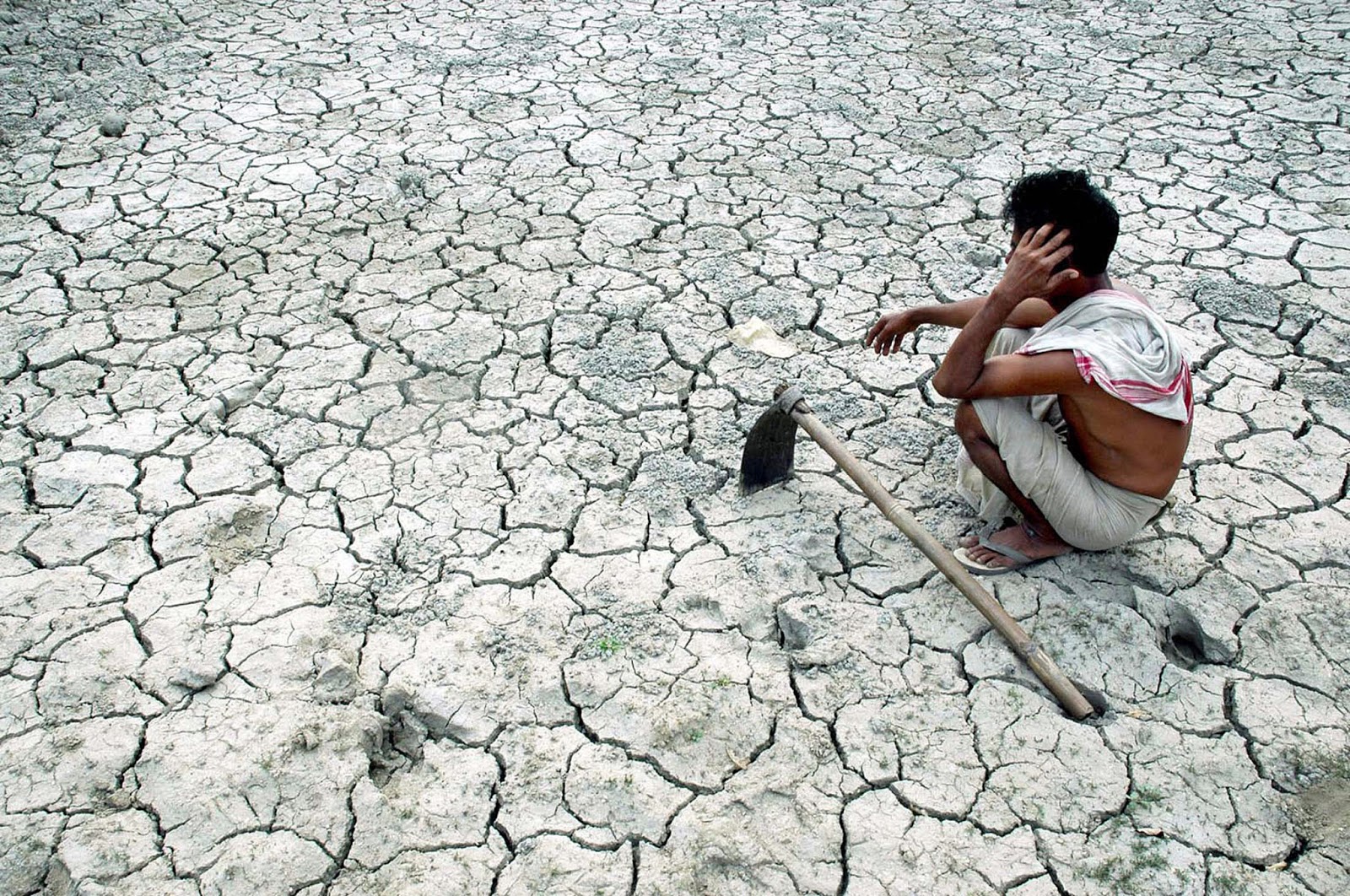
With hopes of Cauvery water drying up and northeast monsoon playing truant, samba crops in around 79,000 acres in the district are in various stages of wilting, official sources said. The samba and thalady crops were cultivated in only 2,60,000 acres in the district — a marked difference from the usual crop coverage of 3,30,000 acres — due to the non-release of Cauvery water from Karnataka as per the final award of the Cauvery Water Disputes Tribunal (CWDT). The Mettur dam was opened only on September 20, 100 days behind its June 12 schedule. Hence the farmers did not show interest in raising the samba crops, which led to a fall in the  area under crop coverage. Besides the precarious storage level, the northeast monsoon also failed them. Instead of the normal rainfall of 535 mm during the North East monsoon season, which commences on October 1, the district received only 183 mm rainfall till December 25. In effect, the district received only 34 per cent of the normal rainfall during this monsoon, while the deficit was a whopping 66 per cent. All these factors had a bearing on the standing samba crop, which was dependent only on canal water and monsoon bounty. The farmers with no sources of ground water irrigation are struggling to save the crop by spraying potassium chloride solution (KCl), which would deter evapotranspiration of moisture from the crop. The Tamil Nadu Agriculture University is also expected to supply Pink-Pigmented Facultative Methylobacterium (PPFM), which could be sprayed on the stressed crops to mitigate the drought, the officials said. “So far, around 1,500 acres of the 79,000 acres have been covered with the spraying of these solutions,”  an official of the Agriculture Department said. Despite these efforts, the farmers and officials voiced concerns that the yield would go down drastically. Senior Agro Technologists Forum’s Thanjavur chapter president P Kalaivanan said in the present condition, the samba crop cultivated using ground water from borewells in the Cauvery and Grand Anaicut irrigated area could survive. In Vennaru irrigated area, except Ammapettai, Valangaiman and Needamangalam blocks, even the samba crop raised using ground water are in a stressed condition. Source - http://www.newindianexpress.com

26.12.2016

Ireland - Healy calls for crop loss rescue package

IFA president Joe Healy said that the scale of crop losses experienced by individual growers in a number of counties, including Cork, Kerry, Galway, Roscommon, Longford, Mayo and Donegal, this harvest means some farm families are facing the prospect of no income and significant debt arising from this year’s harvest – a situation from which they will not recover unless support is forthcoming. ‘A comprehensive survey of the farmers affected by dire weather this year, carried out by IFA, in consultation with Teagasc and the grain trade, indicates that that individual growers experienced crop losses running from 25% to close on 50%, with straw loss averaging about 50%,’ said Mr Healy. ‘We have some individual cases with significantly higher losses.’ He insisted to a meeting of the Joint Oireachtas Committee on Agriculture: ‘It is critical that an aid package is secured and put in place for these growers as a matter of urgency, given the dire financial situation that many of them find themselves in, through no fault of their own’ The IFA president pointed to recent Teagasc outlook figures, which show the average net margin on tillage farms in 2016 was minus €130 per hectare, while the bottom third of tillage farms are earning a market-based net margin, of minus €440 per hectare. IFA’s proposal is that the Government provides direct funding support to farmers who have been affected by severe crop loss during 2016. This could be provided with direct compensation payments of up to €15,000, reflected in the State Aid De Minimis ceiling. Joe Healy said that the severe income drop on tillage farms this year is due to a combination of factors, including reduced production for 2016, reduced oilseed and protein crop yields, lower grain and protein prices, reducing Basic Payments and higher input and working capital costs. He said that, in order to secure the future of the tillage sector at large, it is vital that action is taken to implement the IFA proposals, which he presented to the Minister for Agriculture, Food and the Marine Michael Creed at the National Tillage Forum.

26.12.2016

India - Banks warned against adjusting crop insurance to farm loans

Dharwad district minister Vinay Kulkarni asked banks not to adjust the money released for faremrs under crop insurance schemes and Mahatma Gandhi National Rural Employment Guarantee Act (MNREGA) schemes to their loan accounts. Recommended By Colombia Speaking at a meeting convened to review the drought situation here on Friday, Kulkarni said farmers are in trouble due to severe drought. Under such situation, bank officials should not credit the crop insurance or MNREGA wages to the loan accounts. The minister also instructed the officials of the gram panchayats and agriculture department to lodge complaint against banks, if any, are indulging in such activities. Kulkarni said there is no need to submit crop attestation certificates by farmers to avail the benefits of crop insurance and a self attested declaration is enough. He also asked gram panchayat officials to encourage farmers to avail the benefits of the crop insurance schemes as it will provide monetary relief to them whenever there is crop loss on account of drought or flood. The minister reviewed the progress of relief works being taken up in the district. He told panchayat development officers to ensure sufficient supply of fodder and water to the cattle. This apart, take steps to recharge existing borewells instead of digging new ones. He also asked additional deputy commissioner Ibrahim Maigur to contact the Infosys Foundation and request them to supply fodder free of cost to farmers like they did last year. Source - http://timesofindia.indiatimes.com

26.12.2016

India - Semi-drought condition threatens crop loss in Pir Panchal

The farmers in the twin districts of Rajouri and Poonch are highly worried by semi-drought condition due to prolonged dry spell prevailing in the Pir Panchal region. According to the farmers there has been no rain in the last four months. “The wheat has not grown out of soil even as December is nearing its end,” the farmers said. Details collected from different areas by Greater Kashmir revealed that the farmers are tense fearing a complete crop loss in this season due to shortage of rain. "Presently season is of wheat crop. In most of the areas of Rajouri and Poonch, farmers grow wheat. “Generally the wheat is sown is last week of October and first two weeks of November but this time around the situation has changed completely due to severe scarcity of rains,” the farmers said. "In last four months there is no rain and all agricultural fields are dry," the farmers said adding that due to lack of rains, there is almost zero moisture in soil which has reduced agricultural productivity to minimal level. "Not only wheat, people even grow several vegetables for personal use and market sale which also need water but lack of rains has even affected this badly," the farmers said. They said if it rains in next one week it can bring some respite for farmers as it will not only end dry season but will also facilitate partial growth of wheat crop in fields. Meanwhile, beside farmers, some locals termed this dry season as prolonged one saying that they have not witnessed such a dry season in last two decades. "In my 71 years of age, I have witnessed such dry season only six to seven times and previous such prolong dry season was two decades ago," Kousahlya Devi said. She said that generally in November, rainfall for two or three times ensures end to dry season which lasts in October month but this year the situation is moving towards drought. To mention, Rajouri and Poonch districts have not witnessed any rains in last four months which has prolonged dry season in the area putting people, especially the farming community, in trouble. Source - http://www.greaterkashmir.com

23.12.2016

India - State seeks Rs 5,064-crore relief from Centre to tide over crop loss

Karnataka on Thursday demanded a Rs 5,064-crore relief package to offset the crop loss due to drought in most parts of the state and excess rain in three districts. Karnataka Revenue Minister Kagodu Thimmappa and Agriculture Minister Krishna Byre Gowda met Home Minister Rajnath Singh and submitted a memorandum seeking a Rs 4,702-crore relief package for loss of kharif crop this season. The ministers also sought Rs 362 crore in Central relief to help farmers whose crops were affected due to excess rain in Bidar, Kalaburagi and Yadgir districts. Gowda said farmers in Karnataka did not face any difficulty in sowing for the rabi crop in the aftermath of demonetisation. However, farmers were unable to sell their kharif produce in wholesale markets due to poor demand. “Trade transactions have fallen by about 30-35%,” Gowda told reporters here. He said transport activities have slowed down due to cash shortage after demonetisation which has affected supply of vegetables to neighbouring states such as Maharashtra and Goa. Gowda said the state government has asked Nafed to intensify purchase of tur dal and copra at minimum support price after prices nosedived due to excess availability of the crop. Karnataka has been facing severe drought for the past six years. The drought in 2016-17 was the worst in 40 years. The state has declared 139 taluks out of 176 as drought-hit. Source - http://www.deccanherald.com

23.12.2016

India - Soybean farmers to be compensated for crop loss

Chief Minister Raman Singh on Thursday assured a delegation of soyabean farmers from Kaampa village in Bodla Developmental block and Gaangibahar village in Lohara Development block of Kabirdham district that adequate compensation would be paid to them for the losses incurred due to unseasonal rains. Singh was talking to a delegation at the weekly 'Jandarshan programme' at his official residence here. The farmers informed the Chief Minister that they incurred heavy losses due to unseasonal rains. The Kaampa farmers stated  that they suffered heavy losses last year but the compensation had not been paid till date. Singh directed the Kabirdham  District Collector to look into the matter promptly and settle the compensation amount soon. Parliamentary Secretary Motiram Chandrawanshi was also present. A delegation of villagers from Mohatra in district Balodabazar-Batapara complained to the Chief Minister that there had been several irregularities in laying of roads to the cremation grounds under the Mahatma Gandhi National Rural Employment Guarantee Scheme (MGNREGA). Singh called upon the District Collector to inquire into the matter expeditiously. A farmers' delegation from village panchayat Peedapal Development block Makdi in  Kondagaon district in their memorandum requested the Chief Minister to provide irrigation pumps and electricity connection to the depressed classes farmers under the Sahakambari Yojana. Singh assured the farmers that he will consider the matter with sympathy. He directed the Kondagaon District Collector to provide solar energy based irrigation pumps to all the farmers. A delegation led by Beergaon Municipal Corporation Corporator Sudan Santosh Sikli in a memorandum complained that water tap connections had  been provided at Banjari Nagar under the Bagirathi 'Nal-Jal Yojana' three years ago. But still there is no supply of water in the ward. The municipal authorities had been collecting water tax without providing any facility. Singh assured the delegation that justice will be done to them soon. He directed the Municipal Commissioner to settle the dispute as early as possible. The Chief Minister also provided financial assistance to the needy eleven critical patients instantly from the Sanjeevni Trust. Twelve patients were referred the Raipur Hospital. He sanctioned developmental works worth Rs 12 lakh on the request of villagers and people's representatives. A delegation from Dhamtari  in a memorandum complained to Singh that several chit fund companies used them as medium and collected huge amounts from the innocent villagers and then disappeared. The delegation requested the Chief Minister to sanction the auction of properties of the fraudsters and settle the matter. Dhamtari District Collector was instructed to look into the matter. Source - http://www.dailypioneer.com

817
of 1225