NEWS
818
of 1225
News
23.12.2016

South Africa - Focusing on soil fertility, form of farming insurance says Advanced Agri

Farming insurance is a vital investment for farmers and goes a long way in ensuring that the farming industry continues to prosper, even when farmers encounter financial burdens. Specifically in South Africa, with the recent droughts, farmers have had to make sure that they are insured to survive the damning weather conditions. The changing regulatory environment puts farmers’ risk and cover requirements beyond the standard crop, livestock and forestry cover that’s traditionally provided for. In 2012, for example, claims received as a result of the Western Cape farm strikes amounted to more than R50m while media reports put the economic cost at over R100m, with many affected farmers uninsured. Working with machinery, dealing with problems relating to livestock production, maintaining outbuildings and managing staff are some of the daily issues with which farmers must deal. As much as financial losses can be incurred because of bad weather, unforeseen occurences like animals contracting illnesses or staff going on strike can occur at any time and without warning. Insurance helps to protect farmers from some of the negative impacts of these occurences. Insuring in soil fertilisation According to Winder, “there are several things that can go wrong when soil is not fertile. By working towards creating the conditions for successful farming, farmers are being as responsible as possible in terms of their farming practices and protecting their livelihoods”. “Especially during times of uncertainty and economic difficulty, farmers must look to new farming techniques and soil products to increase the usage of land without stripping it of all its nutrients, while ensuring optimum uptake of nutrients into the crops.” Through the use of effective products, farmers will be contributing to both the economy and food security through the cost-effective production of food, timber, oil, and fibre while limiting the environmental impact. Soil fertilisation and crop cycles Along with soil fertilisation, it is necessary to evaluate cropping cycles to ensure the full benefits of this practice are achieved. “Crop rotation is a critical feature of farming that goes hand-in-hand with soil fertilisation and an overall successful farming model,” explains Winder. He adds that growing an appropriate crop on a particular piece of land potentially refurbishes the soil and negates the negative impact of planting a single crop-type season after season. There may also be benefits such as ‘nitrogen fixing’ that is associated with the planting of legumes. Source - http://www.bizcommunity.com

23.12.2016

Argentina - 142,200 hectares of grape affected by bad weather in San Juan

San Juan's weather seems to have played against vintners because, according to estimates, the production grapes in the three producing entities will decrease by 20 to 30%. This would be the lowest production achieved in the last 12 years, according to data from the National Institute of Viticulture. The last harvest amounted to 567 665 600 kilos, which was already the lowest figure recorded since 2004, and the new reduction will mean producers will lose more than 170 million kilos. This situation is mainly due to a big frost registered on September 6 that affected the departments of Sarmiento, Caucete, and 25 de Mayo, which especially affected the Superior and Flame grape varieties, and a hailstorm on November 23 that affected the areas of Santa Lucia and 9 de Julio. Juan Manuel Gioja, the head of the Directorate of Irrigation and Climatic Contingencies, stated that the first incident affected about 14,000 hectares of vines, which gave rise to 1,400 complaints. The impact of the hail in November was lower, as there were only about 40 complaints and a total of 200 hectares of grapevines affected. According to the government, so far only 14,200 hectares of grapes, intended for fresh consumption, making raisins and wine, were affected by the inclement weather. While these are the official figures, Eduardo Garces, head of the Federation of Vintners, said that many times producers didn't report the damage because it hadn't affected their plants, but that it would eventually have an impact on their harvest. Juan Jose Ramos, of the Association of Independent Vintners, said that the greatest damage occurred in grapes for fresh consumption. According to a recent report, there will be a sharp reduction in shipments abroad this season. In the last harvest, exports amounted to 12 million kilos and, in the best scenario, this season's exports would only amount to some 6 million kilos. The last harvest was complicated in the region. According to Joseph "Catuco" Molina, a producer and consultant for the vintner sector, said that due to the sector's low profitability, many producers had been unable to make the necessary treatments to prevent diseases caused by moisture in the arbors of the province. Mendoza, which was affected by El Niño, climatic accidents, the incidence of moth vines, and cryptogamic diseases associated with high humidity, continues to have similar problems. Source - agritotal.com

23.12.2016

India - Govt. failed to implement crop loan waiver at one go

The Opposition Congress and TDP criticised the State government for its failure in implementing the promise of crop loan waiver at one go. With the government being reluctant to waive loans at one go, farmers were finding it difficult to obtain fresh loans from banks. Banks were adjusting the loan waiver instalments released by the government towards interest, premium for crop insurance and other bank charges before remitting the amount into farmers’ accounts, they said. Participating in a debate in the Legislative Assembly on Wednesday, Congress member N. Uttam Kumar Reddy recalled how the agriculture sector plunged into crisis ever since the TRS took over the reins of the State two years ago. He recalled that Chief Minister K. Chandrasekhar Rao had assured the Assembly twice that the Government would consider waiver of crop loans at one go if the Centre agreed to raise the FRBM limit from 3 per cent to 3.5 per cent. The assurance remained on paper even after the Centre had agreed to relax the FRBM norms. Though the Centre had released Rs. 790 crore towards input subsidy, the Government had diverted the money to other purposes further deepening the crisis. The government’s negligence of the sector resulted in a spate of suicides by farmers, but the families of the deceased were not paid compensation in line with the orders in vogue. The government’s lopsided priorities could be seen from the fact that the irrigated area across the State has come down significantly. TDP member A. Revanth Reddy lamented that though the government made Rs. 3.45 lakh budgetary allocations in the last three budgets, it was not willing to spend Rs. 17,000 crore towards loan waiver at one go. The National Crime Records Bureau statistics revealed that as many as 898 farmers committed suicide in the last two-and-a-half years, and compensation was paid to only 40 families so far. Another Congress member K. Venkat Reddy criticised the government for its approach towards promoting drip and sprinkler irrigation as was evident from the huge number of pending applications. Agriculture Minister Pocharam Srinivas Reddy, however, explained to the House that the government received approval from Nabard for loan of Rs. 874 crore a few days ago and it was committed to disposing the pending applications with that funds. Source - http://www.thehindu.com

22.12.2016

India - Foodgrain output may scale peak next year, agriculture growth at 5.5%

The agriculture sector is all set to bounce back leaving two years of drought behind and may well pull off record foodgrain output of 270 million tonnes in 2016-17 on good rains, but farmers' woes may continue due to adverse impact of notes ban and low sales realisation. The farm growth is estimated to rise at over 5 per cent this fiscal, from 1.2 per cent in the previous year, on the back of record kharif foodgrain production at 135 million tonnes (mt) and likely bumper output in the ongoing rabi season, helped by good monsoon in most parts of the country. "The agriculture sector has done well during the year. We received good monsoon after facing the drought year. Kharif in general was very good and rabi sowing has been brisk. We are hopeful of bumper production this year," Agriculture Secretary Shobhana Pattanayak told PTI in an interview. Although agri-experts have raised concerns about impact of demonetisation on rabi crops and the likely effect of forecast of warm winter on wheat crop, the secretary said the government is not "downgrading" the target for 2016-17 crop year. "Our target is to achieve foodgrain production of 270 million tonnes while our last peak production was 265.04 mt in 2013-14 crop year (July-June)," he said. "Agriculture sector growth was lower last year because of drought. But from that level, we will move higher." On farm sector growth, NITI Aayog Member Ramesh Chand said: "It will be spectacular growth after facing two drought years. We are expecting a growth of 5.5 per cent this year." The growth rate of agriculture and allied sectors will be 5.3 per cent even if wheat productivity throughout the country is lower by 3 per cent due to rise in temperature, he said. Asked about adverse impact of demonetisation on farmers, Pattanayak said there is not much impact as the credit system has been strong in rural areas and farmers have become more resilient over the years. "Our farmers have witnessed very strong drought in last two years and yet they have bounced back. I don't think it has really impacted," he said. However, farmers' organisations as well as former agriculture minister Sharad Pawar have expressed deep concern about impact of demonetisation, saying farmers are unable to buy quality seeds and fertilisers for their rabi crop and are also facing problems in selling crops for want of demand. Despite record kharif production this year and expected good crop in the rabi season, farmers' conditions continue to be grim due to lower sales realisation, with domestic and global commodity prices staying depressed. The demonetisation of Rs 500 and Rs 1,000 notes has also affected the domestic demand of fruits and vegetables, forcing farmers to sell their produce at throwaway price. About farmers' woes, agri-economist Ashok Gulati said: "This year, production is likely to bounce back and therefore, much better than last year. However, farmers are already under debt. And prices of cotton, basmati rice and, with demonetisation, many fresh fruits and vegetables are depressed. Because of that, despite higher production levels, farmers have not gained much. 2016 began on a sticky note as the country's overall foodgrain output remained flat at 252 mt in 2015-16 crop year due to second straight year of drought. Pulse output fell to 16.5 mt resulting in high prices for most part of the year that kept the government on its toes, which took various steps to cool prices and bring relief to consumers. The measures like domestic procurement and import to boost local supplies helped ease the prices of tur and urad from about Rs 200 a kg, but chana continues to rule high. As per the official estimate, wheat output rose to 93.55 mt, from 86 mt, but FCI's procurement fell sharply and domestic prices of wheat and its products began to rise towards the end of the year. The government scrapped import duties on wheat to boost domestic supply. To provide relief to farmers hit by the cash crunch, the government has given them an additional two months to repay their crop loans due in November-December and said prompt repayment will be eligible for the extra 3 per cent interest subsidy. The government had earlier allowed farmers to buy seeds through old Rs 500 notes from central and state-owned seed companies as well as from ICAR and central varsities. It had also asked fertiliser companies to sell soil nutrient on credit basis to farmers. To check food inflation, import duties on palm oils and potatoes were reduced. Stock limit on sugar mills were also imposed to check prices although improved domestic rates helped industry clear arrears to farmers. The year also saw the successful rollout of the landmark National Food Security Act (NFSA) across the country. Programmes like new crop insurance scheme and eNAM to link all 585 mandis on an electronic trading platform were announced to augment farmers' income. In this year's budget, the government raised agri-credit by Rs 50,000 crore to Rs 9 lakh crore for the current fiscal and levied 0.5 per cent Krishi Kalyan cess on all taxable services to fund farm initiatives. Eminent scientist M S Swaminathan hailed the new schemes, but stressed on proper implementation. He also wanted the government to pay farmers 50 per cent more than the production cost as part of the minimum support price (MSP). Expressing concern over poor implementation of agri schemes, Gulati, the former chairman of the Commission for Agricultural Costs and Prices, said: "The government should focus completely on agriculture and try to implement some of the programmes properly." The year also witnessed the government fixing the maximum retail price and royalty for cotton seeds, including Bt cotton, based on its order issued at the fag end of 2015. The move was opposed by biotechnology firms while the domestic seed manufacturers were in favour of the decision. Global biotechnology major Monsanto threatened to re-evaluate its India business. It plans to introduce new products, besides entering into the legal battle against this order. However, NCP supremo Pawar recently attacked the NDA government for taking such a move, saying "Indian agriculture is being brought back to licence and control raj which is detrimental to the growth of the sector". "The government of the day should not have hostility to improve systems and technologies," he said, adding that the government is overly "cautious" on the technology front. (REOPENS DEL 11) In May, the agriculture ministry had come out with a notification to regulate the cotton seed market with provisions for compulsory legislations and capping of royalty rates at up to 10 per cent of the retail price. But it was forced to withdraw this notification amid protest from biotech companies. Genetically modified (GM) mustard, developed by the Delhi University's Centre for Genetic Manipulation of Crop Plants, was in news throughout the year as regulatory body GEAC was vetting the proposal for commercial cultivation amid strong protest from green activists as well as RSS-backed Swadeshi Jagran Manch. Amid uncertainty over the government's likely stand on GM crop cultivation, Indian Council of Agricultural Research (ICAR) Director General Trilochan Mohapatra said: "From the research side, the transgenic crop which we have developed should be ready, irrespective of whether the government will release them for commercial cultivation or not." Five transgenic crops -- brinjal, tomatoes, banana, castor, shorgum -- are ready for large-scale field trials (BRL1), he said, and many GM crops are ready for confined trials. It will be interesting to see the government's approach in the new year towards allowing cultivation of GM crops, particularly in food crops. At present, the government has allowed commercial cultivation of Bt cotton and there is moratorium on Bt brinjal due to protest from green activists. In 2017, the ongoing legal battle involving global MNC Monsanto, the government and the domestic seed industry will be keenly watched as the outcome will shape the future of regulations for selling GM seeds. Source - http://www.business-standard.com

22.12.2016

Australia - Storm-hit Riverland growers still awaiting State Government grants six weeks on

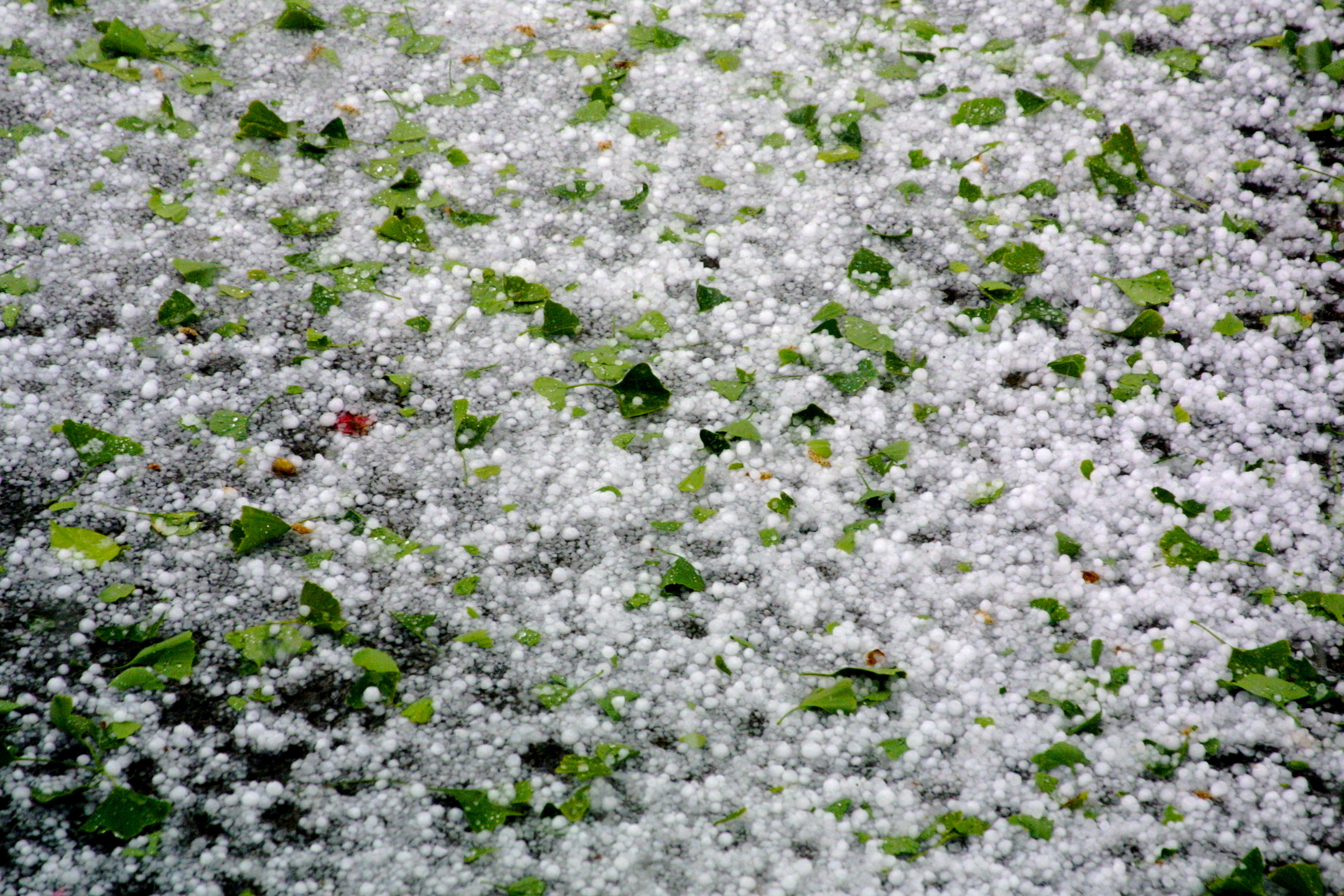
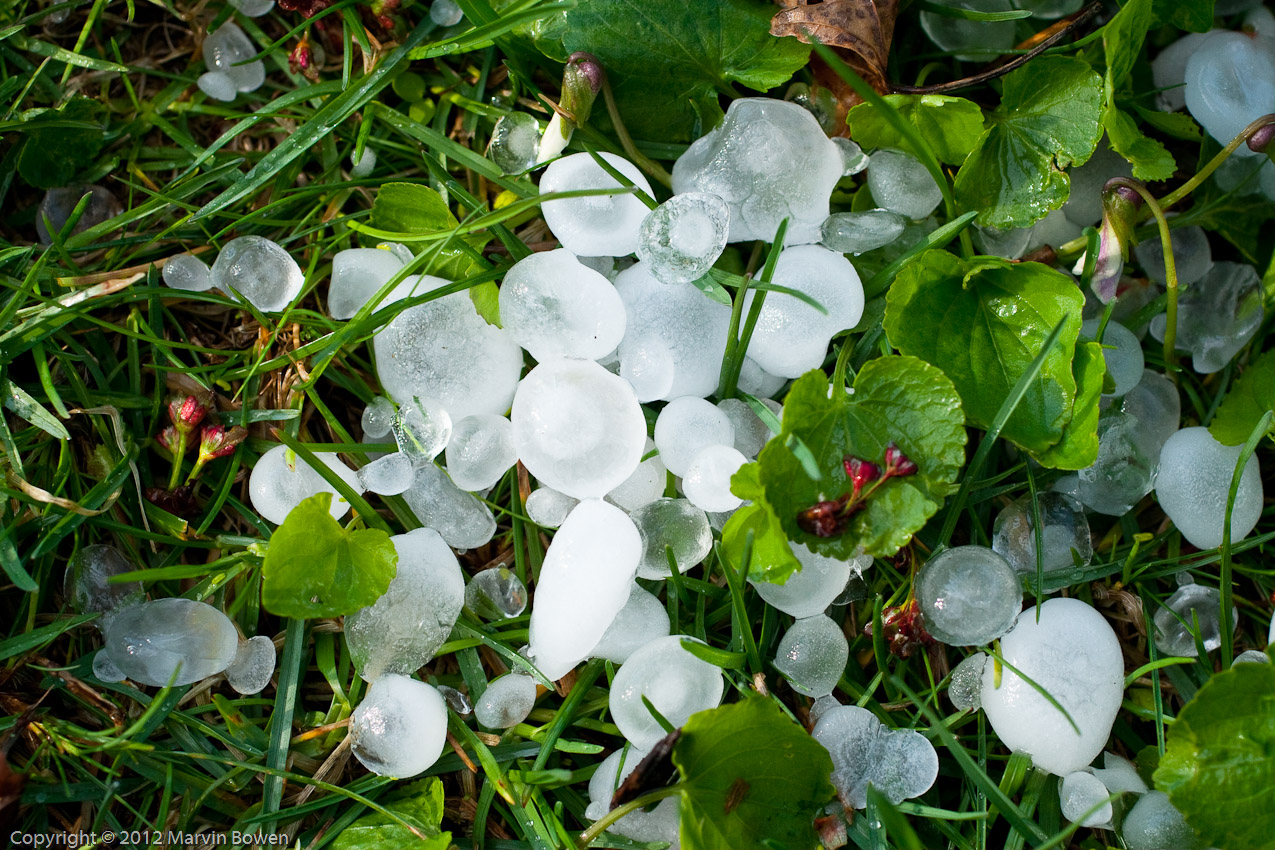
RIVERLAND growers struggling financially are pleading for help ahead of Christmas, after a devastating hail storm caused $71.5 million of damage to their crops last month. The State Government has inspected 260 storm-affected properties in the Riverland, but was yet to announce recovery grant funding — nearly six weeks after the November 11 storm. Nectarine farmer Steve Brauer had nearly all of his stone fruit crop wiped out by golf-ball sized hail, which equated to a loss of income of about $60,000. “We had about 600 trees which would’ve been picked the week after the hail and — going by the prices then and how much fruit was on the tree — it would’ve been a bumper year,” Mr Brauer said. “I had to ring the bank straight away as I’d only just bought the property from my mum mid-year, fortunately the bank agreed to do a three month hold on any payments. Flooded shacks on the River Murray at Morgan, down river from Renmark. Picture: Calum RobertsonMr Brauer confessed Christmas for his three children this year would be minimal as “we can’t do anything at the moment because I’ve got no money”. Sunraysia, in northwest Victoria, was also impacted by the storm but affected properties have had concessional loans available from the Victorian Government since December 1. Under the Natural Disaster Relief and Recovery Arrangements, the Federal Government provided financial assistance to the states to assist with disaster relief and recovery measures. Agriculture, Food and Fisheries Minister Leon Bignell said the Government had applied for assistance from the Australian Government and was waiting for confirmation. “We will continue to work with those affected in the local community to offer any assistance we can,” Mr Bignell said. Chaffey MP Tim Whetstone said six weeks was too long for growers to wait for help — some of whom had lost their income for the financial year. “Many growers who have lived through low commodity prices and the drought are at breaking point with the severe extent of hail damage,” Mr Whetstone said. “It is confronting to see and we must do everything possible to support these farmers, to get back on their feet as soon as possible. “I’ve had constructive conversations with State and Federal Governments but we now need to fast-track a package of support to these growers, almost six weeks without knowing what form of assistance may be offered is simply too long.” Rural Business Support chief executive Brett Smith said financial counsellors based in Berri were averaging five serious inquiries a week since the storm. “We had an increasing number of inquires, particularly from stone fruit growers as they were about to harvest and they lost their crops,” Mr Smith said. “The immediate concern for them is cash flow. “We’re a free service which assess the immediate situation and direct them to a Federal Government income support scheme, the farm household allowance.” Source - http://www.adelaidenow.com.au

22.12.2016

Spain - Rain floods agriculture in the Mediterranean coast

Last weekend, the Spanish regions of Comunidad Valenciana, Murcia and Almería suffered heavy rains, which have mostly subsided by now. More than 400 litres per square metre of rain poured in Comunidad Valenciana, as well as strong winds of more than 70 km/h. This caused fields to flood and blocked many roads, resulting in growers not being able to work. Rivers are overflowing and there is an ongoing warning of more floodings to come. According to AVA ASAJA, damage to agriculture in the region has reached 172 million Euros, with citrus fruit being the most damaged. This sector was already affected by heavy rains in late November and early December, which inflicted losses of millions to clementines. AVA ASAJA reports that 40% of the mid-season tangerine production which hadn’t been harvested is lost because of excessive moisture and wind. The quality of Navel, Navel Lane or Navel Lane Late oranges is expected to fall in some growing regions. It remains to be seen if later clementine varieties will also be affected. Many purchase agreements will be broken, which will cause further speculation. Persimmons will not be affected as badly because there is hardly any fruit left to harvest, but those which remain unharvested will probably be lost due to fungal diseases. Lemons in Vega Baja, Alicante have had the most damage. The region hasn’t seen the sun for almost two weeks and many fields are flooded, so any fruit below the 2 metre mark will be severely affected by fungi. In addition, huge leaf loss will reduce the trees’ vigour in the next campaign. However, inland, the rain has been beneficial to dry farming products like olives, grapes and grain. Lettuce harvest paralyzed for 4 days in Murcia Depending on the area, fields in Murcia have received 150 to 250 litres of water per square metre. Rainfall came in the worst moment for leaf producers, which have recorded the worst losses because of flooding in the south-eastern part of the country. Lettuces, spinach and baby leaf varieties are the most affected. Others, like artichokes have actually benefited from the rains. However, broccoli, cauliflowers and courgettes will be damaged by excessive moisture. According to Proexport, that fact that the rain came on gradually and not all at once, has prevented a “major tragedy”, yet the lettuce harvest will be delayed by four days due to floodings. Harvesting capacities will reduce to 30% this week and normality won’t be restored until next week. “It’s too early to assess the damage but the area around Cartagena is the most affected in the region. First, we suffered from drought, and now it is the floodings”, says Juan Marín, president of Proexport. The holiday campaign for lettuce, spinach and other leaf varieties is now disrupted. “50% of the lettuce production which would have been harvested for Christmas will be lost”, says iceberg lettuce division manager of Proexport, Javier Soto. Entering the fields is almost impossible since last Thursday, and will be until next Thursday. The whole spinach and baby leaf production in Cartagena is also lost. Peppers, which had been recently transplanted to greenhouses in the area, are also severely damaged and around 25% of the plants have been lost. Further transplanting will not be possible due to floods or excessive moisture in the farms. Quality-wise, rot is expected due to excessive humidity, as well as Botrytis and soil on the leaf products. Almería expects no problems with Botrytis Rain also poured down in Almería, especially last Sunday early in the morning. La Vera and El Ejido are the most affected towns. Producers hope the moisture won’t lead to Botrytis problems in the following days. Source - http://www.freshplaza.com  

22.12.2016

Australia - Concessional loans as storm assistance slammed by peak industry body

The peak body for dried fruit growers has slammed the government's agricultural storm assistance measures and are instead offering its own. In November a freak hail storm ripped through South Australia, Victoria and New South Wales causing up to $150 million of damage in Victoria alone. The Insurance Council of Australia said payouts from the storm totalled $190 million for all three states. Dried Fruits Australia has announced cash grants of between $500 and $1000 for eligible growers to help with recovery, citing the lack of assistance offered by the respective state and federal governments. Chair Mark King said severely damaged growers had lost not only their current crop but sustained damage to next seasons with hail destroying potential growth on their vines. He said taking on more debt when some farmers would not have an income for two harvests was not an option. "If it's some small way that we can give something back we want to," he said. "I don't know when the government will wake up and realise that when you get a disaster whether it's hail, flood, drought or whatever offering loans isn't the answer. "There needs to be something that keeps food on the table and the bank off the door. "More loans is just, nobody's takes them up." Source - http://www.abc.net.au

22.12.2016

New Zealand - Growers using hail nets to protect crops

Growers in the Tasman region of New Zealand are increasingly installing hail nets to protect their investments and insure their global markets. With ever increasing insurance costs and being covered less, they see the nets as a beneficial alternative. "Two years ago if your damage was over a certain value they paid you out 100 per cent with no excess. Now there is a 20 per cent excess which makes it a little bit tougher." Ian Palmer, a local grower said. Palmer had between 10 to 30 per cent of his crop damaged in October's storm. "It's manageable, but more than I thought." Palmer said and continued "I'm pretty sure we will see about 100ha of drape net put up this year. And there has been some retro-fitting of fixed netting, which is raising interest," Fixed netting on posts and wire cost around $20,00 to $30,000 per hectare to erect. But it was permanent crop protection and a good reinvestment policy for growers while returns were positive according to Palmer. Source - stuff.co.nz

22.12.2016

China - A higher need for farming robots

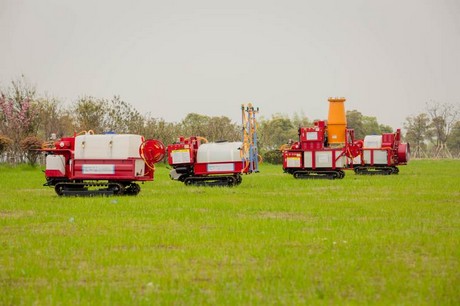
"In the past few years, as people become more familiar with farming robots, the applications for these machines are increasing. Compared to the same period last year, the sales of farming robots have increased from 80% to 100%," says Mr. Peng Gang from Botian Automation Technology in Suzhou. Less time, less effort, higher efficiency "At the current stage, the farming robots of our company are mainly cultivation and maintenance robots, weeding robots and harvesting robots in greenhouses. The cultivation and maintenance robots are mainly used in the fruit industry, farming facilities and a part in the field. Compared to the sprinkling by humans, a farming robot has 3 main advantages. First, it saves effort and guarantees that the personnel works in a safe industry. Secondly, a robot saves water and products. While safeguarding the quality of the product, it also protects the environment and avoids the pollutions that additives can bring about. Moreover, It saves time and works efficiently. A robot can replace the labour of up to 10 to 20 men." "At present, our clientele is mainly located in Shaanxi, the South of Shanxi, South Jiangsu, North Zhejiang, Shanghai, Guangxi, Henan and Yunnan. They are dealers in economic regions and large-scale cultivators. The customers also include fruit orchards or enterprises that operate on a relatively large scale and a few cooperatives and individuals with an advanced awareness of management. In general the scale of operation is usually above 33 hectares." No clear market competition "Judging from the current market, competition has not yet entered on the market. But as the market becomes more and more aware of our products, market competition also becomes increasingly fierce. This doesn't worry us. We are a professional company that engages in the research and development of intelligent equipment and industrialised high-standard technology. We have created an advantageous industry platform with the robotics and micro-systems research centre of Suzhou University. In the future, we will thoroughly research the development of intelligent products. We will cover the robotic products for the main segments of fruit industry and agricultural facilities and field management. Our production is focused in the Northwest, East and South of China." Source - http://www.freshplaza.com

21.12.2016

Ghana - Taking stock of livestock insurance

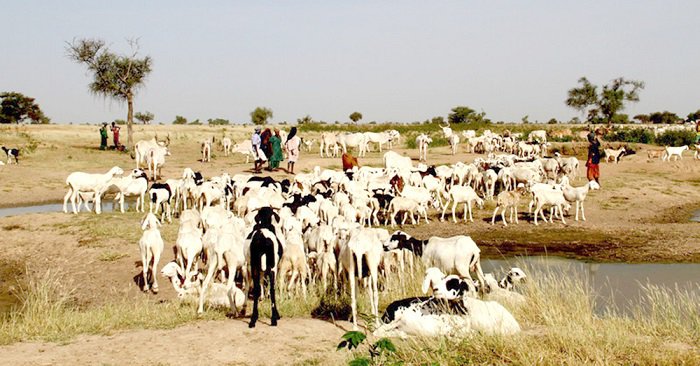
Over the past years, around Christmas, I had made it an annual ritual to be visiting Ahumbreo, a small village in the Central Region where goats are relatively cheaper. Ahumbreo is on the way to Agona Swedru. Last Saturday was such a disappointing one when in my usual preparation towards Christmas, I got to the village and was shocked to learn that goats were not available for sale. Curious to know the reason, they intimated that there were no goats in the village as they were attacked by a strange disease early this year leading to a virtual extinction of the highly sought-after four-legged animal in seasons such as this. Immediately, the subject of livestock insurance came to mind and I wish to throw more light on the subject as we have only five days to Christmas. Epidemic breakout last year In December 2015, the detection of bird flu in Tema and its environs and other parts of the country triggered the interest in what livestock insurance could do to salvage the situation and also to make farmers get back to business in the event of an epidemic. Following this sad news, many financial experts joined in the chorus to call on poultry farmers to seek financial risk protection. Many have likened it to be a subset of agricultural insurance, while another school of thought suggests that it should be a stand-alone policy. That notwithstanding, it should be made clear that agriculture is not only about crops but extends beyond that to include animal production and rearing. Livestock Insurance Livestock insurance is a restricted policy largely offered by specialist insurers, often associated with Lloyds in the UK. The policy is primarily patronised by farmers, camel and cattle herders; and some pet owners. Generally, the loss of livestock by slaughter, death, disease or theft can occur through several unaccountable causes. This type of insurance, therefore, provides adequate compensation in the event of loss of livestock. What livestock insurance covers There is no standard cover for this type of policy because the nature of cover varies from one insurance company to another. Thus, the policies are usually tailor-made for the particular risks. Meanwhile, death following within 14 days of accident or injury, slaughter on humanitarian grounds and a slaughter certified by a qualified veterinary officer or the insurer’s consent, must be consequent to the happening of the following: Compulsory slaughter due to an epidemic (e.g. bird flu). Fire, lightning, earthquake, explosion and aircraft; Riot and malicious damage Electrocution Loss in transit, while on foot or vehicle, at any public sale, market or yard or while straying from same or insured’s premises. Sheep, cattle or poultry being attacked by foxes, as well as dogs. Theft and unexplained disappearance normally after a minimum of one month Death following illness or disease. This will include anthrax, TB and brucellosis. Breeding risks of selected types of animal from death from pregnancy or parturition (delivery). Infertility following accident, illness to e.g. bulls and rams. Territorial limits – the territorial limits of the cover are always clearly defined. Indeed if the Savannah Accelerated Development Agency (SADA) had had this policy in place, the many guinea fowls reportedly suspected to have flown to Burkina Faso and Togo would have been duly compensated for! Types of Livestock Insurance There are several types of Livestock insurance, but the two most common ones are: Insurance on a ‘specified animal basis’, with no upper limits. ‘Unspecified basis’ - Here there is usually an upper limit of cover per animal say GH¢300 and if the insured wants to exceed this limit, a special policy will be issued. Typically, the indemnity covers only the market value of the animal(s), at the time of the loss. While the condition of average applies to livestock insurance, some insurers are able to modify the average principle to meet the customer’s expectation. What is not covered under a Livestock Insurance Policy Generally, the following exclusions apply: Slaughter without the insurer’s consent or veterinary officer’s certification Castration or surgical operation (unless carried out by a specialist veterinary or deemed to be necessary to save the animal’s life) Radioactive contamination Inoculations (unless necessitated by accident, injury, illness or disease) Sonic bangs, war risks, etc. Excesses: some insurers will impose compulsory excesses to certain aspects of the cover, e.g. theft and unexplained disappearance. Excess may be imposed either on a loss or per animal basis. Special underwriting aspects Due to the delicate nature of this policy, certain special underwriting techniques, such as the following, are required: -              Detailed knowledge of farming practices and livestock habits. -              Type of livestock is important (particularly where diseases are concerned) -              Value at risk -              Purpose of use of livestock -              Previous loss history -              Breed characteristics -              Degree of state of veterinary controls -              Market values at the time and place of loss -              Consequential loss The aforementioned are by no means exhaustive and much will depend on the individual underwriters’ practice and judgement. The way forward While it is not clear the number of insurance companies offering livestock insurance in Ghana, it is becoming more burgeoning to include this type of insurance in their books. Similarly, as a social intervention package, the government may also leverage on the enormous benefits that abound in livestock insurance. For instance, while it is welcome news that the government has paid some compensation to the poultry farmers who suffered losses in last year’s bird flu outbreak, a long-term government’s commitment should include collaboration with the farmers and insurers, in particular, to provide an insurance cover. Moreover, the distinction between livestock insurance and bloodstock insurance, which is the insurance for camels, horses, donkeys, etc., must be noted. Livestock insurance is rather concerned with poultry, goats and sheep. In this regard, the mandate of the Ghana Agricultural Insurance Pool (GAIP), whose original focus seems to be on crops, should have the same focus extended to livestock insurance. It is refreshing to learn that they have started talking extensively about it in recent times. As I take this opportunity to wish all readers of the ‘Insurance Bakery’ a Merry Christmas and a prosperous New Year, let us be reminded that we may be paying more for the goats we would be consuming this Yuletide not because they are so expensive but because they are scarce owing to epidemics you and I may not have heard about, thus wiping out a ‘generation’ of the livestock. Source - http://www.graphic.com.gh

21.12.2016

Australia - Mildura hailstorm claims hit $256.2 million

The estimated value of claims have hit $256.2 million, with the split being 72 per cent domestic and 28 per cent commercial. Over 30,000 claims have since been lodged. Campbell Fuller, general manager of communications and media relations at the ICA, says: “The value of insured losses from November’s severe storm continues to rise as assessors gain a greater understanding of the extent of agricultural losses across the three affected states. Due to the size of the area where damage has occurred, that process is ongoing, and the level of insured losses is expected to rise further over coming weeks.” There have been 1,404 commercial property claims, 412 crop/agricultural claims and 26 business interruption claims so far. SA appears to have been hit the hardest with the majority of residential building claims (68 per cent), domestic motor claims (70 per cent) and crop claims (64 per cent) coming from that state. The ICA declared the Mildura storm a catastrophe event in November, with the industry escalating its response to help policy holders, including activating its disaster hotline and setting up a taskforce. Source - http://www.insuranceandrisk.com.au

21.12.2016

USA - Iowa Farm Bureau president wants strong crop insurance plan in farm bill

Congress is expected to begin work early next year on the next farm bill. Iowa Farm Bureau president Craig Hill says maintaining a strong crop insurance program is his group’s top priority. “What we hear from our producers is, ‘don’t touch my crop insurance program. We like the crop insurance program,'” Hill says. “It gives us the ability to farm another year. It’s revenue protecting. We don’t want to go to Congress with a request for a disaster bill if we have a drought or other problem. We want to rely on a good insurance program.” Iowa’s crop insurance participation rate exceeds 90 percent. Hill is also hoping the next farm bill will help farmers with conservation efforts. “We’re hearing that across the state. We want to do better and we’re going to need assistance in terms of technical advice and engineering, but also in cost sharing and fundamentally assisting us in doing what we can best do as stewards,” Hill says. Congress passed the last farm bill in 2014. Source - https://www.radioiowa.com

21.12.2016

China - Typhoons cause 50% loss of melons

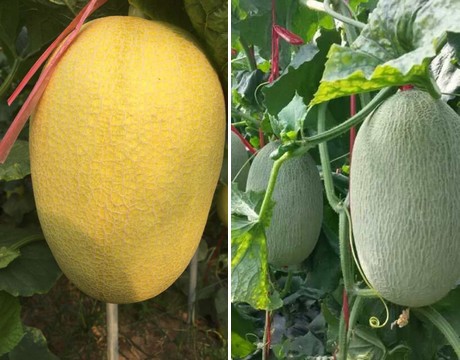
"As everyone knows, Hainan is an excellent location for the cultivation of melon varieties. But due to the effects of typhoons, 50% less melons were produced on the whole compared to the same period last year. The production of melons in sandy regions was reduced even further. As a result, the average market price has gone up by an average of 30%," says Mr. Wang Zhong of Xinjiang Yufeng Cultivation. Supplying over 20 types of superior melon seeds "We have 12.3 hectares of greenhouses for melon cultivation in Xinlong village near Dongfang city in Hainan. Here we grow more than 20 melon varieties, like the Hainan Honey Melon, the Black Jade and others. The orchard includes a display centre for seed cultivation and a cultivation base for commercialised products. In China, we mainly sell to the premium supermarkets of Hainan, Shandong, Guangxi and other regions. Outside China, we sell to Southeast Asia, and countries such as Cambodia and Myanmar." Greenhouse reinforcement against typhoons  "Typhoons occur every year on Hainan and have catastrophic results for the melon greenhouses. Cultivators are continuously looking for ways to respond to the threat, yet the efficiency of the methods is often minimal. For example, typhoons destroyed many melon greenhouses this year, which also destroyed a lot of the melons inside. For that reason, we fortified the greenhouses before the typhoon came and effectively carried out a measure that saved the crops. The losses were limited to the absolute minimum." "For many years in the past, this company has conceptualised the progress of knowledge in the industry and shared experience. We have cooperated with partners in the industry and have done what we could to drive the development of the industry forward. This way more and more people understand the process of breeding and cultivating melons." Source - http://www.freshplaza.com

21.12.2016

India - Haryana Congress MLA alleges graft in crop insurance scheme

A former minister and senior Congress MLA Karan Singh Dalal on Tuesday reiterated his allegations of kickbacks in Prime Minister Fasal Bima Yojna (PMFBY) while alleging siphoning off Rs 67 crore by the officials. Claiming to have documents related to the crop insurance scheme, Dalal, who is also facing a probe for violation of privileges in assembly by raising this issue during the session, also accused the Haryana ministers of forcing senior officials to reverse their remarks about terms and conditions while assigning work of crop insurance to private companies. "During the last season, banks had collected an amount of Rs 184 crore from the farmers on account of instalments of crop insurance whereas the amount received by companies was Rs 121 crore. The government has not been able to provide details of Rs 63 crore. As far as the crop insurance system is concerned, unlike previous years the government had made total yield as the basis of insurance rather than weather conditions. This needs to be probed," said Dalal. "The missing entries of Rs 63 crore clearly indicate towards kickbacks allegedly being paid to government representatives. This supports my allegations," added Dalal. Notably, this is for the second time that Dalal has accused the government of kickbacks and corruption. Last time he had accused state finance minister Capt Abhimanyu of taking an undue favour by under evaluation of sale proceeds of mining companies where he is directly or indirectly involved. When contacted, agriculture minister Om Parkash Dhankar categorically termed Dalal as "most dis-credible" person while dismissing the allegations. "His credibility is under suspicion. He is already facing probe in the assembly as well. As far as the crop insurance amount is concerned, it was a statistical error between bankers and insurance companies. The government is nowhere in the picture. To my knowledge, the error too has been rectified," said Dhankar. Source- http://timesofindia.indiatimes.com

21.12.2016

India - Tirunelveli stares at unprecedented crop loss

After failing to achieve the pre-set paddy cultivation area target for the current ‘pisanam’ season owing to North-east monsoon failure, the district may not only witness unprecedented crop loss by January-end but also face acute drinking water crisis during the ensuing summer. Since the district experienced copious rainfall last year, the Department of Agriculture could easily achieve its cultivation area target by cultivating crops, including paddy on 99,124 hectares with all eleven dams and the 2,518 systemised and rain-fed tanks in the district overflowing. In other words, the reservoirs in the district had over 14,000 million cubic feet water (96 per cent of the total storage) by last December-end. The situation is grave this year as the dams collectively have only 909 mcft water (7 per cent of the total storage) after the South-west and the North-east monsoons has miserably let down the district. Unwilling to take a risk, farmers have taken up cultivation only in 76,857 hectares during this fiscal against the actual target of 1.51 lakh hectare. “All irrigation tanks are bone dry now and prime reservoirs such as Papanasam and Manimuthar dams now have poor storage. To make the situation worse, there is no rain to save the standing crops. The farmers have already started raising their voice demanding compensation for crop loss and this trend will intensify in the days to come,” warn farmers P. Perumbadaiyar and S.T. Shaik Maideen of Communist Party of India. They dismiss the officials’ consoling words that those who had insured their crop would get the compensation as per the norms. “You cannot expect every farmer to insure his crop as most of them are not even aware of the insurance schemes. So it is up to the State Government to bailout the agriculturists of the district by giving compensation besides waiving all crop loans after declaring the district drought-hit,” said Mr. Perumbadaiyar. Another impending danger is erratic drinking water supply in the coming summer. The Public Works Department, the custodian of the reservoirs, may be forced to close the Papanasam Dam before December-end if there is no significant precipitation in the catchment area as the district’s prime reservoir now has only 24 feet water against its maximum capacity of 143 feet. “Storage level in Manimuthar dam is also not so consoling as it has only 36 feet against the maximum capacity of 118 feet even as it is getting a meagre inflow of 17 cusecs. Perhaps for the first time in history, people, who have happily witnessed a swollen Tamirabharani on many occasions, may have to see a dry riverbed during the summer of 2017. In this scenario, there is no need to say about the drinking water woes for a few million population living in Tirunelveli, Thoothukudi and Virudhunagar districts,” said a senior PWD official here. Source - http://www.thehindu.com

20.12.2016

Chile - Rain causes few losses in the north but Aconcagua Valley hit

According to a report by the Association of Fruit Exporters of Chile AG (Asoex), the rains generated few losses, especially in table grapes, in the regions of Atacama and Coquimbo, and somewhat higher losses in the region of Valparaiso, specifically in the Aconcagua Valley. According to Asoex, the table grape harvest in the Valley of Copiapo had to be interrupted for a few days after the rains, because the soil conditions made it difficult for workers to continue this task. The harvest and packaging of the fruit was resumed on Tuesday in the middle and upper part of the valley. "Regarding the fruit's condition after the rains, we've observed some partings in the Flame variety that is grown in the middle and upper part of the valley. This situation is a bit more noticeable in the lower area and it will require making a major cleaning of clusters in their packing, as well as applications in some crops," said the president of the Association of Agricultural Producers and Exporters of the Valley of Copiapo (APECO), Lina Arrieta. Arrieta said the rains had caused downspouts from the hills, which had an impact on the turbidity of the Copiapo River, which is why the irrigation channels were temporarily closed. These irrigators are slowly being opened again. Meanwhile, well water irrigators had none of these issues. "Another situation that worries us now are the high temperatures announced yesterday, as the fruit ripens faster than the growth of berries," she said. Moreover, according to information from the Northern Agricultural Society (SAN), there were no losses reported in the region of Coquimbo, even in those places where there was up to 5 mm of rainfall recorded. Ronald Bown, the president of ASOEX, highlighted that the rains had also resulted in an increased availability of irrigation water in the area, which has been affected by a serious drought for several years. Aconcagua Valley Regarding the progress of the table grape harvest in the Aconcagua Valley, the report states that the most affected area was San Esteban, as it received more than 50 mm of rainfall that affected the color and caused partings in the grapes that were ready to be harvested in the week of Christmas, particularly of the Flame and Superior varieties. Producers have also found fruit partings in the Flame varieties in San Felipe and its surroundings. In this regard, the president of Asoex said they still didn't have an exact figure on the losses in the Aconcagua Valley, but that they knew that they wouldn't be low. He also said that they had begun to make applications since Tuesday to avoid rot in the fruit that was going to be harvested starting the second half of December, as in the high temperatures also advanced their harvest. "We've observed that the country's harvest was advanced by more than a week in the white varieties, which led to a lower amount of clusters than last year and a decrease in calibers," said Bown. The report also notes that there were no major damages on vines, cherries, and blueberries in other parts of the country. This season will be similar to the last season "Chile exported more than 85 million boxes of table grapes to different markets during the last season, so we thought we would reach 90 million boxes this season. However, we believe we'll achieve a similar volume of shipments to last season due to different events, such as the recent rains, the lower sprouting of white varieties, such as the Thompson and Superior varieties, a decrease of clusters per plant, and the advance of the harvest, which results in a decrease in cluster weight and yield per hectare. That is , of course, unless there is a new phenomena," said the chairman of Asoex's Table Grape Committee, Fernando Sat. Sat said Chile currently had a large number of hectares planted with new varieties that still hadn't expressed their full potential. "These new varieties could compensate for the losses or decreases there's been in other varieties. They are fantastic, because they generally have a better performance, size, color, management regarding labour hours, and they are very sweet. In the last three to five years, Chile's grape sector has experienced the largest varietal turnover in its history; something that will undoubtedly allow the country to achieve large volumes within 5 years. A new variety can produce 4,000 boxes per hectare, and there are over a hundred new varieties planted in the country," he said. Source: asoex.cl

818
of 1225