NEWS
819
of 1225
News
20.12.2016

Argentina - Mendoza's production will fall by 50% due to frost

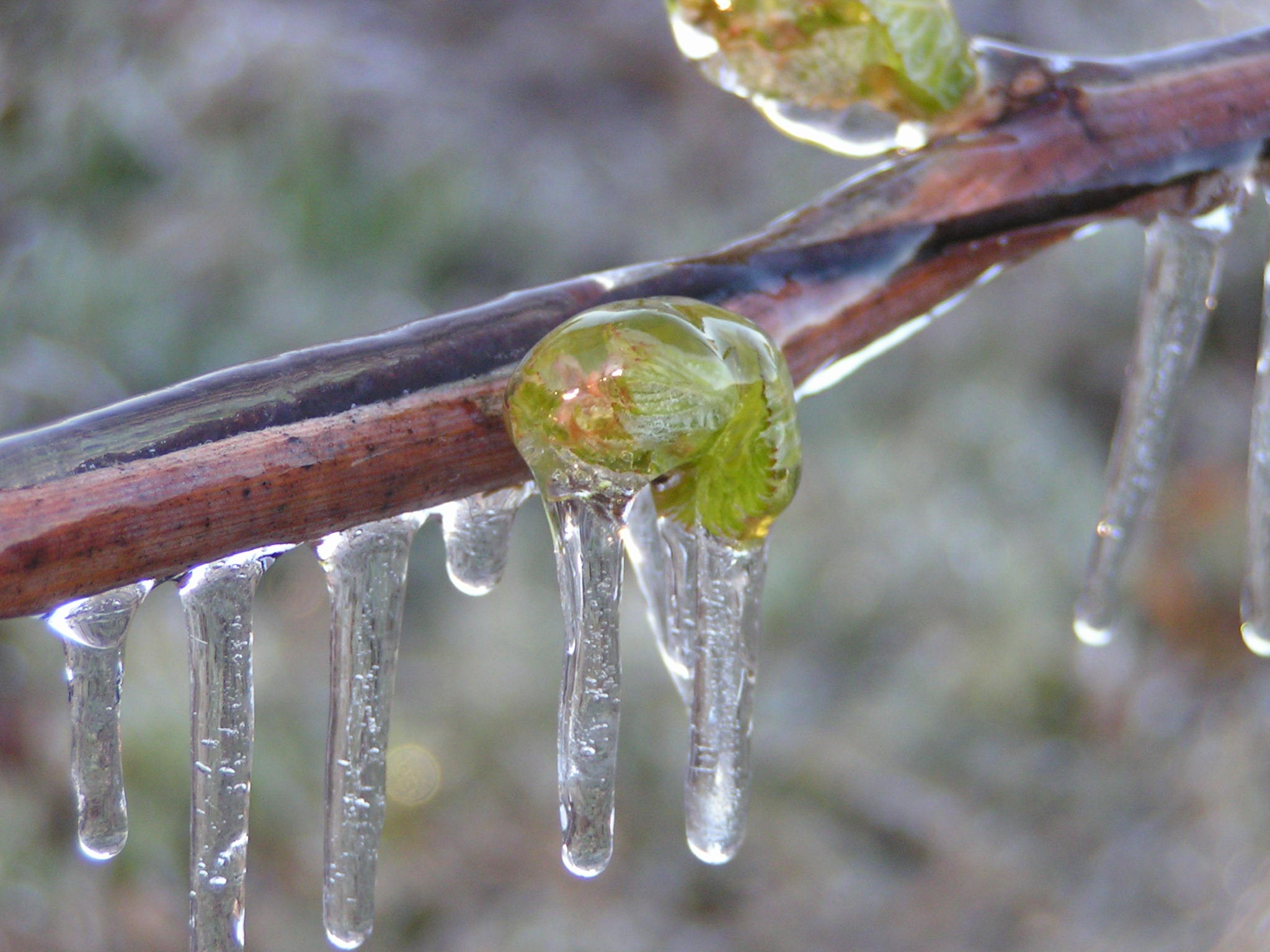
In its 2016-2017 harvest season forecast report, the Rural Development Institute (IDR) stated that it expects a 51% average drop in the production of pears, peaches, and plums for the industry, when compared to the previous season. The report indicates that "the estimated total production for these species is 170,761 tons and the estimates for this season for all of them are lower than their estimates in the previous season, as a result of the severe frosts that affected the crops during their flowering and fruit set across the province." Furthermore, the report indicates that the full flowering of all the varieties monitored was about 20 days earlier than in the previous season. Even though the report didn't make a forecast by production area, the plum industry is expected to have a drop of almost 70%, which will have a major impact on employment in San Rafael and Alvear, where the bulk of the sector is concentrated. The peaches for processing are expected to decline by 44% at the provincial level. However, according to the IDR, "the estimated offer and the in-factory stock of this fruit amounts to the demand expected. Therefore, we expect there will be good prices that will ensure the production will be profitable." Source - diariouno.com.ar

20.12.2016

Spain - Citrus sector suffers severe losses due to rainfall

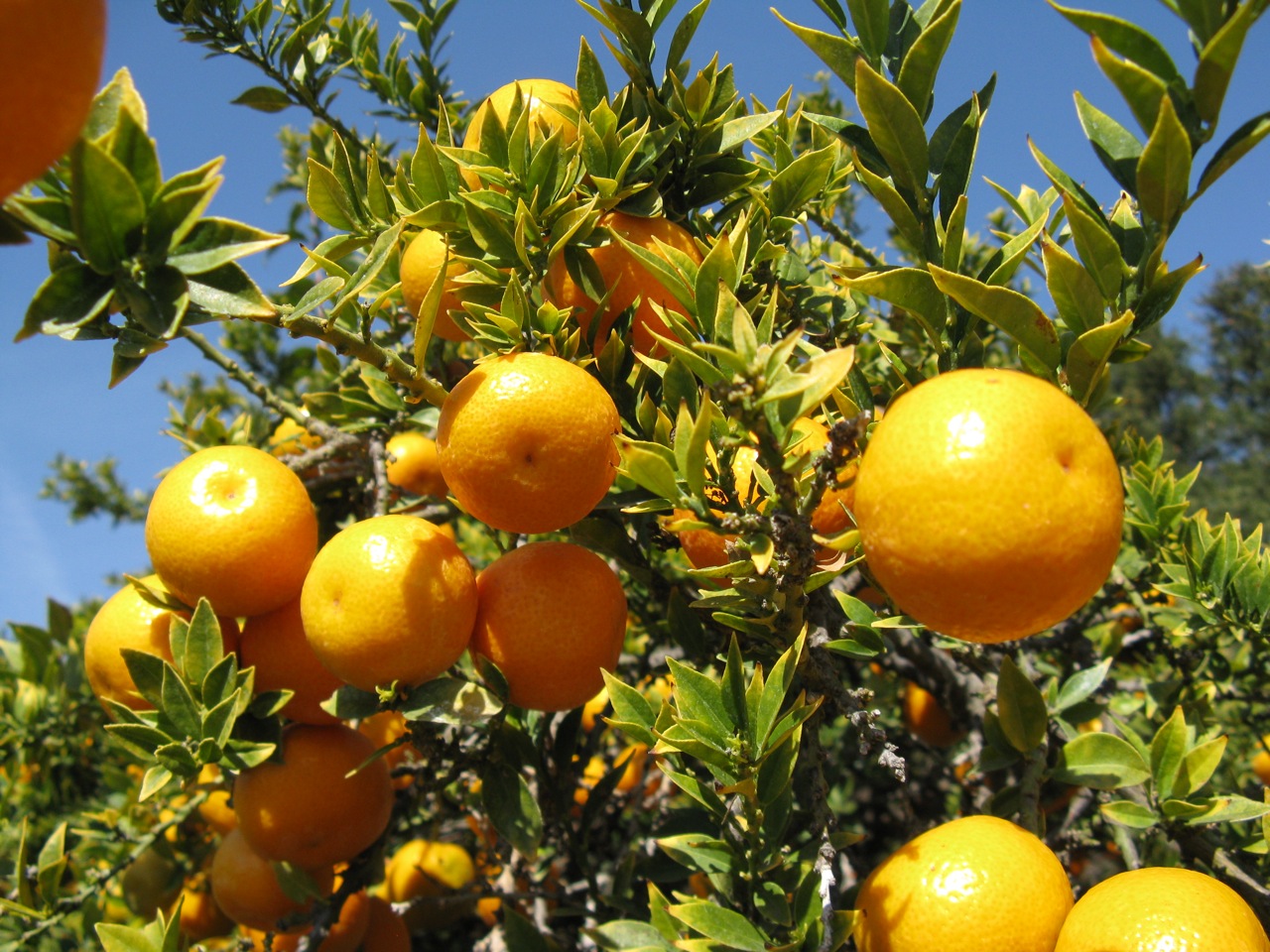
La Unió de Llauradors has estimated the losses in this year's citrus campaign in the province of Castellon at more than 75 million Euro. The main causes are the reduction of mandarin prices and the humidity due to the latest rains. The general secretary of La Unió de Llauradors, Ramón Mampel, explained that the fall in prices, which are 35% lower than last season, has caused almost 57 million Euro in losses. To this we must add that the rains of recent weeks, with the citrus fruits already ripe, has increased this figure to 75 million Euro in the province of Castellon alone. Furthermore, Mampel points to retailers as partly responsible for the problems in a campaign which has been considered disastrous. According to the general secretary of La Unió, these companies have sold products from other countries and have even broken some contracts; a situation that growers "will not tolerate anymore." For now, the Valencian Government has not yet allocated funds to repair roads, ditches and other agricultural infrastructures destroyed by the rains of the last few weeks. This Saturday and Sunday more rainfall has been recorded and this could aggravate the crisis. Málaga loses up to 70% of the Clemenules The recent floods in the Guadalhorce have taken their toll on the harvest of clementines. Producers estimate that at least between 50 and 70 percent of the Clemenules have been affected. Rain and moisture have spoiled most of the unharvested fruit, making it unmarketable. Clemenules clementines are considered the queen of mandarins in the Guadalhorce, partly because of their thin and easy to peel skin, smooth and seedless pulp and their sweet taste with a sour touch. The problem is that they are very sensitive to humidity and rain, especially when they are already ripe, and this has been the main issue in the region of Guadalhorce and other producing areas like the Region of Valencia. The abundant rainfall and floods surprised the producers with the fruit about to be harvested and this has led to the majority of farms suffering important losses, since they had hardly harvested a quarter of the fruit. The province had expected a production of mandarins and clementines of around 18,320 tonnes this year, according to estimations from the Council of Agriculture for the 2016-2017 campaign. This is 30.4 percent less than the figure achieved in the 2015-2016 campaign, which came to a close with a total of 26,306 tonnes. The fall of the unharvested fruit to the ground only aggravates the situation of the sector, which was already complaining about the low prices of mandarins (between 0.20 and 0.30 Euro per kilo). Producers are confident that the little that has been saved, because it has not fallen to the ground, can be sold at a higher price. Only 500 of the province's 10,000 hectares of citrus are insured, according to Asaja Málaga According to the manager of Citrima, Guillermo Aranda, the main concern of mandarin and clementine producers (both crops account for about 1,700 hectares) was the possibility of water and moisture affecting the skin of the fruit and causing its fall. And that is precisely what has finally happened. "We have had to put an end to the marketing campaign for mandarins due to the extent of the damage," explains Espinosa. Source - cadenaser.com

20.12.2016

India - PM Modi’s Crop Insurance Scheme Does Better Than Previous Schemes, But Challenges Remain

Pradhan Mantri Fasal Bima Yojana (PMFBY), launched in January this year and featured prominently in the 2016 Union Budget, is perhaps Narendra Modi government’s biggest scheme in agriculture to date. In terms of impact, it has the potential to be what Kisan Credit Card (KCC) was to former Prime Minister Atal Bihari Vajpayee. The scheme was put to test for the first time in the recently concluded Kharif season. So, this is an ideal time to review the scheme’s performance. We already have some benchmarks in place. The scheme can be weighed against previous crop insurance initiatives like the National Agriculture Insurance Scheme (NAIS) and Modified NAIS (MNAIS). These two schemes were subsumed by the new one. Ashok Gulati, Infosys Chair Professor for Agriculture, and Siraj Hussain, former secretary at the department of agriculture and farmers’ welfare, have detailed in the Indian Express today (19 December) the successes and failures of PMFBY and made a comparison with the earlier scheme. Consider the figures they have put out: PMFBY insured 3.5 crore farmers this year while the total in the 2013 Kharif season was 1.21 crore. The figure was 2.54 crore last year under NAIS and MNAIS combined. The duo quotes a Press Information Bureau report which says the number of non-loanee farmers increased by more than six times. The area insured also increased from 16.5 million hectares (mha) in Kharif 2013 and 2.72 mha in Kharif 2015 to 37.5 mha under PMFBY this year. The sum insured went up from Rs 34,749 crore in Kharif 2013 to Rs 60,773 crore in Kharif 2015, and now to Rs 1,08,055 crore under PMFBY. But there are implementation glitches, say Gulati and Hussain. They point out that the actuarial premium, which should have lowered given the massive jump in adoption, has actually gone up from 9.8 per cent in Kharif 2015 to 14.9 per cent in Kharif 2016. The duo also writes that the scheme didn’t do well in quickly assessing crop damages in places where farmers lost their crops. Under the scheme, it was envisioned that the use of latest technology would be leveraged. But this was not done. Drones, smart phones and so on were not employed. This is the Modi government’s biggest initiative for farmers. It cannot afford to squander it with poor implementation. Still, this was just an early stage. Many farmers didn’t have thorough knowledge of the scheme and its benefits. In the next couple of years, the scheme should improve, and the government would do well to learn from its mistakes and fix the last-mile problems in the next season. Source - http://swarajyamag.com

20.12.2016

USA - Let's improve soil and water quality with crop insurance

If there are two things that every farmer I know has an opinion about, it’s water quality and crop insurance. But we don’t talk enough about how crop insurance affects water quality and soil health. We need crop insurance to help farmers manage risk. But could crop insurance also encourage farmers to implement practices that are better for water quality and soil health? I believe it can. There’s a powerful opportunity for crop insurance to encourage conservation practices. Right now, farmers and the government split the cost of crop insurance premiums. What if the government paid a larger share to farmers who practice conservation?  If my crop insurance agent offered me a lower crop insurance premium because I plant cover crops, I’d definitely try to plant cover crops every year. I’m sure my neighbors would say the same. Currently, though, crop insurance creates some barriers to conservation.  For example, USDA has policies called “cover crop termination guidelines.” They say farmers have to spray or till a cover crop by a certain time to be eligible for crop insurance.  Their concern is that a cover crop left in too long will lower yields of the main crop. Mounting evidence shows that if properly managed, cover crops actually can help enhance yields. But this ends up discouraging growers from planting cover crops.  USDA could remove these restrictions today. Cover crops are good for our soil and water, so this would be a step in the right direction. There are a few ways where crop insurance and conservation are linked. For example, the last farm bill created the “sodsaver” provision. The government doesn’t pay any of the share of crop insurance premiums on land converted from grasslands.  Native grasslands are valuable habitat for wildlife and native grass species. I think it’s good that we’re paying extra when we take acres out of native grassland. It’s not a perfect system though.  Right now, “sodsaver” only applies to six states in the upper Midwest and Great Plains. Our next farm bill should expand “sodsaver” protections to the entire country. Also, under “sodsaver,” the government pays a share of the crop insurance premium on newly broken native sod if farmers then plant a non-annual crop for four years after tillage. Some call this the “alfalfa loophole.” It isn’t a good practice. Native grasses build much richer and healthier soils than alfalfa. Crop insurance rules should reflect that. Finally, you might remember that the last farm bill reinstated conservation compliance. It linked conservation plans with commodity payments and crop insurance. This was a really good step in the right direction. But it would be stronger if the requirements for conservation plans were more robust. For example, we could lower the acceptable soil erosion rates allowed on conservation plans. Plans could also require farmers to treat ephemeral gullies. Both would help with soil and water health. These are just a few ideas for how we could change crop insurance to encourage more conservation of soil and water. It will be important to seriously consider these ideas we enter the next farm bill debate. Because we can make crop insurance work better for farmers, taxpayers, our soil and our water. Let’s do it. Source - http://www.desmoinesregister.com

20.12.2016

Australia - Salvage, huge claims after hail hits crops

GRAIN  farmers who had crops wiped out in storms near Mildura last month are harvesting what’s left of their damaged cereal crops. A series of storms a month ago caused significant damage to horticulture and grain crops, plus buildings in the region. This has resulted in 28,000 insurance claims, totalling $193 million, which have been lodged after hailstorms struck the Mildura region, South Australia and southern NSW. Matt Curtis, who farms 25km west of Mildura, said hail affected about 75 per cent of his 2000ha of crops. He estimated about 1200ha of his cropping program suffered 90 per cent losses. “We have just started harvesting the worst of them. Some of the crops were still standing but there is nothing in the heads,” he said. He said the best patches of wheat he was harvesting this week was yielding about 0.5 tonnes/ha. He said the crops were insured, but this was the worst damage he had ever seen on his farm. Mr Curtis said the one paddock of cereals he harvested before the storm was yielding an average of 2.4 tonnes/ha. This is double their long-term average of 1.2 tonnes/ha and was “some of the best crops we every had,” he said. Mallee Sustainable Farming executive manager Stuart Putland, said damage among his membership group were worst in parts of the South Australian Mallee and near Mildura. “The damage varied from quite devastating to not much,” he said. Mr Curtis said one of the ongoing issues he would have to deal with from the storm, would be sowing next year’s crops with a disc seeder with the heavy stubble loads from crops on the ground. “The other issue is grain on the ground. We might have volunteers and potentially also have mice issues,” he said. Source - http://www.weeklytimesnow.com.au

19.12.2016

African farmers hit hard by climate change

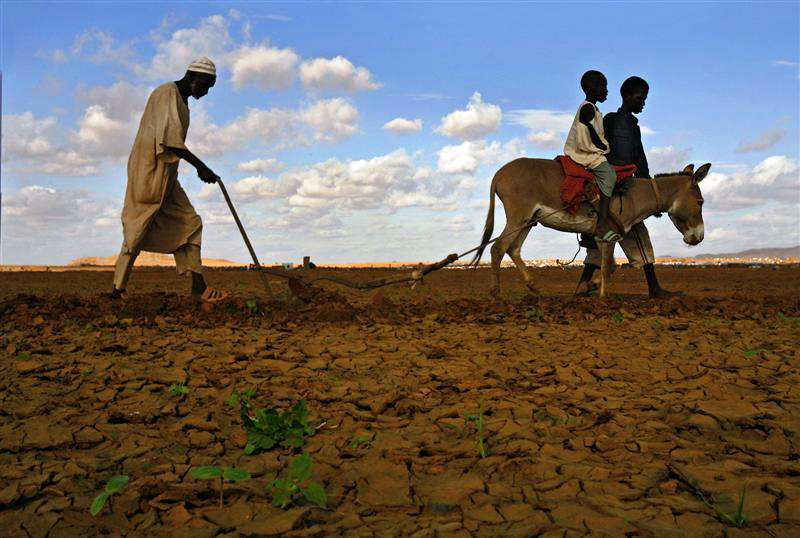
As countries around the globe prepare for the future implications and challenges climate change may cause, some African countries are already dealing with the results. Smallholder farmers have been seeing rising temperatures and experiencing mass crop failure in Malawi. A few years ago, a leader and an example to follow in agriculture, Malawi is now suffering through the worst drought in thirty years. Malawi has experienced widespread crop failures due to a devastatingly strong El Niño. The country witnessed a late onset of rains, erratic rainfall, floods and prolonged dry spells. As a result, the production of maize - the country's main staple crop - is estimated at just over 2.5 million tonnes in 2016. This is 16 per cent lower than the reduced harvest in 2015 and 34 per cent below the previous five year average. It has left 39 per cent of the population dependent on national and international food aid to survive While the effects are being shown first in Africa it is also the place where action is most urgent. Around 70 percent of the population in Africa are dependent on rain-fed, smallholder agriculture, and the ever changing climate is putting their security in jeopardy. Source - allafrica.com

19.12.2016

India - Small tea growers write to Minister; seek fair price, crop insurance

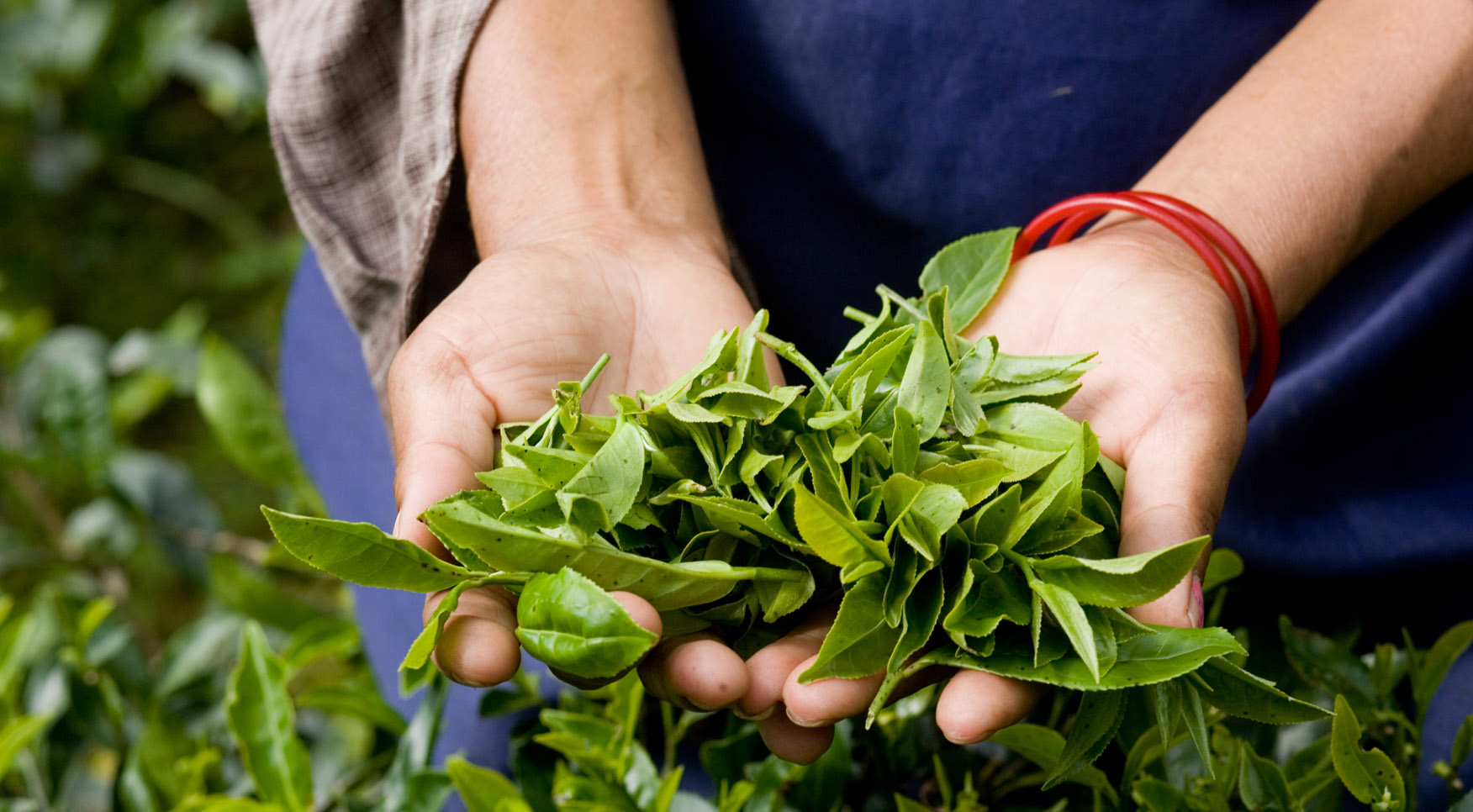
Seeking a fair price for their produce and crop insurance, scores of registered small tea grower societies in Assam and other tea-growing States have written to Commerce Minister Nirmala Sitharaman. Highlighting their contribution to employment generation and exports on the ocassion of the 12th International Tea Day on December 15, the letter written by these societies, located in Tinsukhia, Nagaon, Karbi Anglong, Golaghat, Sonitpur, Udalguri, and other States, also demanded “participatory enforcement of price sharing formula, better price for quality of leaf supplied, and making certified organic manure and pesticides available”. Bijoy Gopal Chakraborty, President, Confederation of Indian Small Tea Grower Associations (CISTA), said in a release that the “government must extend crop insurance scheme to all small growers without any delay and extend universal social security and health coverage for the workers in their gardens”. CISTA cited the Tea Board’s data in 2015-16 wherein small farmers contributed 33.85 per cent or 417.42 million kg of the 1,233.14-million-kg tea produced in India. In 1999, small growers’ contribution was only 1.16 per cent of the total production, it added. Bijit Basumatari of the All Bodoland Small Tea Growers Association said: “The financial allocation of the Tea Board of India is not in proportion to small tea growers’ contribution,” adding that “a greater share even now goes to the estate segment”. Source - http://www.thehindubusinessline.com/

19.12.2016

India - Poor insurance coverage, a threat to farmers

While poor rain this year in the district, the second lowest in the past 15 years, has hugely affected farming in Madurai, poor insurance coverage of crops has further increased the risk of considerable financial loss to farmers. Officials point out that the area covered under the insurance scheme, Prime Minister Fasal Bheema Yojana (PMFBY), for paddy was not even two-third of the total area. They said that the coverage for other crops was also poor.“It is worrisome since there is an apparent push from the government to compensate all losses to the farmers through insurance, instead of expecting special relief packages later,” a senior official, speaking on anonymity. Officials cite general disinterest among farmers as primary reason for poor insurance coverage. Farmers, on the other hand, have pointed out difficulties they faced while attempting to insure their crops. A particular issue raised during the farmers’ grievance meet at the Collectorate on Friday was the problems faced by tenant farmers, cultivating in leased land. P. Solaimalai, a farmer, said, “For applying insurance, we need a certificate from Village Administrative Officers. However, they are hesitant to issue the certificate for different reasons, one being the fear that the tenant-farmers may claim ownership over the land with the certificate,” he said. Echoing the issue, many farmers suggested that the VAOs could issue the certificate with a disclaimer that it was valid only for this farming season. Hearing the concerns, Collector K. Veera Raghava Rao assured that he had instructed all officials to avoid these bureaucratic delays. “Registered tenants should not have any issues in getting the certificate. Other tenant farmers can show appropriate documentation to get the certificates,” he said. Since many farmers who had sown paddy for the samba season had not insured their crop, they also requested extension of deadline, which ended on Thursday. However, S. Kanagaraj, Joint Director of Agriculture, Madurai, said that the suggestion was ruled out by the insurance company since the deadline had already been extended twice. “But the window is still open for paddy for navarai season, only in those villages that are approved for navarai cultivation. The farmers can make use of it,” he said. Mr. Rao also told The Hindu that the farmers should insure other rabi crops such as millets and pulses, for which the window was still open. “Due to failure of monsoon and awareness initiatives by district administration, many farmers this year had switched to millets and pulses, which is welcome. However, a considerable amount of area of these crops are not insured,” he said, adding that the district administration was willing to provide all help in getting these areas covered under insurance. Source - http://www.thehindu.com

19.12.2016

Spain - Earlier citrus harvest in Castellon due to fear of rainfall

The citrus harvest in the Spanish province of Castellon has been carried out at a quicker pace recently, given the possibility of more rainfall this weekend, which "could cause a lot of damage," as confirmed by sources from the agricultural organizations. In fact, the long rainy period of the past few days has caused considerable losses for the sector, with Clemenules orchards where it won't be possible to harvest any fruit. The harvest is moving quicker, although also with difficulties due to the great demand for oranges ahead of the Christmas period, mainly, in the European market. The president of the Provincial Producers' Federation of Castellon (Fepac-Asaja), Néstor Pascual, explained that "the harvesting process has accelerated a lot, although the excessive humidity in the fields early in the morning prevents the pickers from being able to start working until very late in the day, with the working day being also shortened by the earlier nightfall." Setbacks Another setback is the fact that "many orchards have been subject to fungicide treatments, and we must wait for the sanitary deadlines to be met." Moreover, there are quite a few insured plots with damages from previous storms which "are unable to do anything until an expert visits them, but the experts are currently overwhelmed because of all the damage there has been in Valencia," he said. The general secretary of the Unió de Llauradors, Ramón Mampel, confirmed that they are trying to "harvest as much citrus fruit as possible," and also noted that "we must wait and see what happens, but if it rains again, the situation could become even worse." Mampel stressed that "there has been no wind after the heavy rains and the humidity has not dried, so there is still fruit getting spoiled in a context where there is still a lot of Clemenules left to be harvested." As regards the remaining citrus varieties, which will arrive later, there are also concerns about the weather conditions possibly taking a toll on their production and quality. Source - elperiodicomediterraneo.com

19.12.2016

India - Promote crop insurance scheme

BJP members in the Telangana Assembly alleged that the State Government was not doing enough to promote Prime Minister’s Fasal Bima Yojana in the State to extend crop insurance to farmers. Raising the issue during the Question Hour in the Assembly here on Saturday, G.Kishan Reddy said the scheme with nominal premium was introduced in Kharif 2016. But majority of farmers could not avail it as the Government did not waive loans as promised and they could not avail fresh bank loans. The insurance scheme would be extended automatically along with new crop loans but with slow pace of loan waiver, farmers could not avail insurance scheme. Those farmers who had taken private loans were not getting covered under the insurance scheme and government should look into this, he said. Mr. Laxman said while the scheme was a boon to farmers, only 6.5 lakh farmers, not even 10 per cent of farmers, paid insurance premium in the State due to lack of awareness. In the BJP ruled states about 38 to 50 lakh farmers availed the scheme. Farmers should be encouraged to avail the scheme before the last date. Agriculture Minister Pocharam Srinivas Reddy said so far 29.49 lakh farmers were given crop loans in Kharif and Rabi and 6.5 lakh farmers availed insurance. Many could not avail as the cut off dates were advanced from September 30 and with good rains in June and July, farmers did not feel the need for insurance, he explained. New urban development authorities Municipal Administration Minister K.T.Rama Rao has said new urban development authorities would be created soon to cover new districts for a structured and planned development in addition to four UDAs covering Hyderabad, Ranga Reddy, Medchal, Warangal (Urban) Warangal (Rural), Sangareddy and Yadadri districts. A meeting would be organised with respective MLAs, he said in reply to TRS member M. Janardhan Reddy. Driving schools Transport Minister M.Mahender Reddy has said that in view of growing road accidents due to negligence of drivers, State Government proposed to set up driving schools in every district headquarters. The Rs.15 crore training centre set up by the Centre at Siricilla would start soon and train 30,000 drivers a year, he added. The Telangana and AP Transport ministers would meet next week to allow single permit system for lorries in both the States, he told the House. Source - http://www.thehindu.com

16.12.2016

Philippines - Banana output affected by typhoon

Banana production in the Philippines has seen a sharp decline this year. The third quarter saw a decline of 1.9% and fell to 2.3 million metric tons. This is in comparison to data collected a year ago of the same period. This troubling news comes from a new report by the Philippine Statistics Authority (PSA). The drop in output has been blamed on Typhoon Melor which hurt crops all around the country in December 2015. “This could be attributed to the following reasons: smaller fruits were harvested and fewer hills bore fruits in North and South Cotabato, due to the effect of drought in the previous quarters,” the PSA said in its latest report. “Nona also caused a decrease in the number of fruit-bearing hills in Oriental Mindoro,” it added. Not all varieties and regions were affected however. Some even saw growth, like the Davao region, which was the top banana producer for the third quarter, accounting for 39.37 percent of output in the third quarter. The region’s banana production grew 3.2 percent to 907,501 MT, from 879,781 MT recorded in the same period last year. “Higher production was reported in the Davao region, due to an increase in area and the number of bearing hills harvested for the Cavendish variety,” the PSA report said. Source - businessmirror.com.ph

16.12.2016

Chile - Up to 70% of grapes affected by splitting due to rainfall

The unusual rains recorded last week in central Chile caused significant damage to producers in the area. With an intensity of between 20 and 45 mm in the grape-producing districts of the Valley of Aconcagua, Santa María, San Felipe and San Esteban, only a few days after the alert situation, growers in the region confirm that the main problem is the splitting of the fruit. "In Santa Maria and the lower part of San Esteban, it rained up to 30 mm, so in the beginning we expected the damage to be great, but fortunately, we have only observed approximately 10% of splitting. In the upper part of San Esteban, Lo Calvo and El Cobre, however, we have confirmed that up to 70% of the fruit is affected by splitting, mainly the Flame variety, which is the earliest in this area," confirmed Leonardo Valenzuela, of the association Mi Fruta. Also, our sources reported that fungi did not take long to appear, and in the case of the Red Globe variety, burn damage was verified. "The presence of powdery mildew has been confirmed, so we will have to carry out strict and continuous phytosanitary controls. We have also verified magnifying glass effect damage to Red Globe grapes, probably because of the rain that remained on the fruit, which burned it when the sun rose," stated the producer. "Although there will be a decrease in the area's production, we believe that this situation will not take a significant toll on exports, because the area does not produce very large volumes. The rains did not cause as much damage as we thought in the beginning. It will only affect the Flame variety and a bit of the Superior, because the valley didn't yet have many volumes to be harvested," concluded Valenzuela. Source - http://www.freshplaza.com

16.12.2016

India - Make sure all farmers apply for crop insurance

Mohammed Mohsin, district in-charge secretary, has directed officials of Agriculture and Horticulture Departments to work on a war-footing to make farmers apply for crop insurance in the prevailing drought conditions. Chairing a review meeting at the ZP meeting hall here on Thursday, he said that extensive awareness campaign should be launched in the rural areas to bring the farmers under the cover to get maximum benefit of the scheme. “With only a fortnight left for rabi farmers to apply for the insurance, the officials must see that all of them get the cover,” Mr. Mohsin said. Meanwhile, Deputy Commissioner K.B. Shivakumar informed that toor, the major crop of the kharif season, had witnessed heavy loss owing to deficit rain. He said that the district did not receive rain from October 1 owing to which the crop had withered away substantially. He said that the district administration had sought Rs. 215 crore from the government to provide crop compensation. Regarding the drinking water arrangements in parched areas of the district, he said that till Wednesday the district administration was supplying water through tankers to 15 villages. Mr. Shivakumar said that Rs. 12 crore had been sought from the government for drinking water. He said that to meet the demand of fodder, two fodder banks had been set up, one each in Vijayapura and Muddebihal, and adequate quantity of fodder stored. “We have decided to procure at least 200 tonnes of fodder in the coming days to meet the demand,” he said. While reviewing the progress of the Tourism Department, the official said that while the government had granted funds to the department for ‘Karnataka Darshan’ to the students, the Public Instruction Department still has not taken use of the funds though the information was given to the department in June itself. Mr. Mohsin asked Mr. Shivakumar to issue notice to the DDPI seeking the reason for the delay. ZP CEO, Sundresh Babu and officials of various departments were present. Source - http://www.thehindu.com

16.12.2016

India - Weather-based crop insurance: 14 reinsurers under lens for non-payment of over Rs 1,000 cr tax

At least 14 public and private re-insurance firms are being probed by the Director General of Central Excise Intelligence (DGCEI) for non-payment of service tax of over Rs 1,000 crore on re-insurance of weather-based crop insurance provided to farmers in Maharashtra between 2011 and 2016. The service tax department has issued show-cause notices to General Insurance Corporation of India (GIC) and New India Assurance. The department has demanded Rs 388 crore from GIC and Rs 45 crore from New India Assurance. “Weather-based crop insurance is a government scheme… exempt from service tax. But the insurers have reinsured the insurance by other insurers. That reinsurance is not exempt from service tax. We are asking them to pay service tax on the premium which is being paid,” said a source. “While the probe is complete in three cases, as of now notice has been issued to two insurers. Apart from these 11 other companies are being investigated,” the source said. The weather-based crop insurance scheme provides coverage and financial support to farmers in the event of failure of crops due to adverse weather. The DGCEI is now planning to write to its Delhi headquarters requesting the agency to probe all re-insurance of weather-based crop insurance across the country, said sources. “In reply to the show-cause notice, GIC has defended its stand for not acknowledging the service tax liability on the strength of the exemption notifications issued by Centre from time to time,” said the official spokesperson of GIC. GIC said that before July 2017, the central government exempted the taxable services in relation to general insurance provided under the Weather-Based Crop Insurance Scheme or the modified National Agricultural Insurance Scheme, approved by the Government of India and implemented by the Ministry of Agriculture, from the whole of service tax leviable under Section 66 of the Act. From July 2012, the government “exempted certain services of general insurance business provided under various schemes from service tax, one of which is Weather-Based Crop Insurance Scheme or the Modified National Agricultural Insurance Scheme”. “Further Service tax being an indirect tax, if levied on re-insurance transaction would be collected from the insurance firm directly collecting premium from the customers. This service tax charged would be a cost for the insurance company since the credit of the same would not be allowed under Rule 6 (1) of the CENVAT Credit Rules, 2004. If these services were taxable, the premium payable by the farmer or the central/state government would have been higher,” said the officials spokesperson of GIC. According to the service tax department, under section 66 F 1 of the Service Tax Act unless specified, reference to a main service cannot not include reference to a service which is used for providing main service. Since re-insurance is not specified in the Act it is not exempt from service tax. Email and phone calls to New India Assurance did not elicit any response. Source - indianexpress.com

16.12.2016

USA - Farmers need crop insurance protection

Crop insurance is the cornerstone of any farmer's business plan. "Times are not good. The USDA's net farm income projection is continuing to go down," reported Doug Yoder, crop agency manager for Country Financial, who spoke to farmers at a crop seminar held recently in Princeton. "My point is this is not the time to go without protection. The revenues are not going to be where you (farmers) are going to be able to break even," he added. "I agree that farmers are going to have to sharpen their pencils and cut costs. This is not the time to cut crop insurance in my opinion. This is your safety net. "We are in bad times. They (crop insurance payments) are designed to kick in during bad times," Yoder told farmers. "You are capped at 10 percent and get it on 85 percent of your base acres." No payments were made through this program during the good times with record markets, but payments kick in during bad times when the markets are down as they are now, stated Yoder. Payments go down when markets go up, and payments go up when markets go down as Congress designed this program in the 2014 Farm Bill. Price Loss Coverage (PLC) paid for the first time in 2015 due to the grain markets being too high in 2014 for farmers to get a payment through the Farm Bill. This year the markets dipped enough that corn was paid 9 cents a bushel on a farmer's established yield on 85 percent of their acreage, he reported. There were no payments for beans because the market was too high for this year's crop to get any payments from FSA. Only two of the 102 counties in Illinois didn't get a payment through Agriculture Risk Coverage (ARC-Co.) with 98 percent of Illinois farmers taking ARC-Co., obviously the most popular choice, added Yoder. For beans, 79 counties got a payment from last year's crop,and 91 counties in the state got a payment for wheat. There was a net of $74 an acre in corn after all the cuts were computed, $43 in beans and $32 in wheat for Bureau County farmers. Yoder believes crop insurance has two deductibles for farmers besides the program's maximum coverage of 85 percent, a 15 percent deductible. "In my opinion, you also have a second deductible of APH (actual production history). There are 10 years of crop yields in your database, and that means the records could go back 20 years if you rotate corn and soybeans on a field," he said. "The yields you got 20 years ago aren't as good as you are getting now because of higher yields with better producing varieties. This means a farmer's APH will be impacted by the lower yields they got many years ago." Yield exclusion allows farmers to drop from their APH database when the county average yield for that crop year is at least 50 percent below the 10 previous consecutive crop years' rolling county average. Illinois had the highest number of producers utilize yield exclusion in 2015 in corn and soybeans, the first year this option was available under the current Farm Bill established in 2014 by Congress, he said. Farm level Chapter 11 bankruptcies are up 20 percent in the last two years, showing the hard times that farmers are facing in today's marketplace. Source - http://www.bcrnews.com

15.12.2016

India - Lukewarm response to Centre’s crop insurance schemes

Gopi, a farmer hailing from Wayanad district, was expecting a bumper crop from his paddy fields, but unfortunately things went awry and he suffered heavy losses at the end of the harvest. Blame it on the deficient monsoon rains, which resulted in low yield. Like Gopi, there are several farmers across the state who have suffered monetary losses after crop failures. Startlingly, even such adverse conditions have failed to rouse the state ryots to take up the Centre’s flagship crop insurance schemes - Restructured Weather Based Crop Insurance Scheme (WBCIS) and the newly-introduced Pradhan Mantri Fasal Bima Yojana (PMFBY). While PMFBY scheme is still in the implementation stage in the state, data shows that only around 22,000 farmers in Kerala have enrolled under the restructured WBCIS during the Kharif 2016 season for which the notification was issued by the State Government in July 2016. “I have suffered monetary losses for the second year running owing to poor rainfall. I’m a medium-scale farmer and have never thought of taking insurance cover before. But with unpredictable weather conditions becoming the order of the day, I think the time has come for farmers like me to enroll under the insurance schemes to compensate for the losses,” says Gopi. Sources said that of the total enrolments so far in the state, majority are loanee farmers for whom taking crop insurance is mandatory. When contacted, officials with the Agriculture Insurance Company (AIC), which is the implementing agency in the state, blamed the State Government for the tepid response from the part of farmers towards the insurance schemes. “Kharif 2016 was the first season after the Centre launched the PMFBY along with restructured WBCIS. There was an initial delay from the part of the State Government in issuing the notifications. We hope more farmers will become part of the insurance schemes, once the schemes are implemented in full scale,” said a senior official with the Agriculture Insurance Company (AIC). While the official data stands at 22,000, AIC officials said the number of farmers enrolled under the WBCIS in the state has gone up to 35,000 in recent days. Source - http://www.newindianexpress.com

819
of 1225