

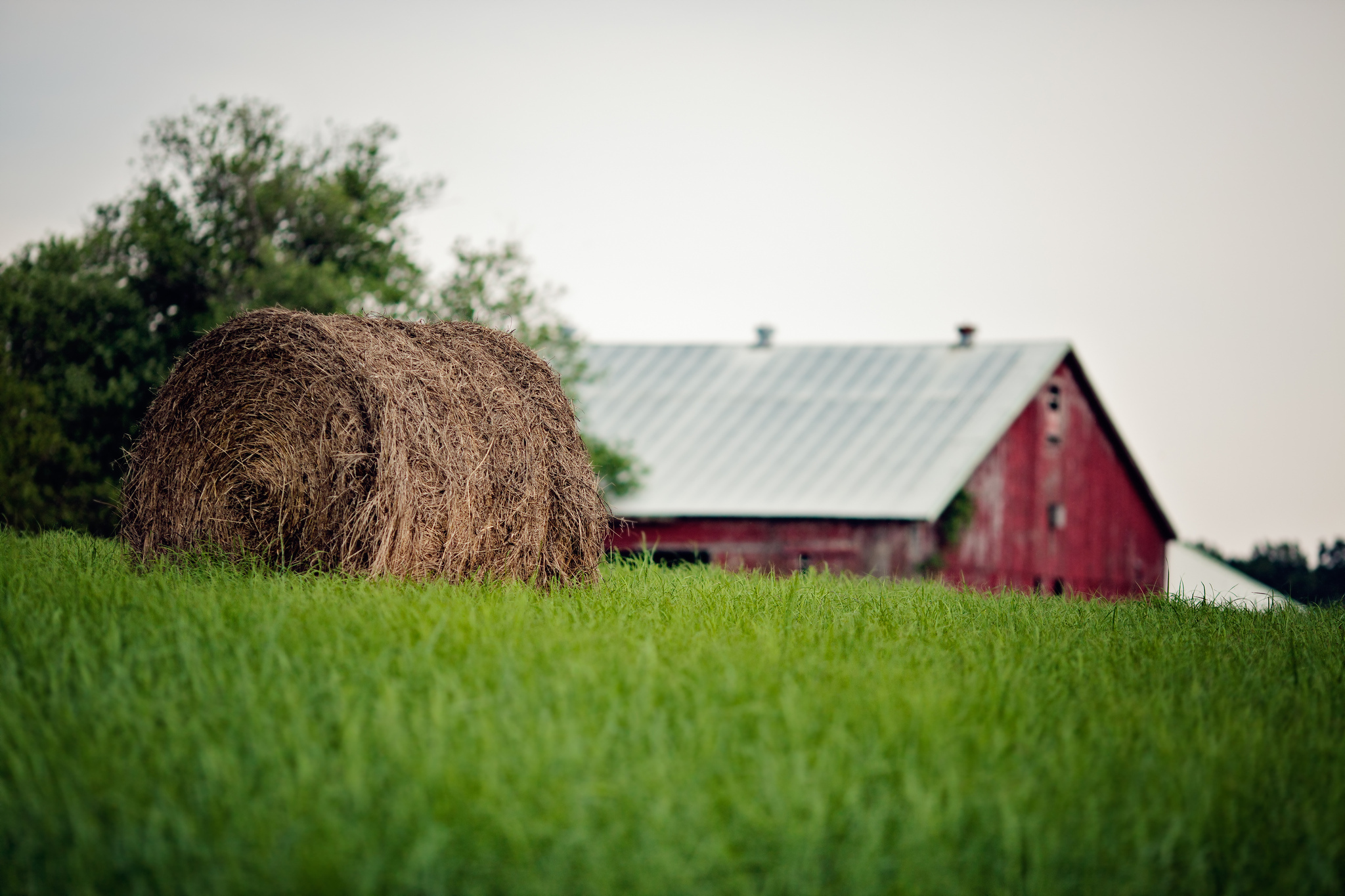
USA - Let's improve soil and water quality with crop insurance
20.12.2016 348 views
If there are two things that every farmer I know has an opinion about, it’s water quality and crop insurance. But we don’t talk enough about how crop insurance affects water quality and soil health. We need crop insurance to help farmers manage risk. But could crop insurance also encourage farmers to implement practices that are better for water quality and soil health? I believe it can.
There’s a powerful opportunity for crop insurance to encourage conservation practices. Right now, farmers and the government split the cost of crop insurance premiums. What if the government paid a larger share to farmers who practice conservation? If my crop insurance agent offered me a lower crop insurance premium because I plant cover crops, I’d definitely try to plant cover crops every year. I’m sure my neighbors would say the same.
Currently, though, crop insurance creates some barriers to conservation. For example, USDA has policies called “cover crop termination guidelines.” They say farmers have to spray or till a cover crop by a certain time to be eligible for crop insurance. Their concern is that a cover crop left in too long will lower yields of the main crop. Mounting evidence shows that if properly managed, cover crops actually can help enhance yields. But this ends up discouraging growers from planting cover crops. USDA could remove these restrictions today. Cover crops are good for our soil and water, so this would be a step in the right direction.
There are a few ways where crop insurance and conservation are linked. For example, the last farm bill created the “sodsaver” provision. The government doesn’t pay any of the share of crop insurance premiums on land converted from grasslands. Native grasslands are valuable habitat for wildlife and native grass species. I think it’s good that we’re paying extra when we take acres out of native grassland.
It’s not a perfect system though. Right now, “sodsaver” only applies to six states in the upper Midwest and Great Plains. Our next farm bill should expand “sodsaver” protections to the entire country. Also, under “sodsaver,” the government pays a share of the crop insurance premium on newly broken native sod if farmers then plant a non-annual crop for four years after tillage. Some call this the “alfalfa loophole.” It isn’t a good practice. Native grasses build much richer and healthier soils than alfalfa. Crop insurance rules should reflect that.
Finally, you might remember that the last farm bill reinstated conservation compliance. It linked conservation plans with commodity payments and crop insurance. This was a really good step in the right direction. But it would be stronger if the requirements for conservation plans were more robust. For example, we could lower the acceptable soil erosion rates allowed on conservation plans. Plans could also require farmers to treat ephemeral gullies. Both would help with soil and water health.
These are just a few ideas for how we could change crop insurance to encourage more conservation of soil and water. It will be important to seriously consider these ideas we enter the next farm bill debate. Because we can make crop insurance work better for farmers, taxpayers, our soil and our water. Let’s do it.
Source - http://www.desmoinesregister.com
EVENTS

ScaleAgData Stakeholder Engagement Event
22.10.2024The ScaleAgData project is pleased to invite you to our second stakeholder event. Building on the discussions and connections formed during our first webinar, this event will focus on fostering collaboration among stakeholders, providing updates on our project’s progress, and outlining future opportunities for engagement.
RISK EVENTS

Moldova - May frosts caused heavy damage to fruit orchards
10.05.2026The first frosty nights of May have significantly worsened estimates of damage to Moldova's fruit sector from spring frosts. According to initial assessments by fruit market operators, between a quarter and a third of the country's total orchard area was seriously affected.
04.06.2026

India - Delhi raises crop damage compensation after 10 years by over 50% to Rs 75,000 per hectare
In a major relief for farmers, the Delhi government has increased compensation for crop loss caused by rain and hailstorms from Rs 20,000 per acre to Rs 75,000 per hectare.
04.06.2026

Why Tech-Driven Agro-Insurance Has Stumbled in Ethiopia
For decades, Ethiopia’s agricultural sector has remained trapped in a dangerous paradox.
04.06.2026
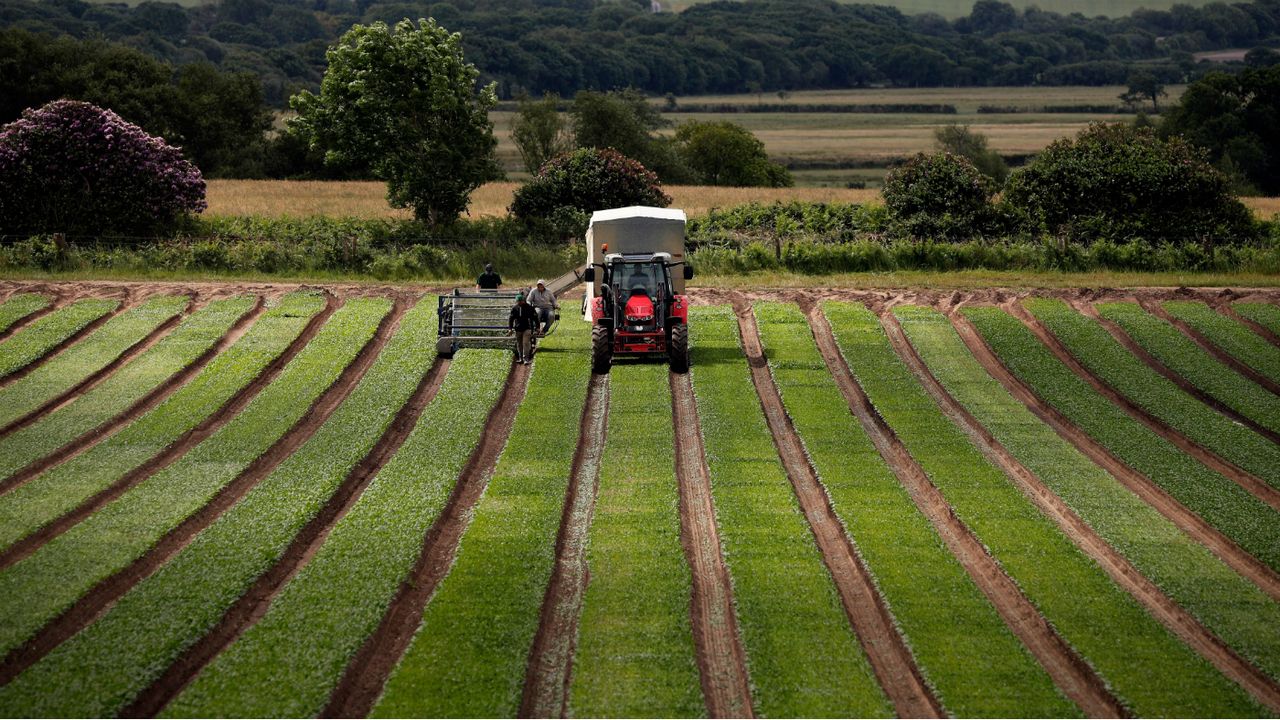
UK - Rural crime cost Wales £2.2m last year despite fall in offences
Rural crime cost Wales an estimated £2.2 million last year, with organised criminals continuing to target tractors, livestock and farming equipment despite an overall fall in offences, according to a new report.
04.06.2026

Kenyan Agro-Insurance Startup, Pula Raises US$ 20 Million in Series B Round
Pula, a Kenyan startup that offers insurance to small-scale farmers, aims to serve more than 100 million farmers in Africa after raising US$ 20 million in its Series B round.
04.06.2026
USA - USDA announces $52M to boost public access to private lands for hunting, fishing
The U.S. Department of Agriculture is announcing $52 million to help state and tribal governments encourage private landowners to allow public access to their land for hunting, fishing and other wildlife-dependent recreation through the Voluntary Public Access and Habitat Incentive Program (VPA-HIP).
04.06.2026

Hope Grows in Malawi’s Grain Stores as Farmers Battle Post-Harvest Losses
Some grain rots in poorly ventilated storage. Some is eaten by pests. Some is damaged during drying or transportation before it ever reaches the market.
03.06.2026
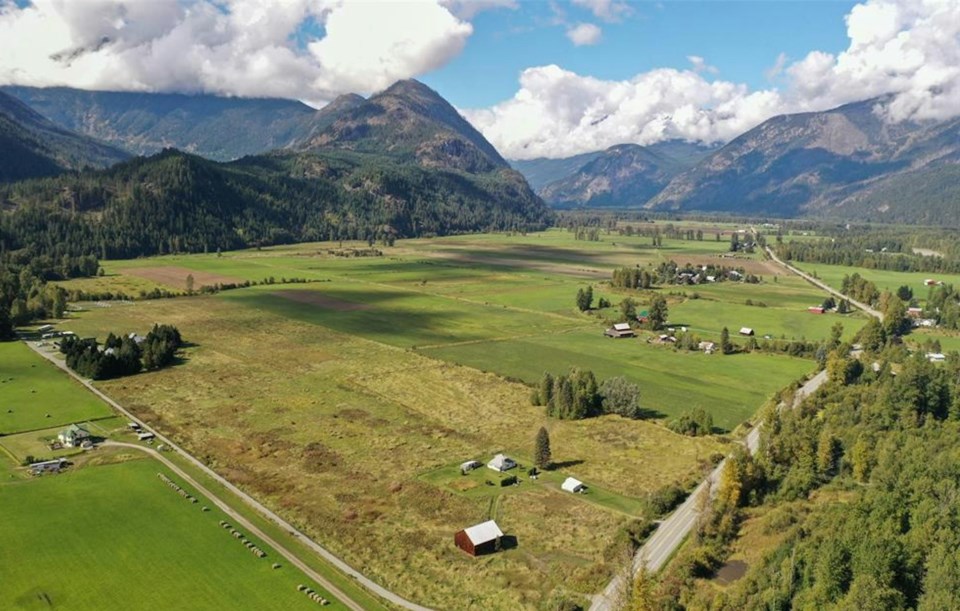
Canada - AFSC extends several northern Alberta seeding dates for 2026
Alberta’s Agriculture Financial Services Corp. (AFSC) is extending the recommended seeding dates in the province’s northeast, northwest and Peace regions for several crops for the 2026 growing season only.
03.06.2026

India - Elephants run amok in Konaje agricultural farm, cause massive crop damage
A herd of elephants, including calves, wreaked havoc on an agricultural farm belonging to Yashodhara Gowda at Pallattadka in Konaje village of Kadaba taluk.
