NEWS
823
of 1225
News
02.12.2016

Peru declares water emergency in several agricultural areas

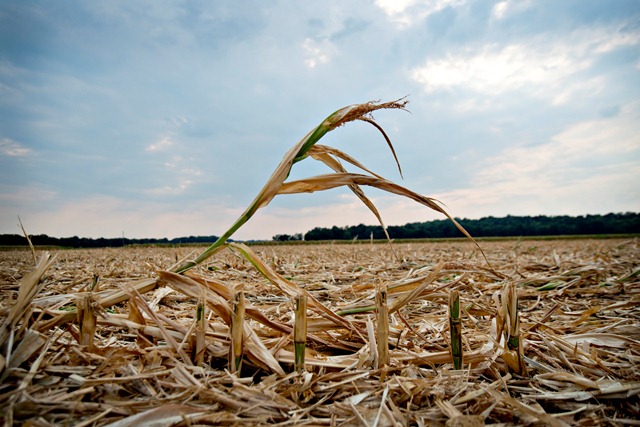
On Tuesday, the Peruvian government declared a water emergency in several agricultural production areas in the country, due to the lack of rain, while setting up some measures to mitigate the impact of drought due to climate change. In a resolution published in the official gazette, El Peruano, the Ministry of Agriculture and Irrigation said the emergency would last for nearly 90 days and that it would cover 28 river valley units, located in the north, the center, and south of the country. Peru, which is primarily a mining country, has recorded a sustained growth of agricultural exports in the last few years, due to the expansion of the agricultural frontier, thanks to new irrigation systems and investments in the sector. Last year, agricultural exports, mainly of table grapes, asparagus, avocado, and mangoes to the United States, China, and Europe, amounted to US $5.1 billion, accounting for nearly 15% of all the country's shipments. To deal with the drought, the government has set up a series of measures, such as installing emergency committees in the affected areas, rationalizing water resources, and controlling the distribution of river flows, among other actions. In a statement, the Ministry of Agriculture and Irrigation said that, to date, there were 37 valleys in emergency and 350,000 hectares affected by the drought. "The lack of rain and climate change are causing this drought, not only in Piura, but in other parts of the coast, mountains and jungle," said the sector's minister, Jose Manuel Hernandez in a statement. In recent weeks, the lack of rain has made it difficult to control forest fires, which have destroyed some 22,000 hectares of natural and protected forests in the north and south of the country, according to official reports. Peru is home to one-tenth of the Amazon rainforest and is one of the 10 countries with the highest biodiversity in the world. Source - americaeconomia.com

02.12.2016

Lebanon - Citrus growers hit by frost

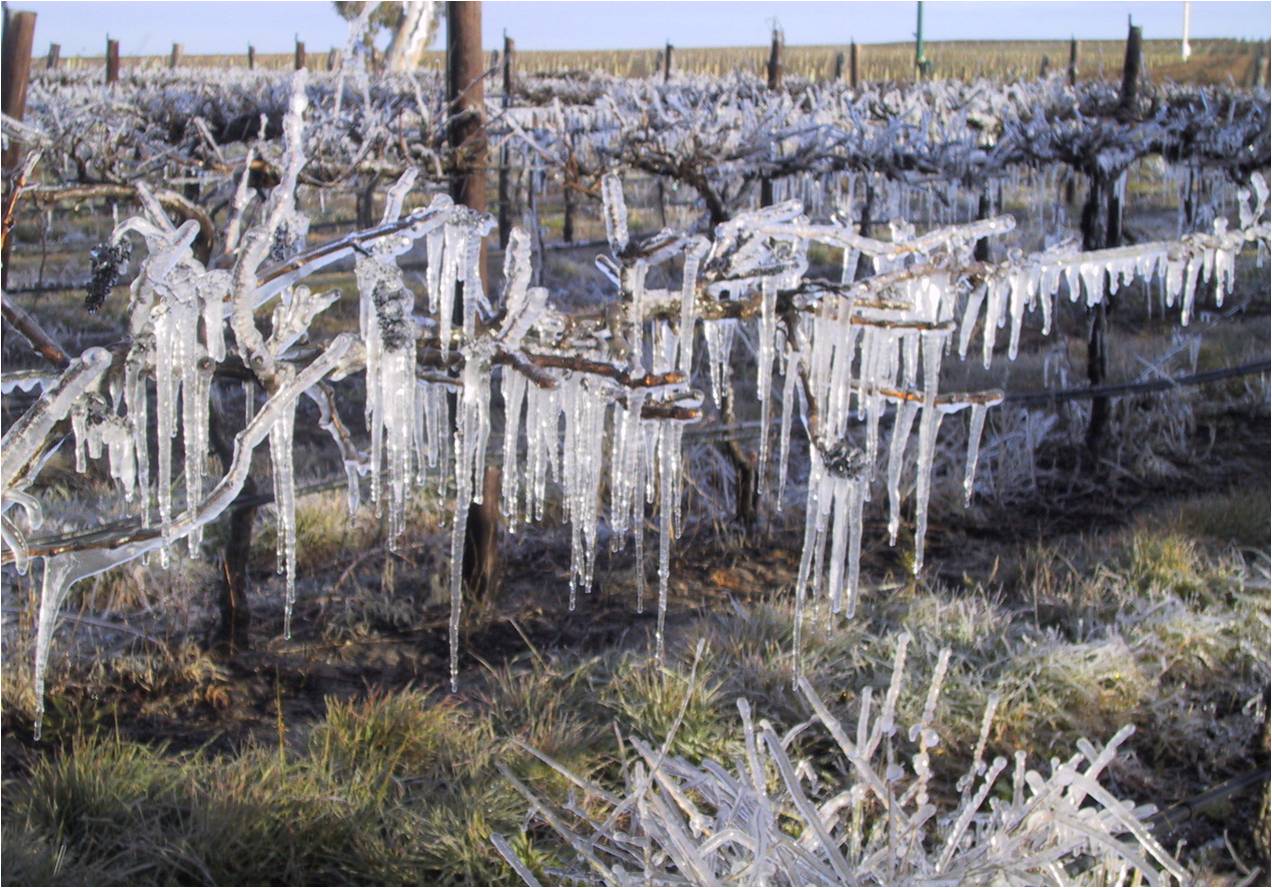
Lebanese citrus growers in the Akkar District are asking the authorities in the State to assess the damage caused by the cold wave that hit the region, which will cause significant losses. Producers have also asked for a halt to the introduction of Syrian agricultural products to Lebanon and for the granting of compensations to growers in the north. The cold wave has apparently also caused damage to infrastructure. This situation adds to the tragedy experienced by producers since the year 2011 with the start of the Syrian crisis and the closure of the borders that prevented exports by land, as explained by the President of the Lebanese Farmers Association, Antoine Hwaik. The agricultural sector has been hit hard by the halt of exports and the inability of the cargo to reach the Gulf states, taking a toll on the competitiveness of Lebanese agricultural products in foreign markets. He pointed out that citrus growers are currently suffering especially from low prices because of the Syrian crisis. He said that the citrus export volume in 2011 reached over 100 thousand tonnes, after which it started a steady decline estimated at 58 percent, with an export volume in 2015 that stood at about 40 thousand tonnes. Sources - annahar.com

02.12.2016

Spain - Rainfall to spoil around 100,000 tonnes of clementines in Castellon

The abundant rainfall recorded in the province of Castellon, which has brought the orange harvest to a halt for almost a week, will result in around 100,000 tonnes of clementines, mostly Clemenules, being spoiled. Although it is still soon to make this assessment, as the real impact will be assessed a few days after the rains stop, the union Asociex and the two largest agricultural organizations, agree that the volume of fruit that will be left without commercial value will at least be close to that figure. The main issue is that the clementines have remained wet for many days and this will cause the appearance of the Pixat fungus, which had a very negative impact on the development of the campaign two years ago. Thus, even though last Monday, La Unió estimated the share of fruit affected at 20%, this percentage could be greater, since the rains still continue and there will be even more days of humidity. This is happening at a point when the fruit is at an advanced ripening stage and with temperatures "that are not as low as we would like," as pointed out by the head for citrus at Fepac-Asaja, José Francisco Nebo. The impact of the Pixat fungus will result in plenty of fruit being discarded at the warehouse, with the consequent increase in handling costs, as explained by Asociex president Jorge García. At the same time, it will also mean that, on some farms, "it will no longer be possible to go in and harvest the fruit," affirms José Ramón Urbán, of La Unió. The fact is that when more than 30% of the fruit in an orchard is left unharvested because it has deteriorated, it is no longer viable to harvest at all, "because this percentage increases exponentially in the warehouse and the fruit's handling becomes unfeasible," states García. Thus, after almost a week without new fruit, while they have continued supplying their customers, the warehouses of traders and cooperatives are practically empty. Given this situation, the sector has asked for caution once the rains stop, since there may be a hurry to supply the markets and it is essential to prevent shipments of fruit lacking in quality. And all this is happening while large chains in the province are selling fruit from South Africa, as denounced La Unió. Source - http://www.freshplaza.com

02.12.2016

India - RS members seek more time for farmers to payback crop loan

More time should be given to farmers to pay interest on their crop insurance loans in view of the government's demonetisation move, Rajya Sabha members said today. A Navaneethakrishnan (AIADMK) raised the issue during Zero Hour, saying the farmers are facing problems in paying interest on their crop insurance loans due to paucity of cash. "The date of payment should be (extended) as farmers are facing problems," he added. T K Rangarajan of the CPI(M) too raised the issue saying that the date should be extended by 15 days to help farmers pay interest on their crop insurance loans. T Subbarami Reddy (Cong) raised a Point of Order saying Minister of State for Finance Arjun Ram Meghwal has made a "misleading statement" regarding cash available with the Reserve Bank of India (RBI) and the banks. He quoted the Minister as saying that there was sufficient cash with the RBI and the banks, and said this is wrong as there is no cash. Anand Sharma (Cong) too raised the issue saying it was a "serious matter". Deputy Chairman P J Kurien then said he has given a ruling and directed the government to reply to Reddy's Point of Order during the discussion on demonetisation. Madhusudan Mistry (Cong) said "we don't want reply (from government), we want cash." Shantaram Naik (Cong) said he has moved a notice on breach of privilege by the Prime Minister for his statements outside Parliament. R Ananda Bhaskar (Cong) raised the issue of cashless transactions and cyber security and said the government is yet to take note of this issue adding that cyber criminals are targeting cashless transactions and if the system collapses then consumers would not be able to use their cards to make payments. K K Ragesh of CPI(M) raised the issue of steep fall in prices of coconut. He said coconut farmers in South India, especially Kerala, have been impacted by the fall in prices and asked the Centre to come to their aid. Agriculture Minister Radha Mohan Singh said there is a minimum support price for coconut and if state governments reach out to the Centre, it will act on the issue. Sanjiv Kumar (JMM) raised the issue of violence and bandh in Jharkhand over protests on the amendments in the tenancy laws Chotanagpur Tenancy Act and Santhal Paragana Tenancy Act. Source - http://www.moneycontrol.com

02.12.2016

Philippins - PCIC calls on farmers to catch up with free crop insurance benefits

The Philippine Crop Insurance Corporation (PCIC) urged farmers of the province to avail of the free crop insurance benefits before the year ends as funds are still available. PCIC Regional Manager Florentina Pugal extended the invitation to farmers during the Farmer’s Event in the recently concluded Adivay Festival. PCIC is the country’s sole crop insurance provider. It is mandated to provide insurance protection to qualified farmers and other agricultural stakeholders against losses of their crops and produce, including their farm machineries and equipment, transport facilities and related infrastructure arising from natural calamities, pests and diseases, and other perils beyond their effective control. The PCIC office is based in Urdaneta, Pangasinan but they established an extension office in Bekkes, Abatan, Buguias to cater to farmers in the province, Pugal informed. Based on the figures provided by PCIC Marketing and Sales Division Chief Raul Servito, A total of 1,180 farmers availed of free insurance services of the PCIC. The amount of P12.397 million has not been utilized for 2016. Farmers who   availed of the free insurance are those engaged in crops such as high value commercial crops which compose majority of farmers while some are palay and corn producers. There were also those engaged in livestock and fisheries and those with non-crop implements insurance such as farm machineries, equipment and transport facilities. Only 54 insured farmers affecting their high value commercial crops were able to claim for indemnity with an aggregate amount of P1.035 million damaging their crops during the onslaught of past typhoons. Pugal said those interested to avail of the free crop insurance benefits should apply first before planting. They may seek the help of their respective Office of the Municipal Agriculturist in their towns for assistance. The required documents for such crops are accomplished application form for insurance, parcellary or location map, list of growers if applicable and other documents that may be required by PCIC. Source - http://news.pia.gov.ph

01.12.2016

Smarter farming could cut hunger in Africa

Southern African farmers facing hunger as a result of worsening drought know a lot about climate change, but lack the resources to put solutions that work into place, agriculture and development researchers say. That is in part because government agricultural extension services, which offer training and advice to farmers, have too few agents, according to a report by the Technical Centre for Agricultural and Rural Cooperation, based in the Netherlands. In many cases, farmers are simply not aware of potential solutions, said Oluyede Ajayi, a senior program coordinator with the centre, speaking on the sidelines of a regional meeting in Johannesburg on scaling up climate-smart agricultural solutions. Such shortcomings are one reason an ongoing drought in southern Africa has left 23 million people dependent on food aid, with another 13 million in need of help, according to the Southern African Development Community, which launched a $US2.8 billion emergency appeal in July. But a new regional push, focused on promoting four key actions to adapt agriculture and curb growing hunger, could help, Ajayi said. The best ways to assist southern Africa's farmers, agricultural experts said, are by increasing their access to insurance for crop failure and livestock deaths, and giving them better weather advice via mobile phone. Helping them diversify their sources of income also is key, they said, as is developing stress-tolerant seeds and better ways of managing land to conserve water. One way of diversifying incomes and reducing risk, researchers said, was for farmers to raise fewer cattle and more drought-resistant animals such as chickens and goats - or even protein-rich insects. Many farmers, who pride themselves on their cattle, have so far resisted that switch. "Goats, sheep and chickens are considered animals that can take care of themselves, unlike other animals," said Shikhalazo Dube, a southern African representative of the International Livestock Research Institute. Southern Africa so far this year has lost over 630,000 cattle, worth an estimated $US220 million, to drought, according to the U.N. Food and Agriculture Organisation. That money could have been saved if farmers had taken out insurance on their livestock, slaughtered them early in the face of drought warnings or found ways to feed them as pastures dried up, said Godwin Mashiri, a micro-insurance expert with mobile phone company Econet Wireless, based in Zimbabwe. But persuading farmers to buy indexed insurance, which provides payouts when certain weather triggers are reached - such as a certain number of days without rain - remains a struggle, he admitted. "Farmers in southern Africa have mobile phones and may be aware of weather index insurance products offered via mobile phones but their lack of understanding of and trust in insurance products meant they suffered losses when they could have taken some insurance on their livestock," Mashiri said. In Zimbabwe, some farmers in Mashonaland East province have adapted to the dryer weather by growing drought-resistant feed for their livestock, such as cowpea or velvet beans, alongside maize, the region's staple crop. The project, funded by the Australian Centre for International Agricultural Research, has helped dairy farmers keep animals alive and helped them avoid buying costly commercial feed to get their animals through the drought, Dube said. Similarly, farmers who are growing stress-tolerant maize using water-conserving techniques have seen their harvests rise by as much as 130 per cent, Christian Thierfelder, an agronomist with the International Maize and Wheat Improvement Centre (CIMMYT), told the Thomson Reuters Foundation. But most farmers in southern Africa have been slow to make the switch, he said, because of lack of knowledge about the options or lack of capacity, such as access to seeds or needed machinery. Some also worry about controlling weeds under the new system, which reduces plowing of the soil. Globally, 150 million hectares of crops are grown under "conservation agriculture" techniques, but only 10 per cent of small-scale farmers in southern Africa have adopted them, Thierfelder said. Such climate-smart agriculture is seen as key to helping farmers survive weather shocks, adapt to climate change and improve food security, according to the UN Food and Agriculture Organisation. Source - http://www.townsvillebulletin.com.au

01.12.2016

India - Collector reviews PM crop insurance scheme

Collector Om Prakash Shrivastav gave the instructions in the review meeting on Wednesday that each and every farmer should take the benefits of PM crop insurance scheme, he said with the help of the ground personnel of agriculture and concerned department the information regarding crop scheme should reached to every farmer, no farmer should be deprived from this scheme, these types of efforts should be done by the employees. The meeting held at collectorate in which NABARD, Central cooperative bank, Lead bank, agriculture, horticulture, cooperative including branch managers of the banks were present. Source - http://www.freepressjournal.in

01.12.2016

India - Odisha farmers suffer huge losses in paddy crop due to bad quality seeds

In Odisha's Nauapada district farmers have alleged that they suffered huge losses in paddy crop in the current Kharif season because government's sale centres provided them bad quality seeds. According to Krushak Shakti Sansthan (KSS) at least 17 farmers have lost their crops because of of bad quality or outdated seeds in district's Domjhar panchayat alone. The KSS, however, added that the situation prevails all over the district and the actual numbers of the farmers hit by crop failure is much higher. A farmer, Basant Behera from Domjhar village, alleged that he cultivated high yielding paddy varieties MTU 1001 and Puja in his three acre of irrigated low land but lost all of the crop because of seed failure. Behra said that though the seedlings were healthy and the crop growth was very good yet there was no fruiting at the end. He further added that after growing healthily, all the plants turned grey without yielding a single sprout.Farmers said that they did not get seeds at any of the sale centres in Naupada district, so they bought it from sale centres in the neighboring Bangomunda block of Balangir district. KSS said that because of the huge crop losses that farmers suffered, now they are not in the condition of repaying the loans they had taken from the banks. It's not that farmers of only Domjhar panchayat have suffered crop loss. According to KSS, farmers in other panchayats too suffered losses due to bad quality seeds. For instance, unavailability of seeds in the markets as well as government sale centres forced the farmers of Palsada village to use old seeds from their own stocks leading to far lower yields. KSS suggested that there should be immediate intervention into the issue to provide help to the victims of crop loss. It also demanded that the concerned government must have a vigil on such actions which threaten the livelihood and food security of the marginalised section across the country. Source - http://www.merinews.com

01.12.2016

Austria - Severe frost damage to fruit

This year's dessert fruit produce grown in orchards (with the exception of elderberries and amonia) came to 84,200 metric tonnes, according to Statistics Austria. This translates as one third of a normal harvest (based on a ten-year average) and less than one third of the previous year's figure (-67%). This year's cold spring is primarily responsible for the bad harvest, which caused great damage, especially in the Styrian orchards. Almost all fruit sorts were affected. The small amount of dessert fruits which could be harvested this year were lacking quality - many of them were deformed or rotten inside, or had been otherwise badly affected by the frost.Stone fruit grown in orchards amounted to 65,000 metric tonnes this harvest, 71% less than last year. Compared to the ten year average, this amount was distinctly low (-69%). 93% of the fruit were apples (60,800 metric tonnes, -72% compared to 2015) of which 58% were from Styrian orchards. The pear harvest yielded 4,800 metric tonnes, down 52% from last year. With stone fruit, half of a normal harvest was achieved. The production amounted to 6,600 metric tonnes, which corresponds to a loss of 50% compared with the previous year. With apricots, a harvest volume of 4,200 metric tonnes was achieved (-39% from 2015), whereby yields varied widely according to the regional situation - from comparatively high yields to the frost-induced utter loss of harvest in parts of the Wachau. The damsons amounted to only 840 metric tonnes, (-66% from 2015). Cherries and sour cherries totalled 780 metric tonnes (-61% from last year). When it came to berries (excluding elderberries and aronia), the smallest losses were recorded. However, here too, with an amount of 11,900 metric tonnes, only a below-average result was achieved (-32% from the ten-year average). Compared to 2015, a drop of 29% was recorded. The aronia harvest, (collected for the first time) amounted to 1,400 metric tonnes. These fruits are mainly processed into juices or jam, but are also used for dye production. With elderberries, which are primarily used for making food colouring, the harvest amounted to 6,900 metric tonnes, which was just under 80% of last year's yield.Walnuts, on the other hand, fell victim to the frost almost everywhere, which led to a harvest of only 85 metric tonnes, which is 90% down from 2015. Source - http://www.freshplaza.com

01.12.2016

India - Paddy crop faces threat of withering in Ramanathapuram

The failure of north-east monsoon at the very initial stage, a rare phenomenon in the arid district, has wrecked havoc to the farming community as paddy crop cultivated on about 85,500 hectares was in ‘water-stress condition’ and faced the threat of withering. After a not-so-good harvest last year, farmers took up paddy cultivation on 1.15 lakh hectares of rain-fed areas in the district expecting normal monsoon, but the monsoon let down the farming community and crops on over 80 per cent of the total cultivated area were hit. Agriculture Department had advised the farmers to foliar spray potassium chloride to make the crops drought-resistant but the exercise was unlikely to save the crops, Joint Director of Agriculture R. Harivasan said during a press tour on Wednesday. Even if it rained in December as predicted by meteorological office, the crops would not give the desired yield, he said. Paddy cultivated in Kadaladi, Mudhukulathur and parts of Thirupullani areas faced the threat of withering. The crops cultivated on about 45,000 hectares in Thiruvadanai and RS Mangalam areas, which were 45 to 60 days old, alone could be saved. The December rains would be of great help to the crops in these areas, Mr. Harivasan said. After the delayed start of the monsoon, the district had received only 133.03 mm of rainfall against the average monsoon rainfall of 501 mm, he said. In the absence of farming activities, the off-take of fertilizers from Primary Agricultural Cooperative Credit Societies (PACCS) and private dealers was very less. To make use of the rain expected in December, the farmers could take up cultivation of millets and pulses, he suggested. Prospects of good harvest of chilly on 20,000 hectares, millets on 5,000 hectares and pulses on 3,000 hectares were good. Chilli had so far been cultivated on 8,000 hectares, he said. Despite the cash crunch, about one lakh farmers had paid premium for crop insurance. The district was one of the 11 districts placed in cluster 1 and the farmers who had lost paddy crops were expected to get 70 per cent compensation in the insurance cover, Mr. Harivasan added. Source - http://www.thehindu.com

30.11.2016

Argentina - More than 50% of cherry crops lost to frost and storms

The adverse weather conditions in recent weeks are seriously affecting Argentina's agricultural production. The fruit and vegetable crops, which have been affected by the frost, were also hit by Thursday's heavy rainstorms that lashed the areas of San Juan, San Luis, and Mendoza, among other towns near the border with Chile. According to industry sources, there have been landslides and some roads have been blocked. Sandra Ciccarelli, from Fragapane, told Fresh Plaza that "the early frosts and rains had caused extensive damage to the fruit. The rain split the cherries' skin and also some stone fruit, especially the peaches and nectarines. According to calculations, at least 50% of these crops was lost." "So far, we've been able to send some fruit to some markets, but our volume will definitely  be affected, as not all the fruit will be suitable for export. This has also had an effect on the prices we achieve. Now, due to this new storm, we must make an inventory of the damage to see how the crop will be affected and how this will limit the exports we had planned," she stressed. Source - http://www.freshplaza.com

30.11.2016

India - Climate Change Will Hit 70% Of Area Under Crops

Crop production losses due to climate changes will go up in the state, with an estimated 70 per cent of the cultivated area, which supports 60 per cent and 67 per cent of livestock and rural population of Karnataka, facing ‘extreme to high’ levels of vulnerability, said experts from Bengaluru-based National Bureau Soil Survey & Land Use Planning, Indian Council of Agricultural Research (ICAR). Data pertaining to 29 districts of the state were collected under three major crop groups: cereals, pulses and oilseeds, from various departments of the state and Central governments. “The estimated production losses from cereal, oilseeds and pulses were normalised to construct cereal production loss index, oilseeds production loss index and pulses production loss index, respectively. The average score of these three indices was treated as crop production loss index. Our analysis reveals that more than 80 per cent of the districts that are a part of northern Karnataka are in the range of ‘extreme to high degree of crop production losses’ whereas around 75 per cent of districts of southern Karnataka were grouped in ‘low to medium degree of crop production losses’, which shows that the latter is relatively consistent in crop production,” said the research team, which also includes experts from Indian Institute of Soil and Water Conservation, Ballary, and National Rice Research Institute, Cuttack. Overall, the degree of crop production losses are ‘extreme’ in Kalaburagi, Vijayapura, Belagavi, Bagalkot, Tumakuru, Raichur, Davanagere and Mysuru. In the overall index, Bengaluru (rural) and Bengaluru (urban) are ranked 24 and 25 respectively among the 29 districts. “Crop production is vulnerable to climatic variability and causes year-to-year fluctuations in crop yields. The extent of variability is high and conspicuous in rain-fed areas. Districts categorised under extreme degree of crop production losses alone account for 41 per cent of the total crop production losses in Karnataka, with the breakup being 37 per cent, 47 per cent and 56 per cent share in the total losses occurring in cereals, oilseeds and pulses production respectively. These districts, therefore, must be given due attention by policymakers to minimise losses,” said the researchers. Analysis shows Davangere, Mysuru and Haveri districts have incurred the maximum losses in cereal production, up to an extent of 283.8, 276.1 and 223.8 thousand tonnes per annum. Though not as alarming, Bengaluru (urban and rural) also faced losses to the tune of 30.7 and 39.1 thousand tonnes respectively. Overall, the reduction in yield of cereal crops owing to changes in climatic conditions is the major reason for losses in the cereal production (65.36 per cent) in the state. Davangere and Haveri are more prone to yield reduction, respectively, whereas Mysuru has been affected by losses due to higher year-to-year fluctuations in area under cereal crops as is evident by 57.1 per cent loss due to deviation in area only, shows the analysis. Districts like Dakshina Kannada, Bidar, Dharwad, Udupi, Uttara Kannada, Gadag and Chitradurga had losses due to yield reductions by over 80 per cent. Source - http://bangaloremirror.indiatimes.com

30.11.2016

Chile - Cherry producers worried about the rain and the sun

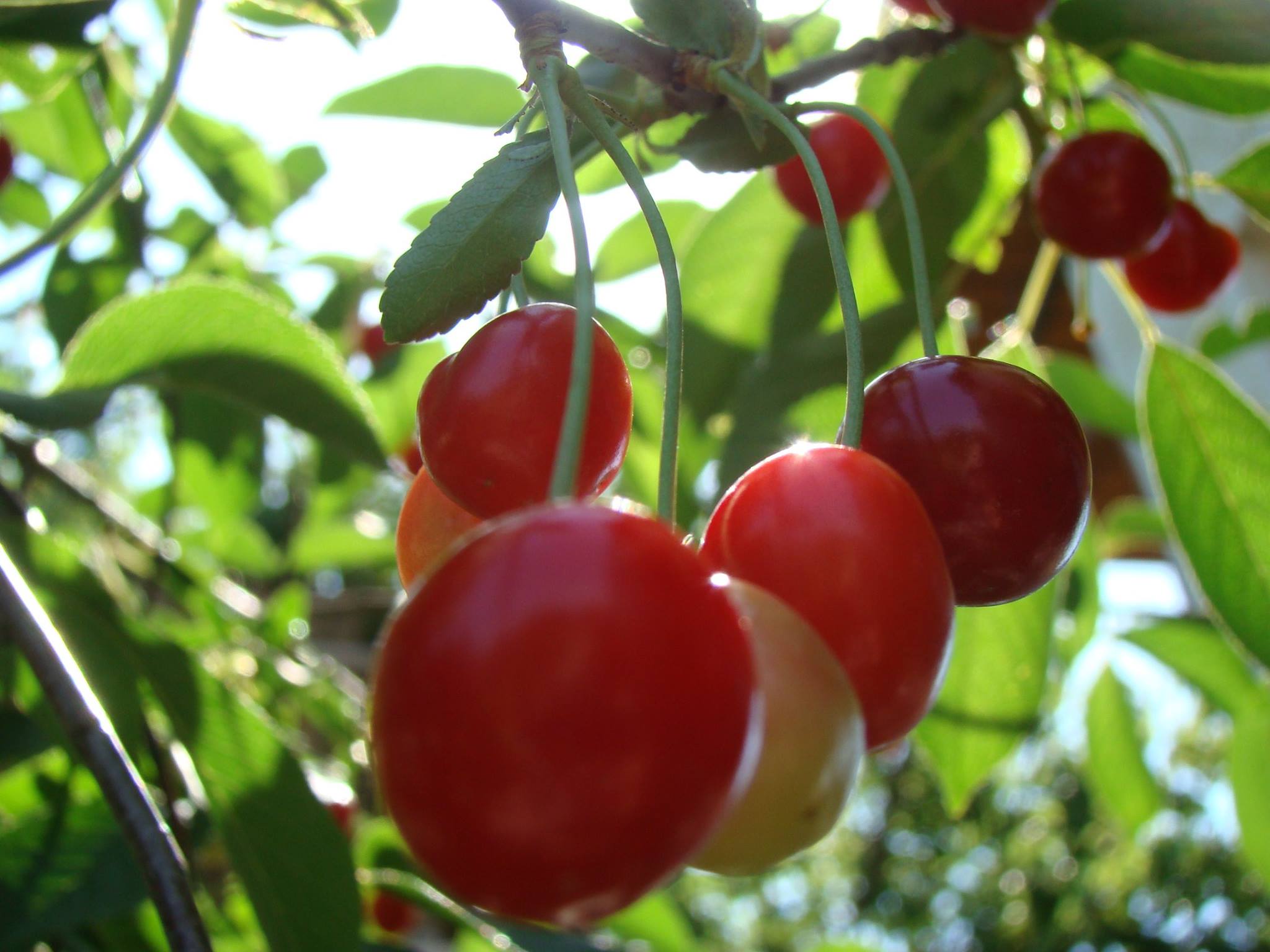
On Sunday, there still was no official evaluation of the damage suffered by cherry orchards from the heavy rains on Friday and Saturday. However, according to experts, such as consultant Elena Yanez, orchards managers, such as Gustavo Castillo from Lomas de Quinchamalí, or buyers like Teresa Gazmuri of Commercial Quinchamalí, the situation is complicated for producers because similar rains, of 20 mm in Coihueco, San Carlos, and the rest of the province, have previously caused major problems. The unseasonable rainfall broke the successful cycle that cherries were having, with good export prices, right at the beginning of the harvest. Ripe cherry is generally sensitive to rain, as it has an osmosis problem caused by sugar accumulation and the fruit breaks with the rain. Yesterday, producers evaluated the damage and Elena Yanez, an agronomist who specializes in producing cherries for export who works as a consultant for other producers in the province, said that she had already seen some damage in the Lapins variety in her orchards located in Coihueco. She said that "the rain has clearly caused damage to the ripe cherries, with the exception of the Regina and Cordia varieties, which do not present major problems. These varieties are genetically more resistant to rain." She also stated that this problem took place at a time when the export market was favorable, with guaranteed prices of $1,300 per kilo, which is good, as by the end of the harvest there would be a reassessment of up to US $2 more, especially in the varieties that are more resistant and arrive in better condition to the markets when shipped by sea. She then stated that producers were specially interested in shipping their fruits on time for the Chinese New Year, which is celebrated in late January and has high prices. "Maritime transport companies have made special arrangements to lower the shipping time from four to three weeks to reach that market," she said. She also said that, up until this rain, the weather had been good to the crop, with some exceptions due to frost. Gustavo Castillo, who is in charge of the orchards of Lomas de Quinchamalí, agreed that this weekend's rain would bring losses to the cherry sector. He said that they had applied an organic product, which is extracted from the layer that protects blueberries from the climate, to the orchards he manages and that they would know the real effect the rains had on the crop in the next few days. "These situations increase costs because we are required to make applications. In addition, I can say we've detected damages in the Star and O'Neil blueberry varieties," he said. Teresa Gazmuri and Gabriela Zuniga, executives at Commercial Quinchamali, also estimated that the damage caused by the rains in the area Quinchamali is great, as purchases had just started and the rains were especially harmful to the corazon de Paloma variety, which is the their most popular variety. They said they still had not made an assessment, but that they hadn't seen a storm like the one they had on Friday night for years. The municipal authorities from Quillon, which is also an area where small farmers produce cherries for domestic consumption or industrial exports, said that they would evaluate the situation on Monday to see what measures can be taken. Source - http://www.freshplaza.com

30.11.2016

USA - Farmers warned against more attacks on crop insurance

Agriculture is gearing up to fend off continued attacks on crop insurance in Congress as negotiations over a new farm bill begin. “I don’t think there’s any doubt that crop insurance is going to have a target on its back,” said Tara Smith, vice president of federal affairs for the Crop Insurance and Reinsurance Bureau, which is a liaison between member companies and regulatory agencies. Attacks on crop insurance can come from any direction, she said. Congress last year attempted to cut $3 billion from crop insurance in a budget bill. The funds were reinserted in a transportation bill. “So in the unlikeliest of places, crop insurance can actually come up,” Smith said. In 2015, farmers paid $3.7 billion in premiums and the government subsidized $6 billion in premiums, according to the USDA Risk Management Agency website. Some $9.6 billion in losses were paid. Annual budget and appropriations cycles are opportunities for opponents to “take jabs” at crop insurance, Smith said. “We really need to be diligent, being sure we’re watching those processes and we’re not just talking to the agriculture committee when we talk about cuts to crop insurance and how important crop insurance is,” she said. “We need to be sure we’re reaching out to the appropriations committees, budget committees, to be sure those folks have good information as well. They could end up having a say over what the program looks like also.” Roughly 80 percent of U.S. farm acreage is insured, said Rick Williams, senior risk management specialist at the USDA RMA office in Spokane. Organizations representing both the far left, such as the Environmental Working Group, and far right, such as the Heritage Foundation, have made it clear they’d like to see insurance cuts, Smith said. “A lot of what those folks put forward about crop insurance isn’t exactly true,” she said. “If it’s not blatantly false, it’s half-truths.” A coalition led by the bureau works to address myths and ensure information is accurate when speaking to legislators and the new presidential administration, Smith said. “We’ve learned some valuable lessons through the last farm bill negotiations that we need to apply and be way more strategic in our approach,” said Marva Ulleland, vice president of operations for Northwest Farm Credit Services in Spokane. Harmful amendments could include a 30 percent reduction in private sector delivery, payment limitations of $40,000 and full disclosure of anyone receiving payments or benefits from government subsidies through the crop insurance programs. “The revenue protection in your policy is literally at risk here,” Ulleland said. “We’re going to need all of the grass-roots movements to protect that part of the policy language.” Smith, Ulleland and Williams spoke during a panel discussion at the Tri-State Grain Growers Convention in Coeur d’Alene, Idaho. Source - http://www.capitalpress.com

30.11.2016

India - 3.26cr farmers enroll for crop insurance in 2016 kharif season

About 326 lakh farmers have been covered under the new crop insurance scheme for a sum insured of Rs 1.37 lakh crore during the 2016 kharif sowing season, government said today. "As per tentative data available, during kharif 2016 about 326 lakh farmers have been insured covering an area of 380 lakh hectare for sum insured of Rs 1,37,535 crore as compared to 309 lakh farmers during kharif 2015 season covering an area of 339 lakh hectare for sum insured of Rs 69,307 crore," Agriculture Minister Radha Mohan Singh said in Lok Sabha. He said there is an increase of about 5.5 per cent in farmers covered, 12 per cent in the area covered and about 100 per cent in the sum insured during first season of implementation of Pradhan Mantri Fasal Bima Yojana (PMFBY) and Restructured Weather Based Crop Insurance Scheme (WBCIS) itself as compared to the kharif 2015 season. Singh further said, the government aims to enhance the area under PMFBY and WBCIS up to 50 per cnet of the gross cropped area within next 2-3 years. "...During 2016-17, a budget provision of Rs 5,501.15 crore was made for implementation of PMFBY/WBCIS and meeting the liabilities under erstwhile schemes. "However, based on the tentative demand received from implementing insurance companies, additional resources by way of supplementary demand has been provided and Rs 7,955 crore has already been released," Singh said. Source - http://economictimes.indiatimes.com

30.11.2016

USA - Changes to crop insurance ensure strong safety net for farmers

The Virginia Department of Agriculture and Consumer Services today announced that the USDA Risk Management Agency has updated factors that will ensure the prevented planting program provides a strong safety net for farmers. Prevented planting coverage provides producers protection if they are unable to plant an insured crop by the final planting date. When adverse weather prevents planting, a prevented planting payment is made to compensate for the producer’s pre-planting costs generally incurred in preparation for planting the crop. These costs can include purchase of machinery, land rent, fertilizer, actions taken to ready the field, pesticide, labor and repairs, among other factors. The prevented planting coverage factor varies by crop, based on an estimate of pre-planting costs. The prevented planting factor is a percentage of the individual insurance guarantee. RMA reviewed prevented planting factors for barley, corn, cotton, grain sorghum, rice, soybeans and wheat for 2017 as part of an effort to ensure that prevented planting factors most accurately reflect the pre-planting input costs of producers. While the prevented planting factors will be reviewed and updated for all crops with prevented planting coverage, the seven crops listed below were reviewed and updated and will go into effect beginning next spring. RMA will evaluate the effectiveness of the recent changes and modify as needed in coming years. Prevented Planting Coverage Factors Crop Current Recommendation from Evaluation Final Corn 60% 50% 55% Soybeans 60% 60% 60% Wheat 60% 60% 60% Cotton 50% 35% 50% Grain Sorghum 60% 60% 60% Barley 60% 60% 60% Rice 45% 45% 55% Source - http://augustafreepress.com

823
of 1225