NEWS
824
of 1225
News
29.11.2016

Ethiopia - FAO Relying On Metal Silos to Reverse Post-Harvest Loss

The UN Food and Agriculture Organization (FAO) in Ethiopia has announced that over 1,746 metal silos out of the expected 2,500 have been produced and distributed to farmers over the last six months to reduce post-harvest loss. FAO Ethiopia Representative Hassen Ali said 75 youth, organized under small and medium enterprises, received training on the production of metal silos in cooperation with the Melkassa Agricultural Research Center. "We have conducted awareness creation and training sessions among farmers to convince them that the distribution of the metal silos is important as a means of reducing post-harvest crop loss. Extension workers are already on board," the FAO Representative said. Metal silos allow grains to be kept for a long period and prevent from pests such as rodents, insects and birds, and are vital post-harvest technologies as they fight against hunger and food insecurity. "Since the metal silo with a certified quality specification is made by trained youth locally, it is affordable, accessible and easily manageable," Hassan said._ The focus of the project is to contribute to food and nutrition security by introducing good post-harvest management practices mainly on air-tight storage technologies. FAO has provided awareness creation and capacity building training on post-harvest loss reduction for 7,746 household farmers in 14 selected woredas of Amhara, Tigray, Oromia and SNNP States. "As the project is in progress, we have not done a final assessment, but as an ongoing program, we have contacted the farmers and woredas that are using metal silos and all confirmed that they are happy with the product," he said. Training on quality assurance was also provided to 28 extension workers to ensure quality production of the metal silos while 45 development agents were trained on their practical use such as grain moisture checking and proper closing. The representative said the trained youth artisans are benefiting from the created job opportunity of producing the metal silos. Ministry of Agriculture and Natural Resources Public Relations Head Alemayehu Berhanu for his part said: "Through a comprehensive collaboration of state and zonal offices, the Ministry is engaged in raising farmers awareness on the best possible ways of reducing post-harvest loss." Since producing by itself is not an achievement, due attention is given to maintain the prevailing season's good harvest to the best minimum post -harvest loss, Alemayehu added. The metal silos and hermetic bags introduced to curb the predicament of post-harvest loss is being undertaken in collaboration with the Ministry and Ethiopian Institute of Agricultural Research. The project, which would phase out in 2017, is funded by the government of Switzerland through the Swiss Agency for Development and Cooperation. The flat bottom metal silo fabricated of galvanized and corrugated sheet costs 3,716 Birr and lasts from 10 to 15 years. Over the last ten years, FAO Ethiopia has implemented over 100 projects estimated at over 55 million USD. Source - http://allafrica.com

29.11.2016

India - Villagers to get crop loss relief

The Public Health Engineering Department has prepared estimate of crop loss in Gokulgarh village of the district due to effluents released by the Kaluwaas sewage treatment plant. Sources claimed the department recommended compensation of Rs 6.32 lakh for damage to crops over 74.5 acres. The compensation had been fixed at Rs 10,000 per acre for 32.92 acres; Rs 9,500 for 4.3 acres and Rs 7,000 for 37.25 acres, the source said. The proposal has been sent to the authorities concerned for approval. Suresh, a resident of Gokulgarh village, said the farmers had been struggling to get compensation for past one year, adding, it should be released at the earliest. The sewage treatment plant reportedly had no provision to dispose of contaminated water which was released into the fields causing waterlogging. As a result, many farmers could not cultivate their crops due to stagnant water. Sources maintained the Public Health Engineering Department had also recommended a proposal with an estimated cost of Rs 48 crore to find out a permanent solution to the problem of disposing contaminated water from the plant. As per the proposal,given by the Public Health Engineering Department the effluent would be released in to Sabi river instead of agricultural land at Gokulgarh village. Source - http://www.tribuneindia.com

29.11.2016

Argentina - 3,200 citrus saplings destroyed to prevent HLB infection

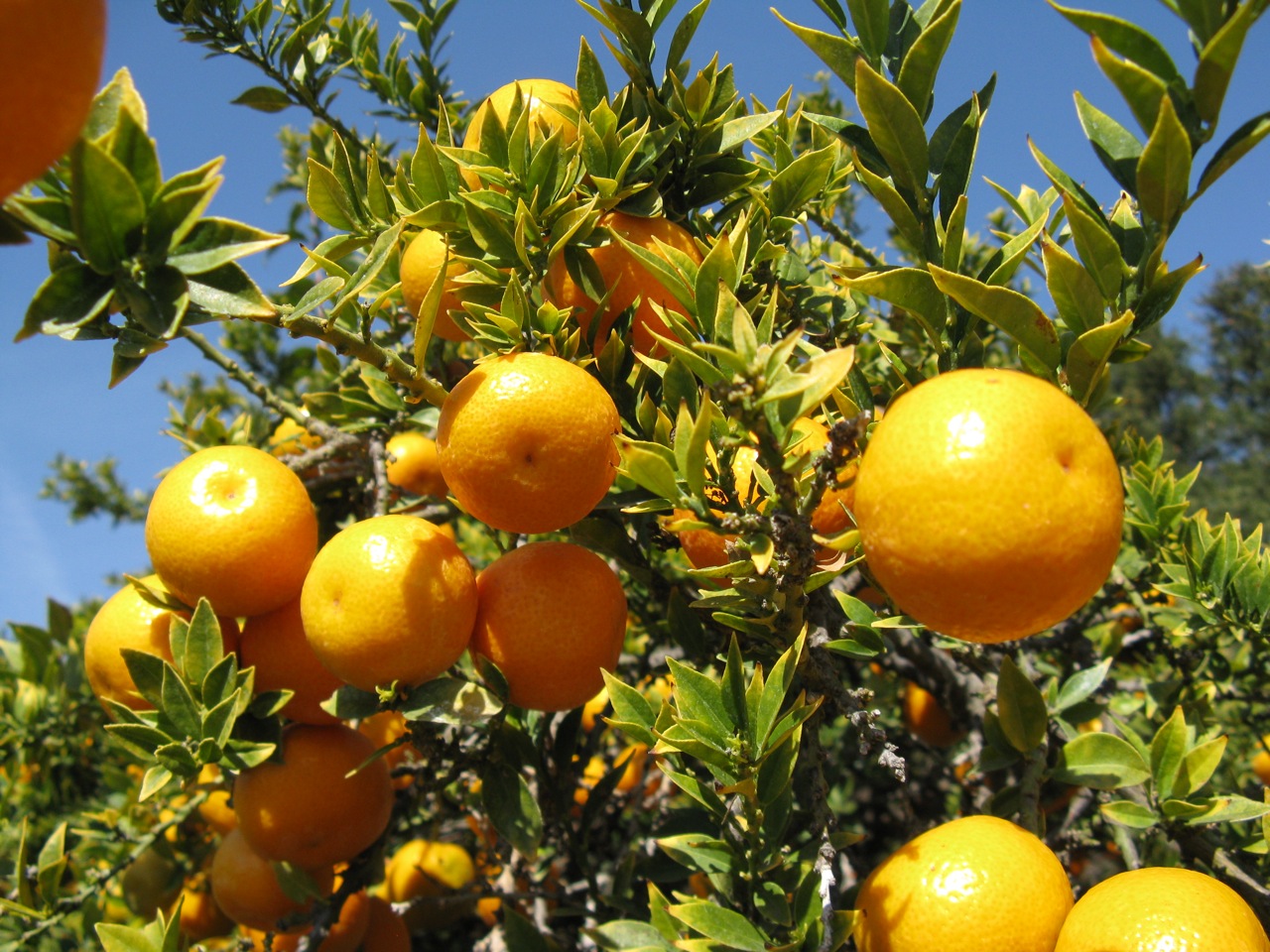
The National Health Service and Food Quality (Senasa) destroyed 3,200 citrus seedlings in pots to prevent the HLB, a deadly disease of citrus for which there is no cure, from entering Tucuman. The seedlings were destroyed in an area located on Route 305 in the town of Las Mesadas, Burruyacu. Among the irregularities found by authorities were: A) the lot where the seedlings were grown was not registered in the National Registry of Operators of Plant Health Propagation Material, micropropagation and/or plant multiplication (RENFO); and B) the seedlings did not have any documentation and the nursery's structure did not comply with the appropriate safeguard measures (anti-aphid mesh, anteroom, etc.) required by regulations. The propagation material is the first link in the fruit, horticulture, forestry, and industrial chains. Therefore, it is important to have materials that have good health to ensure the quality and potential of the plants used for production. The production's health and quality starts in the nurseries, which is why producers must use and transfer material that is certified by the National Seed Institute (INASE). This material can only be purchased at nurseries registered by the Senasa, as they meet the phytosanitary standards necessary to achieve a healthy and high quality fruit production. In this regard, Senasa's Resolution No. 930/09 requires that all citrus propagation material, including the finished plant, must be produced in nurseries and stay under cover. In addition, Senasa also regulates the use of anti-aphid, mesh structures, to produce disease-free plants. Source - http://www.freshplaza.com

29.11.2016

South Africa’s struggling agriculture sector

The agriculture sector contributes about 1.6% to South Africa’s gross domestic product (GDP), below the 2.2% contribution that is needed for the sector to remain sustainable, Agricultural Business Chamber (Agbiz) CEO Dr John Purchase said on Friday 25 November. Addressing delegates at a conference focused on the state of South Africa’s agriculture industry, he noted that per capita output is declining in the country, “which is concerning.” Purchase highlighted that 2016 had been a challenging and tumultuous year for the agribusiness environment and farmers alike. He said deep and fundamental political divisions in government and the governing party, the threat of ratings downgrades to subinvestment grade, as well as an uncertain global political and economic environment were negatively affecting the sector. He further stated that the country’s food security remained at risk. “The major challenge the sector is currently facing is the downgrade threat by ratings agencies. It will force [South Africa] to raise interest rates, which will make us less competitive,” Purchase pointed out. He added that “reckless and dangerous” statements by Economic Freedom Fighters’ leaders on land nationalisation without compensation and the encouragement of illegal land grabbing, were also threats to the industry. Purchase noted that not only did the ongoing drought of the past years continue its devastation over much of the country, but a declining economy and constrained consumers led to dampened demand and declining output. However, Purchase did note that in the last quarter of 2016, there was evidence of some recovery in the Agbiz/Industrial Development Corporation Agribusiness Confidence Index, and with good rains falling in key production areas, this indicated a potential turnaround situation. Source - http://www.freshplaza.com

29.11.2016

India - PM's crop insurance scheme makes sluggish start in first season

Prime Minister Narendra Modi’s ambitious crop insurance scheme that promised lowest premiums for farmers seems to have started on a slow note during the kharif season this year, partly due to delayed notification by states. According to some experts, the decision to keep sugarcane out of the scheme’s ambit may have impacted its coverage in few states. Sources further said that around 32.6 million farmers- loanee and non-loanee- were covered under the crop insurance scheme till date. This is around 6.3 per cent more than the farmers covered under various schemes during last kharif season. But, it was significantly lower than the 29.5 per cent rise in coverage in 2015, and 13.4 per cent rise in 2014. However, these increases were included in old insurance schemes that included weather-based crop insurance scheme (WBCIS) and national agriculture insurance scheme (NAIS). Moreover, data tabled during a parliamentary session last week also showed that only 23.6 per cent of farmers had enrolled under the the Pradhan Mantri Fasal Bima Yojana this year as against 22.2 per cent in 2015. While the deadline for the Prime Minister’s insurance scheme was August 10, it was extended by a few days for Bihar. Private insurance companies, however, said though the number of farmers covered could be less, the area insured as proportion of net sown area seems to have improved to 30 per cent this kharif season, compared with 20-21 per cent in 2015. But this could be because of an increase in overall acreage due to good rains. In case of the new insurance scheme, states have to invite fresh tenders to enlist insurance companies for kharif and rabi seasons separately because premium rates are different. For kharif crops, farmers have to pay a premium of just 2 per cent of the sum insured in cereals. For rabi crops, the premium has been fixed at 1.5 per cent of the sum insured. For horticulture crops, the premium has been capped at 5 per cent. This is much lower than the premiums charged under the three existing insurance schemes in the range of 3.5 per cent to 8 per cent of the sum insured. The balance premium accruing to the insurance companies is shared equally between the Centre and states with the former sharing up to 90 per cent of the burden. The Centre expects to spend over Rs 9,000 crore per year on the new insurance scheme. However, in 2016-17, it made a budgetary provision of over Rs 5,500 crore, which was almost 84 per cent more than the same period last year. “This is just the beginning and we feel that more farmers would be brought under the insurance fold during the rabi season,” a senior official said. The Centre plans to bring at least 50 per cent of the 140 million farmers in the insurance fold over the next three years. According to a study by private weather forecasting agency Skymet along with industry association Assocham, less than 20 per cent of India’s farmer families have crop insurance, which is why a vast majority of them are exposed to vagaries of weather. Even among loanee farmers, insurance penetration is not 100 per cent. It is mandatory for loanee farmers to get an insurance cover. Source - http://www.business-standard.com

29.11.2016

USA - Chippewa County on aid request for frost-bitten crops

Freezing temperatures last spring left crop-growers in Chippewa County and those in nine other western Wisconsin counties with less-than-adequate seasons this year. Gov. Scott Walker asked the USDA for a disaster declaration for 10 western Wisconsin counties, including Chippewa, Eau Claire, Trempealeau and Jackson, that were hit hard by a mid-May frost. The temperatures that fell as low as 25 degrees May 13-14, damaged fruit crops such as grapes, berries and apples, along with asparagus and hops. Wayne Geist, owner of Bushel and A Peck Market in Chippewa Falls, said their orchard lost three-fourths of its crop due to frost damage, affecting all apple varieties they grow in the orchard. “It took 75 percent of our possibility of having a successful season away,” he said. “Luckily there was enough activity at the orchard that we were able to sell everything locally out of our store.” Geist and his wife, Lisa, have owned the orchard for three years, and he said two of those have seen damage due to weather. The other happened in early summer of 2015, when hail damaged around 50 percent of its crop. Still, Geist considers them to be lucky this year. “It sounds crazy, but we were able to have 25 percent of our crop,” he said. “There were some who lost 100 percent.” Jerry Clark, a UW-Extension agricultural agent, estimated Chippewa County saw upwards of a 50-60 percent crop loss across some farms, with some areas experiencing nearly 80 percent or higher loss. Apples, blueberries and strawberries were the most affected crops. He estimated some apple varieties lost as much as 80-100 percent because they were either flowering at the wrong time or in a lower location that allowed the frost to settle.. “It was geographically centered as you look at the orchards — mostly that area by Lafayette and up through Holcombe,” Clark said. “When you get down to those low temps, it doesn’t take very long to cause problems.” Along with a sizable apple and berry crop, Chippewa County is participating in a $250,000 Clean Hop Project with UW-Extension, studying how six varieties of hops fare in the local soil. Frost delayed the harvest of hops this year as farmers had to cut back the two weeks of growth damaged by the freezing temperatures, which could have resulted in up to a 20-percent loss in quality of the flowering buds that are used in beer making. Fortunately, vegetables and most field crops weren’t growing yet or had just been planted, meaning it was early enough for them to recover. Clark also heard a number of strawberry growers applied water overnight to keep them from freezing, which seemed to help. If the USDA grants Walker’s Disaster Designation request, Clark said orchards like Geist’s will most likely have the opportunity to apply for a low-interest loan. Source - http://chippewa.com

28.11.2016

Canada - Salvaging cereal crops for forage

After the early snow and a month of wet weather in Saskatchewan, many acres of annual grain crops are still in the field. There are growing concerns with some of the grain having sprouted and becoming unsaleable. And given the recent run of warm, dryer weather, the possibility of salvaging these crops as forage for livestock has been a popular question. But before salvage operations commence, there are a few important points to take into consideration. If the crop was insured through Saskatchewan Crop Insurance, they must be contacted prior to any salvage operations commencing. Economic Considerations: Baling costs range from $15 to $18 per bale, according to the 2016-17 Farm Machinery Custom and Rental Rate Guide, so first determine if there is adequate nutritional value and a market for the feed to justify these expenses. The cost of transportation and hauling the bales to the cows should also be considered. Baling Considerations: Bales containing 18 to 20% moisture (or higher) have the potential to heat and lose their quality. Some of the sugars (or energy) will be used by the microbes during the heating process, reducing the energy content available to the animals. If temperatures within the bale get above 40°C, the bales will smell sweet or like tobacco.  The color can change to dark brown or black.  When this happens, some of the protein will be tied to the fiber and not available to the animals. If this occurs, request an Acid Detergent Insoluble Nitrogen (ADIN) or ADIP (protein) test in addition to the regular feed analysis. Use the adjusted lower protein value when formulating rations. Molds can also develop in bales with higher moisture. This can result in a loss of quality and possible feed refusal. If mold is present bales should be rolled out rather than fed through a bale processor. This will allow the cows to sort through the feed and allow them to waste the material that is contaminated with mold.  Forcing cows to eat 5% moldy feed can possibly reduce the digestibility of the ration by 10%. Mature grain crops that have lain (and weathered) in the field for several weeks should not be made into chopped or bale silage. Aerobic bacteria will have established themselves in the swath and outcompete the anaerobic bacteria that develop during the ensiling process. White mold can form. Nutrient losses also occur. Applying the appropriate amount of buffered propionic or formic acid to higher moisture feed reduces mold growth and heating. These products could allow baling at 4 to 5% higher than normal.  However, moisture levels will remain higher than recommended and these bales should be fed out as quickly as possible. Bacteria cannot develop when temperatures are below 0°C.  Letting the feed stay in the field until temperatures remain below zero could allow you to bale the crop. However, this is very risky as the time available for baling before the crop is completely snowed under may be very short. Furthermore, if temperatures rise again microbe action will begin and the risk of heating and mold growth returns. Feeding Considerations: There is an approximate 1:1 weight ratio of grain to straw in mature cereal crops.  Therefore, roughly about one half of the weight of each bale would be mature cereal grain. Depending on the type of cereal grain and the class of livestock being fed, there is a real potential for grain overload or rumen acidosis to occur in cattle and sheep.  Care and planning will be required when feeding salvaged cereal crops as forage. In addition to the risk of grain overload another consideration with salvaged cereal crops is the potential for the presence of ergot, fusarium and the associated mycotoxins that could be harmful to your livestock.  Before feeding a salvaged cereal crop it is advisable to have the feed tested for nutrient composition and screened for mycotoxins and ergot.  You can seek the assistance of your Regional Livestock Specialist to interpret the test results and to design a winter feeding plan in order to use the feed safely and effectively. Source - http://www.yorktonthisweek.com

28.11.2016

USA - Farmers Are Getting a Bumper Crop of Subsidies from the 2014 Farm Bill

After years of hard bargaining, Congress in early 2014 finally agreed on a bipartisan farm and nutrition bill aimed at reforming an antiquated and costly agriculture subsidy system. The legislation was designed to get rid of direct price support payments, eliminate waste and duplication of programs, tighten food stamp eligibility, and save $23 billion over the next five years. Unquestionably, differences between the House and Senate over food stamp funding posed the biggest obstacle to a final deal. However, Republican and Democratic lawmakers’ concerns about milk prices and benefits for beef, pork and poultry posed last-minute problems for the negotiators before the deal was finally pushed through. The final agreement cut about $19 billion in farm programs over five years with one of the biggest breakthroughs being the elimination of so-called direct payments. Under the old law, producers of various crops would receive payments each year totaling about $5 billion – regardless of the prevailing market prices or which crops, if any, they produced on eligible land. The Obama administration and Republican and Democratic lawmakers alike viewed direct payment as exhibit A in wasteful government spending, and finally got rid of them. But as is so often the case in these types of negotiations, Congress took away the subsidy with one hand and gave some of it back with the other. Some of those savings from direct payments were added to the massive crop insurance program, in which the federal government covers losses from poor yields or declines in revenue. Agricultural producers including farmers, ranchers and others purchase crop insurance to protect themselves against the loss of their crops due to natural disasters or the loss of revenue due to declines in the prices of agricultural commodities. At the time of the negotiations, Vincent H. Smith, a professor of farm economics at Montana State University, described the shifting of funds from direct payments to crops insurance as “a classic bait and switch proposal to protect farm subsidies,” according to The New York Times. The $1 trillion, five-year bipartisan farm bill included another reform that ensuredthat the federal government would avoid re-implementing a 1940s era subsidy program that could have caused the price of milk to double to $7 a gallon from the national average at the time of $3.50. But as a consolation prize, the bill created a new milk insurance subsidy program. Finally, the new legislation ended roughly 100 Department of Agriculture programs that were no longer working. Congress also took aim at duplicative programs and ordered that 23 existing conservation programs be consolidated into 13. So how have things worked out since the law first took effect? Taxpayers for Common Sense, a government spending watchdog that has delved deeply into government price support programs, decided to take a look as Americans prepared to sit down to their Thanksgiving Day dinners this week and devour food whose prices are directly impacted by federal policy. The group’s analysts concluded that American farmers had a lot to be thankful for and that they may be on the prowl for even more goodies. “While record harvests have resulted in low crop prices and leaner incomes for many, farmers and ranchers are loading up on taxpayer subsidies,” according to the Taxpayers for Common Senate analysis. “But rather than thanking taxpayers for this already generous safety hammock, err net, some agricultural special interests are demanding taxpayers dish out even more subsidies.” Here is a quick rundown of what the group found: Crop subsidies – The new federal crop insurance program protects everything from almonds to oysters to corn and soybeans, and it is projected to cost taxpayers $8.5 billion annually. While that’s a definite improvement over previous spending of as much as $14 billion in 2012, the new program is rife with loopholes that make it highly generous and add to the overall cost. For instance, most insurance programs pay out not only when a farmer loses a crop, but when revenue falls short of expectation. As “gravy” on the legislative deal, the 2014 farm bill created new income entitlement programs “layered on top of crop insurance,” according to the report. “While the agriculture committees claimed the programs would be leaner than the direct payments program they replaced, the Agriculture Risk Coverage and Price Loss Coverage programs are instead 56 percent more expensive than originally anticipated.”  This means that the bottom lines of agricultural businesses will be enhanced by $15.6 billion more than originally projected. Loan Deficiency Payments. The bill provides a financial parachute for growers of wheat and potentially producers of corn and soybeans. For the first time in nearly a decade, the USDA will provide Loan Deficiency Payments. Farmers often use their harvest as collateral for low-interest loans from USDA to purchase seed and fertilizer to grow the crop in the first place. “If the harvest is worth less than the loan, farmers can receive LDPs to make up the difference,” the report notes. Dairy support. The new farm bill created a dairy “margin protection program” to send payments to dairy producers. However, that doesn’t seem to be enough. Lawmakers and dairy special interests “are begging USDA” to go one step further and actually purchase “excess” dairy products. “USDA has agreed, twice releasing solicitations to purchase excess cheddar, though dairy interests are asking for more,” according to Taxpayers for Common Sense. Sweeteners for sugar producers. While crop insurance, income entitlements and subsidized loans provide hefty subsidies for farmers and ranchers, “the richest subsidies are reserved for sugar,” according to the report.  U.S. sugar producers qualify for below-market rate subsidized operating loans. “And to keep prices high, USDA restricts the amount of sugar each processor is allowed to process, restricts imports of sugar by subjecting importers to confiscatory tariffs, and even purchases sugar to sell it at a loss to biofuels companies to turn into ethanol,” the report states. “All of these efforts result in U.S. sugar costing as much as twice as it does in the world market.” Source - http://www.thefiscaltimes.com

28.11.2016

India - B’garh farmers denied crop insurance

More than 79,447 farmers of Bheden block under Bargarh district have been deprived of crop insurance of nearly Rs 217 crore in Kharif season of last year, sources said. The farmers deposited the insurance premium, but they have not availed insurance against crop loss yet. The reason is cited to be the negligence of the Revenue Department officials. RIs and Tehsildars have not submitted their report regarding this, alleged Utparnna Bhoi, a farmer leader. In this regard, the farmers of Bheden Block have complained before the authorities but to no avail. But Sambalpur District Co-operative Central Bank CEO Gurukrushna Dash said that on the basis of survey report in 2015 Kharif season, the crop insurance had been sanctioned. Source - http://www.dailypioneer.com

28.11.2016

India - Soon, GPS-enabled app to settle crop loss claims

A GPS-enabled application will soon be keeping an eye on the damages suffered by farmers due to reasons like natural calamity or wild animals. The application, christened ‘mobile halris’ and is currently being used in five villages of Panchkula, will cover the whole state by March. Once it is done, crop loss claims will be settled on the basis of ground report prepared by the patwari concerned. Currently, claims are settled on the basis of the statement of patwaris, who in the past have been under the scanner for favouring their aides and getting hefty compensation for the favour. The system will ensure transparency in claim settlement as the patwari will have to take a picture of each farm through this application and enter its details. The National Informatics Centre has developed the application. It already has each khasra and girdhwari numbers. The patwari will select his village, the khasra number and the girdawari number and enter the specific details of the farm. To ensure that the patwari himself visits the farm, he will take two pictures of each farm; one of these will be a selfie of him in the farm. District informatics officer Satpal Sharma said, “In case of a natural calamity, claims were settled according to what the victim farmers told the patwaris and in turn, what the latter told the government. To bring in transparency and rule out any cheating, this app can be very helpful.” He added that the application would be modified if test results find it essential.As a pilot project, three computer tablets with the application installed in them were given to three patwaris in Panchkula district, who would use it to provide data of five villages — Kaasampur, Shyamtu, Palasra, Shahpur and Khol Albela. The tabs were given to the patwaris last month and the department is awaiting the results. The results will determine the success and feasibility of the application and whether or not it can be used across the state.District revenue officer Dheeraj Chahal said, “We will see if the system is feasible or not, as this is a time-consuming process. The decision will be taken before the next season in March.” According to the DRO, there are 253 villages in the district and 24 patwaris. Hence, if the indigenous application is adopted, the government will buy 24 tabs and install the application in each before giving it to the patwaris. The patwaris will bring back the data, which will be put into a system. Once the entire details are entered, a consolidated report for the whole state and at each division will be available. Source - http://www.tribuneindia.com

28.11.2016

India - Farmers go bananas as biz takes a hit

With shortage of cash to pay labourers for harvesting, fertilisers, pesticides and transportation, banana plantation farmers in the erstwhile Warangal district are grappling with after effects of demonetisation. The demonetisation has hit banana growers and traders as prices of the fruit have fallen sharply as farmers seek to sell their produce quickly. If on one hand they are facing problems in arranging cash for labourers, on the other hand fertilisers and pesticide dealers are not accepting higher denomination notes making their work even more difficult. “We are facing problem from both labourers and fertiliser dealers. The shops engaged in selling agricultural inputs are not accepting demonetised currency neither are the labourers accepting it,” Sai Reddy, who has a banana plantation in Urugonda village in Warangal (Rural) district told Express. Reddy, who has been in banana plantation since over a decade, says the market is very competitive and if one delays in bringing his produce he would lose business. Hence, the delay in harvest will be very detrimental, he said. Banana plantation farmers in Mangapet, Nizampalli, Gudipahad and Singaram areas are facing similar problem. “These are difficult times for us as we are neither able to pay to our labourers nor to farm input dealers. Even the traders are not cooperating with us. In the last two weeks we have suffered a huge loss as we were not able to cut our produce due to lack of cash. The bank is also not allowing us to withdraw enough cash in lower denomination forcing us to delay in making payments to worker and dealers,” K Sambaiah,  the caretaker of a huge banana plantation in Gudipahad village said. Banana being a perishable produce, both farmers and wholesale dealers have been seeking to sell their stocks quickly to raise cash ever since demonetisation and in the process brought down the prices of the produce. “Though banana prices tend to dip during this period, demonetisation has caused a further fall,” a trader in Warangal city said. Besides currency crisis, the farmers are also facing the issue of wild boar. The wild boars are causing huge losses to farmers, as their attacks on crops are damaging. An attack on a banana  field at the tasselling stage can wipe out 50 per cent of the standing plants, says Reddy. “They are frequently attacking our farms and damaging our crops. We have to hire 4 to 5 workers to protect our plantation. This is putting additional burden on us. Now, with demonetisation we are not able to pay them on regular basis,” he added. Banana farmers are urging the government to allow them to draw enough cash from the bank to run their day-to-day activities necessary for banana cultivation. Source - http://www.newindianexpress.com

28.11.2016

Dominican Republic - Banana growers tally losses

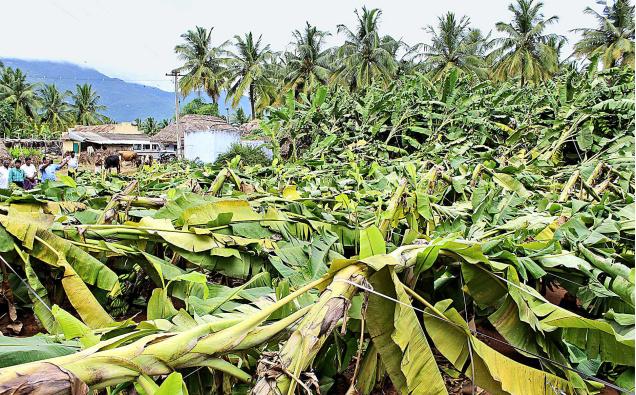
According to Dominican Banana Association (Adobanano) president Simeón Ramírez, Northwest Line banana growers place the losses from flooded plantations at RD$2.1 billion. The figure has been confirmed by National Agricultural Producers Confederation (Confenagro) director Hecmilio Galván. Ramirez said some 5,500 hectares of banana plantations have been damaged, which he affirms has already led to a 25% fall in its exports. "I can say that because of the various scenarios that have occurred. It's been more than once when the water has entered and has left, we can say that those 5,000 hectares are going to be lost." He said the country exports 380,000 boxes of bananas per week, but the flooding will decrease that figure by at least 90,000 boxes. "That in terms of money implies a high value, it implies that probably for next year, when this begins to be reflected by year end, we'll have 50 million dollars less," he said. "In my case the bananas that I lost were on 16 hectares that is ready to harvest, and of 30,000 clusters that were on the farm, we were only able to cut 1,000 and in plantains, I lost around RD$2 million, that means that I lose between six and seven million pesos," said producer Marcos Rodríguez, quoted by diariolibre.com. Banana growers expect RD$1.0 billion in government funding from 5-year loans, with one year to start repaying. (1 Dominican Peso=0.022 USD) Source - http://www.freshplaza.com

25.11.2016

Spain - Rainfall and hail damages greenhouses in El Ejido

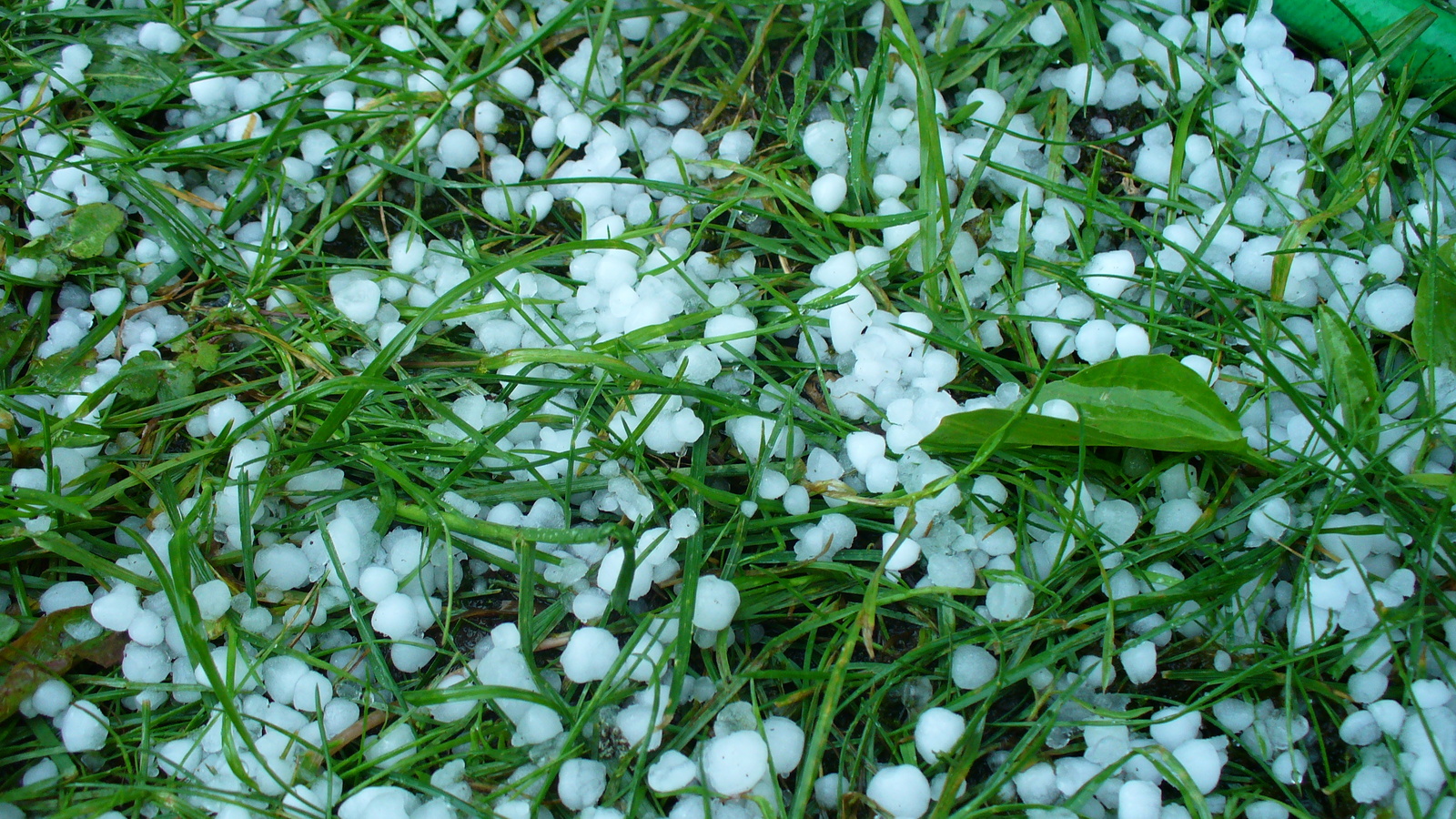
The severe rainstorm recorded in south east Spain, mainly in the municipality of El Ejido, but also in the coastal strip and in Adra, with up to 18 litres per square metre in just five minutes, has caused considerable damage, mainly to rural roads and agricultural areas. Sources from COAG have reported several problems caused by the impact of rainfall in agricultural farms in El Ejido, where the structure of a greenhouse has collapsed. Likewise, in the area of Tierras de Almeria and La Aldeílla there has been a hailstorm with no significant incidences beyond the accumulation of hail on the sides of the greenhouses. The most severe problem has been the floods that have been observed on numerous rural roads, which have also affected the greenhouses closest to the channels. Reportedly, some horticultural warehouses have also been flooded, especially those located in the road of Almerimar and in the industrial estate of La Redonda. On the positive side, the rainstorm has replenished local watercourses. Source - http://www.freshplaza.com

25.11.2016

Philippines - PCIC extends SAIP-PP insurance program to Cordillera region

The Philippine Crop Insurance Corporation (PCIC) in Cagayan Valley region has crossed regional boundaries just to offer insurance subsidy to farmers in eastern towns of the Cordillera Administrative Region (CAR). Rodelia Pagaddu, PCIC’s head-marketing and sales division, stated on Friday, May 8, that there are more than eight thousand (8,000) farmers in Kalinga, Apayao and Ifugao municipalities who availed of the PCIC’s Subsidized Agricultural Insurance Program for Priority Provinces (SAIP-PP). “The three provinces were among the top 20 priority provinces nationwide to be given crop insurance subsidy. This is an effort of the government to help poor farmers insure their agricultural crops which are very vulnerable to natural calamities and pest infestations.” The SAIP-PP, according to Pagaddu, offers subsidy for less-fortunate farmers, who could not afford to sustain the payment of the insurance program, and whose crops were damaged by plants fest, diseases, and as well as natural calamities (like flood, drought and tropical storms). Moreover, the Department of Agriculture (DA) has allotted P25 million to subsidize the payment of the insurance of the identified beneficiaries in the said provinces. Given that Region 2 is not covered by the aforemnetioned program, the PCIC Cagayan Valley extends the initiative to include the farmer-beneficiaries in the three towns in CAR. Source - http://www.centriotimes.com

25.11.2016

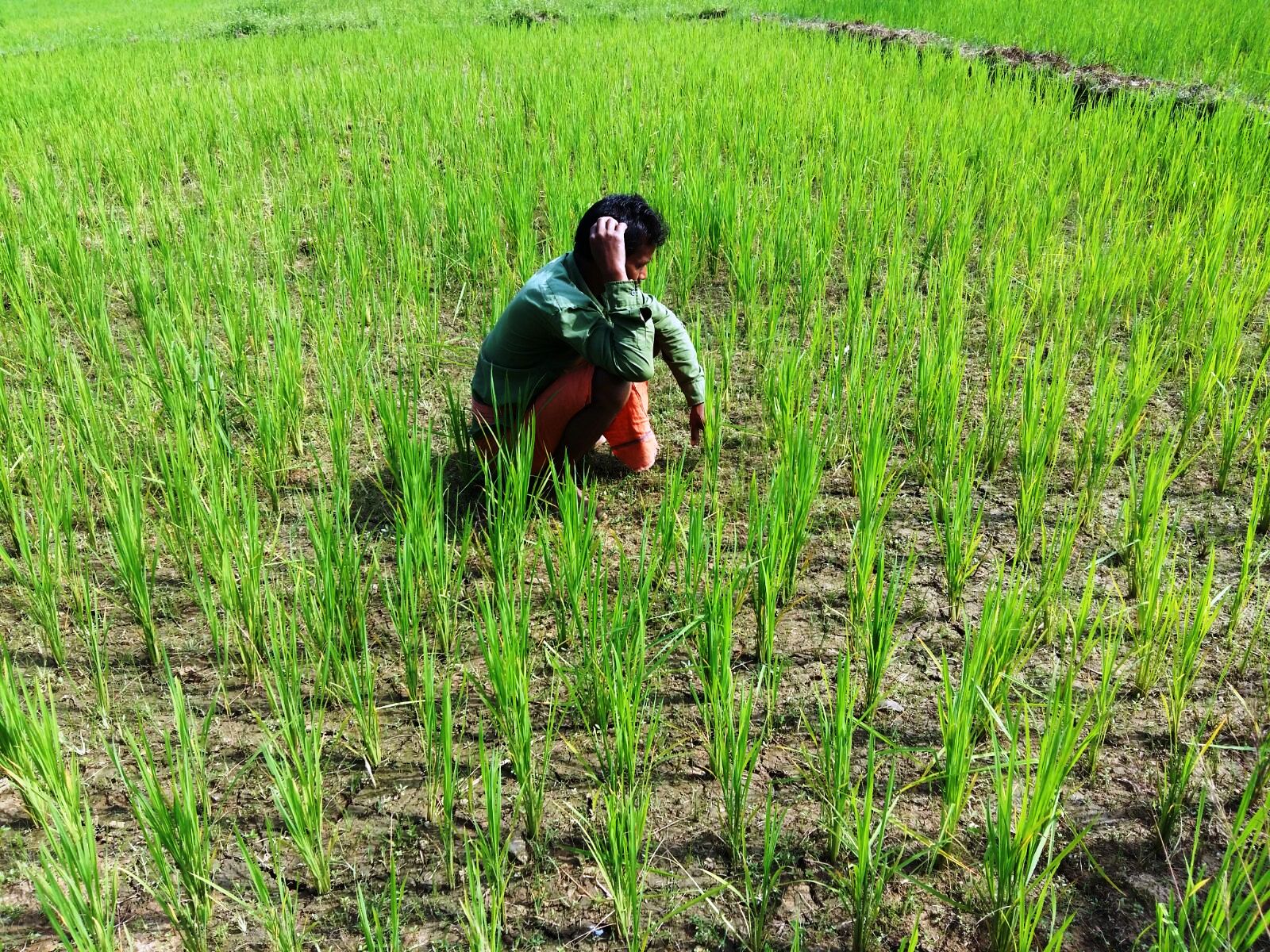
India - Turmeric farmers in Erode demand relief for crop loss

A week after two farmers from Erode committed suicide, 500 turmeric farmers from the district blocked Kodumudi Road on Wednesday morning demanding the release of water from the Kalingarayar Canal and compensation for crop losses. Their crops have dried up due to the failure of monsoon. Besides, officials abruptly stopped releasing water after 28 days, they said. Many of them are in debt and hence urged the government to provide compensation for crop losses. Five days ago, Erode-based turmeric farmers, S Muthuswamy Gounder and Ramalingam committed suicide after their crops withered. While Muthuswamy died on November 18, Ramalingam took his life on November 13. On Wednesday, the Kalingarayan Mathaku Paasana Vivasayikal Sabai staged a road roko asking the government to either release water or pay compensation to the farmers. Source - http://timesofindia.indiatimes.com

25.11.2016

New Zealand - Irrigation investment to help drought hit province

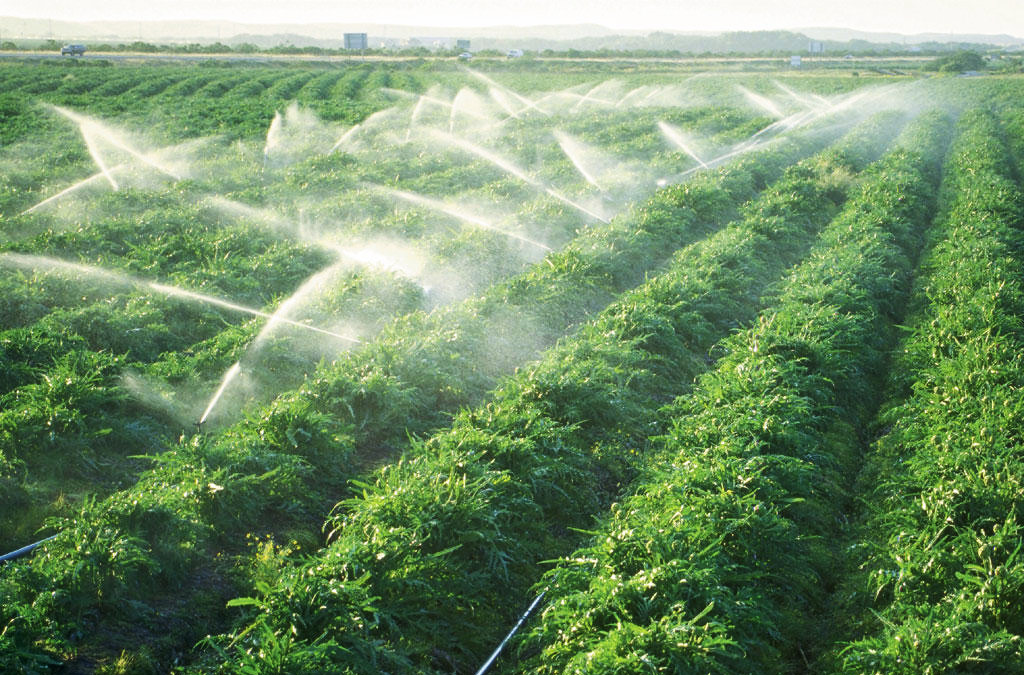
According to Federated Farmers, the investment of $3.4 million into the Hurunui Water Project by Crown Irrigation Investments will ensure the future resilience of North Canterbury. "The announcement of the investment is welcome news for our community, which has been decimated by the most prolonged drought in New Zealand recorded history," Federated Farmers North Canterbury president Lynda Murchison says. Those worried about whether irrigation in the Hurunui will have adverse effects on water quality can be reassured. "The scheme has tight environmental controls and most farmers in the Hurunui are not looking to irrigation to enable land conversions. "Farmers instead are looking for it to help support their current land uses with access to water to reduce their vulnerability to drought. "It will also provide opportunities to improve in-stream habitat by boosting low flows when appropriate," she says. Funding will be allocated in two phases, with $1.8m being applied to the feasibility phase and a further $1.6m will be available for the project commitment phase when the project is proven to be commercially viable. It’s anticipated the scheme will irrigate up to 21,000 hectares on the south side of the Hurunui River in North Canterbury. The scheme will take and store water from the Hurunui and Waitohi rivers using a pressurised piped distribution system. Source - http://www.freshplaza.com

824
of 1225